Travel · Travel
10 Essential Tips for Backpackers
Packing light is an art that every traveler should master to enhance their journey. The first step in this process is to carefully consider the duration of your trip and the activi…
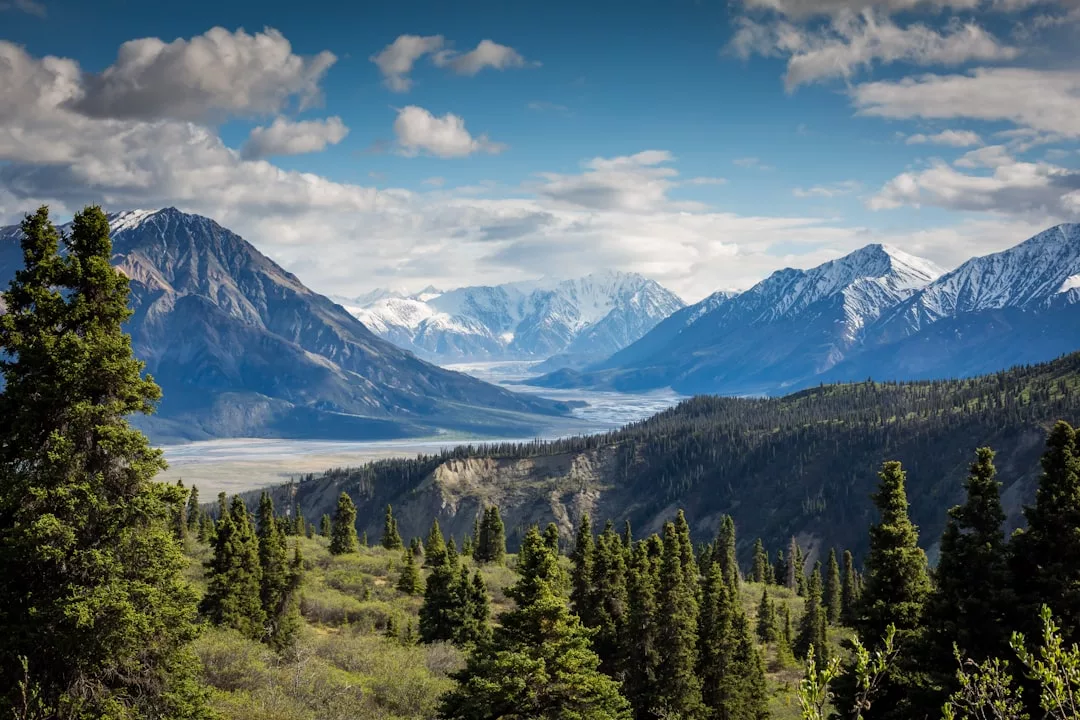
Packing light is an art that every traveler should master to enhance their journey. The first step in this process is to carefully consider the duration of your trip and the activities you plan to engage in. For instance, if you are heading to a tropical destination for a week, packing a few versatile clothing items that can be mixed and matched is essential.
Lightweight fabrics that dry quickly, such as moisture-wicking materials, are ideal for travel. They not only save space but also keep you comfortable in varying climates. A good rule of thumb is to pack no more than one week’s worth of clothing, regardless of the trip’s length, and to include items that can serve multiple purposes, such as a sarong that can function as a beach cover-up or a blanket.
Another crucial aspect of packing smart is the use of packing cubes or compression bags. These tools help organize your belongings and maximize space within your backpack. By categorizing items, such as clothing, toiletries, and electronics, you can easily access what you need without rummaging through your entire bag.
Additionally, consider the weight of your gear; opting for lightweight travel essentials can significantly reduce the burden on your back. For example, a compact travel towel and a portable water filter can replace bulkier alternatives, allowing you to travel more efficiently while still being prepared for various situations.
Key Takeaways
- Pack versatile clothing and only essentials to travel light and smart.
- Research local customs, traditions, and any travel advisories for your destination.
- Choose a backpack with proper support, size, and compartments for your needs.
- Stay safe by being aware of your surroundings and health by staying hydrated and getting enough rest.
- Set a budget, track expenses, and consider using local currency to manage your money effectively.
- Learn basic phrases in the local language to communicate and show respect to the locals.
- Embrace the local culture by trying local food, participating in traditions, and respecting local customs.
- Reduce your environmental impact by using reusable items and being mindful of waste.
- Make new friends and connections by being open, friendly, and respectful to others.
- Be flexible and open-minded to unexpected changes and new experiences during your travels.
- Document your adventures through photos, journaling, or blogging to cherish the memories and share your experiences.
Researching Your Destination
Thorough research about your destination can significantly enhance your travel experience. Understanding the local customs, traditions, and social norms can help you navigate cultural nuances and avoid unintentional faux pas. For example, in some countries, it is customary to greet people with a handshake, while in others, a bow may be more appropriate.
Knowing these details can foster respect and goodwill with locals, making your interactions more meaningful. Furthermore, researching local cuisine can prepare you for culinary adventures; knowing what dishes to try or what ingredients to avoid due to dietary restrictions can make dining out more enjoyable. In addition to cultural insights, researching practical information about your destination is equally important.
This includes understanding the local transportation system, currency exchange rates, and safety considerations. For instance, if you are traveling to a city known for its public transport, familiarizing yourself with the metro or bus routes can save you time and money. Websites like TripAdvisor or local tourism boards often provide valuable insights into must-see attractions and hidden gems that may not be on the typical tourist radar.
By arming yourself with knowledge before you arrive, you can create a more structured itinerary that allows for spontaneity while ensuring you don’t miss out on key experiences.
Choosing the Right Backpack
Selecting the right backpack is a critical decision that can greatly influence your travel experience. The ideal backpack should be comfortable, functional, and suited to your specific needs. When choosing a backpack, consider factors such as size, weight distribution, and adjustability.
A backpack with adjustable straps and a padded hip belt can help distribute weight evenly across your body, reducing strain during long walks or hikes. For instance, if you plan on trekking through mountainous terrain, a backpack with a built-in rain cover and multiple compartments for organization will serve you well. Moreover, the material of the backpack plays a significant role in its durability and weather resistance.
Look for backpacks made from high-quality nylon or polyester that can withstand wear and tear while also being water-resistant. Additionally, consider the volume of the backpack; a 40-60 liter capacity is often ideal for multi-day trips, allowing enough space for essentials without being overly cumbersome. Features such as external pockets for water bottles or quick-access compartments for electronics can enhance functionality.
Ultimately, investing time in selecting the right backpack tailored to your travel style will pay off in comfort and convenience throughout your journey.
Staying Safe and Healthy
Maintaining safety and health while traveling should be a top priority for any adventurer. One of the first steps in ensuring safety is to stay informed about the political climate and health advisories of your destination. Websites like the Centers for Disease Control and Prevention (CDC) provide up-to-date information on vaccinations required for certain regions or any health risks associated with specific areas.
For example, if traveling to regions where malaria is prevalent, taking preventive medication and using insect repellent becomes crucial. In addition to health precautions, being aware of your surroundings is vital for personal safety.
It’s advisable to carry only what you need for the day and leave excess cash and important documents in a secure location at your accommodation. Moreover, having emergency contacts readily available, such as local authorities or your country’s embassy, can provide peace of mind in case of unforeseen circumstances. By taking proactive measures to safeguard your health and safety, you can focus on enjoying your travels without unnecessary worry.
Budgeting and Money Management
Effective budgeting is essential for maximizing your travel experience while minimizing financial stress. Start by establishing a clear budget that outlines daily expenses such as accommodation, food, transportation, and activities. Researching average costs in your destination can help set realistic expectations; for instance, Southeast Asia is known for its affordability compared to Western Europe. Additionally, consider various methods of managing money while abroad. Using a combination of cash and credit cards can provide flexibility; however, be mindful of foreign transaction fees associated with credit card use.
It’s often beneficial to have some local currency on hand for small purchases or places that do not accept cards. Furthermore, exploring local markets or street food options can offer authentic culinary experiences at lower prices than tourist-oriented restaurants. By being strategic about budgeting and money management, you can stretch your funds further while enjoying all that your destination has to offer.
Learning Basic Phrases in the Local Language
Learning basic phrases in the local language can significantly enhance your travel experience by fostering connections with locals and demonstrating respect for their culture. Even simple greetings like “hello,” “thank you,” or “please” can go a long way in establishing rapport with residents. For example, in Japan, saying “arigato” (thank you) shows appreciation and politeness, which are highly valued in Japanese culture.
Many locals appreciate when travelers make an effort to communicate in their language, even if it’s just a few words. Moreover, knowing essential phrases related to directions or dining can be incredibly helpful during your travels. Phrases like “Where is…?” or “How much does this cost?” can facilitate smoother interactions when navigating unfamiliar environments.
Language learning apps such as Duolingo or Babbel offer convenient ways to practice before your trip. Additionally, carrying a small phrasebook or downloading translation apps can provide quick references when needed. By investing time in learning the local language, you not only enrich your travel experience but also create opportunities for deeper connections with the people you meet along the way.
Embracing the Local Culture
Embracing the local culture is one of the most rewarding aspects of traveling. Engaging with cultural practices, whether through food, festivals, or traditional arts, can provide profound insights into the lives of locals. For instance, participating in a cooking class in Italy allows travelers to learn about regional ingredients while also connecting with local chefs who share their culinary heritage.
Similarly, attending cultural festivals or events can immerse you in vibrant traditions that showcase music, dance, and art unique to that region. Moreover, being open to trying new experiences fosters personal growth and broadens perspectives. This could mean sampling street food delicacies that may seem unfamiliar or participating in traditional ceremonies that highlight local customs.
In many cultures, food serves as a central element of social interaction; sharing meals with locals can lead to meaningful conversations and friendships that transcend language barriers. By actively engaging with the local culture rather than merely observing from a distance, travelers cultivate richer experiences that leave lasting impressions long after their journey ends.
Being Mindful of Your Environmental Impact
As global awareness of environmental issues grows, travelers are increasingly encouraged to adopt sustainable practices during their journeys. Being mindful of your environmental impact involves making conscious choices that minimize harm to ecosystems and communities. For example, opting for eco-friendly accommodations that prioritize sustainability, such as those using renewable energy sources or implementing waste reduction programs, can contribute positively to local environments.
Additionally, reducing plastic waste is crucial while traveling; carrying reusable water bottles and shopping bags can significantly decrease single-use plastic consumption. When exploring natural areas like national parks or beaches, adhering to Leave No Trace principles ensures that these beautiful spaces remain pristine for future visitors. This includes staying on marked trails and properly disposing of waste.
By integrating sustainable practices into your travel routine, you not only protect the environment but also inspire others to consider their impact on the planet.
Making New Friends and Connections
Traveling offers unique opportunities to forge new friendships and connections across cultures. Engaging with fellow travelers at hostels or joining group tours can create instant camaraderie based on shared experiences and adventures. Platforms like Meetup or Couchsurfing facilitate social interactions by connecting travelers with locals who share similar interests or hobbies, be it hiking, cooking classes, or language exchanges.
Moreover, striking up conversations with locals can lead to unexpected friendships that enrich your journey. Whether it’s chatting with a barista at a café or joining a community event, these interactions often provide insights into daily life that guidebooks cannot offer. Social media platforms also play a role in maintaining these connections; sharing experiences online allows travelers to stay in touch with newfound friends long after their travels have ended.
By embracing opportunities to connect with others during your travels, you create lasting memories that enhance the overall experience.
Being Flexible and Open-Minded
Flexibility is an essential trait for any traveler navigating new environments and cultures. While planning is important, being open-minded allows for spontaneous adventures that often lead to the most memorable experiences. For instance, if you encounter an unexpected festival or event while exploring a city, embracing this opportunity rather than sticking rigidly to an itinerary can lead to delightful surprises.
Moreover, flexibility extends beyond just activities; it also applies to adapting to unforeseen circumstances such as changes in weather or transportation delays. Instead of viewing these challenges as setbacks, consider them opportunities for exploration, perhaps discovering a cozy café during a rainstorm or meeting fellow travelers while waiting for delayed transport can lead to enriching experiences. By maintaining an open mind and being willing to adjust plans as needed, travelers often find themselves immersed in authentic moments that define their journeys.
Documenting Your Adventures
Documenting your travels serves not only as a way to preserve memories but also as an opportunity for reflection on personal growth throughout your journey. Keeping a travel journal allows you to capture thoughts and feelings about experiences as they unfold; writing about daily adventures helps solidify memories that might otherwise fade over time. Additionally, including sketches or mementos like ticket stubs or postcards adds depth to your documentation.
Photography also plays a significant role in documenting adventures; capturing moments through images allows travelers to share their experiences visually with friends and family back home. However, it’s important to strike a balance between enjoying the moment and capturing it through a lens, sometimes putting down the camera allows for deeper engagement with surroundings and people encountered along the way. Whether through writing or photography, or both, documenting travels creates lasting records of adventures that can be cherished for years to come.
More in
More from Travel

Travel · 9 min
Exploring the Ultimate Culinary Experience
The ultimate culinary experience transcends mere sustenance; it is an intricate tapestry woven from flavors, aromas, textures, and visual appeal. This…
Travel · 11 min
Exploring the Best of Paris: A 3-Day Itinerary
The first day in Paris is often a whirlwind of excitement and discovery, as travelers set out to explore the city’s most iconic landmarks. Starting at…
Travel · 8 min
Mastering the Art of Skiing: Tips for Perfecting Your Technique
Selecting the appropriate skiing equipment is a fundamental step for both beginners and seasoned skiers alike. The right gear not only enhances perfor…