Beauty · Beauty
Blush: The Power of a Rosy Glow
The use of blush can be traced back to ancient civilizations, where it served not only as a cosmetic enhancement but also as a symbol of status and beauty. In ancient Egypt, both m…
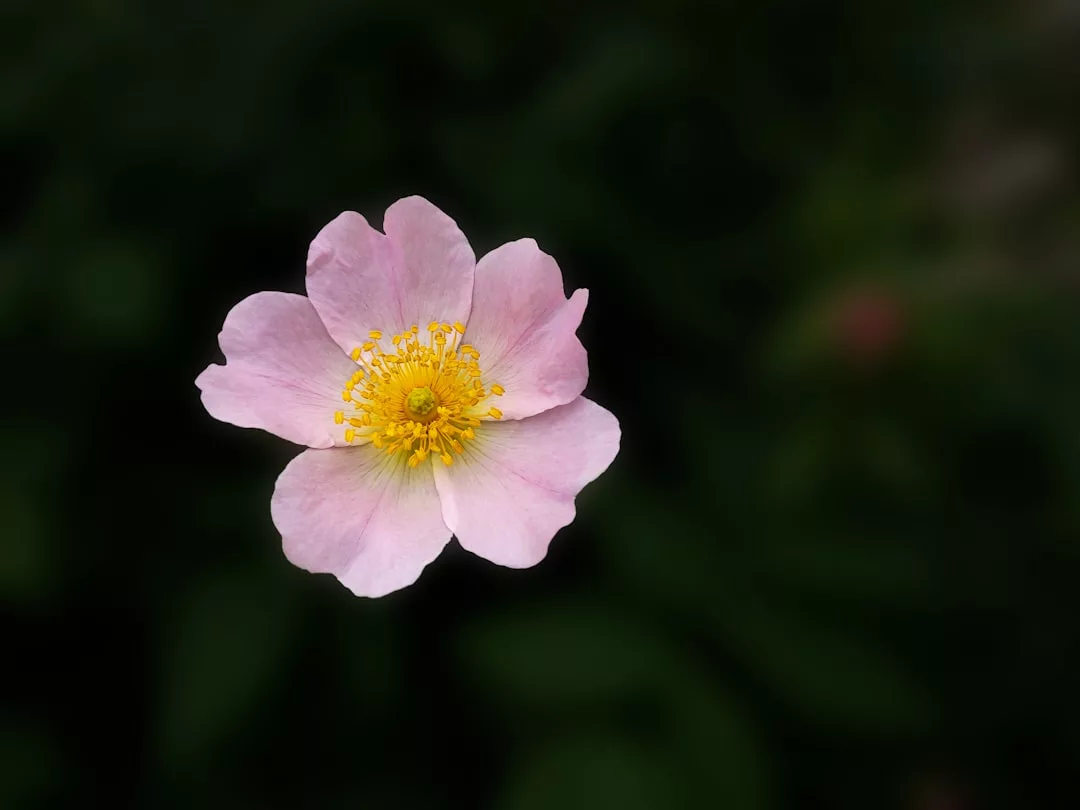
The use of blush can be traced back to ancient civilizations, where it served not only as a cosmetic enhancement but also as a symbol of status and beauty. In ancient Egypt, both men and women adorned their cheeks with various pigments derived from natural sources such as ochre and crushed minerals. These early forms of blush were often applied with the intent of imbuing the wearer with a youthful and vibrant appearance, reflecting the cultural ideals of beauty at the time.
The Egyptians believed that a rosy complexion was indicative of health and vitality, which led to the widespread use of these pigments in their daily lives. As history progressed, the application of blush evolved through different cultures and eras. In ancient Rome, for instance, women used a mixture of red ochre and animal fat to create a more pronounced cheek color.
This practice was not limited to women; Roman men also used blush to enhance their features, reflecting a more fluid approach to beauty standards. The Renaissance period saw a shift in the perception of blush, as pale skin became the epitome of beauty among European aristocrats. Women would often apply lead-based powders to achieve this look, despite the toxic consequences.
The 18th century brought about a resurgence in the use of blush, with the introduction of rouge in various forms, including powders and creams, which were often made from natural ingredients like beetroot and safflower.
Key Takeaways
- Blush has been used since ancient times, with different cultures and eras having their own unique methods and ingredients for creating the perfect rosy glow.
- The science behind blush lies in its ability to enhance facial features by adding color and definition, giving the appearance of a healthy and youthful complexion.
- Choosing the right blush for your skin tone is crucial for achieving a natural and flattering look, with different shades and undertones complementing different skin tones.
- There are different types of blush available, including powder, cream, and liquid formulas, each with their own unique textures and finishes for different skin types and preferences.
- Applying blush requires the right techniques for a natural look, such as blending and placement to enhance cheekbones and add a healthy flush of color to the skin.
The Science Behind Blush: How It Enhances Facial Features
Blush is not merely a cosmetic product; it plays a significant role in the science of facial aesthetics. The application of blush can create an illusion of depth and dimension on the face, enhancing the natural contours and features. When strategically placed on the cheeks, blush can lift the appearance of the face, drawing attention to the cheekbones and creating a more youthful look.
This effect is rooted in the principles of color theory and facial geometry, where warm tones can create a sense of warmth and vitality. Moreover, the psychological impact of color cannot be overlooked.
When blush is applied, it mimics the natural flush that occurs when one is excited or physically active, triggering a subconscious response that can enhance one’s overall appearance. This interplay between color and perception is why blush remains a staple in makeup routines across cultures and generations.
Choosing the Right Blush for Your Skin Tone
Selecting the appropriate blush shade is crucial for achieving a harmonious look that complements one’s natural skin tone. Generally, skin tones are categorized into three main groups: cool, warm, and neutral. Cool-toned individuals typically have pink or blue undertones in their skin and should gravitate towards blush shades with similar hues, such as berry or plum tones.
These colors enhance their natural complexion without clashing against their skin’s undertones. Conversely, those with warm undertones, characterized by yellow or golden hues, should opt for peachy or coral shades that resonate with their skin’s warmth.
For individuals with neutral undertones, which combine elements of both cool and warm tones, a broader range of colors can be explored. Soft pinks, mauves, and even some bronzy shades can work well, allowing for versatility in makeup looks.
The Different Types of Blush: Powder, Cream, and Liquid
Blush comes in various formulations, each offering unique benefits and application techniques. Powder blush is perhaps the most traditional form, known for its ease of use and buildable coverage. It is ideal for those with oily skin types as it helps absorb excess oil while providing a matte finish.
Powder blushes are typically applied with a brush, allowing for precise placement on the cheeks. Cream blushes offer a more dewy finish and are particularly suitable for dry or combination skin types. They blend seamlessly into the skin, providing a natural flush that mimics the look of healthy skin.
Cream blushes can be applied with fingers or a makeup sponge for a more diffused effect. Liquid blushes have gained popularity in recent years due to their lightweight texture and long-lasting formula. They often come in dropper bottles or tubes and can be mixed with foundation or applied directly to the cheeks for a vibrant pop of color.
Applying Blush: Tips and Techniques for a Natural Look
Achieving a natural-looking blush application requires technique and understanding of facial structure. One effective method is to smile gently while applying blush; this helps identify the apples of the cheeks where color should be placed. Starting from this point, it is advisable to blend the product upwards towards the temples rather than applying it directly on the cheekbone.
This technique not only lifts the face visually but also creates a more flattering shape. Another important aspect is to consider the amount of product used. A common mistake is applying too much blush at once, which can lead to an overly dramatic look.
Instead, it is best to start with a small amount and build up gradually until the desired intensity is achieved. Additionally, using tools such as stippling brushes or beauty sponges can help achieve an airbrushed finish that looks seamless against the skin.
The Role of Blush in Makeup: Enhancing Cheekbones and Adding Color
Blush serves as an essential component in makeup artistry, playing a pivotal role in enhancing facial features beyond mere color application. One of its primary functions is to accentuate cheekbones, creating an illusion of structure and definition on the face. By applying blush strategically on the upper part of the cheeks and blending it towards the temples, one can achieve a sculpted look that draws attention to this prominent feature.
Furthermore, blush adds vibrancy to the complexion, counteracting any dullness that may arise from foundation or concealer application. A well-placed blush can revive tired-looking skin by imparting a healthy glow that reflects light beautifully. This effect is particularly important in photography or under bright lights where flat complexions can appear lifeless.
The right shade of blush can transform an entire makeup look by adding warmth and dimension that enhances overall beauty.
Blush as a Confidence Booster: The Psychological Effects of a Rosy Glow
The psychological effects of wearing blush extend beyond aesthetics; they tap into deeper emotional responses associated with color perception. A rosy glow can evoke feelings of warmth, health, and vitality, qualities that are often linked to confidence and self-assurance. When individuals see themselves with a touch of color on their cheeks, it can positively influence their mood and self-image.
Research has shown that wearing makeup can significantly impact how individuals perceive themselves and how they are perceived by others. Blush specifically has been noted for its ability to create an impression of youthfulness and approachability. This perception can lead to increased confidence in social situations, as individuals feel more attractive and engaging when they wear makeup that enhances their natural features.
Blush in Different Cultures: How It Differs Around the World
The application and significance of blush vary widely across cultures, reflecting diverse beauty standards and practices. In Japan, for example, traditional geisha makeup includes a distinctive application of red blush on the cheeks known as “beni.” This practice not only serves an aesthetic purpose but also symbolizes femininity and grace within Japanese culture. In contrast, Western cultures have historically fluctuated between trends favoring either minimalism or boldness in makeup application.
During the Victorian era, for instance, women often avoided visible blush altogether in favor of pale complexions that signified virtue and modesty. However, modern trends have embraced vibrant colors and bold applications as symbols of empowerment and self-expression.
The Evolution of Blush: Trends and Innovations in Blush Products
The evolution of blush has been marked by significant trends and innovations that reflect changing societal norms and technological advancements in cosmetics formulation. In recent years, there has been a notable shift towards clean beauty products that prioritize natural ingredients over synthetic ones. Brands are increasingly focusing on creating blush formulations that are free from harmful chemicals while still delivering high-performance results.
Additionally, advancements in technology have led to innovative delivery systems for blush products. For instance, cushion compacts have gained popularity for their ease of use and ability to provide buildable coverage without looking cakey. Furthermore, brands are now offering customizable palettes where users can mix shades to create their perfect hue, an innovation that caters to individual preferences while promoting creativity in makeup application.
Blush for Different Occasions: Daytime, Evening, and Special Events
The choice of blush can vary significantly depending on the occasion at hand. For daytime wear, many prefer soft pastel shades or subtle peach tones that provide a natural flush without overwhelming the face. These lighter shades complement everyday looks while maintaining an effortless appearance suitable for work or casual outings.
In contrast, evening events often call for bolder applications that stand out under dim lighting conditions. Richer hues like deep rose or berry can add drama to an evening look while enhancing facial features effectively. For special occasions such as weddings or formal events, individuals may opt for long-lasting formulas that withstand hours of wear while still providing that coveted radiant glow.
The Future of Blush: New Formulas and Technologies in Blush Makeup
As the beauty industry continues to evolve rapidly, so too does the future of blush products promise exciting innovations driven by consumer demand for performance and sustainability. Emerging trends indicate a growing interest in multifunctional products that combine skincare benefits with makeup applications, blushes infused with nourishing ingredients like hyaluronic acid or antioxidants are becoming increasingly popular. Moreover, advancements in formulation technology are paving the way for long-wearing products that maintain their vibrancy throughout the day without fading or settling into fine lines.
As consumers become more conscious about ingredient transparency and ethical sourcing practices, brands are likely to respond by developing eco-friendly packaging solutions alongside clean formulations that align with modern values in beauty consumption. In conclusion, blush remains an integral part of makeup artistry across cultures and eras, its rich history intertwined with evolving beauty standards reflects our collective pursuit of self-expression through color and form.
More in
More from Beauty
Beauty · 8 min
Unlocking Radiant Skin with Serum
In the realm of skincare, serums have emerged as a transformative product that can significantly enhance the health and appearance of the skin. Unlike…

Beauty · 9 min
Revitalize Your Skin with Toner: The Ultimate Guide
Toner has long been a staple in many skincare routines, yet its purpose often remains misunderstood. Traditionally, toners were formulated to remove r…
Beauty · 8 min
Shiny and Smooth: The Ultimate Lip Gloss Guide
Lip gloss has long been a staple in the beauty industry, celebrated for its ability to enhance the natural beauty of lips while providing a glossy fin…