Beauty · Beauty
Boost Your Collagen with These Effective Strategies
Collagen is a vital protein that serves as a fundamental building block for various tissues in the human body, including skin, bones, tendons, and ligaments. Comprising about 30% o…
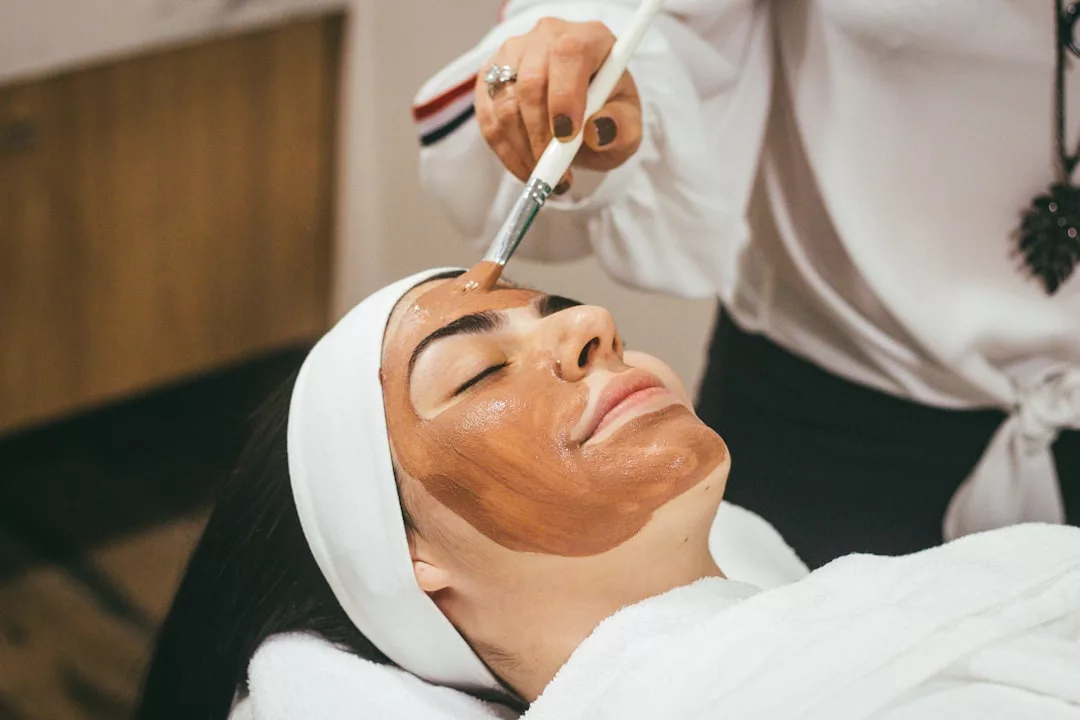
Collagen is a vital protein that serves as a fundamental building block for various tissues in the human body, including skin, bones, tendons, and ligaments. Comprising about 30% of the body’s total protein content, collagen plays a crucial role in maintaining structural integrity and elasticity. It is often referred to as the “glue” that holds the body together, providing strength and support to various organs and systems.
As we age, the natural production of collagen begins to decline, leading to visible signs of aging such as wrinkles, sagging skin, and joint pain. This decline typically starts in our mid-20s and accelerates with age, making it essential to understand how to support collagen levels throughout our lives. The importance of collagen extends beyond aesthetics; it is also critical for overall health.
Collagen contributes to the health of cartilage, which cushions joints and prevents pain and stiffness. Additionally, it plays a role in gut health by supporting the intestinal lining, which can help prevent conditions like leaky gut syndrome. Furthermore, collagen is involved in the healing process of wounds and injuries, as it aids in tissue regeneration.
Given its multifaceted roles in the body, maintaining optimal collagen levels is essential for both physical appearance and overall well-being.
Key Takeaways
- Collagen is a protein that provides structure to the skin, hair, nails, and connective tissues in the body.
- Incorporating collagen-rich foods like bone broth, fish, and chicken into your diet can help support collagen production.
- Collagen supplements can improve skin elasticity, joint health, and muscle mass.
- Staying hydrated is crucial for collagen production as water helps maintain the skin’s moisture and elasticity.
- Sun protection is essential for preventing collagen breakdown and maintaining youthful skin.
Incorporating Collagen-Rich Foods into Your Diet
One of the most effective ways to boost collagen levels naturally is by incorporating collagen-rich foods into your diet. Bone broth is a prime example; it is made by simmering animal bones and connective tissues for an extended period, allowing the collagen to leach into the broth. This nutrient-dense liquid is not only rich in collagen but also contains amino acids like glycine and proline, which are essential for collagen synthesis.
Consuming bone broth regularly can provide a significant boost to your body’s collagen levels while also offering other health benefits such as improved gut health and joint support. In addition to bone broth, certain foods are known to promote collagen production due to their nutrient profiles. For instance, vitamin C is crucial for collagen synthesis, as it helps stabilize the collagen molecule.
Foods high in vitamin C include citrus fruits like oranges and grapefruits, as well as strawberries, kiwi, and bell peppers. Additionally, foods rich in zinc and copper, such as nuts, seeds, and shellfish, can further enhance collagen production. By focusing on a diet that includes these nutrient-dense foods, you can create an environment conducive to collagen synthesis while also enjoying a variety of flavors and textures.
The Benefits of Collagen Supplements
Collagen supplements have gained immense popularity in recent years as a convenient way to support skin health, joint function, and overall vitality. These supplements typically come in the form of powders, capsules, or liquid formulations and are derived from various sources such as bovine, marine, or porcine collagen. One of the primary benefits of collagen supplementation is its ability to improve skin elasticity and hydration. Studies have shown that regular intake of collagen peptides can lead to a noticeable reduction in wrinkles and increased skin moisture levels within just a few weeks. Moreover, collagen supplements may also provide significant benefits for joint health. Research indicates that collagen supplementation can help reduce joint pain associated with conditions like osteoarthritis and may even improve overall joint function.
This is particularly beneficial for athletes or individuals engaged in regular physical activity who may experience wear and tear on their joints. By providing the body with the necessary building blocks for cartilage repair and regeneration, collagen supplements can play a vital role in maintaining an active lifestyle.
The Role of Hydration in Collagen Production
Hydration is often overlooked when discussing factors that influence collagen production; however, it plays a critical role in maintaining skin elasticity and overall health. Water is essential for transporting nutrients throughout the body and helps maintain cellular function. When the body is adequately hydrated, it can better support the processes involved in collagen synthesis.
Dehydration can lead to dry skin, which may exacerbate the appearance of fine lines and wrinkles. Therefore, ensuring proper hydration is not only beneficial for overall health but also crucial for maintaining youthful skin. In addition to drinking sufficient water daily, incorporating hydrating foods into your diet can further enhance your hydration levels.
Fruits and vegetables with high water content, such as cucumbers, watermelon, oranges, and leafy greens, can contribute significantly to your overall fluid intake. These foods not only help keep you hydrated but also provide essential vitamins and minerals that support collagen production. By prioritizing hydration through both beverages and food choices, you can create an optimal environment for collagen synthesis while promoting healthy skin.
The Impact of Sun Protection on Collagen Levels
Sun exposure is one of the leading causes of premature aging and can significantly impact collagen levels in the skin. Ultraviolet (UV) rays from the sun can break down collagen fibers and inhibit its production, leading to a loss of elasticity and firmness over time. This process is known as photoaging and manifests as wrinkles, fine lines, and sagging skin.
To combat these effects, it is essential to incorporate sun protection into your daily skincare routine. Using broad-spectrum sunscreen with an SPF of at least 30 is crucial for protecting your skin from harmful UV rays. Additionally, wearing protective clothing such as hats and long sleeves can further shield your skin from sun damage.
It’s also beneficial to seek shade during peak sun hours and consider using skincare products that contain antioxidants like vitamin C or E, which can help neutralize free radicals generated by UV exposure. By taking proactive measures to protect your skin from the sun’s harmful effects, you can help preserve your collagen levels and maintain a youthful appearance.
The Importance of Regular Exercise for Collagen Production
Regular physical activity not only benefits cardiovascular health but also plays a significant role in supporting collagen production. Exercise increases blood circulation throughout the body, which enhances nutrient delivery to tissues, including those that produce collagen. Improved circulation ensures that essential vitamins and minerals reach the skin and connective tissues more effectively, promoting optimal collagen synthesis.
Moreover, weight-bearing exercises can stimulate the production of collagen in bones and joints by placing stress on these structures. This mechanical load encourages bone remodeling and strengthens connective tissues. Activities such as resistance training or yoga not only improve muscle tone but also contribute to healthier joints by promoting cartilage health through increased collagen production.
By incorporating regular exercise into your routine, you can create a synergistic effect that supports both your physical fitness goals and your body’s natural ability to produce collagen.
How Sleep Affects Collagen Synthesis
Sleep is often referred to as the body’s natural repair mechanism; during deep sleep stages, various restorative processes occur that are vital for overall health, including collagen synthesis. The body produces growth hormone during sleep, which plays a crucial role in tissue growth and repair. This hormone stimulates fibroblasts, cells responsible for producing collagen, thereby enhancing the body’s ability to regenerate skin and connective tissues. Chronic sleep deprivation may result in accelerated aging signs such as fine lines and dull skin due to reduced collagen levels. Prioritizing quality sleep by establishing a consistent sleep schedule and creating a restful environment can significantly benefit your skin’s appearance while supporting overall health.
The Effects of Stress on Collagen Levels
Stress has far-reaching effects on both physical and mental health; one area where it manifests prominently is in its impact on collagen levels. When individuals experience stress, the body releases cortisol as part of the fight-or-flight response. Elevated cortisol levels over prolonged periods can lead to various negative outcomes for skin health, including reduced collagen production and increased breakdown of existing collagen fibers.
Chronic stress may also exacerbate inflammatory conditions such as acne or eczema, further compromising skin integrity. To mitigate these effects on collagen levels, it is essential to adopt stress management techniques such as mindfulness meditation, yoga, or deep-breathing exercises. Engaging in activities that promote relaxation not only helps lower cortisol levels but also creates an environment conducive to healthy collagen production.
Skincare Products and Collagen-Boosting Ingredients
The skincare industry has seen a surge in products claiming to boost collagen levels; however, understanding which ingredients are genuinely effective is crucial for making informed choices. Topical applications containing retinoids are among the most researched ingredients known for their ability to stimulate collagen production. Retinoids promote cell turnover and encourage fibroblast activity, key players in collagen synthesis, resulting in firmer skin over time.
Another powerful ingredient is hyaluronic acid; while it does not directly increase collagen levels, it helps retain moisture within the skin, creating a plump appearance that can minimize the visibility of fine lines and wrinkles. Peptides are also gaining attention for their potential to signal fibroblasts to produce more collagen when applied topically. By selecting skincare products with these scientifically-backed ingredients, individuals can enhance their skincare routines while supporting their body’s natural collagen production.
Professional Treatments for Collagen Enhancement
For those seeking more immediate results or enhanced effects beyond topical products alone, professional treatments offer various options for boosting collagen levels in the skin. One popular method is microneedling, a procedure that involves creating tiny micro-injuries in the skin using fine needles. This process stimulates the body’s natural healing response, leading to increased collagen production over time.
Another effective treatment is laser therapy; specific laser treatments target deeper layers of the skin to promote collagen remodeling without damaging the surface layer. These procedures can significantly improve skin texture and firmness while reducing signs of aging such as wrinkles or sagging skin. Consulting with a qualified dermatologist or licensed practitioner can help determine which professional treatment aligns best with individual goals for enhancing collagen levels.
Lifestyle Changes to Support Collagen Production
Incorporating lifestyle changes can significantly impact your body’s ability to produce collagen effectively. One fundamental change involves adopting a balanced diet rich in nutrients that support collagen synthesis, this includes not only protein sources but also vitamins C and E, zinc, copper, and antioxidants found in fruits and vegetables. Additionally, avoiding smoking and excessive alcohol consumption is crucial; both habits have been linked to accelerated aging processes that compromise skin health by degrading existing collagen fibers.
Prioritizing self-care practices such as regular exercise, adequate hydration, stress management techniques like meditation or yoga sessions will further enhance your body’s natural ability to produce this essential protein. By understanding how various factors influence collagen production, from dietary choices to lifestyle habits, you can take proactive steps toward maintaining healthy levels throughout your life while enjoying vibrant skin and overall well-being.
More in
More from Beauty

Beauty · 8 min
Unlocking Radiant Skin with Serum
In the realm of skincare, serums have emerged as a transformative product that can significantly enhance the health and appearance of the skin. Unlike…

Beauty · 9 min
Revitalize Your Skin with Toner: The Ultimate Guide
Toner has long been a staple in many skincare routines, yet its purpose often remains misunderstood. Traditionally, toners were formulated to remove r…

Beauty · 8 min
Shiny and Smooth: The Ultimate Lip Gloss Guide
Lip gloss has long been a staple in the beauty industry, celebrated for its ability to enhance the natural beauty of lips while providing a glossy fin…