Mallorca · Mallorca
Capturing the Beauty: Mountain Photography Tours in Puig Major
Puig Major, the highest peak in the Serra de Tramuntana mountain range on the island of Mallorca, Spain, stands at an impressive 1,445 meters above sea level. This majestic mountai…
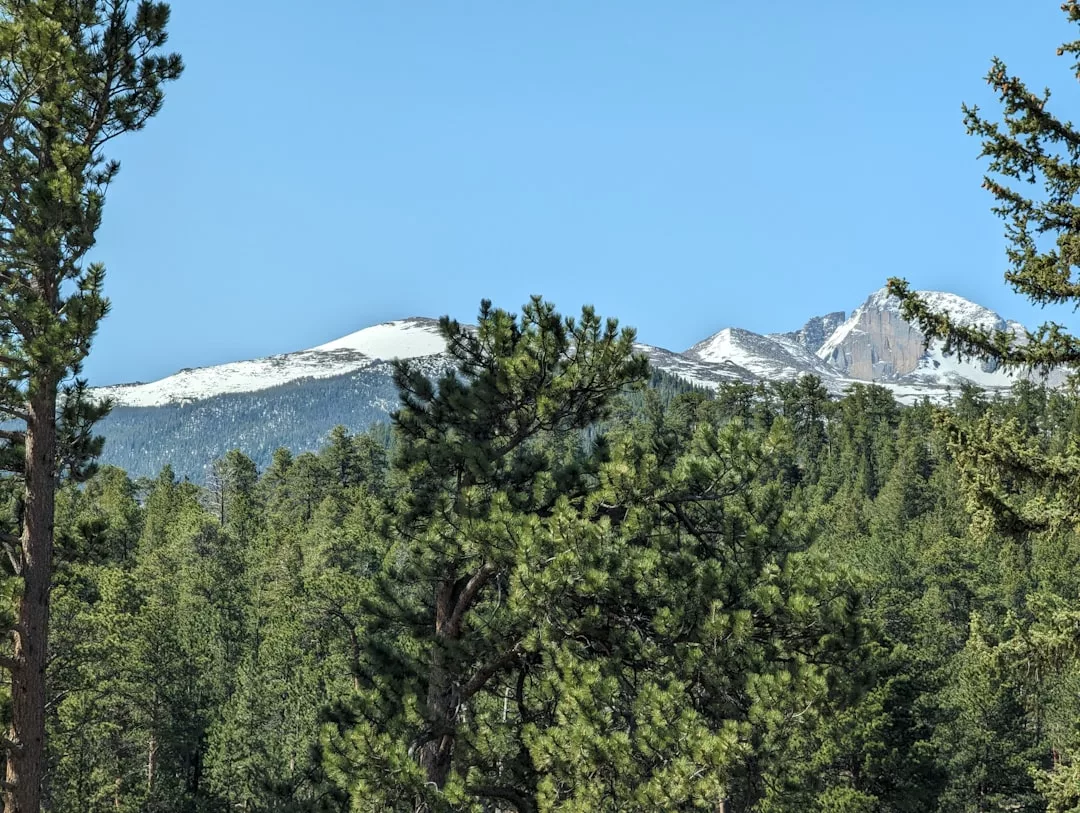
Puig Major, the highest peak in the Serra de Tramuntana mountain range on the island of Mallorca, Spain, stands at an impressive 1,445 meters above sea level. This majestic mountain is not only a geographical landmark but also a cultural and historical symbol of the region. Its rugged terrain, steep cliffs, and breathtaking vistas make it a prime destination for outdoor enthusiasts and photographers alike.
The mountain is enveloped in a rich tapestry of biodiversity, featuring endemic flora and fauna that thrive in its unique microclimate. The allure of Puig Major extends beyond its physical presence; it embodies the spirit of adventure and exploration that draws visitors from around the globe. The mountain’s significance is further amplified by its designation as a UNESCO World Heritage Site, recognized for its cultural landscape and natural beauty.
The surrounding area is dotted with charming villages, ancient stone pathways, and terraced fields that tell the story of human interaction with this stunning environment. For photographers, Puig Major offers an unparalleled canvas, where the interplay of light, shadow, and color creates a dynamic backdrop for capturing the essence of nature. Whether one is an amateur enthusiast or a seasoned professional, the opportunities for stunning imagery are abundant in this picturesque setting.
Key Takeaways
- Puig Major is the highest peak on the Spanish island of Mallorca, offering stunning landscapes and diverse wildlife for mountain photography.
- The appeal of mountain photography lies in capturing the raw beauty and grandeur of nature, as well as the sense of adventure and exploration it evokes.
- The best time for mountain photography tours in Puig Major is during the spring and autumn months, when the weather is mild and the landscapes are vibrant with color.
- Essential gear for mountain photography tours includes a sturdy camera, wide-angle and telephoto lenses, a tripod, and protective clothing for varying weather conditions.
- Finding the perfect vantage points in Puig Major involves scouting locations, considering composition and lighting, and being open to exploring off-the-beaten-path areas for unique perspectives.
The Appeal of Mountain Photography
Mountain photography captivates many due to its ability to convey the grandeur and majesty of nature. The sheer scale of mountains like Puig Major can evoke feelings of awe and wonder, making them ideal subjects for photographers seeking to capture the sublime. The dramatic landscapes, characterized by jagged peaks, deep valleys, and expansive skies, provide a rich visual narrative that can resonate deeply with viewers.
Each photograph taken in such a setting can tell a story of adventure, solitude, or the raw power of nature. Moreover, mountain photography allows for a diverse range of compositions and styles.
The changing weather conditions in mountainous regions can also add an element of unpredictability and excitement to photography sessions. Clouds rolling in, sunlight breaking through after a storm, or mist enveloping the peaks can all create dramatic effects that enhance the visual impact of photographs. This dynamic environment encourages photographers to experiment with their techniques and perspectives, leading to unique and compelling images.
The Best Time for Mountain Photography Tours in Puig Major
Timing is crucial when planning mountain photography tours in Puig Major. The best months for capturing the mountain’s beauty typically span from late spring to early autumn, specifically from May to October. During this period, the weather is generally more stable, with clearer skies and milder temperatures that make for comfortable hiking and shooting conditions.
Late spring brings vibrant wildflowers that blanket the lower slopes, while summer offers lush greenery and expansive views that are perfect for landscape photography. Autumn presents another unique opportunity for photographers as the foliage begins to change color, adding warm hues of orange, red, and gold to the landscape. The soft light during this season can create stunning contrasts against the rugged terrain of Puig Major.
Additionally, early mornings and late afternoons during these months provide the golden hour light that is highly sought after in photography. The low angle of the sun casts long shadows and bathes the landscape in a warm glow, enhancing textures and colors in ways that are simply magical.
Essential Gear for Mountain Photography Tours
When embarking on a mountain photography tour in Puig Major, having the right gear is essential for capturing high-quality images while navigating challenging terrains. A sturdy camera body with good weather sealing is crucial, as mountain environments can be unpredictable. DSLRs or mirrorless cameras with interchangeable lenses offer versatility; a wide-angle lens is particularly useful for capturing expansive landscapes, while a telephoto lens can help isolate distant subjects or wildlife.
In addition to the camera body and lenses, a sturdy tripod is indispensable for long exposure shots or when shooting in low-light conditions. A lightweight model is preferable for hiking purposes, allowing photographers to stabilize their shots without adding excessive weight to their packs. Filters such as polarizers can enhance colors and reduce glare from reflective surfaces like water or wet rocks, while neutral density filters allow for longer exposures even in bright conditions.
Extra batteries and memory cards are also vital; cold temperatures at higher elevations can drain batteries quickly, so having spares ensures that photographers won’t miss any opportunities.
Finding the Perfect Vantage Points
Identifying optimal vantage points is key to creating compelling mountain photographs. In Puig Major, several established trails lead to breathtaking viewpoints that showcase the mountain’s grandeur from various angles. Researching these trails beforehand can save time and energy during the actual photography tour.
Popular spots include viewpoints along the GR221 hiking trail, which winds through the Serra de Tramuntana and offers numerous opportunities for stunning compositions. Exploring lesser-known paths can also yield unique perspectives that set one’s work apart from typical tourist shots. Engaging with local guides or fellow photographers can provide insights into hidden gems that may not be widely documented.
Additionally, scouting locations during different times of day can reveal how light interacts with the landscape at various angles, allowing photographers to plan their shots more effectively. Patience is often rewarded; waiting for the right moment when clouds shift or light changes can transform an ordinary scene into something extraordinary.
Techniques for Capturing the Beauty of Puig Major
To effectively capture the beauty of Puig Major, photographers should employ various techniques that enhance their images’ visual appeal. One fundamental technique is understanding composition principles such as the rule of thirds, leading lines, and framing. Placing key elements along imaginary grid lines or using natural features like paths or rivers to guide the viewer’s eye can create more engaging photographs.
Long exposure photography is another technique that can yield stunning results in mountainous settings. By using slower shutter speeds, photographers can capture movement in clouds or water, creating a sense of dynamism within still landscapes. This technique works particularly well during twilight hours when soft light enhances colors and textures.
Additionally, experimenting with depth of field can help isolate subjects against a blurred background or create expansive scenes where both foreground and background are sharp.
Wildlife Photography Opportunities in Puig Major
Puig Major is not only a haven for landscape photography but also offers rich opportunities for wildlife photography. The diverse ecosystems surrounding the mountain support various species, including birds of prey like eagles and falcons, as well as smaller mammals such as rabbits and foxes. Birdwatchers will find ample opportunities to capture images of these majestic creatures soaring against the backdrop of the mountains.
To increase chances of spotting wildlife, photographers should adopt a patient approach and remain quiet while observing their surroundings. Early mornings or late afternoons are often the best times to encounter active wildlife as they forage for food or engage in social behaviors. Utilizing telephoto lenses allows photographers to capture intimate moments without disturbing animals in their natural habitats.
Understanding animal behavior can also enhance wildlife photography; knowing when certain species are most active or where they tend to congregate can lead to more successful encounters.
The Role of Light in Mountain Photography
Light plays a pivotal role in mountain photography, influencing mood, texture, and color within images. The quality of light changes throughout the day; during sunrise and sunset, known as golden hours, soft warm tones illuminate landscapes beautifully. This time is ideal for capturing dramatic shadows and highlights that add depth to photographs.
In contrast, midday light can be harsh and unflattering; however, it can also be used creatively by incorporating elements like clouds or using filters to soften contrasts. Overcast days provide diffused light that reduces harsh shadows and allows for more even exposure across scenes, ideal for capturing intricate details in foliage or rock formations without glare. Understanding how different lighting conditions affect compositions enables photographers to adapt their techniques accordingly and maximize their creative potential.
Editing and Post-Processing Tips for Mountain Photography
Post-processing is an integral part of modern photography that allows artists to refine their images further after capturing them in-camera. Software like Adobe Lightroom or Photoshop provides tools for adjusting exposure, contrast, saturation, and sharpness, essential for enhancing mountain landscapes where details matter significantly. Cropping can also help improve composition by removing distractions from the frame or emphasizing key elements. Techniques such as graduated filters can help balance exposure between bright skies and darker foregrounds without compromising image quality. Additionally, sharpening techniques should be applied judiciously; over-sharpening can lead to unnatural artifacts that detract from an image’s overall appeal.
Preserving the Environment while Capturing its Beauty
As photographers venture into natural spaces like Puig Major, it becomes imperative to practice responsible photography that prioritizes environmental preservation. Adhering to Leave No Trace principles ensures minimal impact on delicate ecosystems; this includes staying on marked trails to avoid trampling vegetation and wildlife habitats. Additionally, being mindful of noise levels helps maintain tranquility within these natural settings, disturbing wildlife or other visitors can disrupt their experience and harm local fauna.
Photographers should also consider using eco-friendly gear whenever possible; opting for sustainable materials or supporting brands committed to environmental stewardship contributes positively to conservation efforts.
The Rewards of Mountain Photography in Puig Major
Engaging in mountain photography at Puig Major offers not only artistic fulfillment but also an opportunity to connect deeply with nature’s beauty. The combination of stunning landscapes, diverse wildlife, and ever-changing light creates an environment ripe for creativity and exploration. Each photograph captured serves as a testament to both personal experiences and the breathtaking allure of this iconic peak.
Through careful planning, respect for nature, and a willingness to experiment with techniques and perspectives, photographers can create compelling images that resonate with viewers long after they leave this remarkable location. Ultimately, mountain photography in Puig Major becomes more than just capturing images; it transforms into an immersive journey that celebrates both artistry and environmental appreciation.
More in
More from Mallorca

Mallorca · 8 min
Premium Real Estate Advisory for Palma Property Purchases
In the complex world of real estate, having a knowledgeable advisor can make a significant difference in the buying or selling process. Real estate ad…
Mallorca · 7 min
Discover the Hiking Pilgrimage to Lluc Monastery
The significance of Lluc Monastery extends beyond its religious importance; it has played a crucial role in preserving Mallorcan culture and tradition…
Mallorca · 8 min
Exclusive Sunset Visits to Caves Del Hams in Porto Cristo
Nestled on the eastern coast of Mallorca, the Caves Del Hams are a breathtaking natural wonder that draws visitors from around the globe. Located near…