Travel · Travel
Capturing the World: Photography Tour
Embarking on a photography tour is an exhilarating experience that combines travel, exploration, and the art of capturing moments through a lens. These tours are designed for photo…
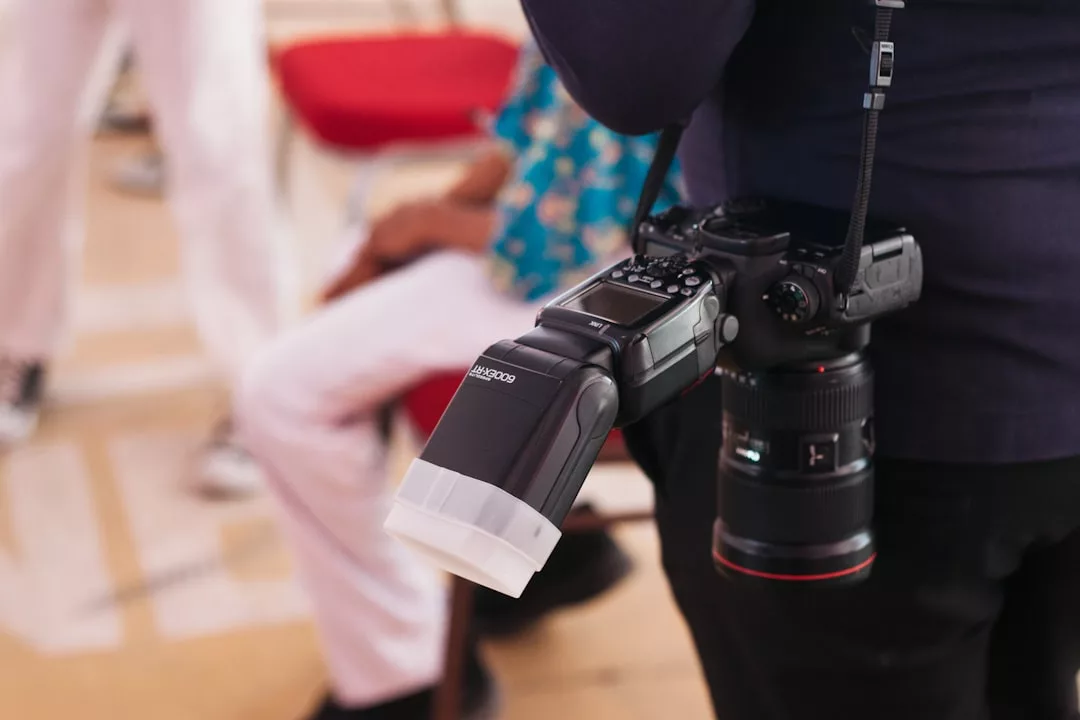
Embarking on a photography tour is an exhilarating experience that combines travel, exploration, and the art of capturing moments through a lens. These tours are designed for photographers of all skill levels, from enthusiastic amateurs to seasoned professionals, providing a unique opportunity to immerse oneself in diverse environments while honing photographic skills. Whether traversing the rugged landscapes of national parks, wandering through vibrant city streets, or engaging with local cultures, a photography tour offers a structured yet flexible framework for learning and creativity.
The essence of a photography tour lies not only in the picturesque locations but also in the camaraderie formed among participants who share a passion for photography. Guided by experienced instructors or local experts, participants receive valuable insights into the nuances of capturing compelling images. The combination of hands-on practice, expert guidance, and the thrill of discovery makes photography tours an enriching experience that can significantly enhance one’s photographic abilities.
Key Takeaways
- Photography tours offer a unique opportunity to explore new destinations while improving your photography skills.
- Choosing the right gear for the tour is essential for capturing high-quality images in various settings and lighting conditions.
- Understanding composition and lighting is crucial for creating visually appealing and impactful photographs.
- Tips for capturing landscapes and cityscapes include scouting locations, using the golden hour, and experimenting with different perspectives.
- Techniques for photographing people and portraits involve building rapport, using natural light, and paying attention to details.
Choosing the Right Gear for the Tour
Selecting the appropriate gear for a photography tour is crucial to ensure that you can capture the best possible images while remaining comfortable and mobile. The choice of camera can vary widely depending on personal preference and the specific focus of the tour. Many photographers opt for DSLRs or mirrorless cameras due to their versatility and superior image quality.
These cameras allow for interchangeable lenses, which can be particularly beneficial when photographing a variety of subjects, from sweeping landscapes to intricate details in urban settings. In addition to the camera body, lens selection plays a pivotal role in determining the quality of your photographs. A wide-angle lens is essential for capturing expansive landscapes, while a telephoto lens can be invaluable for isolating subjects in crowded environments or photographing wildlife from a distance.
Furthermore, accessories such as tripods, filters, and extra batteries should not be overlooked. A sturdy tripod is indispensable for long exposure shots, especially in low-light conditions, while polarizing filters can enhance colors and reduce glare in bright environments. Ultimately, the right gear should align with your photographic goals and comfort level, allowing you to focus on creativity rather than technical limitations.
Understanding Composition and Lighting
Mastering composition and lighting is fundamental to creating striking photographs that resonate with viewers. Composition refers to how elements within a frame are arranged, and understanding various compositional techniques can elevate your photography from ordinary to extraordinary. The rule of thirds is a classic guideline that suggests dividing the frame into nine equal parts using two horizontal and two vertical lines.
Placing key elements along these lines or at their intersections can create a more balanced and engaging image. Lighting is equally critical in photography, as it can dramatically alter the mood and tone of an image. Natural light varies throughout the day, with the golden hour, shortly after sunrise and before sunset, offering soft, warm tones that are particularly flattering for landscapes and portraits alike.
Conversely, harsh midday sunlight can create stark shadows and overly bright highlights, which may detract from the overall quality of your photographs. Understanding how to manipulate light, whether through adjusting exposure settings or utilizing reflectors and diffusers, can significantly enhance your ability to capture stunning images.
Tips for Capturing Landscapes and Cityscapes
When it comes to photographing landscapes and cityscapes, several techniques can help you create captivating images that tell a story about the environment. One effective approach is to incorporate foreground elements into your compositions. By including interesting objects such as rocks, flowers, or architectural features in the foreground, you can add depth and context to your images, drawing viewers into the scene.
This technique encourages exploration within the frame and creates a sense of scale that enhances the overall impact of the photograph. Another important aspect of landscape and cityscape photography is timing. The quality of light changes throughout the day, influencing how colors and textures are perceived in your images.
Early morning or late afternoon light often casts long shadows and bathes scenes in warm hues, making these times ideal for capturing dramatic landscapes. Additionally, consider experimenting with long exposure techniques when photographing cityscapes at night. By using a tripod and slower shutter speeds, you can create stunning images that capture the movement of traffic lights or the soft glow of city lights against a dark sky.
Techniques for Photographing People and Portraits
Photographing people presents unique challenges and opportunities that require a different set of skills compared to landscape photography. One key technique is establishing rapport with your subjects. Whether you are photographing locals during your travels or capturing candid moments in bustling markets, taking the time to engage with people can lead to more authentic and expressive portraits.
A friendly smile or a simple conversation can help put your subjects at ease, resulting in more natural expressions and poses. In terms of technical considerations, understanding how to manipulate depth of field is essential for portrait photography. A shallow depth of field can beautifully isolate your subject from the background, creating a pleasing bokeh effect that draws attention to their features.
This can be achieved by using a wide aperture setting on your lens. Additionally, pay attention to lighting when photographing people; soft, diffused light, such as that found in shaded areas or during overcast days, can be particularly flattering for skin tones and help avoid harsh shadows.
Capturing Wildlife and Nature
Wildlife photography requires patience, skill, and an understanding of animal behavior to capture compelling images that showcase the beauty of nature. One effective strategy is to research the specific wildlife you hope to photograph before embarking on your tour. Understanding their habits, habitats, and peak activity times can significantly increase your chances of encountering them in their natural environment.
For instance, many animals are most active during dawn or dusk, so planning your outings around these times can yield better results. When photographing wildlife, it’s essential to maintain a respectful distance to avoid disturbing animals while still capturing detailed images. A telephoto lens is invaluable in this regard, allowing you to zoom in on subjects without intruding on their space.
Additionally, employing techniques such as burst mode can help you capture fast-moving animals in action. This feature allows you to take multiple shots in quick succession, increasing the likelihood of getting that perfect moment frozen in time.
Utilizing Different Camera Angles and Perspectives
Exploring various camera angles and perspectives can dramatically alter the narrative conveyed by your photographs. Instead of always shooting from eye level, a common approach, experimenting with low or high angles can provide fresh viewpoints that make your images more dynamic.
Additionally, consider incorporating leading lines into your compositions by positioning yourself at different angles relative to roads, rivers, or architectural features. These lines guide the viewer’s eye through the image and create a sense of depth and movement. By varying your perspective and experimenting with unconventional angles, you can transform ordinary scenes into extraordinary photographs that captivate viewers.
Editing and Enhancing Your Photos
Post-processing is an integral part of modern photography that allows you to refine your images and bring out their full potential. Familiarizing yourself with editing software such as Adobe Lightroom or Photoshop can significantly enhance your workflow and creative possibilities. Basic adjustments like cropping, exposure correction, and color balancing are essential steps in ensuring that your photographs accurately reflect your vision.
Beyond basic edits, consider exploring advanced techniques such as dodging and burning to selectively lighten or darken areas within an image. This technique can add depth and dimension to your photographs by emphasizing highlights or shadows where needed. Additionally, utilizing presets or filters can streamline your editing process while maintaining a consistent aesthetic across your portfolio.
However, it’s important to strike a balance; over-editing can lead to unnatural results that detract from the authenticity of your images.
Exploring Cultural and Historical Photography
Cultural and historical photography offers a unique opportunity to document the stories and traditions of diverse communities around the world. When engaging in this type of photography during a tour, it’s essential to approach subjects with sensitivity and respect for their customs and beliefs. Taking time to learn about local traditions before photographing people or events can foster trust and lead to more meaningful interactions.
Capturing cultural events such as festivals or ceremonies requires careful planning and an understanding of timing. Arriving early allows you to scout locations and identify potential vantage points for capturing key moments without being intrusive. Additionally, consider using storytelling techniques within your compositions by including contextual elements that convey the essence of the culture being represented, such as traditional attire or local architecture, to create richer narratives within your photographs.
Creating a Photography Portfolio from the Tour
As you embark on your photography tour, consider curating a portfolio that showcases your best work from the experience. A well-organized portfolio not only highlights your growth as a photographer but also serves as a powerful tool for sharing your journey with others. Begin by selecting images that resonate with you personally, those that evoke emotion or tell a compelling story, and aim for variety in subject matter to demonstrate your versatility.
When presenting your portfolio, consider creating thematic sections based on different aspects of your tour, such as landscapes, portraits, wildlife, or cultural experiences, to provide viewers with a cohesive narrative flow. Additionally, pay attention to presentation; whether sharing online or in print form, ensure that each image is displayed at its best quality with appropriate captions that provide context for viewers. A thoughtfully curated portfolio not only showcases your skills but also reflects your unique perspective as an artist.
The Impact of the Photography Tour on Your Skills
Participating in a photography tour has profound implications for personal growth as both an artist and an individual. The immersive experience fosters not only technical skills but also enhances creativity through exposure to new environments and cultures. Engaging with fellow photographers provides opportunities for collaboration and feedback that can inspire new ideas and approaches to photography.
Moreover, stepping outside one’s comfort zone during these tours encourages experimentation with different styles and techniques that may not have been previously explored. The combination of hands-on learning from experienced guides alongside real-world practice allows participants to refine their skills in ways that traditional classroom settings may not offer. Ultimately, the impact of a photography tour extends far beyond improved technical abilities; it cultivates a deeper appreciation for storytelling through imagery while fostering connections with people and places around the globe.
More in
More from Travel

Travel · 9 min
Exploring the Ultimate Culinary Experience
The ultimate culinary experience transcends mere sustenance; it is an intricate tapestry woven from flavors, aromas, textures, and visual appeal. This…
Travel · 11 min
Exploring the Best of Paris: A 3-Day Itinerary
The first day in Paris is often a whirlwind of excitement and discovery, as travelers set out to explore the city’s most iconic landmarks. Starting at…
Travel · 8 min
Mastering the Art of Skiing: Tips for Perfecting Your Technique
Selecting the appropriate skiing equipment is a fundamental step for both beginners and seasoned skiers alike. The right gear not only enhances perfor…