Travel · Travel
Conquering New Heights: The Thrill of Mountaineering
Mountaineering has captivated the human spirit for centuries, drawing adventurers to the world’s highest peaks with an irresistible allure. The majestic beauty of towering mo…
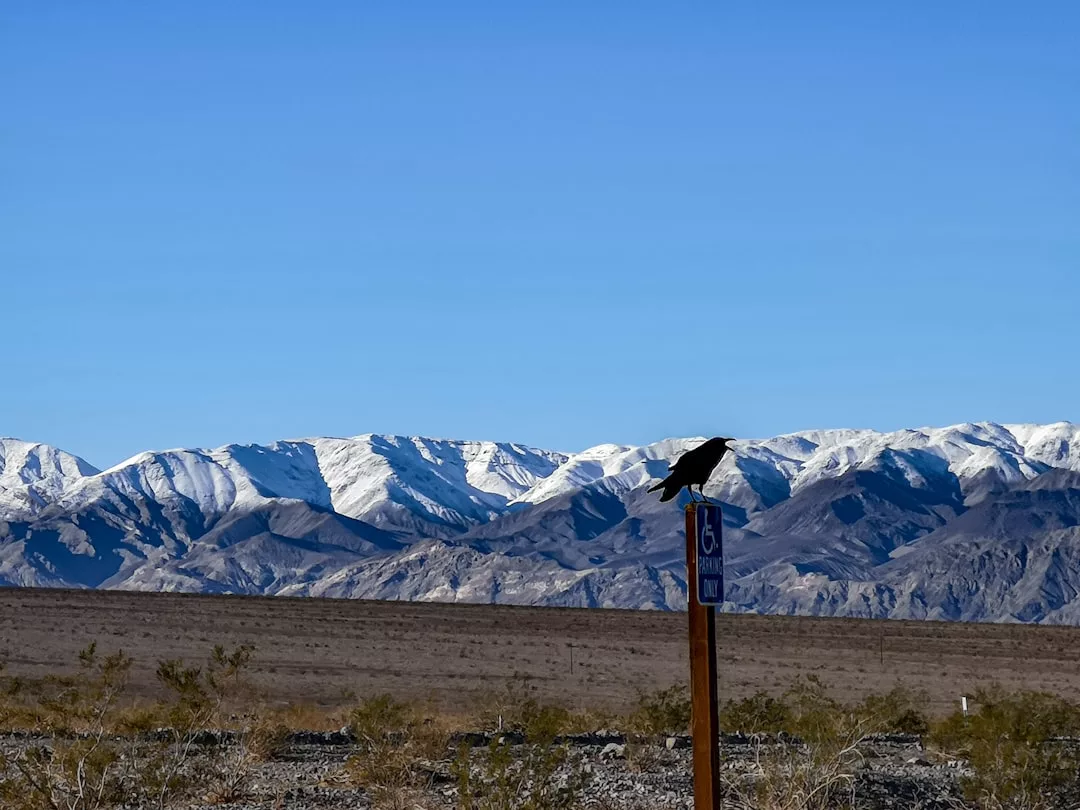
Mountaineering has captivated the human spirit for centuries, drawing adventurers to the world’s highest peaks with an irresistible allure. The majestic beauty of towering mountains, often shrouded in clouds and mystery, beckons climbers from all walks of life. From the snow-capped summits of the Himalayas to the rugged terrain of the Andes, these natural wonders offer not just breathtaking vistas but also a profound connection to nature.
The thrill of standing atop a mountain, gazing down at the world below, is an experience that transcends the ordinary, igniting a sense of wonder and exploration that is deeply ingrained in the human psyche. The challenge of conquering these formidable giants is not merely physical; it is also a journey of self-discovery. Each ascent presents unique obstacles, from unpredictable weather conditions to treacherous terrain, demanding resilience and determination.
The allure lies not only in the destination but also in the journey itself, the camaraderie forged with fellow climbers, the quiet moments of reflection amidst the vastness of nature, and the personal growth that comes from pushing one’s limits. As climbers navigate their way through icy crevasses and steep rock faces, they often find themselves transformed by the experience, gaining insights into their own capabilities and the world around them.
Key Takeaways
- Mountaineering offers the opportunity to explore the world’s highest peaks and experience breathtaking views.
- Mountaineering presents both physical and mental challenges that test one’s strength, endurance, and resilience.
- Essential gear and equipment, such as ropes, harnesses, and crampons, are crucial for a successful climb.
- Training and preparation, including physical conditioning and technical skills, are essential for a safe and successful mountaineering expedition.
- Understanding the risks and safety measures, such as avalanche awareness and first aid training, is crucial for a safe climb.
The physical and mental challenges of mountaineering
Mountaineering is a rigorous endeavor that tests both physical endurance and mental fortitude. The physical challenges are manifold; climbers must contend with altitude sickness, extreme temperatures, and the sheer physical exertion required to ascend steep slopes. As altitude increases, the air becomes thinner, making each breath a laborious task.
This physiological response can lead to symptoms ranging from headaches to nausea, compelling climbers to acclimatize gradually to avoid serious health risks. Training for such conditions often involves cardiovascular workouts, strength training, and endurance exercises to prepare the body for the demands of high-altitude climbing. Equally significant are the mental challenges that mountaineers face.
The psychological strain of navigating perilous routes can be daunting, as climbers must maintain focus and composure in high-stress situations. Fear can be a constant companion on the mountain; whether it’s the fear of falling, getting lost, or facing sudden weather changes, managing these emotions is crucial for success. Mental resilience becomes a key asset, as climbers learn to push through discomfort and self-doubt.
Techniques such as visualization, mindfulness, and positive self-talk can help climbers maintain their composure and stay motivated throughout their journey.
Essential gear and equipment for a successful climb
The right gear is paramount in mountaineering, as it can mean the difference between a successful ascent and a dangerous situation. Essential equipment includes climbing harnesses, ropes, carabiners, and ice axes, tools that are designed to provide safety and support on challenging terrains. A well-fitted harness allows climbers to secure themselves while navigating vertical faces or traversing icy slopes.
Ropes are critical for belaying partners and creating safety systems that prevent falls. Ice axes serve multiple purposes: they provide stability on steep inclines and can be used for self-arrest in case of slips. In addition to climbing gear, appropriate clothing is vital for protection against harsh weather conditions.
Layering is a common strategy among mountaineers; base layers wick moisture away from the skin, insulating layers trap heat, and outer shells shield against wind and precipitation. Footwear is another crucial consideration; mountaineering boots must offer both support and traction on varied surfaces. Gaiters can protect against snow and debris entering boots, while crampons provide additional grip on icy terrain.
Each piece of equipment plays a specific role in ensuring safety and enhancing performance during climbs.
Training and preparation for a mountaineering expedition
Preparation for a mountaineering expedition begins long before setting foot on the mountain. A comprehensive training regimen is essential to build the necessary strength, endurance, and technical skills required for high-altitude climbing. Many climbers engage in a mix of aerobic exercises, such as running, cycling, or swimming, to enhance cardiovascular fitness.
Strength training focuses on core stability and leg strength, which are crucial for maintaining balance and power during ascents. In addition to physical training, technical skills must be honed through practice. This includes learning how to use climbing gear effectively, mastering rope techniques, and understanding navigation skills in mountainous terrain.
Many climbers participate in workshops or courses led by experienced instructors to gain hands-on experience in various climbing techniques. Furthermore, mental preparation is equally important; visualizing successful climbs and developing strategies for coping with challenges can bolster confidence when faced with adversity on the mountain.
Understanding the risks and safety measures in mountaineering
Mountaineering inherently involves risks that climbers must acknowledge and prepare for before embarking on their journeys. Weather conditions can change rapidly in mountainous regions, leading to dangerous situations such as avalanches or storms. Understanding these risks requires thorough research into local weather patterns and terrain conditions prior to an expedition.
Climbers often consult weather forecasts and seek advice from local guides who possess intimate knowledge of the area. Safety measures are critical in mitigating risks during climbs. Establishing clear communication protocols among team members ensures that everyone is aware of their roles and responsibilities throughout the ascent.
Regularly checking equipment for wear and tear can prevent malfunctions during critical moments. Developing contingency plans for emergencies, such as injury or sudden weather changes, can significantly enhance safety during expeditions.
The environmental impact of mountaineering and responsible practices
As more adventurers flock to popular climbing destinations, the environmental impact of mountaineering has become a pressing concern. Increased foot traffic can lead to soil erosion, damage to fragile ecosystems, and littering in pristine areas. Popular peaks like Mount Everest have seen significant waste accumulation due to climbers leaving behind trash or human waste.
This not only detracts from the natural beauty of these locations but also poses serious ecological threats. To combat these issues, responsible mountaineering practices are essential. Climbers are encouraged to follow Leave No Trace principles, which advocate for minimizing human impact on the environment. Additionally, many organizations promote sustainable climbing practices by educating climbers about environmental stewardship and encouraging participation in clean-up initiatives at popular climbing sites.
The camaraderie and teamwork involved in mountaineering
Mountaineering is often described as a solitary pursuit; however, it is fundamentally a team-oriented activity that thrives on camaraderie and collaboration among climbers. The bonds formed during shared experiences on the mountain can be profound, as individuals rely on one another for support, motivation, and safety. Trust is paramount; climbers must have confidence in their partners’ abilities to navigate challenging terrain and respond effectively in emergencies.
Team dynamics play a crucial role in successful expeditions. Effective communication fosters a sense of unity among team members, allowing them to share insights about their physical condition or concerns regarding safety. Celebrating small victories together, such as reaching a particular waypoint or overcoming a difficult section, can enhance morale and strengthen relationships within the group.
The shared challenges faced during climbs often lead to lasting friendships that extend beyond the mountains.
Overcoming fear and pushing personal limits in the mountains
Fear is an intrinsic part of mountaineering; it can manifest as anxiety about heights, concerns over safety, or apprehension about one’s abilities. However, confronting these fears is often a transformative aspect of the climbing experience. Many climbers find that facing their fears head-on allows them to grow personally and develop greater self-confidence.
Techniques such as gradual exposure, where climbers incrementally tackle more challenging routes, can help desensitize them to fear while building competence. Pushing personal limits is another vital component of mountaineering that fosters growth. Climbers often set ambitious goals for themselves, whether it’s summiting a challenging peak or improving their technical skills, and work diligently towards achieving them.
This pursuit requires not only physical training but also mental resilience as climbers navigate setbacks or failures along the way. Each challenge overcome serves as a testament to their determination and ability to rise above obstacles.
The rewards of reaching the summit: A sense of achievement and fulfillment
The moment of reaching a summit is often described as euphoric, a culmination of hard work, perseverance, and dedication that brings an overwhelming sense of achievement. Standing atop a mountain provides climbers with a unique perspective on their journey; it serves as a reminder of their capabilities and resilience in overcoming challenges both on the mountain and in life. The breathtaking views from high altitudes offer not just visual splendor but also an emotional release, a moment where all struggles fade away in the face of nature’s grandeur.
Beyond personal achievement, summiting can also foster a sense of connection with others who share similar passions for adventure and exploration. Celebrating this milestone with fellow climbers creates lasting memories that deepen bonds forged through shared experiences on the mountain. The fulfillment derived from reaching new heights often inspires climbers to pursue further adventures, each summit serving as motivation for future explorations into uncharted territories.
Mountaineering as a spiritual and transformative experience
For many climbers, mountaineering transcends physical achievement; it becomes a deeply spiritual journey that fosters introspection and personal growth. The solitude found in remote mountain ranges allows individuals to reflect on their lives away from daily distractions, a chance to reconnect with themselves amidst nature’s grandeur. The act of climbing often evokes feelings of humility as climbers confront their own limitations against the vastness of the mountains.
This transformative experience can lead to profound insights about life’s purpose and priorities. Many climbers report feeling a renewed sense of clarity after spending time in nature, an understanding that extends beyond mere physical accomplishment into realms of emotional healing and self-discovery. The mountains become not just destinations but sacred spaces where individuals can explore their inner landscapes while forging connections with something greater than themselves.
The future of mountaineering: Exploring new frontiers and preserving the world’s natural wonders
As interest in mountaineering continues to grow globally, so too does the responsibility to preserve these natural wonders for future generations. New frontiers are being explored as climbers seek out less-traveled routes and remote peaks that offer unique challenges away from crowded tourist destinations. This shift towards exploration emphasizes not only adventure but also conservation efforts aimed at protecting fragile ecosystems from overexploitation.
Innovative approaches are emerging within the mountaineering community focused on sustainability, such as eco-friendly gear production or initiatives aimed at reducing carbon footprints during expeditions. Collaborations between climbers, environmental organizations, and local communities are essential in promoting responsible practices that safeguard both cultural heritage sites and natural landscapes alike. The future of mountaineering lies not only in conquering new heights but also in fostering stewardship over our planet’s most precious resources, ensuring that these awe-inspiring landscapes remain intact for generations yet unborn to experience their beauty firsthand.
More in
More from Travel

Travel · 9 min
Exploring the Ultimate Culinary Experience
The ultimate culinary experience transcends mere sustenance; it is an intricate tapestry woven from flavors, aromas, textures, and visual appeal. This…

Travel · 11 min
Exploring the Best of Paris: A 3-Day Itinerary
The first day in Paris is often a whirlwind of excitement and discovery, as travelers set out to explore the city’s most iconic landmarks. Starting at…
Travel · 8 min
Mastering the Art of Skiing: Tips for Perfecting Your Technique
Selecting the appropriate skiing equipment is a fundamental step for both beginners and seasoned skiers alike. The right gear not only enhances perfor…