Mallorca · Mallorca
Craft Your Signature Scent: Santa Catalina’s Perfumeries Offer Personalized Workshops
Perfumery is often regarded as a delicate art form, one that intertwines creativity with chemistry, emotion with memory. The world of scents is vast and intricate, encompassing a m…
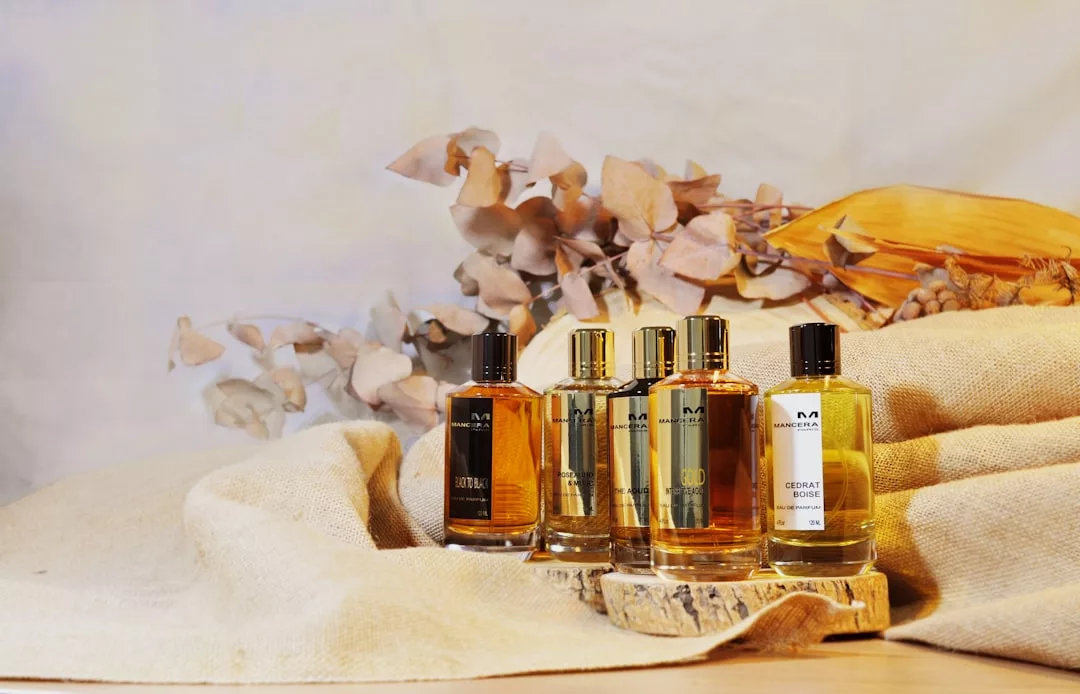
Perfumery is often regarded as a delicate art form, one that intertwines creativity with chemistry, emotion with memory. The world of scents is vast and intricate, encompassing a myriad of aromas that can evoke powerful feelings and transport individuals to different times and places. At its core, perfumery is about the careful selection and blending of various aromatic compounds to create a harmonious fragrance.
This process requires not only an understanding of the raw materials but also an appreciation for the subtleties of scent perception. Each note in a perfume can tell a story, and the way these notes interact can create a complex narrative that resonates with the wearer. The history of perfumery dates back thousands of years, with ancient civilizations such as the Egyptians, Greeks, and Romans using fragrances in religious rituals, personal adornment, and even medicinal practices.
The art has evolved significantly over time, influenced by cultural shifts, technological advancements, and changing tastes. Today, perfumers, often referred to as “noses”, are trained in both the science of scent and the artistry of blending. They draw upon a vast palette of natural and synthetic ingredients to craft unique fragrances that cater to diverse preferences.
The journey into the world of perfumery is not just about creating a pleasant aroma; it is about understanding the emotional connections that scents can forge and the memories they can evoke.
Key Takeaways
- The art of perfumery is a fascinating world of scents that allows individuals to explore and create unique fragrances.
- Santa Catalina’s Perfumeries offer a haven for fragrance enthusiasts to discover and experience a wide range of perfumes and essential oils.
- Personalized perfume workshops provide the opportunity for individuals to craft their own signature scent, tailored to their preferences and personality.
- Essential oils and ingredients play a crucial role in perfume making, contributing to the overall fragrance and character of the scent.
- Understanding fragrance families is essential for choosing the right notes and creating a harmonious and balanced scent that resonates with the individual.
Santa Catalina’s Perfumeries: A Haven for Fragrance Enthusiasts
Nestled in the heart of Santa Catalina lies a treasure trove for fragrance enthusiasts: its renowned perfumeries. This vibrant locale has become a pilgrimage site for those who appreciate the nuances of scent. The perfumeries here are not merely shops; they are immersive experiences where visitors can explore the rich tapestry of aromas that define this region.
Each establishment boasts its own unique character, showcasing local ingredients and traditional techniques that have been passed down through generations. The air is often filled with an intoxicating blend of floral, woody, and spicy notes, inviting patrons to embark on a sensory journey. One standout feature of Santa Catalina’s perfumeries is their commitment to artisanal craftsmanship.
Many of these establishments pride themselves on sourcing ingredients from local farmers and distillers, ensuring that each fragrance reflects the essence of the region. Visitors can witness firsthand the meticulous process of perfume creation, from the extraction of essential oils to the final blending stages. This transparency not only enhances appreciation for the craft but also fosters a deeper connection between consumers and the products they choose.
For those seeking a truly unique experience, Santa Catalina’s perfumeries offer bespoke services where individuals can collaborate with skilled perfumers to create personalized fragrances that resonate with their individual identities.
Personalized Perfume Workshops: Crafting Your Own Signature Scent
In recent years, personalized perfume workshops have gained popularity as a means for individuals to delve deeper into the art of scent creation. These workshops provide an opportunity for participants to engage in hands-on experiences where they can learn about fragrance composition while crafting their own signature scents. Guided by experienced perfumers, attendees are introduced to a variety of essential oils and fragrance notes, allowing them to experiment with different combinations and discover what resonates with their personal style.
The process typically begins with an exploration of fragrance families, citrus, floral, oriental, woody, and more, enabling participants to identify their preferences. As they blend various notes, they learn about the importance of balance and harmony in perfumery. The workshops often emphasize the emotional aspects of scent, encouraging participants to reflect on their memories and associations with different aromas.
This introspective approach not only enhances the creative process but also allows individuals to forge a deeper connection with their final creations. By the end of the workshop, participants leave not only with a unique fragrance but also with newfound knowledge about the art and science behind perfumery.
The Role of Essential Oils and Ingredients in Perfume Making
Essential oils play a pivotal role in the world of perfumery, serving as the building blocks for many fragrances. These concentrated extracts are derived from various plant materials, including flowers, leaves, roots, and fruits.
For instance, lavender oil is celebrated for its calming properties and floral notes, while sandalwood oil adds depth with its warm, woody undertones. The careful selection and blending of these oils are crucial in achieving a well-rounded fragrance. In addition to essential oils, perfumers often incorporate synthetic ingredients into their creations.
These compounds can enhance longevity, stability, and complexity in fragrances. While some purists may prefer natural ingredients exclusively, many contemporary perfumers embrace a combination of both to achieve desired effects. For example, synthetic musks can provide lasting power that natural musks may lack, while still allowing for a rich olfactory experience.
Understanding the properties and interactions of various ingredients is essential for any aspiring perfumer; it is this knowledge that enables them to craft scents that are not only pleasing but also evocative.
Understanding Fragrance Families: Choosing the Right Notes for Your Scent
Fragrance families serve as a foundational concept in perfumery, categorizing scents based on their dominant characteristics. Each family encompasses a range of notes that evoke specific emotions and atmospheres. The primary fragrance families include floral, oriental, woody, fresh, and fougère, among others.
Floral fragrances are often associated with romance and femininity, featuring notes like rose and jasmine. In contrast, oriental fragrances exude warmth and sensuality through spices and resins such as vanilla and amber. When creating a personalized scent or selecting a fragrance for oneself or as a gift, understanding these families can significantly influence choices.
For instance, someone seeking an uplifting scent might gravitate towards fresh or citrus fragrances that evoke feelings of energy and vitality. Conversely, those looking for something more comforting may prefer woody or gourmand scents that provide warmth and familiarity. By familiarizing themselves with these categories, individuals can make informed decisions that align with their personal preferences and emotional needs.
The Science of Scent: How to Balance and Layer Fragrances
The science behind scent creation involves not only artistry but also an understanding of chemical interactions between different fragrance components. Balancing and layering fragrances is an intricate process that requires knowledge of how various notes evolve over time when applied to the skin. Perfumes typically consist of three layers: top notes, middle notes (or heart notes), and base notes.
Top notes are the initial scents perceived upon application; they are often light and volatile, providing an immediate impression. Middle notes emerge as the top notes fade away, forming the core character of the fragrance. Finally, base notes provide depth and longevity, anchoring the scent as it develops throughout the day.
To achieve a well-balanced fragrance, perfumers must consider how these layers interact with one another. For example, if a perfume has strong citrus top notes but lacks sufficient depth in its base notes, it may dissipate too quickly without leaving a lasting impression. Conversely, an overly heavy base note can overshadow lighter top notes.
This delicate interplay requires experimentation and keen olfactory skills; even small adjustments in proportions can lead to vastly different outcomes. Understanding this science allows both professional perfumers and hobbyists alike to create fragrances that are not only harmonious but also captivating.
Customizing Your Perfume Bottle: Adding a Personal Touch to Your Creation
The experience of crafting a personalized fragrance extends beyond just the scent itself; it encompasses every aspect of presentation as well. Customizing your perfume bottle adds an additional layer of individuality to your creation. Many perfumeries offer options for selecting bottle shapes, colors, and even engravings that reflect personal style or meaningful symbols.
This attention to detail transforms a simple bottle into a cherished keepsake that embodies one’s unique olfactory journey. Moreover, the choice of packaging can influence perceptions of the fragrance itself. A beautifully designed bottle can enhance the overall experience by making it feel more luxurious or special.
Some individuals may opt for minimalist designs that emphasize elegance, while others may prefer vibrant colors or intricate patterns that express their personality. This customization process allows individuals to take ownership of their creations fully; it becomes not just a scent but an extension of themselves, a tangible representation of their identity.
Embracing the Art of Scent: How Perfume Workshops Can Enhance Your Life
Participating in perfume workshops offers more than just an opportunity to create a unique fragrance; it provides a platform for self-exploration and personal growth. Engaging with scents can evoke memories and emotions that may have been long forgotten or overlooked in daily life. The act of crafting a personalized perfume encourages individuals to reflect on their preferences and experiences while fostering creativity in an enjoyable setting.
Furthermore, these workshops often cultivate community among participants who share similar interests in fragrance exploration. The collaborative atmosphere allows for shared learning experiences where individuals can exchange ideas and insights about scent preferences or techniques used during creation. This sense of camaraderie enhances not only the workshop experience but also fosters lasting connections among fragrance enthusiasts.
Ultimately, embracing the art of scent through workshops can lead to greater self-awareness and appreciation for one’s olfactory journey. As individuals learn about different fragrance families or experiment with layering techniques, they gain valuable insights into their own identities, what scents resonate with them personally, and how these aromas can enhance their lives in meaningful ways. Whether it’s through crafting a signature scent or simply exploring new olfactory horizons together with others who share similar passions, engaging with perfume workshops opens up new avenues for creativity and connection in our everyday lives.
More in
More from Mallorca

Mallorca · 8 min
Premium Real Estate Advisory for Palma Property Purchases
In the complex world of real estate, having a knowledgeable advisor can make a significant difference in the buying or selling process. Real estate ad…

Mallorca · 7 min
Discover the Hiking Pilgrimage to Lluc Monastery
The significance of Lluc Monastery extends beyond its religious importance; it has played a crucial role in preserving Mallorcan culture and tradition…

Mallorca · 8 min
Exclusive Sunset Visits to Caves Del Hams in Porto Cristo
Nestled on the eastern coast of Mallorca, the Caves Del Hams are a breathtaking natural wonder that draws visitors from around the globe. Located near…