Mallorca · Mallorca
Discover Boutique Wineries in Binissalem: Private Tastings of Mallorca’s Finest
Nestled in the heart of Mallorca, Binissalem is a picturesque town renowned for its rich viticultural heritage and burgeoning boutique winery scene. This charming locale, character…
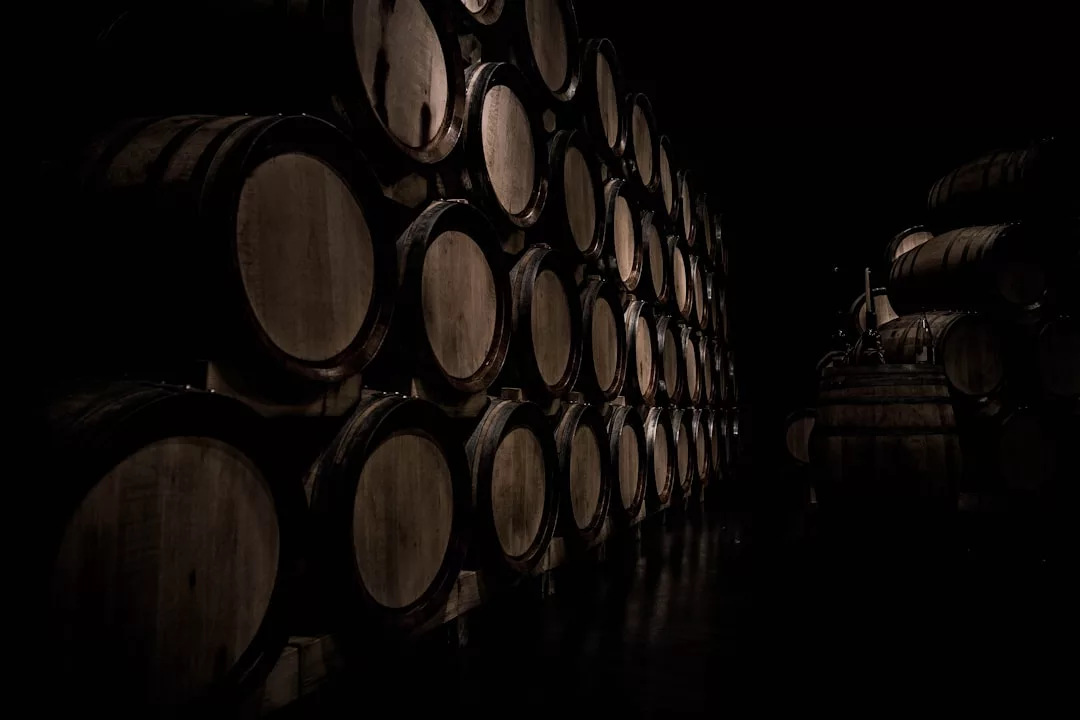
Nestled in the heart of Mallorca, Binissalem is a picturesque town renowned for its rich viticultural heritage and burgeoning boutique winery scene. This charming locale, characterized by its rustic stone buildings and sun-drenched vineyards, has become a focal point for wine enthusiasts seeking to explore the unique flavors and traditions of Mallorcan wines. The town’s commitment to quality over quantity has led to the emergence of numerous boutique wineries, each offering a distinct approach to winemaking that reflects the region’s cultural identity and natural resources. Visitors are drawn to the intimate experiences offered by these boutique wineries, where they can engage with passionate winemakers and savor wines that encapsulate the essence of the Mediterranean climate. As the wine industry in Binissalem continues to evolve, it remains deeply rooted in the community’s history and traditions, making it a captivating destination for both connoisseurs and casual drinkers alike.
Key Takeaways
- Binissalem is home to a number of boutique wineries, offering unique and personalized experiences for wine enthusiasts.
- The history and tradition of winemaking in Binissalem dates back centuries, with a rich cultural influence on the local community.
- The terroir of Binissalem’s vineyards is distinctive, contributing to the unique flavors and characteristics of the region’s wines.
- Boutique wineries have been on the rise in Binissalem, focusing on small-batch production and sustainable practices.
- Binissalem boasts a variety of distinctive grape varieties, each contributing to the diverse and flavorful wines produced in the region.
The History and Tradition of Winemaking in Binissalem
The history of winemaking in Binissalem dates back centuries, with evidence suggesting that viticulture was practiced as early as the Roman era. The region’s favorable climate, characterized by warm summers and mild winters, combined with its fertile soil, created ideal conditions for grape cultivation. Over the years, Binissalem has developed a reputation for producing high-quality wines, particularly red varieties made from indigenous grapes such as Manto Negro and Callet.
Throughout the Middle Ages, winemaking flourished in Binissalem, with local monasteries playing a pivotal role in the cultivation and production of wine. The monks not only tended to the vineyards but also refined their techniques, ensuring that the wines produced were of exceptional quality. This tradition continued into the 19th century when the phylloxera epidemic devastated vineyards across Europe, prompting local winemakers to adapt and innovate.
The resilience of Binissalem’s winemakers allowed them to recover and re-establish their vineyards, laying the groundwork for the modern wine industry that thrives today.
Exploring the Unique Terroir of Binissalem’s Vineyards
The concept of terroir is central to understanding the wines of Binissalem. Terroir encompasses the unique combination of soil, climate, and topography that influences the characteristics of the grapes grown in a specific region. In Binissalem, the diverse terroir is shaped by its location at the foot of the Tramuntana mountain range, which provides protection from harsh weather conditions while allowing for ample sunlight exposure.
The soil composition in Binissalem varies significantly across different vineyards, with clay, limestone, and sandy soils contributing to the distinct flavor profiles of the wines produced. For instance, vineyards planted in clay soils tend to yield grapes with higher acidity and structure, ideal for aging. In contrast, sandy soils often produce fruit-forward wines with softer tannins.
This diversity allows winemakers to experiment with various grape varieties and blends, resulting in a wide array of wines that reflect the region’s unique characteristics.
The Rise of Boutique Wineries in Binissalem
In recent years, Binissalem has witnessed a remarkable rise in boutique wineries, each offering a personalized approach to winemaking that emphasizes quality and craftsmanship. These small-scale producers have emerged as a response to the growing demand for artisanal wines that tell a story and connect consumers with their origins. Unlike larger commercial wineries that prioritize mass production, boutique wineries focus on small batches, allowing for greater attention to detail and experimentation.
The rise of these boutique establishments has transformed Binissalem into a vibrant wine tourism destination. Visitors are increasingly seeking authentic experiences that go beyond mere tastings; they want to understand the philosophy behind each bottle and meet the individuals who pour their passion into every vintage. This shift has encouraged winemakers to open their doors to the public, offering guided tours and tastings that provide insight into their unique processes and philosophies.
The Distinctive Grape Varieties of Binissalem
Binissalem is home to several distinctive grape varieties that contribute to its unique wine profile. Among these, Manto Negro stands out as one of the most emblematic indigenous grapes of Mallorca. Known for its deep color and rich flavors of dark fruit, Manto Negro produces wines that are both complex and approachable.
It is often blended with other local varieties to create harmonious wines that reflect the region’s character. Another notable grape variety is Callet, which thrives in Binissalem’s diverse terroir. Callet wines are typically lighter in body but offer vibrant acidity and fresh fruit flavors, making them an excellent choice for pairing with local cuisine.
Additionally, international varieties such as Cabernet Sauvignon and Merlot have found a place in Binissalem’s vineyards, allowing winemakers to create innovative blends that appeal to a broader audience while still honoring traditional practices.
The Art of Wine Tasting: Private Experiences in Binissalem
Wine tasting in Binissalem transcends mere sampling; it is an immersive experience that engages all the senses. Many boutique wineries offer private tasting sessions where guests can savor a selection of wines paired with local delicacies. These intimate settings allow visitors to delve deeper into the nuances of each wine while learning about the winemaking process directly from knowledgeable staff.
During these private tastings, guests are often guided through a sensory journey that highlights the unique characteristics of each wine. From swirling the glass to observe its color to inhaling its aromatic profile before taking a sip, every aspect is designed to enhance appreciation for the craftsmanship behind each bottle. Some wineries even incorporate food pairings that showcase local ingredients, further enriching the tasting experience and providing insight into how wine complements Mallorcan cuisine.
Meeting the Winemakers: Personalized Tours and Tastings
One of the most rewarding aspects of visiting Binissalem’s boutique wineries is the opportunity to meet the winemakers themselves. Many wineries offer personalized tours led by the individuals who craft their wines, providing an authentic glimpse into their philosophies and techniques. These interactions foster a deeper connection between consumers and producers, allowing visitors to appreciate not only the final product but also the passion and dedication that goes into each bottle.
During these tours, winemakers often share stories about their vineyards, challenges faced during production, and their vision for future vintages. This personal touch adds an invaluable layer to the tasting experience, as guests gain insight into how each wine reflects its terroir and the winemaker’s artistic expression. Such encounters create lasting memories and foster a sense of community among wine lovers who share a common appreciation for quality craftsmanship.
Pairing Wine with Local Cuisine: Culinary Experiences in Binissalem
The culinary landscape of Binissalem is as rich as its viticultural heritage, making it an ideal destination for those looking to explore wine pairings with local cuisine. Many boutique wineries collaborate with local chefs to create unique dining experiences that highlight both wine and food. These culinary events often feature traditional Mallorcan dishes made from locally sourced ingredients, allowing guests to experience the harmonious relationship between wine and food.
For example, a typical pairing might include Manto Negro served alongside a hearty lamb dish seasoned with local herbs or Callet paired with fresh seafood prepared in traditional Mallorcan style. These thoughtfully curated pairings not only enhance the flavors of both wine and food but also celebrate the region’s agricultural bounty. Such experiences invite guests to explore how different wines can elevate various dishes while deepening their understanding of Mallorcan culinary traditions.
Sustainable Practices in Binissalem’s Boutique Wineries
As global awareness of environmental issues grows, many boutique wineries in Binissalem are adopting sustainable practices aimed at minimizing their ecological footprint. These initiatives range from organic farming methods to water conservation strategies and energy-efficient production techniques. By prioritizing sustainability, these wineries not only contribute positively to their local environment but also appeal to an increasingly eco-conscious consumer base.
Organic viticulture is gaining traction among several producers in Binissalem who seek to cultivate grapes without synthetic pesticides or fertilizers. This approach not only enhances soil health but also promotes biodiversity within vineyard ecosystems. Additionally, some wineries are exploring renewable energy sources such as solar power to reduce their reliance on fossil fuels during production processes.
These efforts reflect a commitment not only to quality winemaking but also to preserving the natural beauty of Mallorca for future generations.
The Cultural and Artistic Influence of Binissalem’s Winemaking Community
The winemaking community in Binissalem extends beyond just producing exceptional wines; it plays a vital role in shaping the cultural landscape of the region. Many boutique wineries actively engage with local artists and artisans, fostering collaborations that celebrate both wine and creativity. This intersection of art and viticulture manifests in various forms, from wine labels designed by local artists to art exhibitions hosted within winery spaces.
Moreover, events such as wine festivals often showcase not only local wines but also performances by musicians and artists from Mallorca. These gatherings create a vibrant atmosphere where visitors can immerse themselves in both the sensory pleasures of wine tasting and the rich cultural heritage of Binissalem. By intertwining art with winemaking, this community cultivates an environment that values creativity while promoting local talent.
Preserving the Heritage of Binissalem’s Boutique Wineries: Future Challenges and Opportunities
As Binissalem’s boutique wineries continue to flourish, they face both challenges and opportunities in preserving their heritage while adapting to changing market dynamics. One significant challenge is maintaining traditional practices amidst increasing competition from larger commercial producers who may prioritize efficiency over quality. Boutique wineries must find ways to differentiate themselves by emphasizing their artisanal approach while remaining relevant in an evolving industry.
Additionally, climate change poses a pressing concern for winemakers worldwide, including those in Binissalem. Rising temperatures and unpredictable weather patterns can impact grape quality and yield, necessitating innovative solutions to adapt vineyard management practices accordingly. However, these challenges also present opportunities for growth; by embracing sustainable practices and investing in research on climate-resilient grape varieties, Binissalem’s winemakers can position themselves as leaders in responsible viticulture. As they navigate these complexities, they will continue to shape not only their own futures but also contribute significantly to Mallorca’s rich cultural tapestry through their exceptional wines.
More in
More from Mallorca

Mallorca · 8 min
Premium Real Estate Advisory for Palma Property Purchases
In the complex world of real estate, having a knowledgeable advisor can make a significant difference in the buying or selling process. Real estate ad…
Mallorca · 7 min
Discover the Hiking Pilgrimage to Lluc Monastery
The significance of Lluc Monastery extends beyond its religious importance; it has played a crucial role in preserving Mallorcan culture and tradition…

Mallorca · 8 min
Exclusive Sunset Visits to Caves Del Hams in Porto Cristo
Nestled on the eastern coast of Mallorca, the Caves Del Hams are a breathtaking natural wonder that draws visitors from around the globe. Located near…