Mallorca · Mallorca
Discover Eco-Friendly Sea Turtle Conservation in Colònia de Sant Jordi
Sea turtles are ancient mariners, having existed for over 100 million years, and they play a crucial role in maintaining the health of marine ecosystems. Their presence is vital fo…
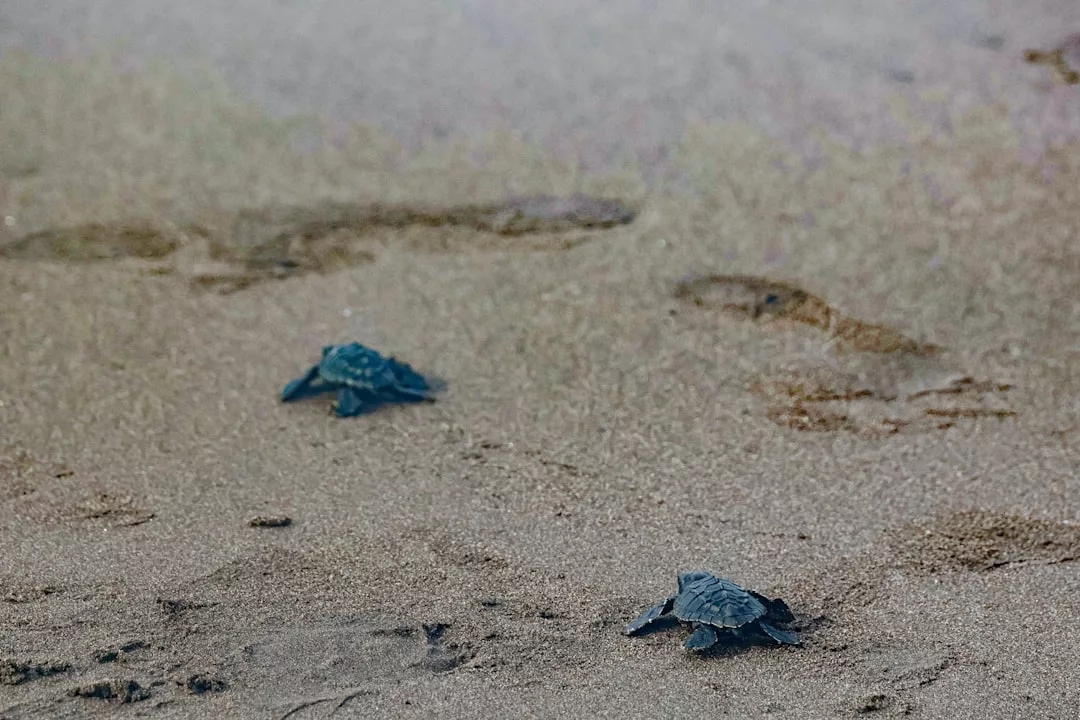
Sea turtles are ancient mariners, having existed for over 100 million years, and they play a crucial role in maintaining the health of marine ecosystems. Their presence is vital for the balance of marine life, as they contribute to the health of seagrass beds and coral reefs. By grazing on seagrass, for instance, sea turtles help to maintain the growth of these underwater meadows, which serve as critical habitats for numerous marine species.
Additionally, their nesting activities contribute to the nutrient cycle on beaches, enriching the sand and promoting the growth of dune vegetation. The decline of sea turtle populations can lead to significant ecological imbalances, affecting not only marine life but also coastal communities that rely on healthy oceans. Moreover, sea turtles are indicators of ocean health.
Their migratory patterns and breeding behaviors provide valuable insights into the state of marine environments. As they travel vast distances across oceans, they can reflect changes in oceanic conditions, such as temperature shifts and pollution levels. Protecting sea turtles thus extends beyond their survival; it encompasses broader environmental stewardship.
The conservation of these majestic creatures is intertwined with the preservation of biodiversity and the resilience of marine ecosystems, making their protection a priority for environmentalists and scientists alike.
Key Takeaways
- Sea turtle conservation is important for maintaining the balance of marine ecosystems and preserving biodiversity.
- Threats facing sea turtles include habitat destruction, pollution, climate change, and poaching.
- Sea turtle conservation organizations in Colònia de Sant Jordi work to protect nesting sites, conduct research, and educate the public.
- Eco-friendly practices in sea turtle conservation include reducing plastic use, supporting sustainable fishing, and promoting responsible tourism.
- Visitors can get involved in sea turtle conservation efforts through volunteering, participating in beach clean-ups, and supporting local conservation organizations.
The Threats Facing Sea Turtles
Despite their resilience, sea turtles face numerous threats that jeopardize their survival. One of the most pressing issues is habitat loss, primarily due to coastal development and pollution. Beaches that serve as nesting grounds are often altered or destroyed for tourism and urbanization, leading to a decline in suitable nesting sites.
Additionally, marine habitats such as coral reefs and seagrass beds are increasingly threatened by climate change, which causes ocean acidification and rising sea temperatures. These changes not only affect the turtles directly but also disrupt the delicate ecosystems that support their life cycles. Another significant threat comes from human activities such as fishing.
Bycatch, which refers to the unintentional capture of non-target species in fishing gear, poses a severe risk to sea turtles. Many turtles become entangled in nets or caught on hooks, leading to injury or death. Furthermore, the illegal trade of turtle shells and meat continues to be a problem in various regions around the world.
This exploitation exacerbates the decline of already vulnerable populations. Pollution, particularly plastic waste, also poses a dire threat; turtles often ingest plastic debris, mistaking it for food, which can lead to malnutrition or internal injuries.
The Work of Sea Turtle Conservation Organizations in Colònia de Sant Jordi
In Colònia de Sant Jordi, several dedicated organizations are actively engaged in sea turtle conservation efforts. These organizations focus on a range of initiatives aimed at protecting both nesting sites and marine habitats. One prominent group is the “Fundació Palma Aquarium,” which conducts research and educational programs to raise awareness about the importance of sea turtles and their conservation needs.
They monitor nesting sites along the coast, ensuring that eggs are protected from poaching and environmental threats. Additionally, local volunteers play a crucial role in these conservation efforts. They participate in beach clean-ups to remove debris that could harm nesting turtles and their hatchlings.
Educational outreach programs are also a key component of their work; by engaging with local communities and tourists, these organizations foster a sense of responsibility towards marine conservation. Workshops and guided tours educate visitors about the life cycle of sea turtles and the challenges they face, encouraging a collective effort to protect these magnificent creatures.
Eco-Friendly Practices in Sea Turtle Conservation
Implementing eco-friendly practices is essential for effective sea turtle conservation. One significant approach is the promotion of sustainable tourism practices that minimize human impact on nesting sites and marine environments. For instance, eco-tourism initiatives encourage visitors to engage with nature responsibly, ensuring that activities such as snorkeling or diving do not disturb turtle habitats.
Tour operators are increasingly adopting guidelines that limit interactions with wildlife and promote awareness about the importance of preserving natural ecosystems. Another vital practice involves habitat restoration efforts. Organizations often engage in replanting seagrass beds and restoring coral reefs to create healthier environments for sea turtles.
These initiatives not only benefit turtles but also enhance overall marine biodiversity. Furthermore, reducing plastic use is critical; many conservation groups advocate for community-wide initiatives to decrease plastic consumption and improve waste management systems. By promoting alternatives to single-use plastics and encouraging recycling, these organizations aim to reduce ocean pollution that poses a significant threat to sea turtles.
How Visitors Can Get Involved in Sea Turtle Conservation Efforts
Visitors to Colònia de Sant Jordi have numerous opportunities to engage in sea turtle conservation efforts actively. One of the most impactful ways is through participation in local volunteer programs organized by conservation groups. These programs often include activities such as beach clean-ups, where volunteers can help remove debris from nesting sites and surrounding areas.
Such hands-on involvement not only contributes directly to conservation efforts but also fosters a deeper connection with the local environment. Additionally, tourists can support local businesses that prioritize sustainability and conservation in their operations. Choosing eco-friendly accommodations or dining at restaurants that source local ingredients can help promote responsible tourism practices.
Visitors can also participate in educational workshops or guided tours offered by conservation organizations, gaining insights into the challenges faced by sea turtles while learning how they can make a difference. By spreading awareness among fellow travelers about the importance of protecting sea turtles, visitors can amplify their impact beyond their immediate actions.
The Impact of Tourism on Sea Turtle Conservation
Tourism can have both positive and negative impacts on sea turtle conservation efforts in Colònia de Sant Jordi. On one hand, responsible tourism can provide essential funding for conservation initiatives and raise awareness about the plight of sea turtles. Eco-tourism ventures often contribute a portion of their profits to local conservation organizations, enabling them to carry out vital research and protection programs.
Moreover, increased public interest in sea turtles can lead to greater advocacy for their protection at local and national levels. Conversely, unchecked tourism can pose significant threats to sea turtle populations. High foot traffic on nesting beaches can lead to disturbances that discourage female turtles from nesting or result in damage to nests themselves.
Additionally, activities such as jet skiing or boating near nesting areas can disrupt turtle behavior and habitat use. It is crucial for local authorities and conservation organizations to implement regulations that mitigate these negative impacts while promoting sustainable tourism practices that benefit both visitors and wildlife.
Success Stories in Sea Turtle Conservation in Colònia de Sant Jordi
Colònia de Sant Jordi has witnessed several success stories in its sea turtle conservation efforts over the years. One notable achievement is the increase in successful hatching rates due to enhanced protection measures for nesting sites. Through diligent monitoring and community involvement, conservation organizations have been able to safeguard nests from poaching and environmental threats effectively.
This has led to a resurgence in local turtle populations, with more hatchlings making their way to the ocean each year. Another success story involves rehabilitation efforts for injured or sick turtles found along the coast. Local rescue centers have successfully treated numerous turtles suffering from entanglement or ingestion of plastic debris.
After rehabilitation, many of these turtles have been released back into their natural habitats, contributing to population recovery efforts. These success stories not only highlight the effectiveness of conservation initiatives but also inspire continued commitment from both locals and visitors alike.
Future Goals for Sea Turtle Conservation in Colònia de Sant Jordi
Looking ahead, the future goals for sea turtle conservation in Colònia de Sant Jordi focus on enhancing existing efforts while addressing emerging challenges posed by climate change and human activity. One primary objective is to expand habitat protection measures along critical nesting beaches and feeding grounds.
Additionally, increasing community engagement remains a vital goal for conservation organizations. By fostering a culture of stewardship among residents and visitors alike, these groups aim to create a collective responsibility towards protecting sea turtles and their habitats. Educational programs will continue to play a crucial role in this endeavor, ensuring that future generations understand the importance of marine conservation.
Furthermore, ongoing research into the effects of climate change on sea turtle populations will be essential for developing adaptive management strategies. Ultimately, the commitment to preserving sea turtles in Colònia de Sant Jordi will require collaboration among local communities, conservation organizations, government agencies, and tourists who share a passion for safeguarding these remarkable creatures for generations to come.
More in
More from Mallorca

Mallorca · 8 min
Premium Real Estate Advisory for Palma Property Purchases
In the complex world of real estate, having a knowledgeable advisor can make a significant difference in the buying or selling process. Real estate ad…
Mallorca · 7 min
Discover the Hiking Pilgrimage to Lluc Monastery
The significance of Lluc Monastery extends beyond its religious importance; it has played a crucial role in preserving Mallorcan culture and tradition…

Mallorca · 8 min
Exclusive Sunset Visits to Caves Del Hams in Porto Cristo
Nestled on the eastern coast of Mallorca, the Caves Del Hams are a breathtaking natural wonder that draws visitors from around the globe. Located near…