Mallorca · Mallorca
Discover Palma’s Exclusive Town Palaces: Noble Accommodations in Historic Settings
Palma, the capital of the Balearic Islands, boasts a history that is as rich and varied as its architectural landscape. The town palaces, or “palacios,” that dot the ci…
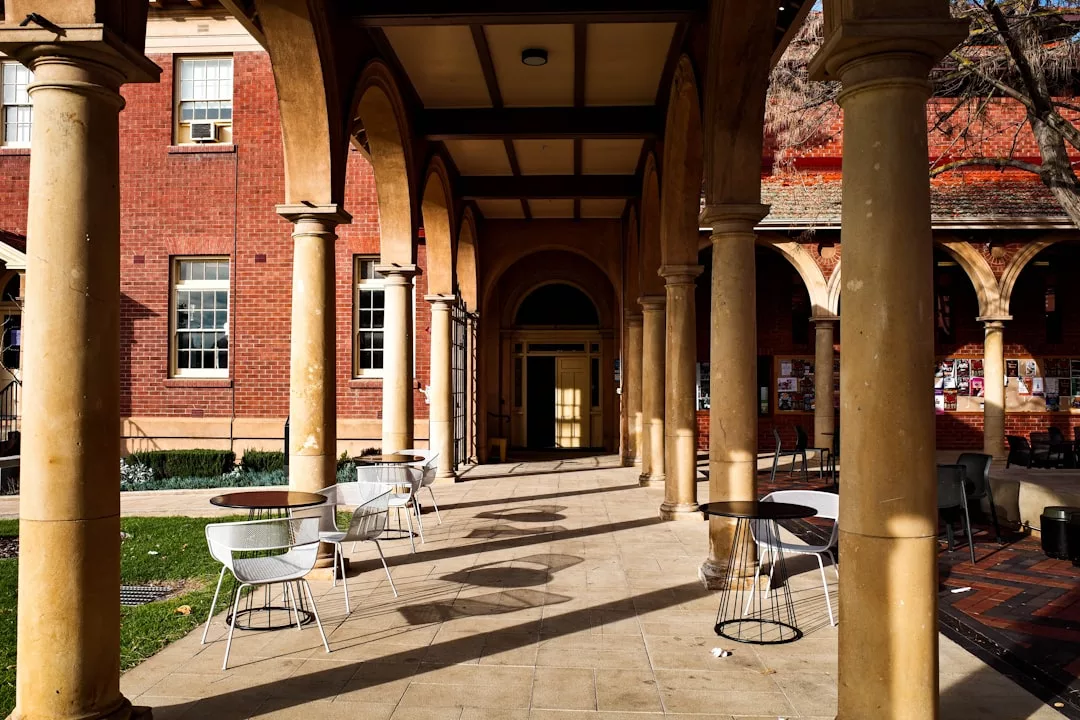
Palma, the capital of the Balearic Islands, boasts a history that is as rich and varied as its architectural landscape. The town palaces, or “palacios,” that dot the city are not merely structures; they are repositories of stories, reflecting the evolution of Palma from a Roman settlement to a bustling medieval trade hub. The origins of these palaces can be traced back to the 13th century when the Christian conquest of Mallorca led to a period of prosperity.
Noble families, seeking to establish their status and influence, began constructing grand residences that would symbolize their power and wealth. These early palaces were often built in Gothic style, characterized by pointed arches and intricate stonework, which set the stage for the architectural splendor that would follow. As Palma flourished during the Renaissance and Baroque periods, the town palaces underwent significant transformations. The palaces became centers of social life, hosting extravagant gatherings and serving as venues for political discussions. The historical significance of these buildings is further underscored by their role in the cultural and economic development of Palma.
They stand as testaments to the city’s resilience and adaptability through centuries of change, including periods of decline and resurgence. Today, these palaces are not only historical landmarks but also vital components of Palma’s identity, attracting visitors eager to explore their storied past.
Key Takeaways
- Palma’s town palaces have a rich heritage, reflecting the city’s history and cultural significance.
- The architecture of Palma’s town palaces exudes grandeur and elegance, showcasing the opulence of the noble families who once resided there.
- The noble families of Palma have left a legacy of prestige and influence, shaping the city’s identity and character.
- Restoring Palma’s town palaces is crucial for preserving the past and ensuring that future generations can appreciate their historical significance.
- The luxurious interiors of Palma’s town palaces are a testament to opulence and sophistication, offering a unique experience for visitors.
The Architecture of Palma’s Town Palaces: Grandeur and Elegance
The architectural styles of Palma’s town palaces are a visual feast, showcasing a blend of influences that reflect the city’s diverse history. Many of these palaces exhibit a stunning combination of Gothic, Renaissance, and Baroque elements, creating a unique aesthetic that captivates both locals and tourists alike. The façades are often adorned with intricate carvings, grand balconies, and ornate windows that invite admiration.
For instance, the Palacio de la Almudaina, originally a Moorish fortress, has been transformed over the centuries into a royal residence that exemplifies the grandeur of Gothic architecture while incorporating later Renaissance features. Inside these palaces, visitors are greeted by expansive halls and opulent staircases that evoke a sense of majesty. High ceilings adorned with frescoes and elaborate moldings create an atmosphere of elegance that transports guests back in time.
The use of local materials such as limestone and marble not only enhances the aesthetic appeal but also connects the structures to their geographical context. Each palace tells its own story through its design; for example, the Casa de la Cultura possesses a striking blend of neoclassical and modernist elements, reflecting the evolution of architectural tastes over time. This architectural diversity is a testament to Palma’s rich cultural tapestry and its ability to embrace various influences while maintaining its unique identity.
The Noble Families of Palma: A Legacy of Prestige and Influence
The noble families of Palma played a pivotal role in shaping the city’s history and culture. These families were not only influential in political matters but also served as patrons of the arts and architecture. The lineage of these noble houses can be traced back to the medieval period when they wielded significant power over land and resources.
Families such as the March family, known for their contributions to literature and education, left an indelible mark on Palma’s cultural landscape. Their palaces often served as venues for intellectual gatherings, fostering a spirit of creativity that resonated throughout the city. The legacy of these noble families is evident in the continued prominence of their palatial residences.
Many of these buildings have been preserved or restored, allowing visitors to glimpse the opulence that once characterized noble life in Palma. Its grand halls and richly decorated interiors reflect the wealth and status of its former inhabitants.
Moreover, these families often engaged in philanthropic endeavors, contributing to the development of public institutions such as schools and hospitals. Their influence extended beyond mere wealth; they shaped the very fabric of Palma’s society, leaving a legacy that continues to resonate today.
Restoring Palma’s Town Palaces: Preserving the Past for the Future
The restoration of Palma’s town palaces is a delicate endeavor that requires a deep understanding of historical preservation techniques and an appreciation for architectural heritage. As many of these structures have faced the ravages of time, efforts to restore them have become increasingly important. Preservationists work tirelessly to maintain the integrity of these buildings while adapting them for modern use.
This often involves meticulous research into original materials and construction methods to ensure that any restoration work is authentic and respectful of the palace’s history. One notable example is the restoration of the Palacio de la Almudaina, which has undergone extensive renovations to preserve its historical significance while enhancing its functionality as a royal residence. The project involved careful attention to detail, from restoring original stonework to recreating lost decorative elements.
Such efforts not only safeguard the architectural heritage but also provide opportunities for educational programs that engage the public in understanding the importance of preservation. By investing in these restorations, Palma demonstrates its commitment to honoring its past while ensuring that future generations can appreciate the beauty and history encapsulated within these magnificent town palaces.
The Luxurious Interiors of Palma’s Town Palaces: Opulence and Sophistication
Stepping inside one of Palma’s town palaces is akin to entering a world where luxury knows no bounds. The interiors are often characterized by sumptuous furnishings, intricate tapestries, and exquisite artwork that reflect the tastes and lifestyles of their former inhabitants. Each room tells a story through its decor; grand salons adorned with chandeliers made from crystal or Murano glass create an atmosphere of sophistication that is hard to replicate elsewhere.
The use of rich fabrics such as silk and velvet adds layers of texture and warmth to these spaces. In addition to their aesthetic appeal, many interiors feature historical artifacts that provide insight into the lives of those who once resided there. Antique furniture pieces crafted by renowned artisans sit alongside paintings by celebrated artists, creating a dialogue between past and present.
For instance, the interior of the Casa de la Cultura showcases an impressive collection of contemporary art juxtaposed with classical elements, illustrating how tradition can coexist with modernity. This blend of opulence and sophistication not only enhances the visitor experience but also serves as a reminder of Palma’s enduring legacy as a center for art and culture.
Palma’s Town Palaces as Exclusive Accommodations: A Unique Experience
In recent years, many of Palma’s town palaces have been transformed into exclusive accommodations that offer guests a unique experience steeped in history. Staying in one of these palatial residences allows visitors to immerse themselves in an atmosphere that is both luxurious and historically rich. Each palace-turned-hotel retains its original charm while providing modern amenities that cater to discerning travelers seeking an unforgettable getaway.
For example, the Hotel Nixe Palace combines contemporary luxury with historical elegance, offering guests stunning views of the Mediterranean alongside access to beautifully restored common areas reminiscent of royal living rooms. Guests can enjoy personalized services such as private tours through the palace’s art collections or exclusive dining experiences in opulent dining rooms adorned with chandeliers and fine china. This unique blend of history and luxury creates an unparalleled experience that allows visitors to connect with Palma’s past while enjoying all the comforts expected from high-end accommodations.
The Gardens and Courtyards of Palma’s Town Palaces: Tranquil Oases in the City
Amidst the bustling streets of Palma, many town palaces feature serene gardens and courtyards that serve as tranquil oases for both residents and visitors alike. These green spaces are often meticulously landscaped with native flora, providing a peaceful retreat from the urban environment. The gardens are designed not only for aesthetic pleasure but also as spaces for reflection and relaxation, embodying the essence of Mediterranean living.
The courtyard at the Palacio de la Almudaina is particularly noteworthy; it features lush greenery interspersed with historical sculptures that tell stories from Palma’s past. Visitors can wander through these gardens, taking in fragrant blooms while enjoying views of architectural details that might otherwise go unnoticed from street level. Such spaces encourage contemplation and appreciation for nature’s beauty intertwined with human creativity, a hallmark of Palma’s town palaces.
Palma’s Town Palaces: A Showcase of Art and Culture
Palma’s town palaces are not merely historical buildings; they are vibrant showcases for art and culture that reflect the city’s dynamic creative scene. Many palaces host art exhibitions featuring both local artists and international talents, transforming their grand halls into galleries where creativity flourishes. This commitment to promoting artistic expression underscores Palma’s role as a cultural hub within Spain.
The Casa de la Cultura stands out as an exemplary venue for cultural events ranging from art exhibitions to musical performances. Its spacious interiors provide an ideal backdrop for showcasing contemporary works alongside classical pieces from Mallorca’s rich artistic heritage. By hosting such events within these historic walls, Palma’s town palaces foster a dialogue between past traditions and contemporary creativity, an essential aspect of preserving cultural identity while embracing innovation.
Experiencing Palma’s Town Palaces: Activities and Events for Guests
Visitors to Palma’s town palaces can partake in a variety of activities designed to enhance their experience within these historic settings. Guided tours offer insights into each palace’s unique history, architecture, and notable residents, providing context that enriches one’s understanding of Palma’s cultural landscape. Many tours include access to areas typically closed off to the public, allowing guests an intimate glimpse into royal life.
In addition to tours, many palaces host seasonal events such as concerts or themed dinners that celebrate local traditions or culinary delights. For instance, during summer months, outdoor concerts may be held in palace gardens where guests can enjoy live music against a backdrop of stunning architecture under starlit skies. These activities not only entertain but also foster community engagement by bringing together locals and visitors alike in appreciation for Palma’s vibrant cultural scene.
The Gastronomic Delights of Palma’s Town Palaces: Fine Dining in Historic Surroundings
Dining within one of Palma’s town palaces is an experience that transcends mere sustenance; it is an immersion into culinary artistry set against breathtaking historical backdrops. Many palatial residences have embraced this opportunity by establishing fine dining restaurants that showcase both traditional Mallorcan cuisine and innovative gastronomic creations crafted by renowned chefs. The restaurant at Hotel Nixe Palace exemplifies this fusion perfectly, offering dishes made from locally sourced ingredients presented with artistic flair while diners enjoy views overlooking lush gardens or ornate courtyards filled with history.
Menus often change seasonally to reflect fresh produce available on the island, ensuring each meal is not only delicious but also representative of Mallorca’s rich agricultural heritage.
Beyond the Town Palaces: Exploring Palma’s Historic Neighborhoods
While Palma’s town palaces are undoubtedly highlights within the city’s landscape, exploring beyond their walls reveals even more layers to its rich history. The surrounding neighborhoods are filled with narrow cobblestone streets lined with charming shops, cafes, and local markets where visitors can immerse themselves in everyday life on this beautiful island. The nearby Santa Catalina district is particularly vibrant, known for its lively atmosphere filled with artisanal shops selling handmade goods alongside bustling food markets offering fresh produce from local farmers’ markets nearby.
Wandering through these neighborhoods allows guests not only to appreciate architectural beauty but also engage with local culture, creating lasting memories beyond just visiting historic sites alone. Palma’s town palaces serve as gateways into understanding both its illustrious past while celebrating contemporary creativity, making them essential stops for anyone wishing to experience all facets this enchanting city has to offer.
More in
More from Mallorca
Mallorca · 8 min
Premium Real Estate Advisory for Palma Property Purchases
In the complex world of real estate, having a knowledgeable advisor can make a significant difference in the buying or selling process. Real estate ad…
Mallorca · 7 min
Discover the Hiking Pilgrimage to Lluc Monastery
The significance of Lluc Monastery extends beyond its religious importance; it has played a crucial role in preserving Mallorcan culture and tradition…

Mallorca · 8 min
Exclusive Sunset Visits to Caves Del Hams in Porto Cristo
Nestled on the eastern coast of Mallorca, the Caves Del Hams are a breathtaking natural wonder that draws visitors from around the globe. Located near…