Mallorca · Mallorca
Discover Santa Catalina: Gourmet Food Tours in Palma
Palma, the capital of the Balearic Islands, is a vibrant city that seamlessly blends its rich history with modern influences. Nestled along the stunning coastline of Mallorca, Palm…
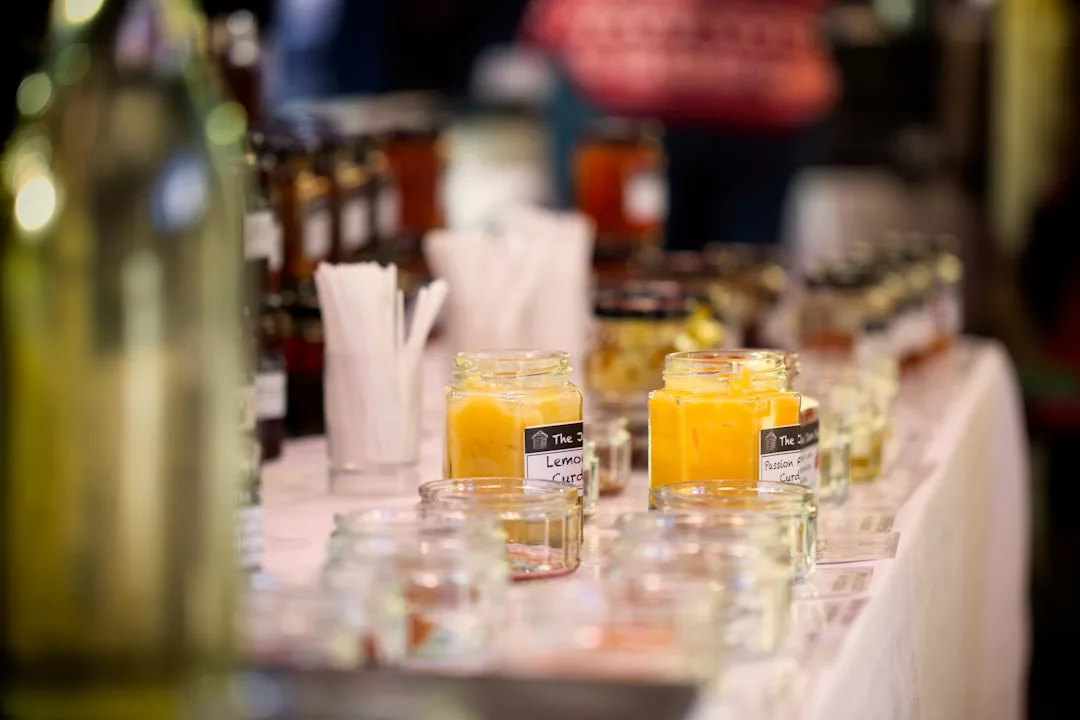
Palma, the capital of the Balearic Islands, is a vibrant city that seamlessly blends its rich history with modern influences. Nestled along the stunning coastline of Mallorca, Palma is renowned for its picturesque architecture, bustling markets, and a culinary scene that has garnered international acclaim. The city’s historical roots can be traced back to the Roman Empire, and remnants of its past are evident in the charming old town, where narrow cobblestone streets wind past Gothic cathedrals and ancient fortifications.
As a cultural melting pot, Palma has evolved into a gastronomic hub, attracting food enthusiasts from around the globe who come to savor its diverse flavors. The allure of Palma extends beyond its scenic beauty and historical significance; it is a city that celebrates food in all its forms. From traditional tapas bars to upscale dining establishments, Palma offers a culinary landscape that reflects both local traditions and contemporary innovations.
The city’s proximity to fertile farmland and the Mediterranean Sea ensures an abundance of fresh ingredients, which are skillfully transformed into mouthwatering dishes by talented chefs and home cooks alike. As visitors explore Palma, they are invited to embark on a culinary journey that showcases the island’s unique flavors and culinary heritage.
Key Takeaways
- Palma is a vibrant city in Mallorca known for its rich culinary scene and Mediterranean flavors.
- Santa Catalina is a must-visit neighborhood in Palma, offering a wide range of gourmet food experiences.
- The best way to explore Santa Catalina’s gourmet food scene is through guided food tours that showcase the local cuisine and culture.
- Visitors can sample traditional dishes, meet local artisans and producers, and indulge in wine and tapas pairing experiences in Santa Catalina.
- When planning a gourmet food tour in Santa Catalina, be sure to book culinary workshops and cooking classes to fully immerse yourself in the local food culture.
The Gourmet Food Scene in Palma
Palma’s gourmet food scene is a testament to the island’s rich agricultural bounty and its deep-rooted culinary traditions. The city boasts a plethora of restaurants, cafes, and markets that highlight the best of Mallorcan cuisine. Chefs in Palma are increasingly embracing farm-to-table practices, sourcing ingredients from local producers to create dishes that are not only delicious but also sustainable.
This commitment to quality is evident in the vibrant flavors and artistic presentations found in many of the city’s eateries. One of the defining characteristics of Palma’s gourmet scene is its emphasis on seasonal ingredients. The Mediterranean climate allows for a diverse range of fruits, vegetables, and herbs to flourish throughout the year.
As a result, menus often change with the seasons, offering diners a chance to experience the freshest produce available. For instance, during the summer months, one might find dishes featuring ripe tomatoes, fragrant basil, and succulent seafood, while autumn brings hearty root vegetables and game meats to the forefront. This seasonal approach not only enhances the dining experience but also fosters a deeper connection between chefs and their local environment.
Exploring Santa Catalina
Santa Catalina is one of Palma’s most vibrant neighborhoods, known for its bohemian atmosphere and eclectic mix of shops, bars, and restaurants. Once a fishing district, Santa Catalina has transformed into a culinary hotspot that attracts both locals and tourists alike. The area is characterized by its lively market, Mercado de Santa Catalina, where vendors sell fresh produce, artisanal products, and local delicacies.
The market serves as a gathering place for food lovers who come to sample the best of what Mallorca has to offer. Wandering through the streets of Santa Catalina reveals a treasure trove of culinary delights. The neighborhood is home to an array of eateries that range from traditional tapas bars to innovative fine dining establishments.
Each venue offers its own unique take on Mallorcan cuisine, often incorporating international influences that reflect the diverse backgrounds of the chefs. The vibrant street art and colorful facades add to the charm of Santa Catalina, making it an ideal setting for a leisurely exploration of Palma’s gourmet offerings.
The Best Gourmet Food Tours in Santa Catalina
For those looking to immerse themselves in Palma’s culinary culture, gourmet food tours in Santa Catalina provide an excellent opportunity to sample a variety of dishes while learning about the history and traditions behind them. These tours typically guide participants through the bustling streets of Santa Catalina, stopping at various eateries and markets along the way. Knowledgeable guides share insights into local ingredients, cooking techniques, and the stories behind each dish.
One popular food tour includes visits to several iconic tapas bars where participants can taste classic dishes such as patatas bravas, gambas al ajillo (garlic shrimp), and ensaimadas (a traditional pastry). Alongside these tastings, guests often enjoy wine pairings featuring local Mallorcan wines that complement the flavors of each dish. Another highlight of these tours is the opportunity to meet local chefs and artisans who are passionate about their craft.
This personal interaction adds depth to the experience, allowing participants to gain a greater appreciation for the culinary heritage of Palma.
A Taste of Local Cuisine
Sampling local cuisine is an essential part of any visit to Palma, and there is no shortage of dishes that showcase the island’s culinary identity. One must-try dish is “sobrasada,” a cured sausage made from pork and flavored with paprika and spices. This spreadable delicacy is often enjoyed on crusty bread or paired with cheese for a delightful appetizer.
Another staple is “tumbet,” a hearty vegetable dish made with layers of eggplant, potatoes, and bell peppers, all topped with a rich tomato sauce. Seafood also plays a significant role in Mallorcan cuisine, thanks to the island’s coastal location. Dishes such as “frit de peix,” a mixed fish fry served with aioli, highlight the freshness of locally caught fish.
Additionally, “arroz brut,” a flavorful rice dish cooked with meat and vegetables in a spiced broth, showcases the island’s agricultural bounty. Each bite tells a story of tradition and craftsmanship, inviting diners to connect with Mallorca’s culinary roots.
Sampling Palma’s Traditional Dishes
To truly appreciate Palma’s culinary landscape, one must delve into its traditional dishes that have been passed down through generations. “Ensaimada,” a spiral-shaped pastry made with flour, sugar, and lard, is perhaps one of Mallorca’s most iconic treats. Often enjoyed for breakfast or as a snack, this sweet delicacy can be found in various forms, some filled with cream or pumpkin jam, each offering a unique taste experience.
Another beloved dish is “pa amb oli,” which translates to “bread with oil.” This simple yet satisfying dish consists of rustic bread drizzled with high-quality olive oil and topped with tomatoes, cured meats, or cheese. Visitors can find this dish served in many local taverns and restaurants, often accompanied by a glass of local wine or beer.
Meeting Local Artisans and Producers
A key aspect of Palma’s gourmet food scene is the strong connection between chefs and local artisans who produce high-quality ingredients. Many restaurants prioritize sourcing their products from nearby farms and markets, fostering relationships that benefit both parties. Visitors have the opportunity to meet these artisans during food tours or market visits, gaining insight into their craft and passion for quality.
For instance, local cheesemakers often invite guests to sample their artisanal cheeses made from sheep or goat milk. These cheeses vary in flavor and texture depending on the aging process and the specific herbs or spices used during production. Similarly, olive oil producers offer tastings that highlight the nuances of their oils, ranging from fruity to peppery, allowing visitors to appreciate the complexity of this essential ingredient in Mediterranean cooking.
Wine and Tapas Pairing Experiences
Wine plays an integral role in Mallorca’s culinary culture, with numerous vineyards producing exceptional wines that complement the island’s diverse cuisine. These pairings often feature local varietals such as Manto Negro or Callet alongside traditional tapas dishes.
During these experiences, knowledgeable sommeliers guide guests through tastings that highlight the unique characteristics of each wine while explaining how they enhance specific flavors in the accompanying dishes. For example, a crisp white wine may be paired with seafood tapas to accentuate the freshness of the fish, while a robust red might complement heartier meat dishes. This interactive approach not only elevates the dining experience but also educates participants about Mallorca’s burgeoning wine industry.
The Influence of Mediterranean Flavors
The Mediterranean influence on Palma’s cuisine is undeniable, as it shapes both traditional dishes and contemporary interpretations found throughout the city. The use of fresh herbs such as rosemary, thyme, and basil is prevalent in many recipes, infusing dishes with aromatic flavors that reflect the region’s agricultural heritage. Additionally, olive oil serves as a cornerstone ingredient in both cooking and dressing salads.
Seafood is another hallmark of Mediterranean cuisine that thrives in Palma due to its coastal location. Grilled fish drizzled with lemon juice or seafood stews brimming with fresh shellfish are common offerings at local restaurants. Furthermore, fruits such as citrus and figs are often incorporated into both savory dishes and desserts, showcasing the region’s natural sweetness.
This harmonious blend of flavors creates a culinary tapestry that celebrates both tradition and innovation.
Culinary Workshops and Cooking Classes
For those eager to dive deeper into Palma’s culinary world, culinary workshops and cooking classes offer hands-on experiences that teach participants how to prepare traditional Mallorcan dishes. These classes are typically led by experienced chefs who share their knowledge of local ingredients and cooking techniques while guiding participants through each step of the cooking process. Classes may focus on specific themes such as seafood preparation or traditional pastry making.
Participants often learn how to create iconic dishes like “paella” or “ensaimadas,” gaining valuable skills along the way. Beyond just cooking techniques, these workshops provide insights into cultural practices surrounding food in Mallorca, such as communal dining traditions, that enrich participants’ understanding of the island’s culinary heritage.
Tips for Planning Your Gourmet Food Tour in Santa Catalina
When planning a gourmet food tour in Santa Catalina, there are several tips to ensure an enjoyable experience. First and foremost, consider booking tours in advance during peak tourist seasons to secure your spot at popular venues. Many tours offer small group sizes for a more intimate experience; therefore, early reservations can be beneficial.
Additionally, be open-minded about trying new flavors and dishes that may be unfamiliar. Embrace the opportunity to taste local specialties that reflect Mallorca’s unique culinary identity. Engaging with guides or chefs can enhance your understanding of each dish’s significance within Mallorcan culture.
Lastly, don’t forget to pace yourself! With so many delicious offerings available throughout Santa Catalina, from street food stalls to upscale restaurants, it’s easy to get carried away sampling everything at once. Take your time savoring each bite while enjoying conversations with fellow food enthusiasts along your journey through this vibrant neighborhood.
In conclusion, Palma’s gourmet food scene offers an exciting exploration of flavors deeply rooted in tradition yet influenced by modern culinary trends. From Santa Catalina’s bustling markets to intimate dining experiences featuring local artisans’ creations, every aspect invites visitors into an unforgettable gastronomic adventure on this beautiful Mediterranean island.
More in
More from Mallorca
Mallorca · 8 min
Premium Real Estate Advisory for Palma Property Purchases
In the complex world of real estate, having a knowledgeable advisor can make a significant difference in the buying or selling process. Real estate ad…

Mallorca · 7 min
Discover the Hiking Pilgrimage to Lluc Monastery
The significance of Lluc Monastery extends beyond its religious importance; it has played a crucial role in preserving Mallorcan culture and tradition…

Mallorca · 8 min
Exclusive Sunset Visits to Caves Del Hams in Porto Cristo
Nestled on the eastern coast of Mallorca, the Caves Del Hams are a breathtaking natural wonder that draws visitors from around the globe. Located near…