Mallorca · Mallorca
Discover the Art of Wine Blending in Binissalem
The history of wine blending in Binissalem, a picturesque town located in the heart of Mallorca, Spain, is deeply intertwined with the island’s viticultural heritage. The reg…
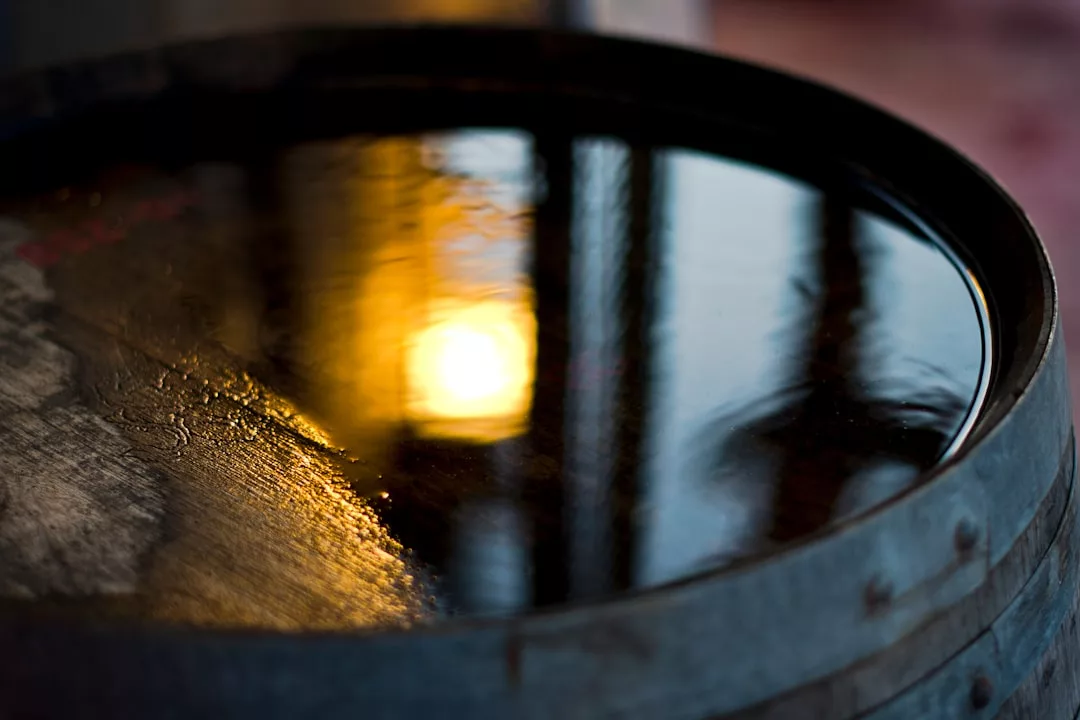
The history of wine blending in Binissalem, a picturesque town located in the heart of Mallorca, Spain, is deeply intertwined with the island’s viticultural heritage. The region has been producing wine for centuries, with evidence of viticulture dating back to the Roman era. The Romans recognized the potential of the Mediterranean climate and the fertile soils of Mallorca, establishing vineyards that would lay the groundwork for future generations.
Over time, local winemakers began to experiment with blending different grape varieties, a practice that would evolve into a hallmark of Binissalem’s wine identity. In the late 20th century, Binissalem gained recognition for its unique blends, particularly those incorporating indigenous grape varieties such as Manto Negro and Callet. These grapes, well-suited to the local climate and soil, became the backbone of many successful blends.
The establishment of the Binissalem Denomination of Origin (DO) in 1990 marked a significant milestone in the region’s winemaking history, as it provided a framework for quality control and promoted the distinct characteristics of Binissalem wines. This formal recognition encouraged winemakers to refine their blending techniques, leading to a renaissance in local wine production that celebrated both tradition and innovation.
Key Takeaways
- The history of wine blending in Binissalem dates back to ancient times, with a rich tradition that has evolved over the centuries.
- Grape varieties play a crucial role in wine blending, as each variety contributes unique flavors, aromas, and characteristics to the final blend.
- Tasting and evaluating wines for blending requires a keen sense of palate and an understanding of how different components will interact in the final blend.
- Oak barrels are essential in wine blending, as they impart flavors, aromas, and textures to the wine, adding complexity and depth to the final blend.
- Exploring techniques of wine blending involves experimenting with different proportions, grape varieties, and aging methods to create harmonious and balanced blends.
The Importance of Grape Varieties in Wine Blending
Grape varieties play a pivotal role in the art of wine blending, as each variety brings its own unique characteristics to the final product. In Binissalem, the indigenous grapes such as Manto Negro, Callet, and Fogoneu are often blended with international varieties like Cabernet Sauvignon and Merlot. This combination allows winemakers to create complex wines that reflect both the local terroir and global trends.
The choice of grape varieties is not merely a matter of preference; it is a strategic decision that influences the wine’s flavor profile, aroma, and aging potential. For instance, Manto Negro is known for its vibrant fruit flavors and soft tannins, making it an excellent base for blends. When combined with the structure and depth of Cabernet Sauvignon, the resulting wine can achieve a harmonious balance between fruitiness and complexity.
Similarly, Callet contributes earthy notes and acidity that can enhance the overall freshness of a blend. The careful selection and combination of these grape varieties allow winemakers in Binissalem to craft wines that are not only representative of their region but also appealing to a broader audience.
The Art of Tasting and Evaluating Wines for Blending
The process of tasting and evaluating wines for blending is an intricate art that requires a keen palate and a deep understanding of flavor profiles. Winemakers in Binissalem often conduct blind tastings to assess various components before deciding on the final blend. This method allows them to evaluate each wine’s strengths and weaknesses without bias, focusing solely on how each component contributes to the overall harmony of the blend.
During these tastings, factors such as acidity, tannin structure, fruit intensity, and aromatic complexity are meticulously analyzed. Moreover, the sensory evaluation extends beyond mere taste; it encompasses aroma and mouthfeel as well. A skilled winemaker can identify specific notes, be it floral, fruity, or spicy, that may enhance or detract from the desired characteristics of the blend.
For example, if a particular wine exhibits strong herbal notes that clash with the fruitiness of another component, adjustments can be made to achieve a more cohesive profile. This meticulous approach ensures that each blend not only meets quality standards but also resonates with the intended style and character that defines Binissalem wines.
Understanding the Role of Oak Barrels in Wine Blending
Oak barrels play a crucial role in the wine blending process, influencing both flavor and texture. In Binissalem, winemakers often utilize a variety of oak types, French, American, and even local oak, to impart distinct characteristics to their wines. The choice of barrel can significantly affect the final blend; for instance, French oak tends to contribute subtle spice and vanilla notes, while American oak may impart bolder flavors such as coconut or caramel.
The aging process in these barrels allows for micro-oxygenation, which softens tannins and enhances mouthfeel. Furthermore, the duration of aging in oak barrels is another critical factor in blending decisions. A wine aged for an extended period may develop more complex flavors and aromas compared to one aged for a shorter time.
Winemakers must carefully consider how long each component should spend in oak before blending them together. This decision is often based on tasting trials that reveal how each wine evolves over time in contact with wood. Ultimately, the integration of oak influences not only the sensory attributes but also the aging potential of the final blend.
Exploring the Techniques of Wine Blending
Wine blending techniques vary widely among winemakers, each employing methods that reflect their individual philosophies and styles. In Binissalem, some winemakers prefer to blend wines from different grape varieties before fermentation, allowing for a more integrated flavor profile from the outset. This technique can lead to a more harmonious blend as the fermentation process occurs simultaneously across all components.
Conversely, other winemakers may opt for post-fermentation blending, where individual wines are fermented separately before being combined. This method allows for greater control over each wine’s characteristics before they are united into a final blend. It also provides an opportunity to experiment with different ratios and combinations until achieving the desired outcome.
Regardless of the technique employed, blending is often seen as an iterative process, one that requires patience and an open mind as winemakers explore various possibilities to create their signature wines.
The Impact of Climate and Terroir on Wine Blending
The Mediterranean Climate
The warm summers and mild winters of the Mediterranean climate create ideal conditions for grape ripening, allowing a diverse range of grape varieties to thrive.The Unique Soil Composition
The distinct mineral qualities found in Binissalem wines are attributed to the region’s unique soil composition, which is comprised of clay, limestone, and sandy loam.Viticulture Practices and Environmental Factors
Terroir encompasses not only soil and climate but also topography and local traditions that shape viticulture practices. Winemakers take into account environmental factors such as elevation, temperature, and microclimates when selecting grape varieties for blending, choosing specific grapes that are better suited to particular vineyard sites or microclimates within Binissalem.The Role of the Winemaker in the Blending Process
The winemaker serves as both artist and scientist during the blending process, wielding their expertise to craft wines that embody their vision while adhering to quality standards. In Binissalem, winemakers often draw upon years of experience and knowledge passed down through generations to inform their blending decisions. Their intimate understanding of each grape variety’s characteristics allows them to make informed choices about which components will work best together.
Collaboration is also key in this process; many winemakers engage with their teams during blending sessions to gather diverse perspectives on flavor profiles and potential blends. This collaborative approach fosters creativity and innovation while ensuring that each blend reflects a collective vision rather than just one individual’s preferences. Ultimately, the winemaker’s role is not only about technical skill but also about storytelling, crafting a narrative through each bottle that speaks to the essence of Binissalem’s terroir.
The Influence of Tradition and Innovation in Binissalem Wine Blending
In Binissalem, tradition and innovation coexist harmoniously within the realm of wine blending. While many winemakers honor age-old practices passed down through generations, such as using indigenous grape varieties or traditional fermentation methods, there is also a strong current of innovation driving the industry forward. New technologies in viticulture and enology have opened up exciting possibilities for experimentation with blending techniques.
For example, advancements in temperature-controlled fermentation allow winemakers to preserve delicate aromas and flavors that might otherwise be lost during traditional fermentation processes. Additionally, modern analytical tools enable winemakers to assess chemical compositions more accurately than ever before, providing insights that can inform blending decisions. This fusion of tradition and innovation not only enhances quality but also allows Binissalem wines to remain relevant in an ever-evolving global market.
The Unique Characteristics of Binissalem Wine Blends
Binissalem wine blends are celebrated for their distinctive characteristics that reflect both local terroir and cultural heritage. The use of indigenous grape varieties such as Manto Negro and Callet imparts unique flavor profiles that set these wines apart from others produced in Spain or beyond. Manto Negro often exhibits notes of dark berries combined with subtle herbal undertones, while Callet contributes freshness and acidity, elements that are essential for crafting well-balanced blends. The integration of oak flavors adds complexity while allowing for smoother tannins, a hallmark of quality wines from this region.
The Experience of Wine Blending Workshops in Binissalem
Wine blending workshops have become increasingly popular in Binissalem as both tourists and locals seek hands-on experiences that deepen their appreciation for winemaking. These workshops typically offer participants an opportunity to learn about different grape varieties used in local blends while engaging directly with winemakers who share their expertise. Participants are guided through tasting sessions where they can explore individual components before attempting their own blends.
During these workshops, attendees gain insight into the decision-making process behind blending, understanding how factors such as acidity, tannin structure, and aroma influence final outcomes. Many workshops culminate in participants creating their own unique blends to take home, a tangible reminder of their experience that fosters a personal connection to Binissalem’s rich viticultural heritage.
The Future of Wine Blending in Binissalem
As we look toward the future of wine blending in Binissalem, several trends are emerging that promise to shape its evolution. Sustainability has become a focal point within the industry; many winemakers are adopting organic or biodynamic practices aimed at preserving local ecosystems while producing high-quality wines. This shift towards environmentally conscious viticulture may lead to new approaches in blending as winemakers experiment with lesser-known grape varieties or innovative techniques that align with sustainable principles.
Additionally, globalization continues to influence consumer preferences; as international markets become more accessible through digital platforms, there is an increasing demand for unique wines that tell a story rooted in place. Winemakers in Binissalem are poised to respond by emphasizing their distinct regional identity while remaining open to new ideas and collaborations that enrich their offerings. As tradition meets innovation within this vibrant community, the future of wine blending in Binissalem looks promising, an exciting journey awaits both producers and enthusiasts alike as they explore new horizons together.
More in
More from Mallorca

Mallorca · 8 min
Premium Real Estate Advisory for Palma Property Purchases
In the complex world of real estate, having a knowledgeable advisor can make a significant difference in the buying or selling process. Real estate ad…

Mallorca · 7 min
Discover the Hiking Pilgrimage to Lluc Monastery
The significance of Lluc Monastery extends beyond its religious importance; it has played a crucial role in preserving Mallorcan culture and tradition…

Mallorca · 8 min
Exclusive Sunset Visits to Caves Del Hams in Porto Cristo
Nestled on the eastern coast of Mallorca, the Caves Del Hams are a breathtaking natural wonder that draws visitors from around the globe. Located near…