Travel · Travel
Discover the Beauty of Island Hopping
Island hopping captivates the imagination with its promise of adventure, exploration, and the chance to experience diverse cultures and breathtaking landscapes. The very concept ev…
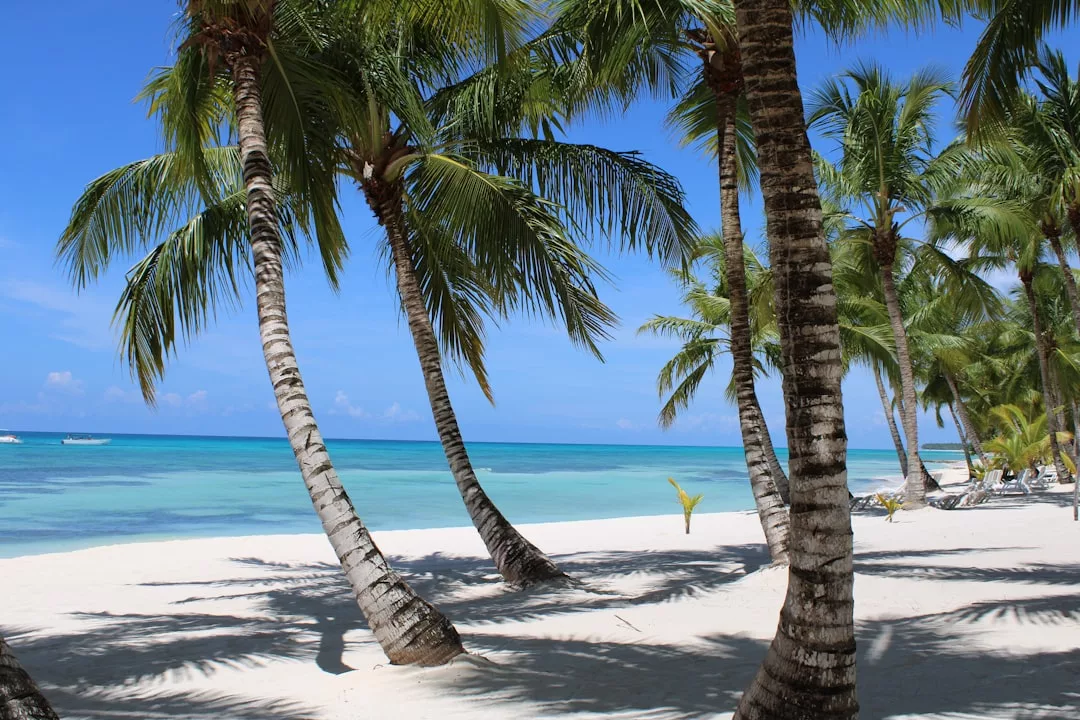
Island hopping captivates the imagination with its promise of adventure, exploration, and the chance to experience diverse cultures and breathtaking landscapes. The very concept evokes images of sun-drenched beaches, crystal-clear waters, and vibrant marine life. Each island offers a unique tapestry of experiences, from the lush jungles of tropical paradises to the stark beauty of rocky coastlines.
The allure lies not only in the natural beauty but also in the opportunity to immerse oneself in the local way of life, tasting exotic cuisines, participating in traditional festivals, and engaging with the warm hospitality of island communities. Moreover, island hopping allows travelers to escape the hustle and bustle of everyday life. The rhythm of island life is often slower, encouraging visitors to unwind and savor each moment.
Whether it’s lounging on a secluded beach, snorkeling in vibrant coral reefs, or hiking through verdant hills, the experience is often transformative. The thrill of discovering hidden coves or uninhabited islands adds an element of excitement, making each stop a new adventure. This blend of relaxation and exploration is what makes island hopping an irresistible choice for many travelers seeking both leisure and adventure.
Key Takeaways
- Island hopping offers the allure of exploring multiple destinations in one trip, each with its own unique charm and attractions.
- When planning your island hopping adventure, consider factors such as transportation, accommodation, and activities to ensure a smooth and enjoyable experience.
- Essential items to pack for island hopping include sunscreen, swimwear, comfortable footwear, and a waterproof bag for your belongings.
- Top island hopping destinations around the world include the Greek Islands, the Philippines, the Caribbean, and the islands of Thailand.
- The best time to go island hopping varies by destination, but generally, the shoulder seasons of spring and fall offer pleasant weather and fewer crowds.
- To choose the right islands for your trip, consider factors such as your interests, budget, and transportation options between islands.
- Island hopping activities and attractions may include snorkeling, hiking, visiting local markets, and experiencing the unique culture and cuisine of each island.
- Island hopping on a budget can be achieved by opting for budget accommodations, using local transportation, and seeking out affordable dining options.
- Island hopping etiquette and tips include respecting local customs, minimizing waste, and being mindful of the impact of tourism on the environment and local communities.
- Island hopping safety tips include staying hydrated, being aware of your surroundings, and following any safety guidelines provided for water activities.
- The environmental impact of island hopping can be minimized by practicing responsible tourism, supporting sustainable businesses, and minimizing single-use plastics.
Planning your island hopping adventure
Planning an island hopping adventure requires careful consideration of various factors to ensure a seamless experience. First and foremost, selecting the right destination is crucial. Popular regions for island hopping include the Caribbean, Southeast Asia, and the Mediterranean, each offering a plethora of islands with distinct characteristics.
Researching the islands within these regions can help identify which ones align with your interests, be it vibrant nightlife, serene beaches, or rich cultural experiences. Additionally, understanding the logistics of transportation between islands is essential; some islands may be accessible by ferry, while others might require a short flight or private boat charter. Once the destination is chosen, creating a flexible itinerary is vital.
While it’s tempting to pack in as many islands as possible, allowing for downtime is equally important. This flexibility enables travelers to adapt their plans based on weather conditions or personal preferences. It’s also wise to consider the duration of stay on each island; spending at least a few days on each allows for deeper exploration and a more immersive experience.
Engaging with local guides can enhance this aspect, providing insights that might not be available through standard tourist channels.
Essential items to pack for island hopping
Packing for an island hopping adventure requires a balance between practicality and comfort. Essential items include lightweight clothing suitable for warm climates, such as breathable fabrics that dry quickly. Swimsuits are a must-have for spontaneous dips in the ocean or lounging on the beach.
A wide-brimmed hat and sunglasses are also crucial for sun protection, as many islands boast abundant sunshine. Footwear should be versatile; flip-flops are ideal for beach days, while sturdy sandals or water shoes are recommended for hiking or exploring rocky areas. In addition to clothing, packing smart technology can enhance the experience.
A waterproof phone case is invaluable for capturing memories without risking damage from water or sand. A portable charger ensures that devices remain powered throughout the day, especially when navigating between islands or using navigation apps.
Lastly, don’t forget to bring along reusable water bottles and eco-friendly bags to minimize environmental impact during your travels.
Top island hopping destinations around the world
When it comes to island hopping destinations, several regions stand out for their stunning beauty and diverse offerings. The Greek Islands are among the most iconic, with Santorini’s breathtaking sunsets and Mykonos’ vibrant nightlife drawing travelers from around the globe. Each island has its own charm; for instance, Crete boasts rich history and archaeological sites, while Naxos offers lush landscapes and traditional villages.
The ease of ferry travel between these islands makes it an ideal region for those looking to explore multiple locations. Southeast Asia is another hotspot for island hopping enthusiasts. Thailand’s Phi Phi Islands are famous for their dramatic cliffs and crystal-clear waters, while Indonesia’s Gili Islands offer a more laid-back vibe with excellent snorkeling opportunities.
The Philippines is home to over 7,000 islands, with Palawan often hailed as one of the most beautiful places on Earth. Each destination presents unique cultural experiences and natural wonders, making it easy to fill an itinerary with unforgettable adventures.
The best time to go island hopping
Timing your island hopping adventure can significantly impact your experience. Many regions have distinct seasons that affect weather patterns and tourist traffic. For instance, the Caribbean typically sees its peak season from December to April when travelers flock to escape colder climates.
However, visiting during the shoulder seasons, late spring or early fall, can offer a more tranquil experience with fewer crowds and lower prices. In Southeast Asia, the dry season from November to April is ideal for island hopping, as it provides sunny weather and calm seas. Conversely, visiting during the rainy season can lead to unpredictable weather and rough waters, making travel between islands more challenging. Ultimately, choosing the right time not only enhances comfort but also allows for a richer exploration of each island’s offerings.
How to choose the right islands for your trip
Selecting the right islands for your trip involves considering various factors that align with your interests and travel style. Start by identifying what you hope to gain from your island hopping experience, whether it’s relaxation on pristine beaches, engaging in water sports, or immersing yourself in local culture. For example, if you’re seeking vibrant nightlife and social scenes, islands like Ibiza in Spain or Koh Phangan in Thailand may be ideal choices.
Conversely, if tranquility and natural beauty are your priorities, consider less commercialized islands such as El Nido in the Philippines or Milos in Greece. Another important aspect is accessibility and transportation options between islands. Some destinations have well-established ferry systems that make travel easy and efficient, while others may require more planning due to limited services.
Additionally, consider the size of each island; larger islands may offer more activities but could also mean longer travel times between attractions. Researching local events or festivals can also guide your choices; visiting during a cultural celebration can provide unique insights into local traditions and enhance your overall experience.
Island hopping activities and attractions
The activities available during an island hopping adventure are as diverse as the destinations themselves. Water-based activities are often at the forefront; snorkeling and scuba diving allow travelers to explore vibrant coral reefs teeming with marine life. Many islands offer guided tours that take visitors to prime snorkeling spots where they can encounter colorful fish and even sea turtles.
Kayaking through mangroves or along coastlines provides another way to appreciate the natural beauty while getting some exercise. Beyond water sports, many islands boast rich cultural attractions worth exploring. Visiting local markets can provide insight into traditional crafts and culinary delights unique to each region.
Engaging with local artisans or participating in cooking classes can deepen your understanding of island culture while creating lasting memories. Hiking trails often lead to stunning viewpoints or hidden waterfalls, offering opportunities for both adventure and photography. Each island presents its own set of attractions that cater to various interests, ensuring that every traveler finds something captivating.
Island hopping on a budget
Traveling on a budget while island hopping is entirely feasible with some strategic planning and resourcefulness. One effective way to save money is by traveling during off-peak seasons when prices for accommodations and activities tend to drop significantly. Additionally, opting for budget-friendly accommodations such as hostels or guesthouses can help keep costs down while providing opportunities to meet fellow travelers.
Transportation costs can also add up quickly; however, researching local ferry schedules and booking tickets in advance can lead to significant savings. Some destinations offer multi-island passes that allow unlimited travel within a certain timeframe at a reduced rate. When it comes to dining, exploring local eateries rather than tourist-oriented restaurants can provide authentic culinary experiences at lower prices.
Street food markets often feature delicious options that are both affordable and representative of local flavors.
Island hopping etiquette and tips
Understanding local customs and etiquette is essential when embarking on an island hopping adventure. Each destination may have its own set of cultural norms that travelers should respect to foster positive interactions with locals. For instance, dressing modestly when visiting religious sites is crucial in many cultures; this shows respect for local traditions and beliefs.
Additionally, learning a few basic phrases in the local language can go a long way in building rapport with residents. When engaging in activities such as snorkeling or hiking, it’s important to follow guidelines that protect both personal safety and the environment. Avoid touching coral reefs or disturbing marine life while snorkeling; this not only preserves delicate ecosystems but also ensures future generations can enjoy these natural wonders.
Practicing responsible tourism by minimizing waste and respecting wildlife habitats contributes positively to the communities you visit.
Island hopping safety tips
Safety should always be a priority during any travel experience, including island hopping adventures. Before embarking on your journey, familiarize yourself with local emergency numbers and healthcare facilities on each island you plan to visit. It’s wise to have travel insurance that covers medical emergencies as well as trip cancellations or interruptions due to unforeseen circumstances.
When exploring remote areas or engaging in outdoor activities like hiking or diving, always inform someone about your plans and expected return time. Carrying a basic first-aid kit can be beneficial for minor injuries or ailments that may arise during your travels. Additionally, staying hydrated and using sunscreen regularly helps prevent heat-related issues while enjoying outdoor activities under the sun.
The environmental impact of island hopping
As beautiful as island hopping can be, it’s essential to acknowledge its potential environmental impact on fragile ecosystems. Increased tourism can lead to overdevelopment on some islands, threatening local wildlife habitats and natural resources. Coral reefs are particularly vulnerable; pollution from boats and careless snorkeling practices can cause significant damage to these vital ecosystems.
To mitigate these impacts, travelers should adopt sustainable practices during their adventures. Choosing eco-friendly accommodations that prioritize sustainability helps support responsible tourism initiatives within local communities. Participating in conservation programs or beach clean-up efforts can also contribute positively to preserving the natural beauty of islands for future generations.
By being mindful of our actions while enjoying these stunning destinations, we can help ensure that they remain pristine havens for years to come.
More in
More from Travel

Travel · 9 min
Exploring the Ultimate Culinary Experience
The ultimate culinary experience transcends mere sustenance; it is an intricate tapestry woven from flavors, aromas, textures, and visual appeal. This…

Travel · 11 min
Exploring the Best of Paris: A 3-Day Itinerary
The first day in Paris is often a whirlwind of excitement and discovery, as travelers set out to explore the city’s most iconic landmarks. Starting at…

Travel · 8 min
Mastering the Art of Skiing: Tips for Perfecting Your Technique
Selecting the appropriate skiing equipment is a fundamental step for both beginners and seasoned skiers alike. The right gear not only enhances perfor…