Mallorca · Mallorca
Discover the Exquisite Carpet Workshops in Sóller
The history of carpet making in Sóller is a rich tapestry woven into the very fabric of the town’s cultural identity. This picturesque town, nestled in the Tramuntana mountai…
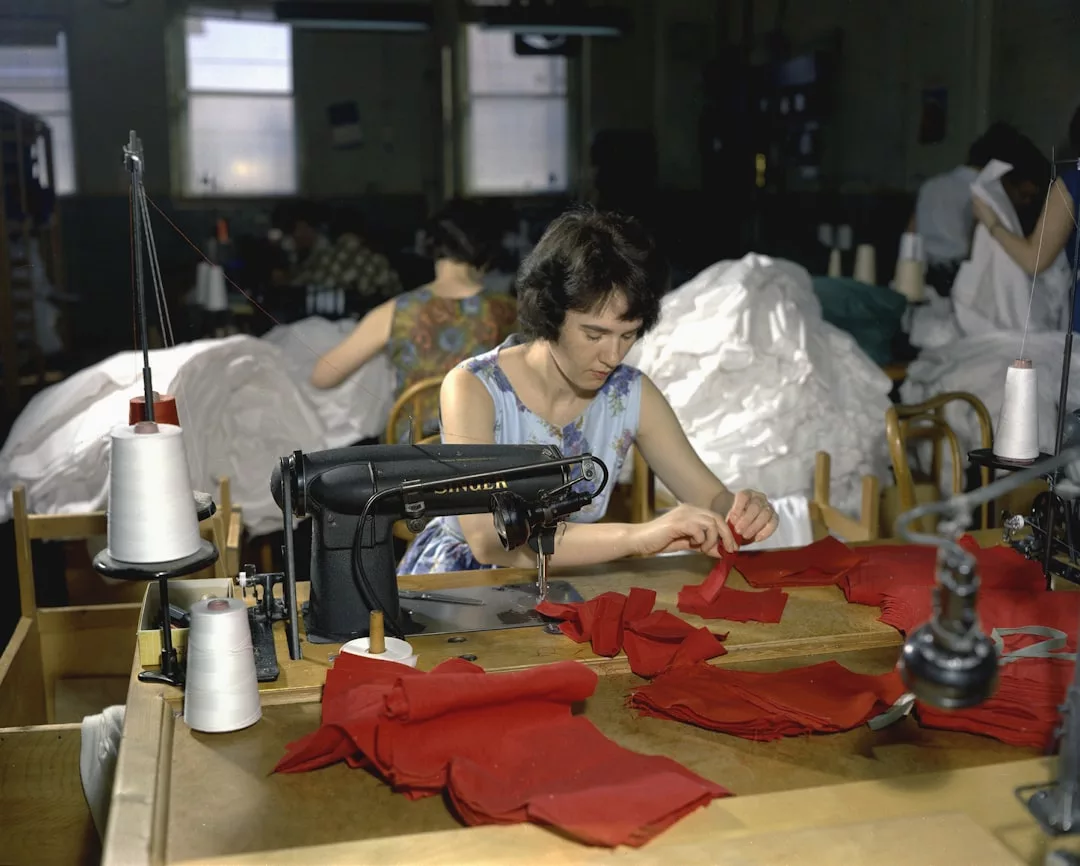
The history of carpet making in Sóller is a rich tapestry woven into the very fabric of the town’s cultural identity. This picturesque town, nestled in the Tramuntana mountains of Mallorca, has long been a center for artisanal crafts, with carpet making emerging as one of its most cherished traditions. The origins of this craft can be traced back to the late 19th century when the influx of wealth from the burgeoning agricultural economy allowed local artisans to explore and refine their skills.
Initially, carpets were made primarily for local use, serving both functional and decorative purposes in homes. However, as the town began to attract tourists, the demand for these exquisite handmade carpets grew, leading to a flourishing industry. By the early 20th century, Sóller had established itself as a hub for carpet production, with workshops springing up throughout the town.
These workshops became community centers where artisans would gather to share techniques and ideas, fostering a spirit of collaboration that enriched the craft. The carpets produced during this period were characterized by their intricate designs and vibrant colors, often inspired by the natural beauty surrounding Sóller. As the craft evolved, it began to incorporate influences from various cultures, reflecting the diverse heritage of the island and its people.
This historical context is essential for understanding the significance of carpet making in Sóller today, as it represents not only a skilled trade but also a vital link to the town’s past.
Key Takeaways
- Carpet making in Sóller has a rich history dating back to the 19th century, when it became a major industry in the town.
- Traditional techniques such as hand-weaving and natural dyeing are still used in carpet making, preserving the authenticity of Sóller carpets.
- Visitors can explore historic carpet workshops in Sóller, where they can witness the skilled artisans at work and learn about the intricate process of carpet making.
- Sóller’s culture and stunning landscape inspire the unique designs and vibrant colors found in the town’s carpets.
- Meeting the artisans behind Sóller carpets offers a glimpse into the dedication and craftsmanship that goes into creating these exquisite pieces.
Traditional Techniques and Materials Used in Carpet Making
The traditional techniques employed in carpet making in Sóller are a testament to the skill and dedication of local artisans. One of the most notable methods is hand-knotting, a labor-intensive process that requires immense patience and precision. Artisans use a loom to create carpets by tying individual knots of wool or cotton yarn onto a foundation.
This technique allows for intricate patterns and designs to emerge, showcasing the artisan’s creativity and expertise. The process can take weeks or even months, depending on the size and complexity of the carpet, making each piece a unique work of art. In terms of materials, Sóller carpets are primarily made from high-quality wool sourced from local sheep.
This wool is prized for its durability and natural luster, which enhances the vibrancy of the colors used in the carpets. Additionally, artisans often incorporate natural dyes derived from plants and minerals, resulting in rich hues that are both environmentally friendly and visually stunning. The use of these traditional materials not only contributes to the authenticity of each carpet but also reflects a deep respect for nature and sustainable practices.
As artisans continue to uphold these time-honored techniques, they ensure that the legacy of carpet making in Sóller remains vibrant and relevant.
Visiting the Historic Carpet Workshops in Sóller
A visit to the historic carpet workshops in Sóller offers an immersive experience into the world of traditional craftsmanship. Many workshops are open to the public, allowing visitors to witness firsthand the intricate processes involved in carpet making. As you step inside these workshops, you are greeted by the sight of artisans diligently working at their looms, their hands deftly weaving colorful threads into stunning patterns.
The atmosphere is often filled with the rhythmic sounds of weaving and the faint scent of natural dyes, creating an ambiance that transports you back in time. Guided tours are frequently available, providing insights into the history and techniques of carpet making. Artisans share their personal stories and experiences, offering a glimpse into their passion for this age-old craft.
Visitors can also participate in workshops where they can try their hand at knotting or dyeing wool under the guidance of skilled artisans. This hands-on experience not only deepens appreciation for the craft but also fosters a connection between visitors and the local culture. The workshops serve as living museums, preserving the art of carpet making while simultaneously engaging with a new generation of enthusiasts.
The Influence of Sóller’s Culture and Landscape on Carpet Designs
The cultural heritage and breathtaking landscape of Sóller have profoundly influenced the designs found in its carpets. The town’s unique blend of Mediterranean and Moorish influences is reflected in intricate geometric patterns and vibrant color palettes that echo the natural surroundings. For instance, many carpets feature motifs inspired by local flora such as olive trees, citrus fruits, and wildflowers that flourish in the region’s fertile soil.
These designs not only celebrate the beauty of nature but also serve as a reminder of Sóller’s agricultural roots. Moreover, the historical context of Sóller plays a significant role in shaping carpet designs. The town’s rich maritime history is often depicted through patterns reminiscent of waves or nautical themes, symbolizing its connection to trade and exploration.
Additionally, traditional Mallorcan architecture influences carpet motifs, with elements such as arches and tiles appearing in various designs. This interplay between culture and landscape creates carpets that are not merely decorative items but also narratives that tell stories about Sóller’s identity and heritage.
Meeting the Skilled Artisans Behind the Exquisite Carpets
The artisans behind Sóller’s exquisite carpets are not just skilled craftsmen; they are custodians of a rich tradition that has been passed down through generations. Many artisans begin their training at a young age, often learning from family members who have dedicated their lives to this craft. This apprenticeship model ensures that techniques are preserved while allowing for personal expression within each artisan’s work.
As you meet these skilled individuals, you quickly realize that their passion for carpet making goes beyond mere livelihood; it is a profound connection to their cultural heritage. Each artisan brings their unique perspective to their work, resulting in a diverse array of styles and designs within Sóller’s carpet industry. Some may focus on traditional patterns that honor historical techniques, while others experiment with contemporary designs that push the boundaries of creativity.
Regardless of their approach, all artisans share a commitment to quality and craftsmanship that is evident in every piece they create. Engaging with these artisans provides valuable insights into their creative processes and challenges, fostering a deeper appreciation for the artistry involved in carpet making.
Exploring the Unique Patterns and Colors of Sóller Carpets
The patterns and colors found in Sóller carpets are as diverse as they are captivating. Artisans often draw inspiration from both nature and culture, resulting in designs that range from intricate floral motifs to bold geometric shapes. One common theme is the use of vibrant colors that reflect the Mediterranean landscape, deep blues reminiscent of the sea, bright yellows echoing sunlit citrus groves, and earthy greens symbolizing olive trees.
These colors are not only visually striking but also imbued with cultural significance; for example, blue may represent tranquility while red can symbolize passion. The uniqueness of Sóller carpets lies not only in their visual appeal but also in their storytelling capabilities. Each pattern can convey specific meanings or historical references, allowing carpets to serve as cultural artifacts that preserve local traditions.
For instance, some designs may depict scenes from local folklore or historical events significant to Sóller’s identity. This narrative quality adds depth to each piece, transforming it from a mere decorative item into a meaningful representation of the community’s heritage.
The Role of Carpets in Sóller’s Economy and Tourism
Carpet making plays a vital role in Sóller’s economy, contributing significantly to both local livelihoods and tourism revenue. The industry provides employment opportunities for artisans and craftspeople who rely on this traditional trade for their income. As demand for authentic handmade carpets continues to grow among tourists seeking unique souvenirs, workshops have become essential economic drivers within the community.
This influx of visitors not only supports local artisans but also stimulates related sectors such as hospitality and retail. Tourism has become increasingly important for sustaining Sóller’s carpet-making tradition. Many visitors are drawn to the town specifically for its artisanal crafts, including carpets, which they view as authentic representations of Mallorcan culture.
Workshops often host exhibitions or events showcasing their work, attracting both locals and tourists alike. This interaction fosters an appreciation for traditional craftsmanship while ensuring that future generations remain connected to their cultural heritage through continued support for local artisans.
Sóller’s Carpet Workshops: A Hub of Creativity and Innovation
Sóller’s carpet workshops have evolved into vibrant hubs of creativity and innovation where tradition meets modernity. While many artisans remain committed to preserving age-old techniques, there is also a growing movement towards experimentation with new materials and designs. This blending of old and new allows artisans to reach broader audiences while maintaining authenticity in their work.
For instance, some workshops have begun incorporating synthetic fibers alongside traditional wool to create more affordable options without compromising quality. Moreover, collaborations between artisans and contemporary designers have led to exciting new interpretations of traditional patterns. These partnerships often result in limited-edition collections that appeal to modern sensibilities while honoring historical roots.
Such initiatives not only breathe new life into carpet making but also ensure its relevance in an ever-changing market landscape. By embracing innovation while respecting tradition, Sóller’s carpet workshops continue to thrive as centers of artistic expression.
Preserving the Legacy of Carpet Making in Sóller
Preserving the legacy of carpet making in Sóller is crucial for maintaining cultural identity amidst globalization and modernization pressures. Various initiatives have emerged aimed at safeguarding this artisanal craft for future generations. Educational programs have been established within local schools to introduce students to traditional techniques early on, fostering interest in craftsmanship among young people.
Workshops often host open days or community events where families can learn about carpet making together, creating opportunities for intergenerational knowledge transfer. Additionally, organizations dedicated to promoting traditional crafts play an essential role in advocating for artisans’ rights and ensuring fair trade practices within the industry. By raising awareness about the importance of supporting local craftsmanship over mass-produced alternatives, these organizations help sustain interest in Sóller’s unique carpets while encouraging responsible consumer behavior.
Through these collective efforts, both grassroots initiatives and institutional support, the legacy of carpet making continues to thrive within this enchanting town.
How to Purchase Authentic Sóller Carpets
For those interested in acquiring authentic Sóller carpets, several avenues exist that ensure you receive genuine pieces crafted by local artisans. Visiting workshops directly offers an unparalleled opportunity to purchase carpets straight from the source while gaining insights into their creation process.
Additionally, local markets often feature stalls dedicated to handmade goods where artisans showcase their work alongside other craftspeople from Sóller. These markets provide an excellent platform for discovering unique designs while supporting local economies directly. When purchasing carpets outside these venues, such as online retailers, it’s essential to verify authenticity by seeking out reputable sellers who prioritize fair trade practices and transparency regarding sourcing materials.
The Future of Carpet Making in Sóller: Modern Trends and Challenges
As we look toward the future of carpet making in Sóller, several modern trends emerge alongside challenges facing this cherished craft. One notable trend is an increasing emphasis on sustainability; many artisans are exploring eco-friendly practices by utilizing organic materials or adopting low-impact dyeing techniques that minimize environmental harm. This shift reflects broader global movements toward sustainability within artisanal industries while appealing to conscious consumers seeking ethically produced goods.
However, challenges persist as well: particularly regarding competition from mass-produced alternatives that threaten traditional craftsmanship’s viability within an increasingly globalized market landscape. To combat this issue effectively requires ongoing efforts toward education about quality versus quantity among consumers while fostering appreciation for handmade artistry over machine-made products. In conclusion, while modern trends present opportunities for growth within Sóller’s carpet-making industry, such as embracing sustainability, artisans must navigate challenges posed by globalization carefully if they wish to preserve their rich heritage intact for future generations.
More in
More from Mallorca

Mallorca · 8 min
Premium Real Estate Advisory for Palma Property Purchases
In the complex world of real estate, having a knowledgeable advisor can make a significant difference in the buying or selling process. Real estate ad…

Mallorca · 7 min
Discover the Hiking Pilgrimage to Lluc Monastery
The significance of Lluc Monastery extends beyond its religious importance; it has played a crucial role in preserving Mallorcan culture and tradition…

Mallorca · 8 min
Exclusive Sunset Visits to Caves Del Hams in Porto Cristo
Nestled on the eastern coast of Mallorca, the Caves Del Hams are a breathtaking natural wonder that draws visitors from around the globe. Located near…