Mallorca · Mallorca
Discovering Palma’s La Lonja: Art and Architecture Tours
La Lonja de Palma, located in the heart of Mallorca’s capital, is a historical building that has stood as a testament to the island’s rich maritime and commercial herit…
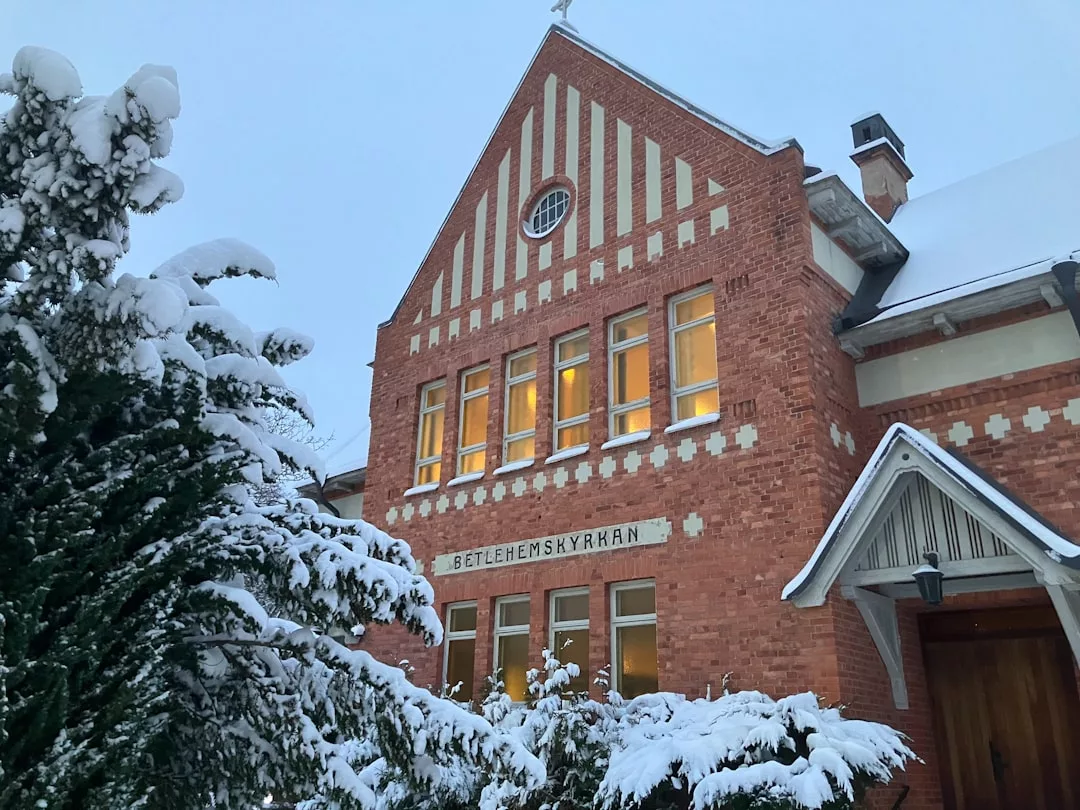
La Lonja de Palma, located in the heart of Mallorca’s capital, is a historical building that has stood as a testament to the island’s rich maritime and commercial heritage. The building’s establishment coincided with a period of economic prosperity in Mallorca, driven by its strategic location in the Mediterranean, which facilitated trade routes between Europe and North Africa.
The architectural design reflects the Gothic style prevalent during the late Middle Ages, characterized by its soaring arches and intricate details. The building’s significance extends beyond its architectural beauty; it played a crucial role in the economic development of Palma. As a hub for commerce, La Lonja attracted merchants from various regions, fostering a vibrant marketplace that contributed to the island’s wealth.
Over the centuries, the building has undergone various transformations, serving different purposes, including a stock exchange and a venue for cultural events. Today, La Lonja stands not only as a historical monument but also as a symbol of Palma’s enduring legacy as a center of trade and culture.
Key Takeaways
- La Lonja is a historic landmark in Palma, Spain, with a rich history dating back to the 15th century.
- The Gothic architecture of La Lonja is a sight to behold, featuring intricate arches, columns, and ornate details.
- The sculptures and carvings at La Lonja showcase exquisite craftsmanship and tell stories of the past.
- La Lonja plays a significant role in Palma’s art and architecture scene, attracting artists, architects, and art enthusiasts.
- The influence of La Lonja can be seen in modern art and design, inspiring contemporary artists and designers.
Exploring the Gothic Architecture of La Lonja
The Grandiose Façade
The building is characterized by its grandiose façade, featuring pointed arches and ribbed vaults that create an impression of verticality and lightness. The use of local limestone gives the structure a warm hue that changes with the light throughout the day, enhancing its visual appeal.Intricate Carvings and Maritime Motifs
The façade is adorned with intricate carvings that depict various motifs, including maritime symbols that pay homage to Palma’s seafaring history. Inside, La Lonja boasts an expansive central hall supported by slender columns that rise to meet the vaulted ceiling.A Dynamic Atmosphere
The interplay of light and shadow within the hall creates a dynamic atmosphere, inviting visitors to explore its vastness. The design elements reflect not only the aesthetic preferences of the time but also practical considerations for ventilation and acoustics, making it an exemplary model of Gothic architecture adapted for commercial use.The Intricate Details of La Lonja’s Sculptures and Carvings
One of the most captivating aspects of La Lonja is its intricate sculptures and carvings that adorn both the interior and exterior of the building. These artistic details serve not only as decorative elements but also as narrative devices that convey stories and cultural significance. The façade features numerous reliefs depicting scenes from mythology and local history, showcasing the craftsmanship of artisans who dedicated their skills to this monumental project.
Among these carvings are representations of sea creatures and allegorical figures that symbolize trade and prosperity. Inside La Lonja, visitors can find exquisite carvings on the capitals of columns and along the walls. These details often include floral motifs, geometric patterns, and figures that reflect the influence of both Gothic and Moorish artistic traditions.
The craftsmanship is remarkable; each carving tells a story or conveys a message about the values and beliefs of the society that created it. The attention to detail is evident in every aspect, from the delicate lines of a flower to the expressive faces of human figures, making La Lonja a treasure trove for art enthusiasts and historians alike.
The Importance of La Lonja in Palma’s Art and Architecture Scene
La Lonja holds a prominent place in Palma’s art and architecture scene, serving as a focal point for cultural activities and artistic expression. Its historical significance as a marketplace has evolved into a contemporary role as a venue for art exhibitions, performances, and cultural events. This transformation has allowed La Lonja to remain relevant in today’s society while preserving its historical essence.
Local artists often showcase their work within its walls, creating a dialogue between past and present that enriches Palma’s cultural landscape. Moreover, La Lonja’s architectural grandeur attracts not only locals but also international visitors who come to admire its beauty and historical significance. The building has become an essential stop on architectural tours of Palma, where guides share insights into its design and history.
This interest in La Lonja contributes to a broader appreciation for Gothic architecture in Mallorca and beyond, inspiring new generations of architects and artists to draw from its legacy while pushing creative boundaries.
The Influence of La Lonja on Modern Art and Design
The influence of La Lonja extends beyond its historical context; it has also inspired modern art and design movements. Contemporary artists often reference its architectural elements in their work, exploring themes of space, light, and texture that are prevalent in La Lonja’s design. The building’s harmonious proportions and intricate details serve as a backdrop for artistic experimentation, allowing artists to engage with history while creating innovative pieces that resonate with modern audiences.
In addition to visual arts, La Lonja’s architectural style has influenced contemporary design practices. Architects today often look to Gothic elements for inspiration when designing public spaces or cultural institutions. The principles of balance, symmetry, and ornamentation found in La Lonja can be seen in various modern buildings that seek to evoke a sense of history while incorporating contemporary materials and technologies.
This dialogue between past and present highlights the enduring relevance of La Lonja as a source of inspiration for creative minds across disciplines.
The Art Tours Available at La Lonja: What to Expect
Visitors to La Lonja can immerse themselves in its rich history through guided art tours that offer insights into its architectural features and artistic significance. These tours typically begin with an overview of the building’s history, detailing its construction and evolution over the centuries. Knowledgeable guides share anecdotes about the artisans who contributed to its design, providing context for the intricate sculptures and carvings that adorn its walls.
As participants explore the interior spaces, they are encouraged to engage with the artwork on display, which often includes contemporary exhibitions alongside historical artifacts. Many tours incorporate interactive elements, allowing visitors to ask questions and discuss their interpretations of the art they encounter. This immersive experience not only deepens appreciation for La Lonja’s artistic heritage but also fosters a connection between visitors and the cultural narratives embedded within its walls.
The Significance of La Lonja in Spanish History and Culture
La Lonja is not merely an architectural marvel; it is also a significant landmark in Spanish history and culture. Its construction during the height of Mallorca’s economic prosperity reflects broader trends in trade and commerce across Spain during the late Middle Ages. As a center for silk trade, La Lonja played a pivotal role in establishing Mallorca as an important player in Mediterranean commerce, influencing economic relationships between Spain and other regions.
Furthermore, La Lonja embodies the cultural exchange that characterized this period in Spanish history. The blending of Gothic architectural styles with Moorish influences speaks to the diverse cultural heritage of Mallorca, where different civilizations coexisted and contributed to a rich tapestry of artistic expression. This cultural significance continues to resonate today, as La Lonja serves as a reminder of Spain’s complex history and its ongoing evolution as a nation shaped by various influences.
The Hidden Gems of La Lonja: Lesser-Known Art and Architecture
While La Lonja is renowned for its grand architecture and prominent sculptures, it also harbors lesser-known artistic treasures that deserve attention. These hidden gems often reflect local folklore or historical events that may not be widely recognized but add depth to the overall narrative of La Lonja.
Additionally, some areas within La Lonja feature temporary installations by emerging artists who seek to engage with the space creatively. These contemporary works often juxtapose modern themes with historical context, inviting viewers to consider how art evolves over time while remaining rooted in tradition. Exploring these lesser-known aspects of La Lonja can provide visitors with a more nuanced understanding of its significance as both an architectural landmark and an evolving cultural space.
The Restoration and Preservation Efforts at La Lonja
The preservation of La Lonja is crucial for maintaining its historical integrity and ensuring future generations can appreciate its beauty. Over the years, various restoration projects have been undertaken to address wear and tear caused by environmental factors and human activity. These efforts involve meticulous research into traditional construction techniques and materials used during its original construction to ensure authenticity in restoration work.
One notable restoration project focused on repairing the intricate stone carvings that adorn the building’s façade. Skilled artisans were brought in to carefully restore damaged sections while preserving original features wherever possible. This commitment to authenticity not only safeguards La Lonja’s architectural heritage but also serves as an educational opportunity for craftsmen learning traditional techniques from experienced artisans.
The Impact of La Lonja on Palma’s Tourism and Economy
La Lonja plays a vital role in Palma’s tourism industry, attracting thousands of visitors each year who come to admire its architectural splendor and cultural significance. As one of Palma’s most iconic landmarks, it serves as a focal point for tourists exploring the city’s rich history. The influx of visitors contributes significantly to the local economy through spending on guided tours, souvenirs, dining, and other related activities.
Moreover, La Lonja’s status as a cultural hub enhances Palma’s appeal as a destination for art lovers and history enthusiasts alike. Events held within its walls often draw attention from both locals and tourists, further stimulating economic activity in surrounding areas. This symbiotic relationship between La Lonja and Palma’s economy underscores the importance of preserving such landmarks not only for their historical value but also for their contributions to contemporary society.
The Future of La Lonja: What’s Next for this Iconic Landmark
Looking ahead, La Lonja is poised to continue evolving as both an architectural landmark and a cultural center in Palma. Plans are underway to enhance visitor experiences through improved accessibility features while maintaining respect for its historical integrity. This includes developing educational programs aimed at engaging younger audiences with art history through interactive workshops held within its spaces.
Additionally, ongoing collaborations with local artists promise to keep La Lonja vibrant by showcasing contemporary works alongside traditional exhibitions. By fostering an environment where creativity thrives within this historic setting, La Lonja can remain relevant in today’s rapidly changing cultural landscape while honoring its rich past. As it continues to adapt to modern needs while preserving its heritage, La Lonja will undoubtedly remain an enduring symbol of Palma’s artistic spirit for generations to come.
More in
More from Mallorca
Mallorca · 8 min
Premium Real Estate Advisory for Palma Property Purchases
In the complex world of real estate, having a knowledgeable advisor can make a significant difference in the buying or selling process. Real estate ad…
Mallorca · 7 min
Discover the Hiking Pilgrimage to Lluc Monastery
The significance of Lluc Monastery extends beyond its religious importance; it has played a crucial role in preserving Mallorcan culture and tradition…
Mallorca · 8 min
Exclusive Sunset Visits to Caves Del Hams in Porto Cristo
Nestled on the eastern coast of Mallorca, the Caves Del Hams are a breathtaking natural wonder that draws visitors from around the globe. Located near…