Fashion · Fashion
Dressing to Impress: The Art of Formal Wear
First impressions are often described as lasting impressions, and this adage holds significant weight in both personal and professional contexts. When one enters a room, the initia…
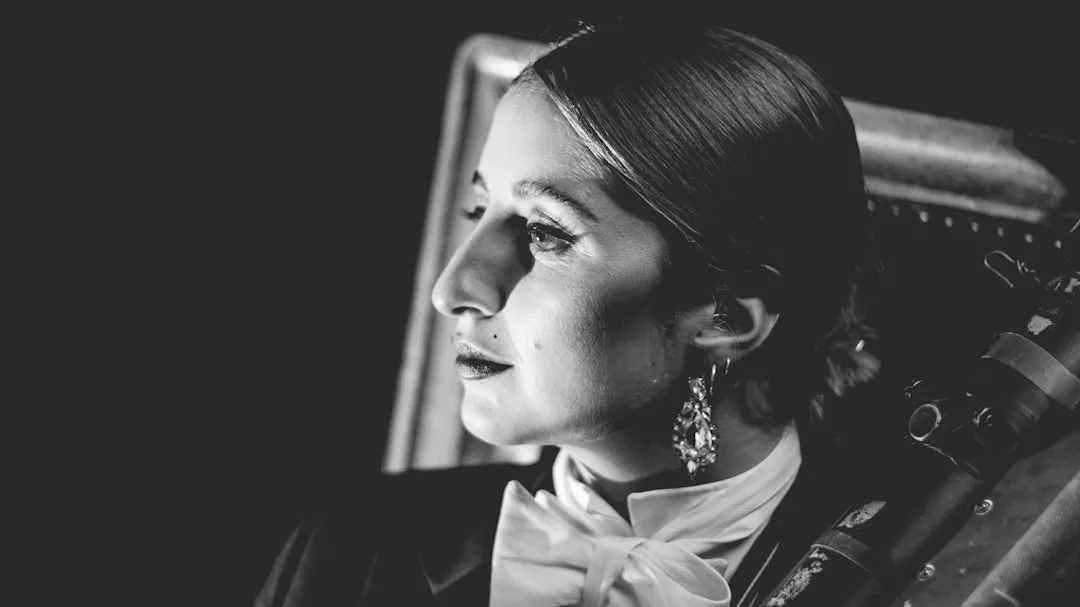
First impressions are often described as lasting impressions, and this adage holds significant weight in both personal and professional contexts. When one enters a room, the initial perception formed by others can influence relationships, opportunities, and even career trajectories. Research indicates that it takes mere seconds for individuals to form judgments about others based on appearance alone.
This underscores the critical nature of dressing appropriately for various occasions, particularly formal events where expectations are heightened. A well-tailored suit or an elegant gown can convey confidence, professionalism, and respect for the occasion, while a lack of attention to attire may suggest carelessness or a lack of seriousness. Moreover, first impressions extend beyond mere aesthetics; they encapsulate an individual’s personality and values.
For instance, someone who arrives at a formal gathering dressed impeccably demonstrates an understanding of social norms and an appreciation for the event’s significance. This can foster trust and rapport among peers and superiors alike. In contrast, an inappropriate outfit can lead to misinterpretations and missed opportunities.
Thus, the importance of first impressions cannot be overstated; they serve as the foundation upon which relationships are built and can significantly impact one’s social and professional life.
Key Takeaways
- First impressions are crucial and can greatly impact how others perceive you
- Understanding formal dress codes is important for making appropriate wardrobe choices
- Choosing the right suit involves considering factors such as fabric, fit, and style
- Accessories have the power to elevate and complete a formal outfit
- Dressing for black tie events requires adherence to specific guidelines and attire choices
Understanding Formal Dress Codes
Formal dress codes can often seem daunting due to their varying interpretations and expectations across different cultures and events. At their core, these codes serve to establish a standard of attire that aligns with the occasion’s level of formality. The most common formal dress codes include black tie, white tie, cocktail attire, and business formal.
Each of these categories has specific guidelines that dictate what is considered appropriate, and understanding these nuances is essential for anyone looking to navigate formal events successfully. Black tie events typically require men to wear a tuxedo, complete with a bow tie, while women often opt for floor-length gowns or elegant cocktail dresses.
Cocktail attire strikes a balance between formal and casual, allowing for more creativity in outfit choices while still maintaining an air of sophistication. Business formal attire is often required in corporate settings, where men may wear dark suits and ties, while women might choose tailored dresses or suits. Familiarity with these dress codes not only helps individuals dress appropriately but also demonstrates respect for the event and its hosts.
Choosing the Right Suit
Selecting the right suit is a pivotal aspect of dressing for formal occasions, as it serves as the foundation of one’s overall appearance. The choice of fabric, color, and cut can significantly influence how a suit is perceived. For instance, wool suits are often favored for their versatility and comfort, making them suitable for various seasons.
Lighter fabrics such as linen or cotton may be more appropriate for summer events, while heavier materials like tweed or flannel are ideal for colder months. Additionally, color plays a crucial role; classic shades like navy, charcoal, or black are timeless choices that exude professionalism and elegance. The cut of the suit is equally important in ensuring a polished look.
Tailored suits that fit well enhance the wearer’s silhouette and convey confidence. Men should consider options such as single-breasted or double-breasted jackets based on their body type and personal style preferences. Furthermore, details such as lapel style, whether notch, peak, or shawl, can add character to the suit while still adhering to formal standards.
Ultimately, choosing the right suit involves a careful balance of fabric, color, and cut to create an ensemble that not only meets the event’s requirements but also reflects the wearer’s individuality.
The Power of Accessories
Accessories play a crucial role in elevating formal attire from ordinary to extraordinary. They serve as the finishing touches that can enhance an outfit’s overall aesthetic while allowing for personal expression. For men, accessories such as ties, pocket squares, cufflinks, and watches can add sophistication and flair to a suit.
A well-chosen tie can introduce color or pattern into an otherwise monochromatic ensemble, while a pocket square can provide a touch of elegance and personality. Cufflinks offer an opportunity to showcase unique designs or materials that reflect one’s style. For women, accessories can be equally transformative.
Jewelry such as statement earrings or delicate necklaces can draw attention to the face and complement the gown’s neckline. Handbags also play a significant role; a chic clutch can enhance an evening gown while remaining practical for carrying essentials. Shoes are another critical accessory; they should not only match the formality of the outfit but also provide comfort throughout the event.
Ultimately, accessories allow individuals to personalize their formal wear while adhering to the event’s dress code.
Dressing for Black Tie Events
Black tie events are synonymous with elegance and sophistication, requiring attendees to adhere to specific sartorial standards that reflect the occasion’s formality. For men, this typically means donning a tuxedo, a classic choice that has stood the test of time. The traditional black tuxedo jacket paired with matching trousers creates a streamlined silhouette that exudes refinement.
A white dress shirt with a wing or turndown collar is essential, along with a black bow tie that completes the look. It is also common to wear patent leather shoes or polished oxfords to maintain a cohesive appearance. Women attending black tie events have more flexibility in their attire but are generally expected to wear floor-length gowns or elegant cocktail dresses.
The choice of fabric is crucial; luxurious materials such as silk or satin enhance the overall aesthetic while providing comfort throughout the evening. Accessories should complement the gown without overwhelming it; understated jewelry and elegant clutches are often preferred. Additionally, hairstyles should reflect the formality of the event, updos or sleek styles are popular choices that add sophistication to the overall look.
Navigating White Tie Events
White tie events represent the pinnacle of formal dress codes and require attendees to adhere to strict guidelines that reflect their elevated status. For men, this means wearing a tailcoat, a long coat with a cutaway front, paired with matching trousers featuring a satin stripe down the side. A white bow tie is mandatory, along with a white waistcoat that adds an extra layer of formality.
The ensemble is typically completed with polished black shoes and white gloves, which are often worn during certain parts of the event. Women attending white tie events are expected to wear full-length evening gowns that embody elegance and sophistication. The gown should be made from luxurious fabrics such as silk or chiffon and may feature intricate details like lace or beading.
Accessories should be kept understated yet refined; long gloves are often worn to enhance the formal nature of the outfit. Hairstyles should also reflect the occasion’s grandeur, elaborate updos adorned with hairpieces or elegant curls are popular choices that complete the sophisticated look.
Tips for Women’s Formal Wear
When it comes to women’s formal wear, several key considerations can help ensure an elegant appearance at any event. First and foremost is understanding body shape; selecting a gown that flatters one’s figure can significantly enhance confidence and comfort throughout the evening. A-line silhouettes are universally flattering, while fitted styles may accentuate curves beautifully.
Additionally, considering fabric choice is essential; heavier materials may provide structure while lighter fabrics offer fluidity. Color selection also plays a vital role in women’s formal wear; certain hues may evoke specific moods or themes associated with particular events. For instance, jewel tones like emerald green or sapphire blue can convey sophistication and elegance, while softer pastels may evoke a more romantic feel.
Accessories should complement rather than overpower the gown; choosing statement pieces that draw attention without overwhelming the overall look is key. Finally, comfort should never be overlooked, selecting shoes that provide support will allow for graceful movement throughout the event.
The Etiquette of Formal Wear
Understanding the etiquette surrounding formal wear is crucial for navigating social situations with grace and poise. One fundamental aspect is adhering to the specified dress code outlined in invitations; failing to do so can be perceived as disrespectful to hosts and other attendees alike. It is essential to research what each dress code entails and ensure that one’s attire aligns with those expectations.
Additionally, attention should be paid to grooming and personal hygiene when attending formal events. This includes ensuring that clothing is clean and pressed, shoes are polished, and hair is styled appropriately for the occasion. Furthermore, being mindful of accessories is important; while they can enhance an outfit’s appeal, over-accessorizing can detract from its elegance.
Ultimately, practicing good etiquette in formal wear not only reflects positively on oneself but also contributes to creating an enjoyable atmosphere for all attendees.
Tailoring and Fit
The fit of formal wear is perhaps one of the most critical factors in achieving a polished appearance. Off-the-rack clothing often requires tailoring to ensure it flatters one’s unique body shape properly. A well-fitted suit or gown enhances not only comfort but also confidence; when clothing fits correctly, it allows individuals to move freely without feeling restricted or self-conscious.
For men, tailoring may involve adjusting sleeve lengths, pant hems, or jacket shoulders to achieve an ideal fit. Women may require alterations in areas such as bustlines or waistlines to ensure their gowns drape beautifully over their figures. Investing in tailoring services can make a significant difference in how formal wear looks on an individual; even minor adjustments can elevate an outfit from average to exceptional.
Incorporating Personal Style
While adhering to formal dress codes is essential, incorporating personal style into formal wear allows individuals to express their uniqueness while still respecting social norms. This can be achieved through various means, selecting bold colors or patterns that resonate with one’s personality can make an outfit stand out without compromising its formality. Accessories provide another avenue for personal expression; choosing distinctive pieces such as custom cufflinks or statement jewelry can add character to an otherwise traditional ensemble.
Additionally, experimenting with different silhouettes or cuts can help individuals find styles that resonate with their personal aesthetic while still adhering to event guidelines. Ultimately, finding ways to incorporate personal style into formal wear allows individuals to feel authentic while navigating social expectations.
Maintaining and Caring for Formal Wear
Proper maintenance and care of formal wear are essential for preserving its quality and longevity over time. Many fabrics used in formal attire require special attention; dry cleaning is often recommended for suits and gowns made from delicate materials such as silk or wool to prevent damage during washing processes.
Avoiding overcrowding in closets helps maintain shape integrity while preventing wrinkles from forming over time. Regular inspections of formal wear can help identify any signs of wear or damage early on; addressing issues promptly ensures garments remain in excellent condition for future events. By investing time into maintaining formal attire properly, individuals can enjoy their favorite pieces for years to come while always looking their best at any occasion.
More in
More from Fashion
Fashion · 2 min
Silk and Sartorial Smarts: Embracing the Singular Garment Principle
In an age of overwhelming choice, the ultimate luxury isn’t having more, it’s having the right thing. The modern wardrobe is undergoing a quiet r…

Fashion · 9 min
Timeless Style: The Trench Coat
The trench coat has a rich and storied history that dates back to the late 19th century. Originally designed for military use, the trench coat was cre…
Fashion · 8 min
Styling Culottes: The Perfect Balance of Comfort and Chic
Culottes have made a significant resurgence in contemporary fashion, captivating the attention of style enthusiasts and casual wearers alike. These ve…