Family · Family
Effective Behavior Management Strategies for a Calm Classroom
Behavior management is a critical component of effective teaching and learning. It encompasses a range of strategies and practices that educators employ to promote positive behavio…
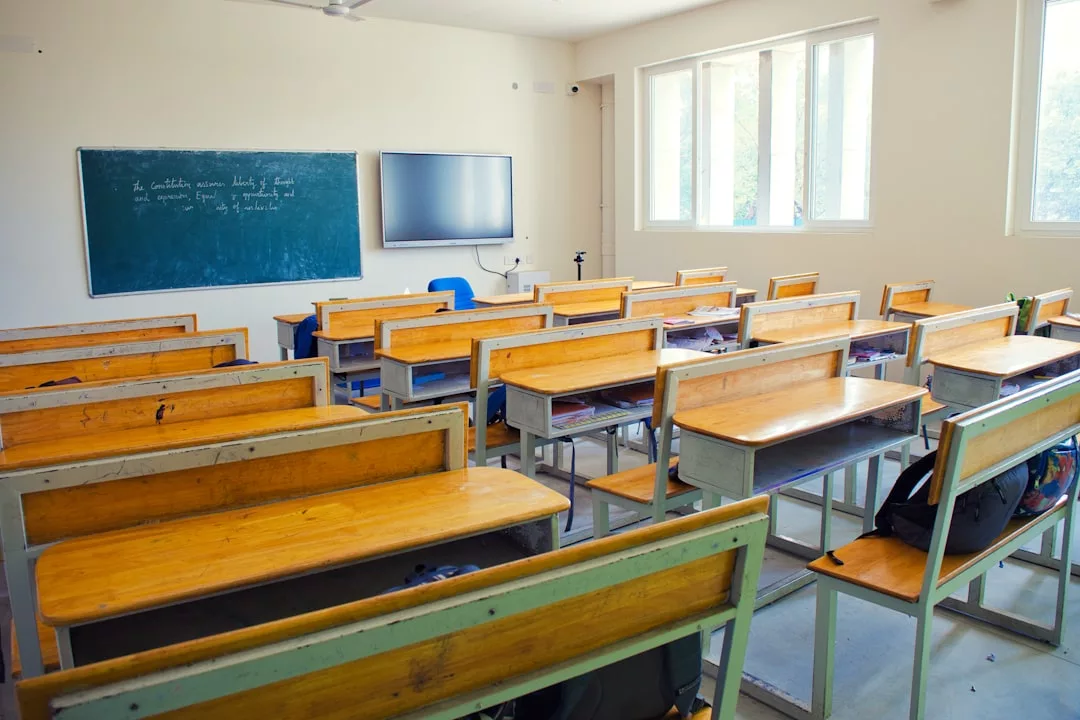
Behavior management is a critical component of effective teaching and learning. It encompasses a range of strategies and practices that educators employ to promote positive behavior and minimize disruptions in the classroom. The significance of behavior management extends beyond mere discipline; it plays a vital role in creating an environment conducive to learning.
When students feel safe and respected, they are more likely to engage actively in their education, leading to improved academic outcomes. Moreover, effective behavior management fosters social-emotional development, helping students learn essential skills such as empathy, cooperation, and conflict resolution. In addition to enhancing the learning environment, behavior management is essential for establishing a sense of community within the classroom.
A well-managed classroom promotes mutual respect among students and between students and teachers. This sense of belonging can significantly impact students’ motivation and engagement levels. When students understand the expectations and feel supported in their efforts to meet them, they are more likely to take ownership of their behavior and contribute positively to the classroom culture.
Thus, behavior management is not merely about maintaining order; it is about nurturing a thriving educational ecosystem where all students can flourish.
Key Takeaways
- Understanding the importance of behavior management is crucial for creating a positive and supportive classroom environment.
- Establishing clear and consistent expectations helps prevent behavior issues and promotes a sense of security for students.
- Implementing proactive strategies is key to preventing behavior issues and creating a positive learning environment.
- Using positive reinforcement encourages desired behaviors and helps students feel valued and motivated.
- Addressing misbehavior with calm and respectful responses models self-regulation techniques and promotes a positive classroom culture.
Creating a Positive and Supportive Classroom Environment
Encouraging Collaboration and Communication
To cultivate a positive atmosphere, educators can implement various strategies, such as incorporating collaborative learning activities that promote teamwork and communication. By engaging students in group projects or discussions, teachers can foster relationships among classmates, which can lead to increased empathy and understanding.Creating an Inviting Physical Environment
The physical layout of the classroom plays a significant role in creating a supportive environment. Classrooms that are organized, inviting, and equipped with resources that cater to diverse learning styles can enhance student engagement. For instance, flexible seating arrangements allow students to choose where they feel most comfortable working, which can lead to increased focus and productivity.Fostering a Sense of Belonging
Furthermore, displaying student work and celebrating achievements can instill a sense of pride and belonging among students, reinforcing the idea that their contributions are valued. This can lead to a more positive and supportive classroom environment, where students feel encouraged to express themselves and engage with their peers and teachers.Establishing Clear and Consistent Expectations
Establishing clear and consistent expectations is paramount for effective behavior management. When students understand what is expected of them, they are more likely to adhere to those guidelines. Educators should communicate these expectations explicitly at the beginning of the school year and revisit them regularly throughout the academic term.
This can be achieved through discussions, visual aids, or even role-playing scenarios that illustrate appropriate behaviors in various situations. Consistency is equally important in enforcing these expectations. When rules are applied uniformly across all students, it fosters a sense of fairness and accountability.
Inconsistent enforcement can lead to confusion and frustration among students, undermining their trust in the teacher’s authority. For example, if one student is reprimanded for talking out of turn while another is allowed to do so without consequence, it creates an environment of inequity that can breed resentment. Therefore, educators must strive to maintain consistency in their approach to behavior management while remaining flexible enough to accommodate individual circumstances.
Implementing Proactive Strategies to Prevent Behavior Issues
Proactive strategies are essential for preventing behavior issues before they arise. By anticipating potential challenges and addressing them proactively, educators can create a more harmonious classroom environment. One effective approach is to incorporate social-emotional learning (SEL) into the curriculum. Another proactive strategy involves establishing routines that provide structure and predictability for students. Routines help students understand what to expect throughout the day, reducing anxiety and uncertainty that can lead to disruptive behavior.
For instance, starting each day with a morning meeting allows students to share their thoughts and feelings while setting a positive tone for the day ahead. Additionally, incorporating brain breaks or mindfulness activities can help students manage their energy levels and emotions, further reducing the likelihood of behavioral issues.
Using Positive Reinforcement to Encourage Desired Behaviors
Positive reinforcement is a powerful tool in behavior management that encourages desired behaviors by acknowledging and rewarding them. This approach shifts the focus from punitive measures to celebrating achievements, fostering a more positive classroom atmosphere. Educators can implement various forms of positive reinforcement, such as verbal praise, tangible rewards, or special privileges for students who consistently demonstrate appropriate behaviors.
For example, a teacher might establish a token economy system where students earn tokens for exhibiting positive behaviors like helping classmates or completing assignments on time. These tokens can then be exchanged for rewards such as extra recess time or a homework pass. By recognizing and reinforcing positive behaviors, educators not only motivate individual students but also create a culture where good behavior is valued and emulated by peers.
Addressing Misbehavior with Calm and Respectful Responses
When misbehavior occurs, how educators respond is crucial in shaping future behavior. Addressing misbehavior with calmness and respect sets a tone of professionalism and empathy in the classroom. Instead of reacting impulsively or with frustration, teachers should take a moment to assess the situation before responding.
This approach allows educators to model self-regulation for their students while also demonstrating that mistakes are opportunities for growth rather than occasions for punishment. For instance, if a student disrupts class by talking during instruction, a teacher might choose to address the behavior privately rather than publicly shaming the student. By calmly discussing the issue one-on-one, the teacher can help the student understand the impact of their actions while also reinforcing the importance of respect for others’ learning experiences.
This respectful approach not only addresses the immediate issue but also fosters a sense of trust between the teacher and student, encouraging open communication in the future.
Teaching and Modeling Self-Regulation Techniques
Self-regulation is an essential skill that empowers students to manage their emotions and behaviors effectively. Educators play a pivotal role in teaching and modeling self-regulation techniques within the classroom setting. One effective method is to introduce mindfulness practices that help students become more aware of their thoughts and feelings.
Techniques such as deep breathing exercises or guided imagery can assist students in calming themselves during moments of stress or frustration. Moreover, educators can incorporate lessons on emotional intelligence into their curriculum. By discussing various emotions and appropriate responses to them, teachers can help students develop a vocabulary for expressing their feelings constructively.
Role-playing scenarios where students practice responding to challenging situations can further reinforce these skills. For example, if a student feels overwhelmed during group work, they might practice using “I” statements to express their feelings rather than resorting to disruptive behavior.
Providing Individualized Support for Students with Special Needs
Students with special needs often require individualized support when it comes to behavior management. Understanding each student’s unique challenges is crucial for developing effective strategies that cater to their specific needs. Educators should collaborate with special education professionals to create tailored behavior intervention plans that address individual goals while promoting positive behaviors.
For instance, a student with autism may benefit from visual schedules that outline daily routines or social stories that prepare them for specific situations they may encounter in the classroom. Additionally, providing sensory breaks or designated quiet spaces can help these students manage overwhelming stimuli that may lead to behavioral issues. By offering individualized support, educators not only enhance the learning experience for students with special needs but also promote inclusivity within the classroom.
Collaborating with Parents and Caregivers to Reinforce Positive Behaviors
Collaboration between educators and parents or caregivers is essential for reinforcing positive behaviors both at school and at home. Open lines of communication allow teachers to share insights about student progress while also gaining valuable information about each child’s home environment and experiences. Regular updates through newsletters, parent-teacher conferences, or digital platforms can keep parents informed about classroom expectations and strategies being implemented.
Involving parents in behavior management efforts can create a unified approach that benefits students significantly. For example, if a teacher notices a student struggling with impulsivity in class, they might suggest strategies for parents to implement at home, such as setting up consistent routines or using reward systems for positive behavior reinforcement. When parents are engaged in their child’s education and behavior management plan, it fosters a sense of partnership that ultimately supports student success.
Utilizing Restorative Practices to Repair Harmful Behaviors
Restorative practices offer an alternative approach to traditional disciplinary measures by focusing on repairing harm rather than simply punishing misbehavior. This philosophy encourages accountability while promoting healing within the classroom community. When conflicts arise between students, restorative circles provide an opportunity for those involved to discuss their feelings openly and collaboratively seek solutions.
For instance, if two students have a disagreement that escalates into conflict, a restorative circle allows them to express their perspectives while also listening to each other’s feelings. The facilitator guides the conversation toward understanding how each person’s actions affected others and encourages participants to brainstorm ways to make amends moving forward. This process not only addresses the immediate issue but also fosters empathy and strengthens relationships among classmates.
Continuously Reflecting and Adapting Behavior Management Strategies
Effective behavior management requires ongoing reflection and adaptation of strategies based on what works best for each unique classroom dynamic. Educators should regularly assess their approaches by seeking feedback from students about what they find helpful or challenging regarding behavior expectations and interventions. This feedback loop allows teachers to make informed adjustments that better meet the needs of their students.
Additionally, professional development opportunities focused on behavior management can provide educators with new insights and techniques to enhance their practice continually. Engaging in collaborative discussions with colleagues about successful strategies or challenges faced in managing student behavior can lead to innovative solutions that benefit all learners within the school community. By committing to continuous improvement in behavior management practices, educators create an environment where all students have the opportunity to thrive academically and socially.
More in
More from Family

Family · 9 min
Navigating Adolescence: Tips for Parents and Teens
Adolescence is a critical period of growth and transformation, marked by significant physical, emotional, and cognitive changes. This stage typically …

Family · 8 min
Breaking the Cycle: Confronting Domestic Violence
Domestic violence is a pervasive issue that transcends cultural, economic, and social boundaries. It encompasses a range of abusive behaviors that occ…

Family · 9 min
The Importance of Child Support for Single Parents
Single parenthood often brings with it a unique set of financial challenges that can significantly affect the quality of life for both the parent and …