Family · Family
Embracing Multigenerational Dynamics in the Workplace
The modern workplace is a tapestry woven from the threads of various generations, each contributing unique perspectives, skills, and experiences. The multigenerational workforce ty…
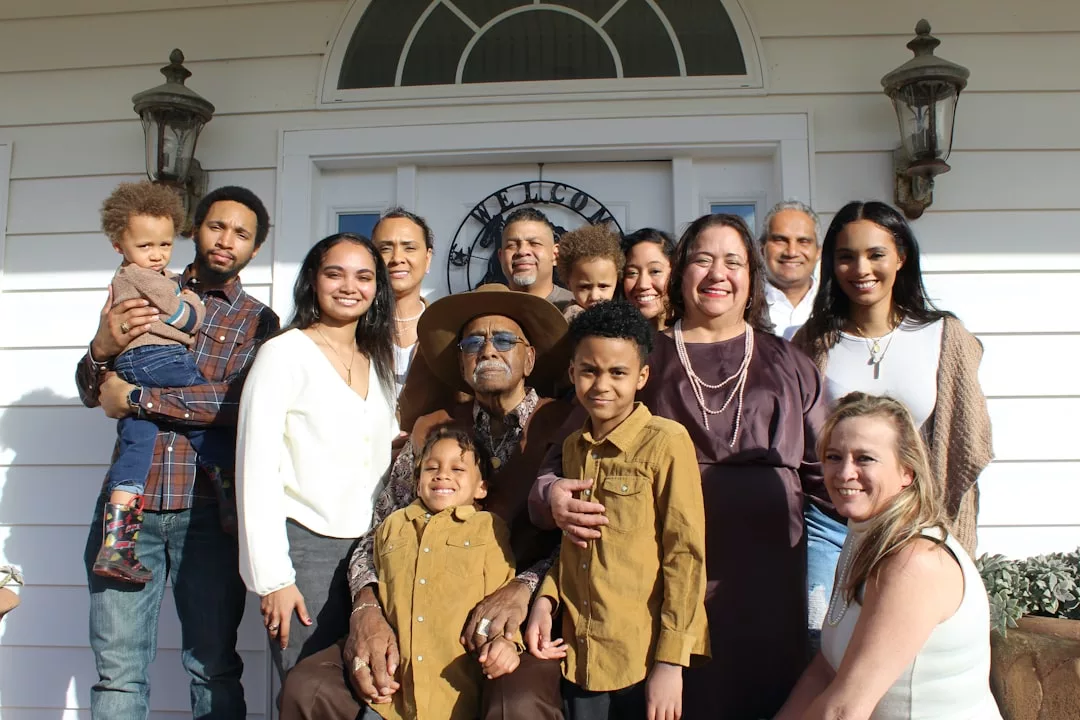
The modern workplace is a tapestry woven from the threads of various generations, each contributing unique perspectives, skills, and experiences. The multigenerational workforce typically includes Baby Boomers, Generation X, Millennials (or Generation Y), and Generation Z. Each of these cohorts has been shaped by distinct historical events, technological advancements, and cultural shifts, leading to diverse attitudes toward work, communication styles, and career aspirations.
For instance, Baby Boomers, who grew up during a time of economic prosperity and social change, often value loyalty and a strong work ethic. In contrast, Millennials, having come of age during the digital revolution, prioritize flexibility and work-life balance. Understanding these dynamics is crucial for organizations aiming to harness the full potential of their workforce.
The interplay between generations can lead to innovative ideas and solutions when managed effectively. However, it can also result in misunderstandings and conflicts if the differences are not acknowledged and addressed. For example, while Baby Boomers may prefer face-to-face meetings to discuss important matters, Millennials might lean towards digital communication tools like Slack or Zoom.
Recognizing these preferences is the first step in creating a harmonious work environment that respects and utilizes the strengths of each generation.
Key Takeaways
- Understanding Multigenerational Workforce Dynamics:
- Recognize the diversity of values, work styles, and communication preferences among different generations in the workplace.
- Leveraging the Strengths of Different Generations:
- Capitalize on the unique skills and experiences that each generation brings to the table to foster a collaborative and innovative work environment.
- Overcoming Generational Communication Barriers:
- Bridge the communication gap by promoting active listening, clear and concise messaging, and the use of various communication channels to accommodate different preferences.
- Creating an Inclusive Work Environment for All Generations:
- Foster an inclusive culture by promoting mutual respect, understanding, and appreciation for the contributions of all generations in the workplace.
- Fostering Collaboration and Teamwork Across Generations:
- Encourage cross-generational collaboration through team-building activities, mentorship programs, and inclusive decision-making processes to leverage the collective strengths of different generations.
Leveraging the Strengths of Different Generations
Each generation brings a unique set of strengths to the workplace that can be leveraged for organizational success. Baby Boomers often possess extensive industry knowledge and experience, having spent decades honing their skills. Their strong work ethic and commitment to their roles can serve as a stabilizing force within teams.
On the other hand, Generation X is known for its adaptability and independence. This cohort often excels in problem-solving and can bridge the gap between older and younger employees due to their familiarity with both traditional and modern work practices. Millennials are often characterized by their technological savvy and innovative thinking.
They are comfortable with rapid changes and can quickly adapt to new tools and processes. This generation’s emphasis on collaboration and teamwork can foster a more inclusive atmosphere where ideas flow freely. Meanwhile, Generation Z, the newest entrants into the workforce, bring fresh perspectives and a strong sense of social responsibility.
Their digital fluency and desire for meaningful work can drive organizations to adopt more sustainable practices and engage in corporate social responsibility initiatives. By recognizing and harnessing these strengths, organizations can create a more dynamic and effective workforce.
Overcoming Generational Communication Barriers
Effective communication is the cornerstone of any successful organization, yet generational differences can create significant barriers. For instance, Baby Boomers may prefer formal communication methods such as emails or in-person meetings, while Millennials and Generation Z often favor instant messaging or social media platforms for quick exchanges. This divergence can lead to misunderstandings or feelings of frustration among team members if not addressed properly.
To bridge these communication gaps, organizations should promote an environment that encourages open dialogue about preferred communication styles. Training sessions that focus on generational differences in communication can help employees understand each other’s preferences better. Additionally, implementing a variety of communication tools that cater to different generations can facilitate smoother interactions.
For example, using project management software that allows for both real-time updates and detailed reports can satisfy both the need for immediacy among younger employees and the desire for thoroughness among older ones.
Creating an Inclusive Work Environment for All Generations
An inclusive work environment is one where all employees feel valued and respected, regardless of their generational background. To achieve this, organizations must actively promote diversity in their hiring practices and create policies that support inclusivity. This includes offering flexible work arrangements that cater to different life stages, such as remote work options for younger employees seeking flexibility or phased retirement plans for older workers looking to transition gradually out of the workforce.
Moreover, fostering an inclusive culture requires ongoing education about generational differences and the benefits of diversity. Workshops that highlight the contributions of each generation can help dispel stereotypes and encourage mutual respect among employees. Celebrating milestones that resonate with different age groups, such as recognizing long service awards for Baby Boomers or hosting tech training sessions for older employees, can also enhance inclusivity by acknowledging the unique contributions of each generation.
Fostering Collaboration and Teamwork Across Generations
Collaboration is essential in a multigenerational workplace, as it allows employees to leverage their diverse skills and perspectives to achieve common goals. To foster effective teamwork across generations, organizations should create opportunities for cross-generational collaboration through team-building activities or project assignments that require input from various age groups. For instance, pairing younger employees with seasoned professionals on projects can facilitate knowledge sharing while also promoting mentorship.
Additionally, organizations can implement collaborative technologies that enhance teamwork across generational lines. Tools like shared digital workspaces or collaborative platforms enable employees to contribute their ideas regardless of their location or preferred communication style. Encouraging intergenerational brainstorming sessions can also stimulate creativity and innovation by combining the fresh ideas of younger employees with the experience of older ones.
Implementing Mentorship and Reverse Mentorship Programs
Mentorship programs are invaluable in bridging generational gaps within the workplace. Traditional mentorship typically involves older employees guiding younger ones based on their experience and knowledge. However, reverse mentorship, where younger employees mentor older colleagues, has gained traction as a way to facilitate knowledge exchange in both directions.
This approach allows seasoned professionals to gain insights into new technologies and trends while providing younger employees with valuable career advice. Organizations should establish structured mentorship programs that encourage participation from all generations. By pairing mentors and mentees based on shared interests or career goals rather than solely on age, companies can create meaningful relationships that foster growth and development across the board.
Regular check-ins and feedback sessions can help ensure that both parties benefit from the experience, ultimately leading to a more cohesive workplace culture.
Addressing Generational Differences in Work Values and Ethics
Generational differences often manifest in varying work values and ethics, which can impact employee engagement and productivity. For example, Baby Boomers may prioritize job security and long-term employment with a single organization, while Millennials often seek opportunities for personal growth and fulfillment in their careers. Generation Z tends to value authenticity and social impact in their work environments.
To address these differences effectively, organizations must cultivate an understanding of what motivates each generation. Conducting surveys or focus groups can provide valuable insights into employee values and expectations. By aligning organizational goals with the values of different generations, such as offering professional development opportunities for Millennials or emphasizing stability for Baby Boomers, companies can enhance employee satisfaction and retention.
Managing Conflict and Resolving Generational Tensions
Conflict is an inevitable part of any workplace, but generational tensions can exacerbate misunderstandings if not managed effectively. Differences in communication styles, work ethics, or expectations can lead to frustration among team members from different generations. To mitigate these conflicts, organizations should establish clear conflict resolution protocols that encourage open dialogue.
Training managers in conflict resolution techniques tailored to generational differences can also be beneficial. For instance, teaching leaders how to facilitate discussions that allow all parties to express their viewpoints respectfully can help de-escalate tensions before they escalate into larger issues. Additionally, creating safe spaces for employees to voice their concerns without fear of retribution fosters a culture of transparency where conflicts can be addressed constructively.
Promoting Diversity and Inclusion in Leadership Positions
Diversity in leadership is crucial for fostering an inclusive workplace culture that reflects the values of a multigenerational workforce. Organizations should actively seek to promote individuals from various generations into leadership roles to ensure diverse perspectives are represented at decision-making levels. This not only enhances creativity but also signals to all employees that their contributions are valued regardless of age.
Implementing succession planning strategies that prioritize diversity can help organizations identify potential leaders from different generations early on.
Developing Training and Development Programs Tailored to Different Generations
Training and development programs should be designed with an understanding of generational differences in learning styles and preferences. Older employees may benefit from more traditional training methods such as workshops or seminars, while younger generations might prefer interactive online courses or mobile learning applications that allow them to learn at their own pace. Organizations should conduct assessments to identify the specific training needs of each generation within their workforce.
By offering a variety of training formats, such as mentorship programs, e-learning modules, or hands-on workshops, companies can cater to diverse learning preferences while ensuring all employees have access to professional development opportunities.
Embracing Change and Adaptation in a Multigenerational Workplace
The ability to embrace change is essential in today’s fast-paced business environment, particularly within a multigenerational workforce where adaptability is key to success. Organizations must foster a culture that encourages innovation while respecting the diverse perspectives brought by different generations. This involves creating an environment where employees feel comfortable sharing their ideas for improvement without fear of criticism.
Encouraging a growth mindset across all generations helps cultivate resilience in the face of change. Providing training on change management strategies equips employees with the tools they need to navigate transitions effectively while promoting collaboration among different age groups during periods of change fosters unity within the organization. By embracing change collectively, organizations can harness the strengths of their multigenerational workforce to drive success in an ever-evolving landscape.
More in
More from Family

Family · 9 min
Navigating Adolescence: Tips for Parents and Teens
Adolescence is a critical period of growth and transformation, marked by significant physical, emotional, and cognitive changes. This stage typically …

Family · 8 min
Breaking the Cycle: Confronting Domestic Violence
Domestic violence is a pervasive issue that transcends cultural, economic, and social boundaries. It encompasses a range of abusive behaviors that occ…

Family · 9 min
The Importance of Child Support for Single Parents
Single parenthood often brings with it a unique set of financial challenges that can significantly affect the quality of life for both the parent and …