Family · Family
Essential Baby Care Tips for New Parents
Establishing a feeding routine is one of the foundational aspects of caring for a newborn. Infants typically require frequent feedings, often every two to three hours, which can be…
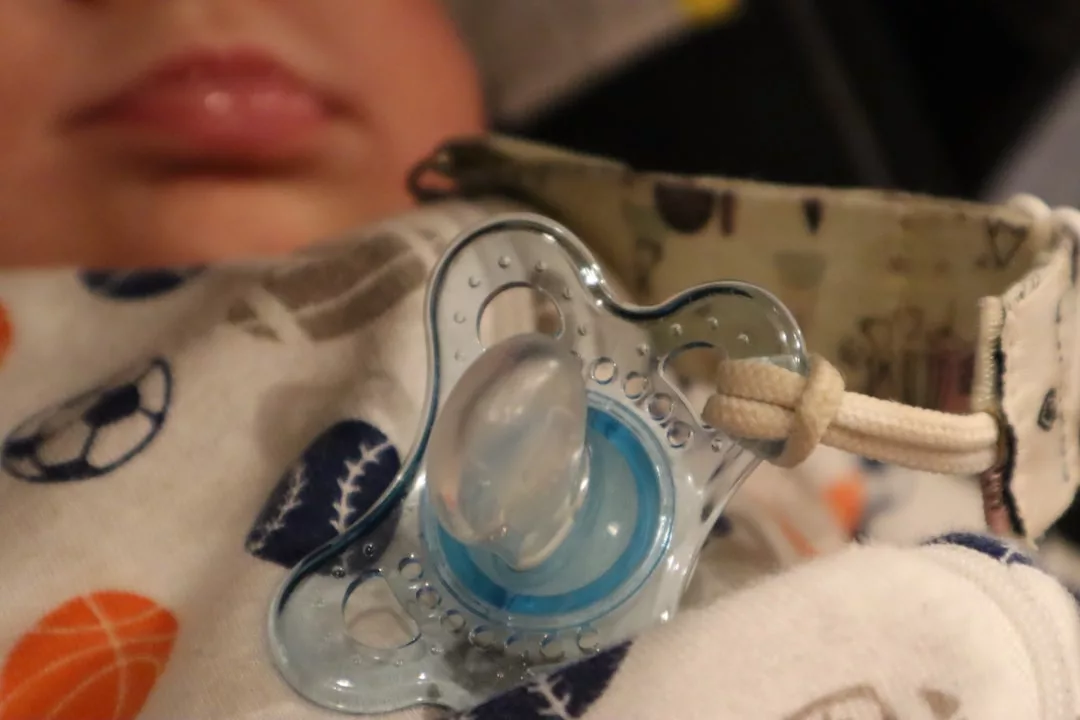
Establishing a feeding routine is one of the foundational aspects of caring for a newborn. Infants typically require frequent feedings, often every two to three hours, which can be both physically and emotionally demanding for new parents. A consistent feeding schedule not only helps ensure that your baby receives adequate nutrition but also aids in developing their internal clock.
Over time, as your baby grows, they will begin to space out their feedings, which can provide parents with a more predictable daily rhythm. To create an effective feeding routine, it is essential to pay attention to your baby’s hunger cues. These cues can include rooting, sucking on their hands, or making smacking sounds.
Responding promptly to these signals can help prevent the baby from becoming overly hungry and fussy. Additionally, whether you choose to breastfeed or formula-feed, establishing a routine can help you manage your time better and ensure that you are meeting your baby’s nutritional needs. Keeping a log of feeding times and amounts can also be beneficial, especially during the early weeks when you are still getting accustomed to your new role.
Key Takeaways
- Establish a feeding routine: Set regular feeding times to help your baby develop a predictable schedule.
- Create a safe sleep environment: Place your baby on their back in a crib with a firm mattress and no loose bedding to reduce the risk of SIDS.
- Learn how to swaddle your baby: Master the art of swaddling to help your baby feel secure and sleep better.
- Bathe your baby safely: Use warm water and gentle baby soap, and always support your baby’s head and neck during bath time.
- Dress your baby for the weather: Layer your baby’s clothing to keep them comfortable in different temperatures.
Create a safe sleep environment
Creating a safe sleep environment is crucial for reducing the risk of Sudden Infant Death Syndrome (SIDS) and ensuring that your baby sleeps soundly. The American Academy of Pediatrics recommends that babies sleep on their backs on a firm mattress with a fitted sheet, free from soft bedding, pillows, or toys that could pose suffocation hazards. A room temperature between 68°F and 72°F is generally considered ideal for infants. Using a fan or air conditioning can help maintain a comfortable environment while also providing white noise that may soothe the baby.
Establishing a calming bedtime routine, such as dimming the lights and playing soft music, can also signal to your baby that it is time to sleep, promoting better sleep habits as they grow.
Learn how to swaddle your baby
Swaddling is an age-old practice that can provide comfort and security to newborns by mimicking the snug environment of the womb. Learning how to swaddle your baby correctly can help them feel more secure and may reduce their startle reflex, which often disrupts sleep. To swaddle effectively, use a lightweight blanket or a specially designed swaddle wrap.
Lay the blanket flat in a diamond shape, fold down the top corner, and place your baby on their back with their shoulders just below the fold. Next, take one side of the blanket and wrap it snugly around your baby’s body, tucking it under their opposite arm. Then, fold up the bottom of the blanket over their feet and tuck it behind them.
Finally, wrap the remaining side of the blanket around your baby, ensuring that their hips have enough room to move freely to prevent hip dysplasia. It’s important to monitor your baby while swaddled and to stop swaddling once they show signs of rolling over, as this can pose a safety risk.
Bathe your baby safely
Bathing a newborn can be an intimidating task for new parents, but with proper techniques and precautions, it can become an enjoyable bonding experience. In the early weeks, sponge baths are recommended until the umbilical cord stump falls off and heals completely. Use a soft washcloth and lukewarm water to gently clean your baby’s face, neck, hands, and diaper area.
Always ensure that you have everything you need within arm’s reach before starting the bath to avoid leaving your baby unattended. Once your baby is ready for a tub bath, choose a small infant tub or use the sink with a towel for added grip. Fill the tub with just a few inches of warm water, enough to wash but not so much that it poses a drowning risk.
Support your baby’s head and neck with one hand while using the other hand to wash them gently with mild soap designed for infants. Rinse thoroughly and wrap them in a soft towel immediately after bathing to keep them warm. Bath time can also be an excellent opportunity for skin-to-skin contact, enhancing bonding while keeping your baby calm.
Dress your baby for the weather
Dressing your baby appropriately for the weather is essential for their comfort and safety. Infants are particularly sensitive to temperature changes due to their inability to regulate body heat effectively. In colder months, layering is key; start with a soft onesie as a base layer and add layers such as sleep sacks or sweaters that can be easily removed if your baby becomes too warm.
Always check for signs of overheating, such as sweating or flushed skin. In warmer weather, lightweight fabrics like cotton are ideal as they allow for breathability while keeping your baby comfortable. It’s important to avoid overdressing; a good rule of thumb is to dress your baby in one more layer than you would wear yourself in similar conditions.
Additionally, when taking your baby outside in sunny weather, consider using lightweight hats with brims for sun protection and applying baby-safe sunscreen on exposed skin after six months of age.
Monitor your baby’s health and development
Monitoring your baby’s health and development is vital during those early months when they undergo rapid changes. Regular pediatric check-ups are essential for tracking growth milestones such as weight gain, height increase, and head circumference. These visits also provide opportunities for vaccinations that protect against various diseases.
Parents should keep an eye on developmental milestones like cooing, smiling, and rolling over; these indicators can help gauge whether your baby is developing typically. In addition to physical health, observing behavioral changes is equally important. If you notice any unusual signs such as excessive crying, difficulty feeding, or lack of responsiveness, it’s crucial to consult with a healthcare professional promptly.
Keeping a journal of your baby’s behaviors and milestones can be helpful during doctor visits and provide valuable insights into their development.
Bond with your baby through skin-to-skin contact
Skin-to-skin contact is an invaluable practice that fosters bonding between parents and their newborns while also providing numerous health benefits. This intimate interaction helps regulate the baby’s body temperature, heart rate, and breathing patterns while promoting breastfeeding success by stimulating milk production in mothers. The warmth of skin-to-skin contact creates a comforting environment that can soothe fussy babies and enhance emotional connections.
To practice skin-to-skin contact effectively, hold your baby against your bare chest while both of you are comfortably seated or lying down. This practice can be done at any time but is particularly beneficial during feeding sessions or when calming a fussy infant. Research has shown that skin-to-skin contact not only strengthens the parent-child bond but also contributes positively to the baby’s overall development by promoting emotional security and attachment.
Understand your baby’s cues and signals
Understanding your baby’s cues and signals is essential for responding effectively to their needs. Newborns communicate primarily through crying; however, different cries can indicate various needs such as hunger, discomfort, or fatigue. Learning to differentiate between these cries takes time but can significantly enhance your ability to care for your baby effectively.
For instance, a hungry cry may start softly and escalate in intensity if not addressed promptly. In addition to crying, babies exhibit other non-verbal cues that indicate their feelings or needs. For example, if your baby turns their head away from you or clenches their fists, they may be feeling overstimulated or tired.
Observing these signals closely allows parents to respond proactively rather than reactively, creating a more harmonious environment for both parent and child.
Practice good hygiene habits
Practicing good hygiene habits is crucial in maintaining your baby’s health and preventing infections. Regular handwashing before handling your newborn is one of the simplest yet most effective ways to minimize the risk of germs being transferred from adults to infants. Use soap and water or hand sanitizer if soap isn’t available; this practice should be followed especially after changing diapers or before feeding.
In addition to hand hygiene, keeping your baby’s environment clean is equally important. Regularly wash items such as pacifiers, bottles, and toys in hot soapy water or in a dishwasher if they are dishwasher-safe. It’s also advisable to sanitize surfaces where your baby spends time, like changing tables or play mats, to reduce exposure to harmful bacteria or viruses.
By instilling these hygiene practices early on, you set a foundation for healthy habits that will benefit both you and your child in the long run.
Introduce tummy time for your baby
Tummy time is an essential activity that promotes physical development in infants by strengthening their neck, shoulder, and back muscles. This practice should begin soon after birth; however, it’s crucial to supervise tummy time closely to ensure safety. Start by placing your baby on their stomach for short periods while they are awake, beginning with just a few minutes at a time, and gradually increase the duration as they become more comfortable with this position.
Engaging with your baby during tummy time can make this experience enjoyable for both of you. Use colorful toys or mirrors placed within their line of sight to encourage them to lift their head and explore their surroundings. Tummy time not only aids in muscle development but also helps prevent flat spots from forming on the back of their head, a common concern among infants who spend too much time lying on their backs.
Seek support and advice from healthcare professionals
Navigating parenthood can be overwhelming at times; therefore, seeking support and advice from healthcare professionals is vital for new parents. Pediatricians play an essential role in guiding parents through various aspects of infant care, from feeding practices to developmental milestones, providing evidence-based recommendations tailored to individual needs. Regular check-ups allow parents to ask questions about any concerns they may have regarding their baby’s health or behavior.
In addition to pediatricians, other healthcare professionals such as lactation consultants can offer invaluable support for breastfeeding mothers facing challenges in establishing successful feeding routines. Mental health professionals may also be beneficial for parents experiencing postpartum anxiety or depression; seeking help early on can lead to better outcomes for both parents and babies alike. Building a support network that includes healthcare providers ensures that parents have access to reliable information and resources throughout their parenting journey.
More in
More from Family

Family · 9 min
Navigating Adolescence: Tips for Parents and Teens
Adolescence is a critical period of growth and transformation, marked by significant physical, emotional, and cognitive changes. This stage typically …

Family · 8 min
Breaking the Cycle: Confronting Domestic Violence
Domestic violence is a pervasive issue that transcends cultural, economic, and social boundaries. It encompasses a range of abusive behaviors that occ…

Family · 9 min
The Importance of Child Support for Single Parents
Single parenthood often brings with it a unique set of financial challenges that can significantly affect the quality of life for both the parent and …