Mallorca · Mallorca
Exciting Helicopter Rescue Simulations near Sóller
Helicopter rescue simulations offer an exhilarating blend of adrenaline and realism, providing participants with a unique opportunity to experience the high-stakes environment of e…
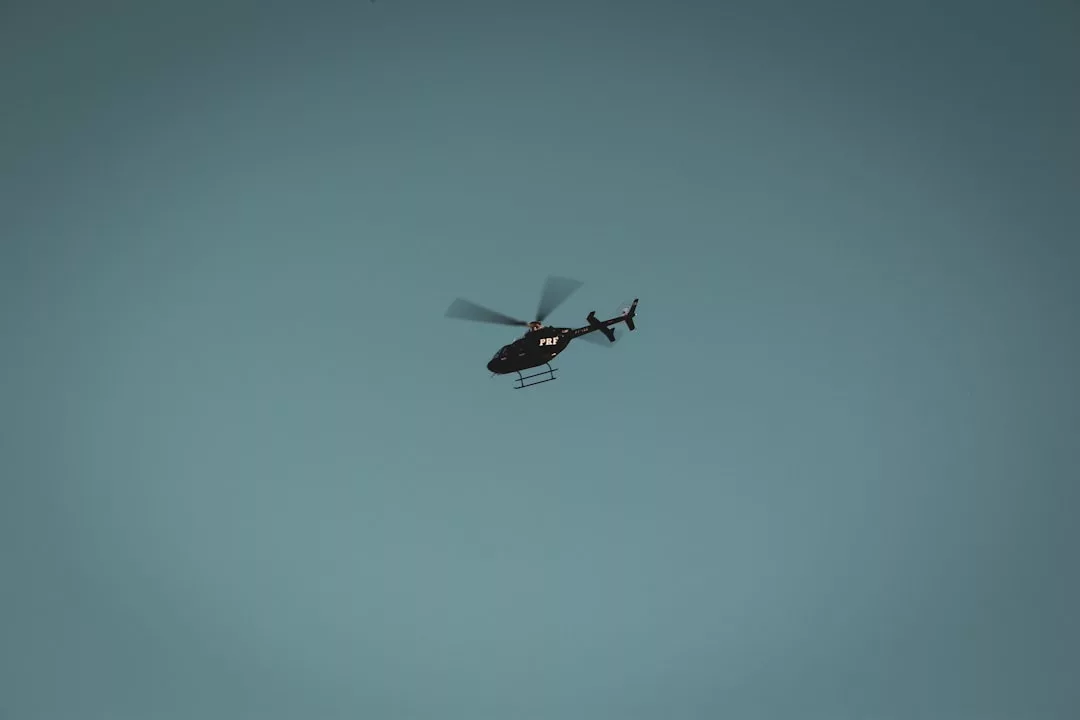
Helicopter rescue simulations offer an exhilarating blend of adrenaline and realism, providing participants with a unique opportunity to experience the high-stakes environment of emergency response. Participants, often comprising rescue professionals, military personnel, or even adventurous civilians, engage in exercises that test their skills in navigation, decision-making, and teamwork under pressure.
The thrill lies not only in the physical act of flying but also in the mental challenges posed by unpredictable situations that require quick thinking and effective communication. The excitement of helicopter rescue simulations is amplified by the advanced technology used in these training exercises. High-fidelity simulators replicate the cockpit environment of various helicopter models, complete with realistic controls and instrumentation.
Participants can experience everything from adverse weather conditions to mechanical failures, all while being guided by experienced instructors who provide valuable feedback. This immersive experience allows trainees to develop a deeper understanding of helicopter operations and the complexities involved in rescue missions, making it a thrilling yet educational endeavor.
Key Takeaways
- Helicopter rescue simulations provide an exhilarating and realistic training experience for emergency response teams.
- Sóller, with its stunning landscape and challenging terrain, serves as an ideal backdrop for helicopter rescue training exercises.
- Realistic training scenarios are crucial for preparing emergency response teams to handle the challenges of helicopter rescue operations.
- Inside the helicopter rescue simulations, participants are exposed to various scenarios, including mountain rescues and water rescues.
- Technology plays a significant role in enhancing helicopter rescue training, providing realistic simulations and improving overall preparedness.
Sóller: A Stunning Backdrop for Training Exercises
Nestled in the heart of Mallorca, Sóller is not only known for its picturesque landscapes but also serves as an ideal location for helicopter rescue simulations. The town is surrounded by the majestic Tramuntana mountain range, offering diverse terrains that can simulate various rescue scenarios. From steep cliffs to dense forests and rugged coastlines, the natural environment provides a realistic backdrop for training exercises that require adaptability and resourcefulness.
The stunning vistas of Sóller enhance the experience, making it not just a training ground but also a visually captivating setting. The geographical features of Sóller allow for a variety of training exercises that can be tailored to specific rescue scenarios. For instance, participants can practice search and rescue operations in mountainous areas, where navigating challenging terrain is crucial.
Additionally, the proximity to the Mediterranean Sea enables simulations that involve maritime rescues, further diversifying the training experience. The combination of natural beauty and practical training opportunities makes Sóller a sought-after destination for helicopter rescue simulations, attracting professionals from various fields who seek to hone their skills in an inspiring environment.
The Importance of Realistic Training Scenarios
Realistic training scenarios are paramount in preparing rescue personnel for actual emergencies. Helicopter rescue simulations that closely mimic real-life situations ensure that participants are well-equipped to handle the unpredictability of rescue operations. By engaging in scenarios that reflect potential challenges they may face in the field, trainees can develop critical skills such as situational awareness, risk assessment, and effective communication under stress.
This level of preparedness is essential for ensuring successful outcomes during real-life rescues. Moreover, realistic training scenarios foster teamwork and collaboration among participants. In emergency situations, effective communication and coordination between team members can mean the difference between life and death.
Simulations that replicate the dynamics of a real rescue operation encourage participants to work together, fostering trust and camaraderie. This collaborative environment not only enhances individual performance but also strengthens the overall effectiveness of the team, ensuring that they are ready to respond cohesively when faced with actual emergencies.
A Look Inside the Helicopter Rescue Simulations
Inside a helicopter rescue simulation, participants are immersed in an environment designed to replicate the complexities of real-world operations. The cockpit is equipped with state-of-the-art technology that mirrors the controls and instruments found in actual helicopters. Trainees are guided through various scenarios by experienced instructors who provide insights into best practices and safety protocols.
The simulations often include elements such as simulated weather conditions, mechanical failures, and unexpected obstacles that require quick decision-making. The training exercises typically begin with a briefing session where participants are introduced to the objectives of the simulation. They learn about the specific scenario they will be facing, whether it involves rescuing stranded hikers in the mountains or conducting a medical evacuation from a remote location.
Once airborne, trainees must navigate their way through challenging conditions while communicating effectively with their team members on the ground. This hands-on experience allows them to apply theoretical knowledge in a practical setting, reinforcing their skills and boosting their confidence in handling real-life emergencies.
The Role of Technology in Enhancing Training
Technology plays a pivotal role in enhancing helicopter rescue simulations, making them more effective and realistic than ever before. Advanced flight simulators equipped with virtual reality (VR) capabilities allow participants to experience immersive environments that closely resemble actual rescue scenarios. These simulators can replicate various weather conditions, terrain types, and emergency situations, providing trainees with a comprehensive understanding of what they might encounter during real missions.
In addition to flight simulators, other technological advancements such as drone integration and augmented reality (AR) applications are being utilized to enhance training exercises further. Drones can be deployed to simulate search operations or assess difficult-to-reach areas from above, providing valuable aerial perspectives that ground teams may not have access to. AR applications can overlay critical information onto the trainee’s field of view, offering real-time data about their surroundings and potential hazards.
By incorporating these technologies into training programs, organizations can ensure that their personnel are well-prepared for the complexities of modern rescue operations.
The Challenges of Helicopter Rescue Operations
Helicopter rescue operations are fraught with challenges that require specialized training and expertise to navigate successfully. One of the primary challenges is dealing with unpredictable weather conditions that can change rapidly, impacting visibility and flight safety. Pilots must be adept at assessing weather patterns and making quick decisions about whether to proceed with a mission or delay it until conditions improve.
This requires not only technical flying skills but also a deep understanding of meteorology and its implications for flight operations. Another significant challenge is managing the logistics involved in rescue missions. Coordinating multiple teams on the ground while ensuring effective communication between air and ground units is crucial for success.
Miscommunication or delays can lead to dire consequences during emergencies where every second counts. Additionally, rescuers must often operate in high-stress environments where they must remain calm and focused despite the pressure. Training simulations that replicate these challenges prepare personnel to handle real-life situations with confidence and composure.
The Impact of Helicopter Rescue Simulations on Emergency Response
The impact of helicopter rescue simulations on emergency response capabilities cannot be overstated. By providing realistic training experiences, these simulations enhance the skills and preparedness of rescue personnel, ultimately leading to more effective responses during actual emergencies. Participants emerge from these training exercises with improved situational awareness, decision-making abilities, and teamwork skills, qualities that are essential for successful rescue operations.
Furthermore, regular participation in helicopter rescue simulations fosters a culture of continuous learning within emergency response organizations. As personnel engage in ongoing training exercises, they remain up-to-date with the latest techniques and technologies in the field. This commitment to professional development translates into improved operational efficiency and effectiveness when responding to emergencies.
Ultimately, the investment in realistic training scenarios pays dividends in terms of lives saved and successful mission outcomes.
How to Experience a Helicopter Rescue Simulation in Sóller
For those interested in experiencing a helicopter rescue simulation in Sóller, several organizations offer immersive training programs designed for both professionals and enthusiasts alike. These programs typically include comprehensive briefings on safety protocols, hands-on flight training, and opportunities to engage in realistic rescue scenarios set against the stunning backdrop of Sóller’s landscapes. Participants can choose from various packages tailored to different skill levels and interests.
Whether you are a seasoned professional looking to refine your skills or an adventurous individual seeking a unique experience, there are options available to suit your needs. Many programs also emphasize teamwork and collaboration, allowing participants to work alongside others who share their passion for emergency response. In addition to the thrill of flying and engaging in rescue simulations, participants often have the chance to learn from experienced instructors who bring a wealth of knowledge from their backgrounds in aviation and emergency services.
This mentorship aspect adds significant value to the experience, providing insights that extend beyond technical skills into areas such as leadership and crisis management. Overall, experiencing a helicopter rescue simulation in Sóller offers not only an adrenaline-pumping adventure but also an opportunity for personal growth and professional development within the realm of emergency response.
More in
More from Mallorca

Mallorca · 8 min
Premium Real Estate Advisory for Palma Property Purchases
In the complex world of real estate, having a knowledgeable advisor can make a significant difference in the buying or selling process. Real estate ad…
Mallorca · 7 min
Discover the Hiking Pilgrimage to Lluc Monastery
The significance of Lluc Monastery extends beyond its religious importance; it has played a crucial role in preserving Mallorcan culture and tradition…

Mallorca · 8 min
Exclusive Sunset Visits to Caves Del Hams in Porto Cristo
Nestled on the eastern coast of Mallorca, the Caves Del Hams are a breathtaking natural wonder that draws visitors from around the globe. Located near…