Mallorca · Mallorca
Exclusive Wine & Olive Oil Tastings in Binissalem
Binissalem, a picturesque town nestled in the heart of Mallorca, boasts a rich agricultural heritage that dates back centuries. The region’s unique climate, characterized by …
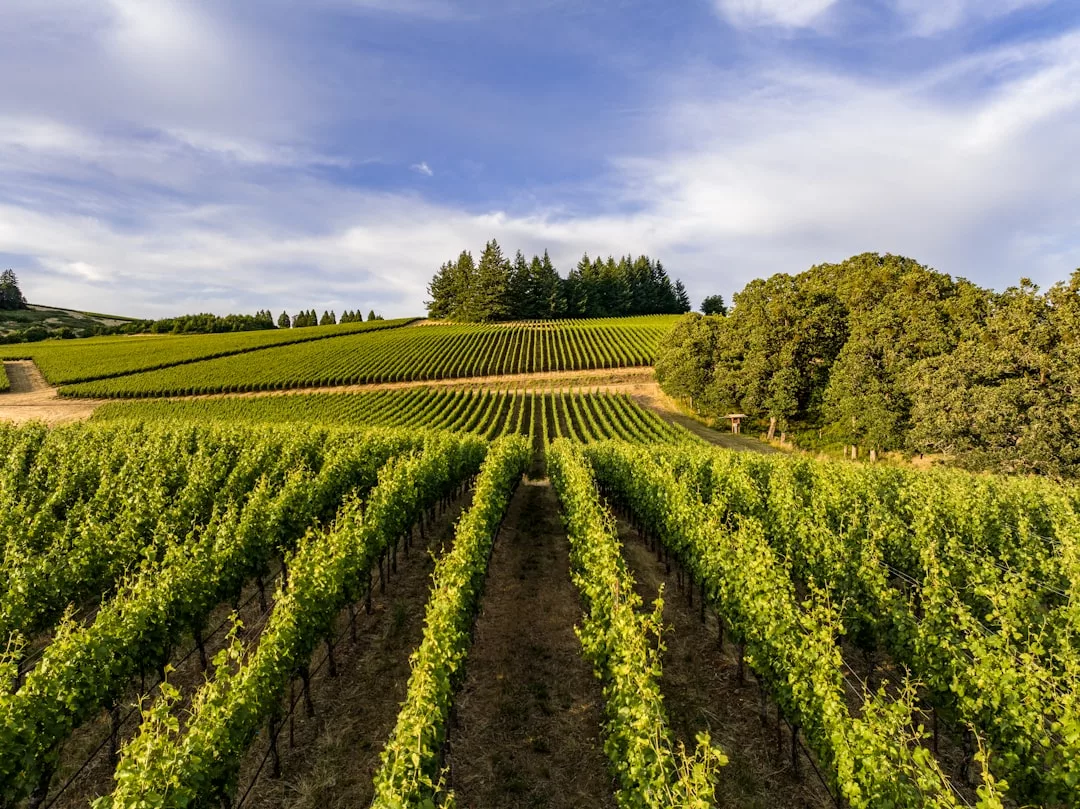
Binissalem, a picturesque town nestled in the heart of Mallorca, boasts a rich agricultural heritage that dates back centuries. The region’s unique climate, characterized by warm Mediterranean summers and mild winters, has made it an ideal location for cultivating both grapes and olives. Historical records indicate that wine production in Binissalem can be traced back to the Roman era, when the island was known for its fertile lands and abundant resources.
The Romans recognized the potential of the region’s terroir, establishing vineyards that would lay the groundwork for future generations of winemakers. As time progressed, Binissalem’s wine and olive oil production evolved, influenced by various cultures that inhabited the island. The Moors, who ruled Mallorca from the 8th to the 13th centuries, introduced advanced agricultural techniques and irrigation methods that significantly improved crop yields.
This period saw the introduction of new grape varieties and olive cultivars, enriching the local biodiversity. By the 19th century, Binissalem had gained recognition for its high-quality wines, leading to the establishment of the Denominación de Origen (DO) status in 1990, which further solidified its reputation as a premier wine-producing region. Today, Binissalem is celebrated not only for its historical significance but also for its commitment to preserving traditional practices while embracing modern innovations in viticulture and olive oil production.
Key Takeaways
- Binissalem has a rich history of wine and olive oil production, dating back centuries.
- Visitors can explore the beautiful vineyards and olive groves of Binissalem, learning about the production process.
- The wines and olive oils of Binissalem offer unique and distinct flavors, reflecting the region’s terroir.
- Tasting wine and olive oil requires a certain technique to fully appreciate the flavors and aromas.
- Meet the local producers and learn about their dedication to creating high-quality products in Binissalem.
Exploring the Vineyards and Olive Groves of Binissalem
The landscape of Binissalem is a tapestry of rolling hills adorned with lush vineyards and sprawling olive groves. Visitors to the region are often captivated by the sight of neatly arranged rows of vines stretching towards the horizon, interspersed with ancient olive trees that have stood the test of time. The local climate, combined with the mineral-rich soil, creates an ideal environment for cultivating a diverse array of grape varieties, including indigenous types such as Manto Negro and Callet, as well as international varieties like Cabernet Sauvignon and Merlot.
Exploring the vineyards and olive groves of Binissalem offers a sensory experience unlike any other. Many local wineries provide guided tours that take visitors through their estates, allowing them to witness firsthand the meticulous care that goes into each stage of production. From pruning and harvesting to fermentation and aging, guests gain insight into the labor-intensive processes that contribute to the region’s exceptional wines.
Similarly, olive oil mills invite visitors to learn about the traditional methods of olive oil extraction, showcasing the journey from tree to bottle. The opportunity to stroll through these idyllic landscapes not only deepens one’s appreciation for the craft but also fosters a connection to the land and its storied past.
The Unique Flavors of Binissalem’s Wines and Olive Oils
The wines and olive oils produced in Binissalem are celebrated for their distinctive flavors, which reflect the unique terroir of the region. The wines often exhibit a harmonious balance between fruitiness and acidity, with notes ranging from ripe berries to subtle herbal undertones. For instance, Manto Negro wines are known for their deep color and rich flavors of dark fruits, complemented by hints of spice and earthiness.
In contrast, Callet wines tend to be lighter and more aromatic, showcasing floral notes alongside red fruit flavors. This diversity allows wine enthusiasts to explore a wide spectrum of tastes, making each bottle a unique representation of its origin. Similarly, Binissalem’s olive oils are renowned for their exceptional quality and flavor profiles.
The local varieties, such as Arbequina and Picual, produce oils that are characterized by their fruity aromas and peppery finishes. The cold-pressing methods employed by local producers ensure that the oils retain their natural flavors and health benefits. Tasting these oils reveals a complexity that can vary from grassy and herbaceous to nutty and buttery, depending on factors such as harvest time and processing techniques.
The interplay between the region’s climate, soil composition, and traditional production methods culminates in products that are not only delicious but also deeply rooted in the cultural heritage of Binissalem.
The Art of Tasting: How to Properly Sample and Appreciate Wine and Olive Oil
Tasting wine and olive oil is an art form that requires attention to detail and an appreciation for subtleties. When it comes to wine tasting, one must engage all senses to fully appreciate the experience. Begin by observing the wine’s color and clarity in a glass; this initial step can provide insights into its age and varietal characteristics.
Swirling the wine gently releases its aromas, allowing one to inhale deeply before taking a sip. As the wine touches the palate, consider its flavor profile, identify primary fruit notes, secondary complexities such as oak or spice, and the overall balance between sweetness, acidity, tannins, and alcohol. Olive oil tasting follows a similar process but emphasizes different sensory elements.
To properly taste olive oil, one should first warm it slightly in a small cup by rubbing it between their hands; this helps release its aromatic compounds. After inhaling its fragrance, take a small sip and let it coat your palate. Pay attention to the oil’s texture, whether it feels smooth or robust, and identify flavors ranging from fruity to bitter or spicy.
A well-crafted olive oil will often leave a pleasant peppery sensation at the back of the throat, indicating its freshness and quality. Engaging in these tasting rituals not only enhances appreciation but also fosters a deeper understanding of the craftsmanship behind each product.
Meet the Local Producers: Getting to Know the Faces Behind Binissalem’s Finest Products
The heart of Binissalem’s wine and olive oil industry lies in its passionate producers who dedicate their lives to crafting exceptional products. Many of these artisans come from generations of winemakers or olive oil producers, inheriting not only land but also a wealth of knowledge passed down through family traditions. Meeting these local producers offers an intimate glimpse into their world, each has a unique story that reflects their commitment to quality and sustainability.
For instance, one might visit a family-owned winery where the owner shares tales of their ancestors who first planted vines on their estate decades ago. They may describe how they have adapted modern techniques while honoring traditional practices to create wines that resonate with both history and innovation. Similarly, an olive oil producer might recount their journey from humble beginnings to becoming recognized for their award-winning oils.
These personal narratives enrich the tasting experience, allowing visitors to connect with the people behind the products they enjoy. Engaging with local producers fosters a sense of community and appreciation for the hard work that goes into every bottle.
Pairing Wine and Olive Oil: Tips for Creating the Perfect Flavor Combinations
Pairing wine with olive oil can elevate culinary experiences by enhancing flavors and creating harmonious combinations. Understanding how to pair these two elements requires knowledge of their respective profiles and how they interact with various foods. A general rule is to match lighter wines with delicate dishes while reserving fuller-bodied wines for heartier fare.
For example, a crisp white wine like a local Viognier pairs beautifully with fresh seafood drizzled with fruity olive oil, allowing both elements to shine without overpowering one another. When it comes to olive oil pairings, consider its flavor intensity as well. A robust extra virgin olive oil can complement grilled meats or roasted vegetables exceptionally well, adding depth to each bite.
Conversely, a milder oil may enhance salads or fresh bread without overwhelming them. Experimentation is key; trying different combinations can lead to delightful discoveries. For instance, drizzling a peppery olive oil over a rich red wine reduction sauce can create an unexpected yet delicious contrast that tantalizes the palate.
Exclusive Tasting Experiences: What to Expect from a Visit to Binissalem’s Wineries and Olive Oil Mills
Visiting Binissalem’s wineries and olive oil mills offers an immersive experience that goes beyond mere tasting; it is an opportunity to engage with the land and its traditions. Many establishments provide exclusive tasting experiences tailored to showcase their unique offerings. Guests can expect guided tours through vineyards or groves where they learn about cultivation practices while enjoying scenic views of the surrounding landscape.
Tastings often include curated flights of wines or olive oils paired with local delicacies such as cheeses or cured meats. Some wineries even offer food pairing workshops where participants can learn how to create perfect matches between their products and various dishes. Additionally, many producers host seasonal events or festivals celebrating harvest time or specific varietals, providing visitors with an authentic taste of local culture.
The Benefits of Wine and Olive Oil: Exploring the Health and Culinary Advantages
Both wine and olive oil have garnered attention not only for their delightful flavors but also for their numerous health benefits when consumed in moderation. Research has shown that moderate wine consumption may be associated with cardiovascular health due to compounds like resveratrol found in red wines. These antioxidants can help reduce inflammation and improve heart health by promoting healthy blood circulation.
Olive oil is similarly celebrated for its health properties; extra virgin olive oil is rich in monounsaturated fats and antioxidants that contribute to overall well-being. Studies suggest that incorporating high-quality olive oil into one’s diet may lower cholesterol levels and reduce the risk of chronic diseases such as diabetes or heart disease. Beyond health benefits, both wine and olive oil serve as versatile culinary ingredients that enhance dishes across various cuisines, whether drizzled over salads or used as marinades for meats.
Sustainable Practices: How Binissalem’s Producers are Committed to Environmental Responsibility
In recent years, sustainability has become a focal point for many producers in Binissalem as they strive to minimize their environmental impact while maintaining high-quality standards. Many wineries have adopted organic farming practices that eschew synthetic pesticides or fertilizers in favor of natural alternatives that promote soil health and biodiversity. This commitment not only benefits the environment but also enhances the quality of grapes harvested.
Similarly, olive oil producers are increasingly prioritizing sustainable practices by implementing water conservation measures during cultivation and processing stages. By prioritizing sustainability, these producers are not only safeguarding their land for future generations but also appealing to environmentally conscious consumers who value responsible sourcing.
Bringing Binissalem Home: Where to Purchase the Best Wines and Olive Oils from the Region
For those wishing to bring a taste of Binissalem home, numerous options exist for purchasing its renowned wines and olive oils both locally and online. Many wineries offer direct shipping services through their websites or physical stores where visitors can purchase bottles after tastings. Additionally, local markets often feature products from various producers within Binissalem, allowing consumers to explore different brands in one place.
Online retailers specializing in Spanish wines frequently stock selections from Binissalem’s esteemed wineries, making it easy for enthusiasts worldwide to access these exceptional products without traveling to Mallorca. Furthermore, specialty food stores may carry high-quality extra virgin olive oils sourced directly from local producers in Binissalem, ensuring that customers can enjoy authentic flavors long after their visit has ended.
Planning Your Visit: Tips for Making the Most of Your Wine and Olive Oil Tasting Experience in Binissalem
To fully enjoy a visit to Binissalem’s wineries and olive oil mills requires some planning ahead of time. Start by researching which establishments align with your interests, some may focus on organic practices while others emphasize traditional methods or innovative techniques in winemaking or oil production. Booking tastings in advance is advisable during peak tourist seasons when demand is high.
Consider timing your visit around local events or festivals celebrating harvests or specific varietals; these occasions often provide unique experiences not available year-round. Additionally, allow ample time for exploration beyond tastings, strolling through vineyards or groves can be just as rewarding as sampling products themselves! Finally, don’t hesitate to engage with local producers during your visit; asking questions about their craft can lead to deeper insights into both wine-making traditions and culinary applications that enhance your overall experience in this enchanting region.
More in
More from Mallorca

Mallorca · 8 min
Premium Real Estate Advisory for Palma Property Purchases
In the complex world of real estate, having a knowledgeable advisor can make a significant difference in the buying or selling process. Real estate ad…

Mallorca · 7 min
Discover the Hiking Pilgrimage to Lluc Monastery
The significance of Lluc Monastery extends beyond its religious importance; it has played a crucial role in preserving Mallorcan culture and tradition…

Mallorca · 8 min
Exclusive Sunset Visits to Caves Del Hams in Porto Cristo
Nestled on the eastern coast of Mallorca, the Caves Del Hams are a breathtaking natural wonder that draws visitors from around the globe. Located near…