Mallorca · Mallorca
Experience Sant Joan: Cultural Festival Tours in Palma
The Sant Joan Festival, celebrated in Palma de Mallorca, has deep roots that intertwine with the island’s history and cultural identity. This vibrant festival, which takes pl…
The Sant Joan Festival, celebrated in Palma de Mallorca, has deep roots that intertwine with the island’s history and cultural identity. This vibrant festival, which takes place annually on the night of June 23rd, marks the summer solstice and is a celebration of the arrival of summer. The origins of Sant Joan can be traced back to ancient pagan rituals that honored the sun and the fertility of the earth.
These early celebrations were characterized by bonfires, which symbolized purification and the warding off of evil spirits. Over time, these pagan traditions were assimilated into Christian practices, leading to the modern-day festival that honors Saint John the Baptist.
One popular tale recounts how the islanders would light bonfires to guide the spirits of their ancestors back home. This act of remembrance has evolved into a communal celebration where families and friends gather around large bonfires, sharing stories and enjoying each other’s company. The festival not only serves as a reminder of Palma’s rich cultural heritage but also as a testament to the resilience and adaptability of its traditions over centuries.
Key Takeaways
- The Sant Joan Festival in Palma has its origins in ancient pagan rituals and has evolved into a vibrant celebration of music, dance, and local traditions.
- Traditional music and dance are an integral part of the Sant Joan Festival, with lively performances and colorful costumes adding to the festive atmosphere.
- The festival offers a wonderful opportunity to sample delicious local cuisine, including traditional dishes and regional specialties.
- Sant Joan Festival has a rich historical significance, with roots dating back to medieval times and a strong connection to the island’s cultural heritage.
- Colorful parades and processions are a highlight of the festival, showcasing the community’s creativity and spirit of celebration.
Exploring the Traditional Music and Dance of Sant Joan
Music and dance are integral components of the Sant Joan Festival, infusing the atmosphere with energy and joy. Traditional Mallorcan music, characterized by its lively rhythms and melodic tunes, fills the air as locals and visitors alike come together to celebrate. Instruments such as the “xeremía” (a type of bagpipe) and “tambor” (drum) are commonly played during the festivities, creating an infectious beat that encourages everyone to join in the revelry. Dance is equally important during Sant Joan, with traditional folk dances being performed in public squares and streets. One of the most popular dances is the “Ball de Bot,” a lively couple’s dance that showcases intricate footwork and spirited movements.
Participants often dress in traditional attire, adding to the visual splendor of the event. The dances are not merely performances; they are communal expressions of joy that invite everyone to participate, regardless of age or skill level. This sense of inclusivity fosters a strong community spirit, making Sant Joan a truly collective experience.
Sampling the Delicious Local Cuisine at Sant Joan Festival
The culinary offerings at the Sant Joan Festival are a feast for the senses, showcasing the rich flavors and ingredients of Mallorca’s gastronomy. As night falls and bonfires crackle, food stalls and local restaurants come alive with an array of traditional dishes that reflect the island’s agricultural bounty. One cannot miss trying “sobrasada,” a cured sausage made from pork and seasoned with paprika, which is often served on crusty bread or as part of a tapas spread.
This dish embodies the essence of Mallorcan cuisine, highlighting local ingredients and time-honored preparation methods. Another must-try delicacy during Sant Joan is “ensaimada,” a sweet pastry that is spiral-shaped and made with a rich dough infused with lard. This delightful treat is often enjoyed with a dusting of powdered sugar or filled with cream or pumpkin jam.
The festival atmosphere enhances the experience of sampling these local delights, as families gather around tables laden with food, sharing laughter and stories over their meals. The culinary aspect of Sant Joan not only satisfies hunger but also serves as a means of cultural expression, allowing participants to connect with Mallorca’s heritage through its flavors.
Discovering the Historical Significance of Sant Joan Festival
The historical significance of the Sant Joan Festival extends beyond its origins; it reflects the evolution of Palma’s cultural landscape over centuries. The festival has been celebrated for generations, adapting to social changes while retaining its core elements. In medieval times, it was common for communities to come together to celebrate the summer solstice as a way to ensure good harvests and fertility for crops.
This agricultural aspect remains relevant today, as many locals still view Sant Joan as a time to honor nature’s cycles and express gratitude for the land’s bounty. Moreover, Sant Joan serves as a reminder of Palma’s diverse cultural influences throughout history. The island has been shaped by various civilizations, including the Romans, Moors, and Christians, each leaving their mark on local customs and traditions.
The festival encapsulates this rich tapestry by blending elements from different cultures into a cohesive celebration. For instance, while bonfires are rooted in pagan traditions, they have been embraced by Christian practices as symbols of light and renewal. This fusion of influences highlights Palma’s unique identity and underscores the importance of preserving cultural heritage in an ever-changing world.
Participating in the Colorful Parades and Processions
One of the most visually captivating aspects of the Sant Joan Festival is its colorful parades and processions that wind through Palma’s streets. These events are characterized by vibrant costumes, lively music, and an infectious sense of joy that permeates the air. Participants often dress in traditional attire that reflects Mallorca’s cultural heritage, showcasing intricate embroidery and bright colors that add to the festive atmosphere.
The parades typically feature floats adorned with flowers and symbols representing various aspects of local life, from agriculture to maritime traditions. As the parades progress through the city, spectators are treated to performances by local dance troupes and musicians who bring energy to the streets. The rhythmic beats of drums and melodies from traditional instruments create an immersive experience that invites onlookers to join in the celebration.
Children often take part in these processions, carrying handmade lanterns or participating in choreographed dances, fostering a sense of community among families. The parades not only serve as entertainment but also as a means of preserving cultural traditions for future generations.
Understanding the Religious Customs and Traditions of Sant Joan
At its core, the Sant Joan Festival is deeply intertwined with religious customs that honor Saint John the Baptist. The festival begins with a solemn mass held in local churches, where worshippers gather to pay homage to this significant figure in Christianity. The rituals associated with this mass often include prayers for protection against evil spirits and blessings for health and prosperity in the coming year.
This spiritual aspect sets the tone for the festivities that follow, reminding participants of the festival’s deeper meaning beyond mere celebration. In addition to religious services, various customs are observed during Sant Joan that reflect both reverence and festivity. One notable tradition involves lighting bonfires at midnight, symbolizing purification and renewal.
People gather around these fires to jump over them as a way to cleanse themselves of negativity and invite good fortune into their lives. This act is often accompanied by chants or songs dedicated to Saint John, reinforcing the connection between faith and community celebration. Through these customs, participants engage in a collective expression of spirituality that enriches their experience during Sant Joan.
Visiting the Artisan Craft Stalls at Sant Joan Festival
The Sant Joan Festival also features an array of artisan craft stalls that showcase local craftsmanship and creativity. These stalls offer visitors a unique opportunity to explore handmade goods that reflect Mallorca’s rich artistic heritage. Artisans display their work proudly, ranging from intricate pottery to beautifully woven textiles, each piece telling a story about its creator and their connection to the island’s culture.
Visitors can find everything from traditional jewelry to decorative items that make perfect souvenirs or gifts. Shopping at these artisan stalls is not just about acquiring unique items; it also supports local artists and craftspeople who rely on festivals like Sant Joan to showcase their work. Many artisans are eager to share their techniques and stories behind their creations, fostering a deeper appreciation for their craft among festival-goers.
Engaging with these artisans allows visitors to connect with Mallorca on a more personal level, gaining insight into its traditions while taking home a piece of its vibrant culture.
Experiencing the Lively Atmosphere of Sant Joan Festival
The atmosphere during the Sant Joan Festival is nothing short of electric, characterized by an infectious sense of joy and camaraderie among participants. As night falls, Palma transforms into a lively hub filled with laughter, music, and dancing. Streets are lined with people celebrating together, friends reuniting, families bonding over shared experiences, and strangers becoming friends through their mutual enjoyment of the festivities.
The air is thick with excitement as bonfires crackle and illuminate faces filled with delight. The festival’s ambiance is further enhanced by spontaneous gatherings where people join together for impromptu dances or sing-alongs under the stars. Street performers add to this vibrant scene with their acts, jugglers, musicians, and dancers captivating audiences with their talents.
Food stalls emit tantalizing aromas that beckon passersby to indulge in local delicacies while enjoying live music performances nearby. This lively atmosphere creates an unforgettable experience for all who attend, making it clear why Sant Joan holds such a special place in Palma’s cultural calendar.
Learning about the Fireworks and Pyrotechnic Displays at Sant Joan
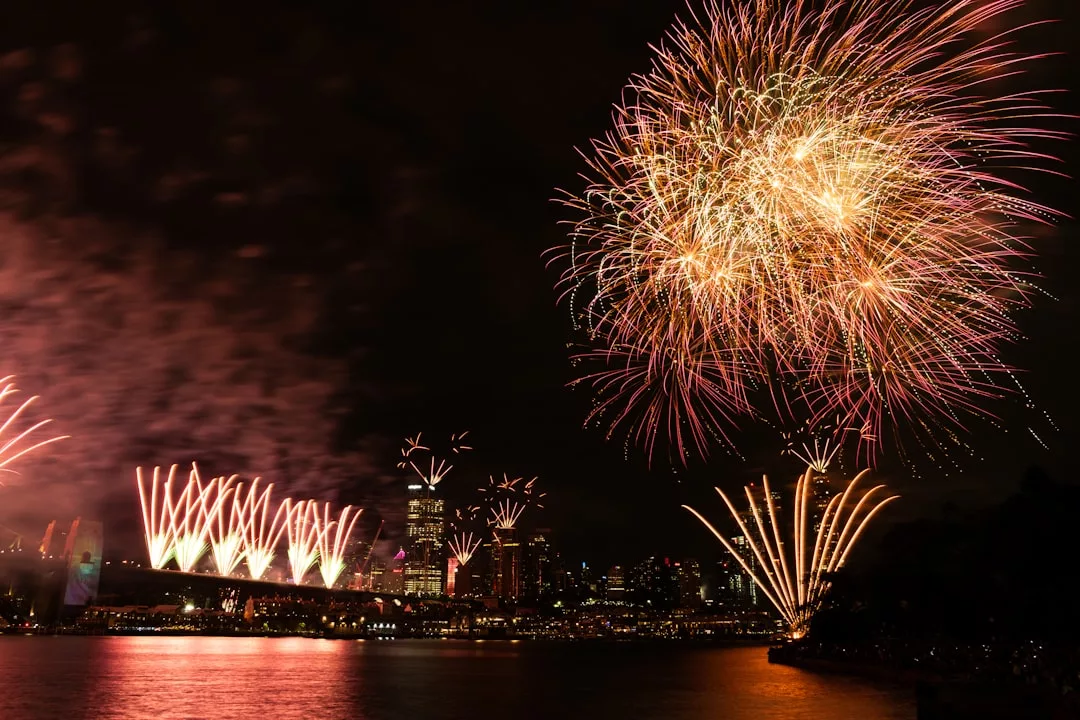
As part of its grand finale, the Sant Joan Festival features spectacular fireworks displays that light up Palma’s night sky in a dazzling array of colors. These pyrotechnic shows are meticulously choreographed to music, creating an immersive experience that captivates audiences young and old alike. Fireworks have long been associated with celebrations around the world; in Palma, they symbolize joy and festivity while marking significant moments during the festival.
The fireworks display typically occurs after midnight when crowds gather at designated viewing areas throughout the city. As rockets soar into the sky and explode into brilliant patterns above them, spectators are often left in awe at nature’s beauty combined with human creativity. The sound of cheers mingles with bursts of color illuminating faces filled with wonderment, a moment where time seems to stand still amidst shared excitement among attendees.
This climactic event serves not only as entertainment but also as a reminder of community spirit coming together under one sky.
Engaging in Family-Friendly Activities at Sant Joan Festival
The Sant Joan Festival is designed to be inclusive for all ages, offering numerous family-friendly activities that ensure everyone can partake in the celebrations. From face painting booths for children to interactive games that encourage teamwork among families, there is no shortage of entertainment options available throughout Palma during this festive time. Many local organizations set up activities specifically aimed at younger audiences, craft workshops where kids can create their own lanterns or participate in traditional dance lessons tailored for beginners.
In addition to organized activities, families can enjoy leisurely strolls through bustling streets filled with performers showcasing their talents, magicians captivating children’s imaginations or clowns bringing laughter through playful antics. These experiences foster connections between families while creating lasting memories together amidst vibrant surroundings filled with laughter and joy. The emphasis on family engagement during Sant Joan highlights its role as not just a celebration but also an opportunity for bonding among loved ones.
Exploring the Surrounding Areas and Attractions during Sant Joan Festival
While Palma serves as the heart of Sant Joan festivities, exploring surrounding areas offers additional opportunities for adventure during this vibrant time. The nearby beaches beckon visitors seeking relaxation amidst stunning coastal views, whether lounging on sandy shores or engaging in water sports like paddleboarding or snorkeling along crystal-clear waters teeming with marine life. Additionally, day trips can be taken to picturesque villages such as Valldemossa or Sóller, each boasting unique charm steeped in history waiting to be discovered by curious travelers eager for exploration beyond festival activities alone.
These excursions provide insight into Mallorca’s diverse landscapes while allowing visitors to appreciate its natural beauty alongside cultural experiences offered during Sant Joan celebrations. In conclusion, immersing oneself in all aspects surrounding this beloved festival reveals not only its significance within Palma but also highlights how it unites communities through shared traditions rooted deeply within history, creating unforgettable experiences cherished long after celebrations have ended.
More in
More from Mallorca
Mallorca · 8 min
Premium Real Estate Advisory for Palma Property Purchases
In the complex world of real estate, having a knowledgeable advisor can make a significant difference in the buying or selling process. Real estate ad…
Mallorca · 7 min
Discover the Hiking Pilgrimage to Lluc Monastery
The significance of Lluc Monastery extends beyond its religious importance; it has played a crucial role in preserving Mallorcan culture and tradition…
Mallorca · 8 min
Exclusive Sunset Visits to Caves Del Hams in Porto Cristo
Nestled on the eastern coast of Mallorca, the Caves Del Hams are a breathtaking natural wonder that draws visitors from around the globe. Located near…