Travel · Travel
Exploring America’s National Parks
The inception of America’s national parks can be traced back to the mid-19th century, a time when the burgeoning industrial revolution was transforming the American landscape…
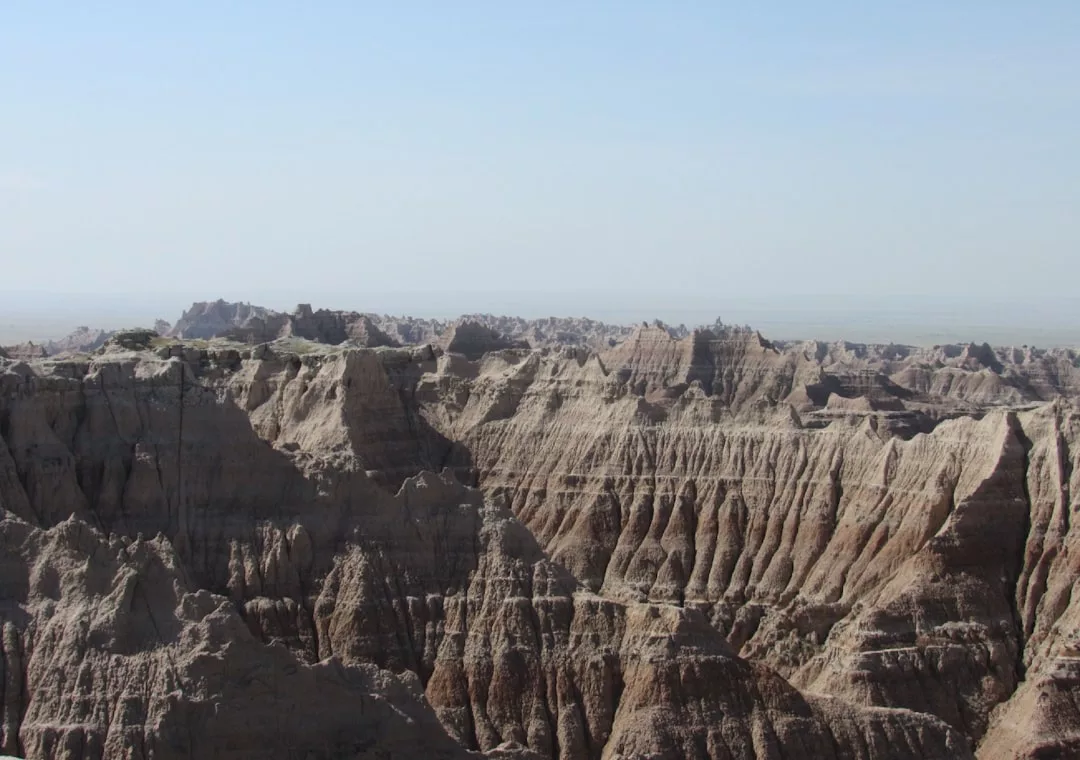
The inception of America’s national parks can be traced back to the mid-19th century, a time when the burgeoning industrial revolution was transforming the American landscape. Amidst this rapid change, a growing awareness of the need to preserve natural beauty emerged. The first national park, Yellowstone, was established in 1872, marking a pivotal moment in conservation history.
This groundbreaking legislation was driven by a coalition of naturalists, artists, and politicians who recognized the unique geothermal features and stunning landscapes of the region. The park’s establishment set a precedent for the protection of natural areas, inspiring other nations to follow suit. Following Yellowstone’s lead, the late 19th and early 20th centuries saw a surge in the creation of national parks across the United States.
Yosemite National Park was designated in 1890, showcasing the majestic granite cliffs and waterfalls that have become iconic symbols of American wilderness. The establishment of these parks was often accompanied by fierce debates over land use and preservation, as various stakeholders sought to balance economic interests with environmental protection. Figures like John Muir and Theodore Roosevelt played crucial roles in advocating for conservation, leading to the formation of the National Park Service in 1916.
This agency was tasked with managing and protecting these treasured landscapes for future generations.
Key Takeaways
- America’s National Parks have a rich history dating back to the establishment of Yellowstone as the first national park in 1872.
- The diversity of America’s National Parks is evident in the range of landscapes, from deserts and canyons to mountains and forests.
- Conservation plays a crucial role in preserving the natural beauty and ecological balance of National Parks for future generations to enjoy.
- National Parks like Yosemite, Zion, and Grand Canyon offer some of the best hiking and outdoor activities for nature enthusiasts.
- America’s National Parks are home to a wide variety of wildlife and natural wonders, including iconic species like bears, wolves, and bison.
The Diversity of America’s National Parks
America’s national parks are a testament to the country’s vast ecological and geographical diversity. Spanning over 84 million acres, these parks encompass a wide range of ecosystems, from arid deserts to lush forests and towering mountains. Each park offers a unique glimpse into the natural world, showcasing distinct flora and fauna that thrive in their specific environments.
For instance, the arid landscapes of Death Valley National Park contrast sharply with the temperate rainforests of Olympic National Park, highlighting the incredible variety found within the national park system. In addition to their ecological diversity, America’s national parks also reflect a rich tapestry of cultural history. Many parks are home to significant archaeological sites and indigenous heritage, providing insight into the lives of Native American tribes who have inhabited these lands for thousands of years.
Parks like Mesa Verde and Canyon de Chelly preserve ancient cliff dwellings and rock art, offering visitors a chance to connect with the past. This blend of natural beauty and cultural significance makes each national park a unique destination, inviting exploration and appreciation from diverse perspectives.
The Importance of Conservation in National Parks
Conservation within national parks is not merely an act of preserving scenic beauty; it is essential for maintaining biodiversity and ecological integrity. National parks serve as critical habitats for countless species, many of which are threatened or endangered due to habitat loss and climate change. By protecting these areas from development and exploitation, national parks play a vital role in safeguarding ecosystems that are crucial for the survival of various plant and animal species.
For example, the protection of wetlands in Everglades National Park is vital for numerous bird species and aquatic life that depend on this unique ecosystem. Moreover, national parks serve as living laboratories for scientific research and environmental education.
This research not only enhances our understanding of the natural world but also informs conservation strategies that can be applied beyond park boundaries. By fostering a culture of stewardship and environmental awareness, national parks inspire visitors to engage with nature and advocate for its protection.
The Best National Parks for Hiking and Outdoor Activities
For outdoor enthusiasts, America’s national parks offer some of the most breathtaking hiking trails and recreational opportunities available. Parks like Zion National Park in Utah are renowned for their stunning canyoneering routes and challenging hikes such as Angels Landing, which rewards adventurers with panoramic views of the surrounding red rock formations. Similarly, Glacier National Park in Montana boasts over 700 miles of trails that traverse rugged mountains and pristine lakes, making it a paradise for hikers seeking both solitude and adventure.
In addition to hiking, many national parks provide a plethora of outdoor activities that cater to diverse interests. For instance, Acadia National Park in Maine offers opportunities for rock climbing, cycling along scenic carriage roads, and kayaking in its picturesque coastal waters. Meanwhile, Joshua Tree National Park in California attracts rock climbers from around the world with its unique boulder formations and striking desert landscapes.
Whether one seeks a leisurely stroll through meadows or an adrenaline-pumping ascent up a mountain face, America’s national parks deliver an array of experiences that celebrate the great outdoors.
The Wildlife and Natural Wonders of National Parks
The wildlife found within America’s national parks is as diverse as the landscapes they inhabit. From the majestic bison roaming the plains of Yellowstone to the elusive mountain lions prowling through the forests of Rocky Mountain National Park, these protected areas are home to an astonishing array of species. Visitors often have the opportunity to observe animals in their natural habitats, fostering a deeper appreciation for wildlife conservation.
The annual migration of elk in Rocky Mountain National Park is a spectacular event that draws nature lovers eager to witness this incredible display of instinctual behavior. In addition to wildlife, national parks are renowned for their natural wonders that captivate visitors from around the globe. The geothermal features of Yellowstone, including Old Faithful geyser and colorful hot springs like Grand Prismatic Spring, showcase nature’s raw power and beauty.
In contrast, the towering granite cliffs of El Capitan in Yosemite National Park stand as a testament to geological processes that have shaped the Earth over millions of years. These awe-inspiring features not only attract tourists but also serve as reminders of the planet’s dynamic history.
How to Plan a Trip to America’s National Parks
Planning a trip to America’s national parks requires careful consideration to ensure an enjoyable experience. First and foremost, selecting the right park based on personal interests is crucial. Some parks are known for their hiking trails, while others may offer unique geological features or cultural experiences.
Researching each park’s highlights can help travelers determine which destinations align with their preferences. Once a park is chosen, logistics such as accommodations and transportation must be addressed. Many national parks offer campgrounds for those seeking an immersive experience in nature, while nearby towns often provide lodging options ranging from rustic cabins to luxury hotels.
It is advisable to make reservations well in advance, especially during peak seasons when demand is high. Additionally, understanding park regulations regarding permits for activities like backcountry camping or climbing is essential for ensuring compliance with conservation efforts.
The Unique Features of Each National Park
Each national park possesses its own distinct character shaped by its geography, climate, and history. For example, Denali National Park in Alaska is home to North America’s highest peak, Mount Denali, which towers at 20,310 feet above sea level. The park’s vast wilderness offers opportunities for wildlife viewing, including grizzly bears and caribou amidst stunning alpine scenery.
In contrast, Great Smoky Mountains National Park is celebrated for its rich biodiversity and mist-covered mountains that create an ethereal atmosphere. The unique features extend beyond natural landscapes; many parks also showcase cultural heritage that enriches visitors’ experiences. For instance, Chaco Culture National Historical Park preserves ancient Puebloan ruins that provide insight into the lives of indigenous peoples who thrived in this region centuries ago.
Similarly, the historic architecture found within Shenandoah National Park reflects early 20th-century conservation efforts and offers glimpses into America’s past.
The Role of National Parks in American Culture
National parks hold a significant place in American culture as symbols of freedom, exploration, and connection to nature. They embody the spirit of adventure that has defined much of American history since westward expansion. The idea of preserving vast tracts of land for public enjoyment resonates deeply with ideals of democracy and stewardship.
As such, national parks have become integral to American identity, inspiring generations to appreciate the beauty of their natural heritage. Moreover, national parks serve as venues for cultural expression through art, literature, and recreation. Artists like Ansel Adams captured the breathtaking landscapes of Yosemite through photography, influencing public perception and appreciation for these wild places.
Writers such as John Steinbeck have drawn inspiration from national parks in their works, weaving narratives that reflect humanity’s relationship with nature. This cultural significance extends into contemporary society as well; national parks continue to inspire environmental movements and foster community engagement through volunteer programs aimed at conservation efforts.
The Challenges Facing America’s National Parks
Despite their beauty and importance, America’s national parks face numerous challenges that threaten their integrity and sustainability. Climate change poses one of the most significant threats; rising temperatures can alter ecosystems, disrupt wildlife migration patterns, and increase the frequency of wildfires. For instance, Glacier National Park has seen a dramatic reduction in its glaciers over recent decades due to warming temperatures, raising concerns about future water availability and ecosystem health.
Additionally, overcrowding has become an increasingly pressing issue in many popular parks. As tourism continues to rise, visitor numbers often exceed capacity during peak seasons, leading to environmental degradation and diminished visitor experiences. Trails become eroded under heavy foot traffic, wildlife may be disturbed by human presence, and litter can accumulate in pristine areas if not properly managed.
Addressing these challenges requires innovative solutions that balance conservation efforts with public access while fostering sustainable tourism practices.
The Future of America’s National Parks
The future of America’s national parks hinges on effective management strategies that prioritize conservation while accommodating growing visitor numbers. Embracing technology can play a pivotal role in this endeavor; tools such as virtual reality experiences can provide educational opportunities without putting additional strain on park resources. Furthermore, implementing reservation systems during peak seasons can help regulate visitor flow and minimize overcrowding at popular sites.
Collaboration between government agencies, local communities, and conservation organizations will also be essential in shaping the future landscape of national parks. Engaging diverse stakeholders ensures that multiple perspectives are considered when developing policies aimed at protecting these treasured areas while promoting sustainable tourism practices. By fostering a sense of shared responsibility among visitors and local residents alike, we can work towards preserving America’s natural heritage for generations to come.
Tips for Exploring America’s National Parks
Exploring America’s national parks can be an enriching experience when approached with preparation and respect for nature. One essential tip is to familiarize oneself with park regulations before visiting; understanding rules regarding wildlife interactions, campfires, and trail etiquette helps protect both visitors and ecosystems alike. Additionally, packing appropriate gear based on seasonal conditions ensures safety during outdoor activities, whether it’s sturdy hiking boots for rugged trails or layers for fluctuating temperatures.
Another valuable tip is to engage with park rangers upon arrival; they possess extensive knowledge about local flora and fauna as well as current conditions on trails or roads. Participating in ranger-led programs can enhance understanding while providing opportunities for deeper connections with nature. Lastly, practicing Leave No Trace principles, such as packing out trash and minimizing campfire impact, ensures that these beautiful landscapes remain unspoiled for future generations to enjoy.
By embracing these tips while exploring America’s national parks, alongside an appreciation for their history and significance, visitors can cultivate meaningful connections with nature while contributing positively towards conservation efforts.
More in
More from Travel

Travel · 9 min
Exploring the Ultimate Culinary Experience
The ultimate culinary experience transcends mere sustenance; it is an intricate tapestry woven from flavors, aromas, textures, and visual appeal. This…

Travel · 11 min
Exploring the Best of Paris: A 3-Day Itinerary
The first day in Paris is often a whirlwind of excitement and discovery, as travelers set out to explore the city’s most iconic landmarks. Starting at…
Travel · 8 min
Mastering the Art of Skiing: Tips for Perfecting Your Technique
Selecting the appropriate skiing equipment is a fundamental step for both beginners and seasoned skiers alike. The right gear not only enhances perfor…