Travel · Travel
Exploring Art and History: Museum Tour
Museums serve as vital custodians of our collective memory, safeguarding the artistic and historical narratives that shape our understanding of the world. They are not merely repos…
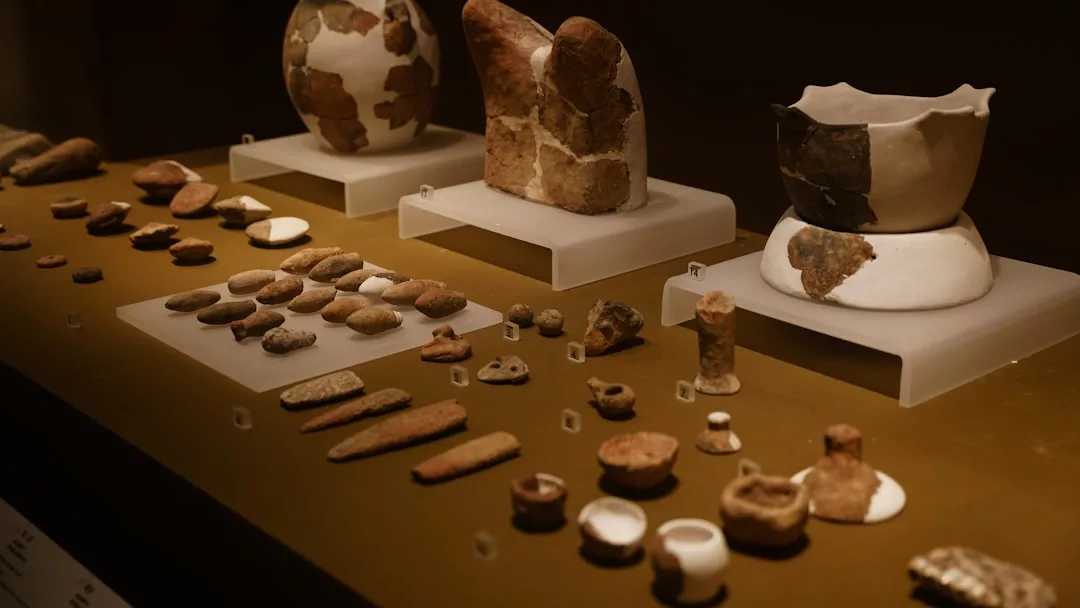
Museums serve as vital custodians of our collective memory, safeguarding the artistic and historical narratives that shape our understanding of the world. They are not merely repositories of artifacts; they are dynamic spaces where stories are told, cultures are celebrated, and knowledge is disseminated. By preserving art and history, museums play a crucial role in fostering a sense of identity and continuity within communities.
They provide a tangible connection to the past, allowing visitors to engage with the legacies of those who came before them. This preservation is essential not only for educational purposes but also for instilling a sense of pride and belonging among individuals and groups. Moreover, museums contribute to the broader discourse on cultural heritage and identity.
They curate collections that reflect diverse perspectives, ensuring that marginalized voices are included in the historical narrative. This inclusivity is particularly important in a globalized world where cultural exchange is prevalent. By showcasing a variety of artistic expressions and historical accounts, museums encourage dialogue and understanding among different cultures.
They serve as platforms for critical engagement with history, prompting visitors to reflect on their own identities and the societal structures that shape them. In this way, museums are not just passive observers of history; they actively participate in shaping the cultural landscape.
Key Takeaways
- Museums play a crucial role in preserving art and history for future generations, ensuring that cultural heritage is protected and accessible.
- When planning a museum tour, it’s important to research the museum’s collection, check for any special exhibitions or events, and consider guided tours for a more in-depth experience.
- Museums come in various types, including art, history, and specialty museums, each offering unique insights into different aspects of human culture and creativity.
- Curators and museum staff play a vital role in researching, preserving, and presenting artifacts and artworks, providing valuable context and interpretation for visitors.
- The evolution of museum exhibits and displays has seen a shift towards more interactive and immersive experiences, engaging visitors in new and innovative ways.
Planning Your Museum Tour: Tips and Tricks
Embarking on a museum tour can be an enriching experience, but careful planning can enhance your visit significantly. One of the first steps is to research the museum’s collection and current exhibitions. Many museums offer online resources that provide insights into their holdings, upcoming events, and special exhibitions. Additionally, consider the time of day you plan to visit; weekdays or early mornings often see fewer crowds, allowing for a more intimate experience with the exhibits. Another essential tip is to take advantage of guided tours or audio guides offered by the museum.
These resources can provide context and depth to the artworks and artifacts on display, enriching your understanding of their significance. If you prefer a more personal touch, consider joining a guided tour led by knowledgeable staff or volunteers who can share anecdotes and insights that may not be readily available through written materials. Furthermore, don’t forget to wear comfortable shoes and dress appropriately for the museum environment; many museums encourage visitors to spend several hours exploring their collections, and comfort can greatly enhance your experience.
Exploring Different Types of Museums: Art, History, and Specialty
Museums come in various forms, each offering unique insights into different aspects of human experience. Art museums primarily focus on visual arts, showcasing works from various periods, styles, and cultures. These institutions often house masterpieces from renowned artists, providing a space for appreciation and critical analysis of artistic expression.
For instance, the Louvre in Paris is famous for its vast collection of art spanning centuries, including iconic pieces like the Mona Lisa and the Venus de Milo. Visitors to art museums can engage with the aesthetic qualities of artworks while also exploring the historical contexts in which they were created. In contrast, history museums delve into the narratives that shape societies over time.
They often feature artifacts, documents, and interactive displays that illuminate significant events and cultural shifts. The Smithsonian National Museum of American History in Washington, D.C. exemplifies this focus by presenting exhibits that cover everything from the American Revolution to contemporary social movements. Specialty museums further diversify the landscape by concentrating on specific themes or subjects, such as science, technology, or even niche interests like toys or comic books.
The Museum of Pop Culture in Seattle celebrates contemporary culture through exhibits on music, film, and gaming, demonstrating how specialized institutions can capture the zeitgeist of particular eras.
Understanding the Role of Curators and Museum Staff
Curators play a pivotal role in shaping the museum experience by selecting and organizing collections that reflect both scholarly research and public interest. Their expertise extends beyond mere curation; they are responsible for interpreting artifacts and artworks in ways that resonate with diverse audiences. Curators often collaborate with artists, historians, and educators to develop exhibitions that tell compelling stories while adhering to academic rigor.
For example, a curator at a contemporary art museum might work closely with living artists to create an exhibition that not only showcases their work but also contextualizes it within current social issues. Museum staff members also include educators who facilitate learning experiences for visitors of all ages. They design programs that engage school groups, families, and adults through workshops, lectures, and hands-on activities.
These educational initiatives are crucial for fostering a deeper understanding of art and history among visitors. Additionally, behind-the-scenes staff such as conservators ensure that artifacts are preserved for future generations. Their work involves meticulous care and restoration processes that safeguard the integrity of collections while allowing them to be displayed safely.
The Evolution of Museum Exhibits and Displays
The evolution of museum exhibits reflects broader changes in society’s understanding of art and history. Traditionally, exhibits were often static displays that prioritized aesthetic appeal over visitor engagement. However, contemporary museums increasingly embrace dynamic approaches that encourage interaction and participation.
This shift is evident in the use of multimedia presentations, immersive environments, and thematic installations that invite visitors to explore narratives in more engaging ways. For instance, the Van Gogh Museum in Amsterdam employs digital technology to create immersive experiences that allow visitors to step into Van Gogh’s world through virtual reality. Furthermore, the design of museum spaces has evolved to prioritize accessibility and inclusivity.
Modern museums often incorporate flexible layouts that accommodate diverse audiences, including families with children, individuals with disabilities, and multilingual visitors. This evolution reflects a growing recognition of the need to create environments where all individuals feel welcome and valued. As museums continue to adapt to changing societal expectations, they are increasingly seen as community hubs that foster dialogue and connection among diverse groups.
Engaging with Art and History: Interactive Exhibits and Activities
Interactive exhibits have transformed the way visitors engage with art and history by providing hands-on experiences that deepen understanding and enjoyment. These exhibits often incorporate technology such as touch screens, augmented reality, or virtual reality to create immersive environments where visitors can explore content at their own pace. For example, the American Museum of Natural History in New York features interactive displays that allow visitors to simulate archaeological digs or explore ecosystems through virtual experiences.
Such activities not only make learning fun but also cater to different learning styles. In addition to technology-driven interactions, many museums offer workshops and participatory activities that encourage visitors to create their own art or engage in historical reenactments. These programs can range from pottery-making classes inspired by ancient cultures to storytelling sessions that bring historical figures to life.
By actively involving visitors in the learning process, museums foster a sense of ownership over their experiences while promoting critical thinking skills. This engagement is particularly beneficial for younger audiences who may find traditional exhibits less captivating.
Exploring the Intersection of Art and History in Museum Collections
The intersection of art and history within museum collections provides a rich tapestry for exploration and understanding. Many artworks are deeply embedded in historical contexts; they reflect societal values, political climates, and cultural movements of their time. For instance, Diego Rivera’s murals not only showcase his artistic prowess but also comment on social justice issues during Mexico’s post-revolutionary period.
Museums often curate exhibitions that highlight these connections, allowing visitors to appreciate how art serves as both a reflection of its time and a catalyst for change. Additionally, interdisciplinary approaches within museum collections encourage visitors to draw connections between seemingly disparate subjects. For example, an exhibition might juxtapose historical artifacts with contemporary artworks that address similar themes such as identity or migration.
This approach not only enriches the visitor experience but also fosters critical dialogue about how past events continue to shape contemporary society. By exploring these intersections, museums invite audiences to consider how art can inform our understanding of history while simultaneously challenging us to envision new possibilities for the future.
The Impact of Technology on Museum Tours and Exhibits
Technology has revolutionized the way museums present their collections and engage with audiences. Digital tools such as mobile apps enhance visitor experiences by providing additional context through audio guides or augmented reality features that bring exhibits to life. For instance, many museums now offer apps that allow visitors to scan QR codes next to artworks or artifacts for instant access to detailed information about their history or significance.
This integration of technology not only enriches the learning experience but also caters to tech-savvy audiences who seek immediate access to information. Moreover, virtual tours have emerged as a powerful tool for expanding access to museum collections beyond physical walls.
These digital initiatives democratize access to art and history by breaking down geographical barriers while also providing opportunities for educational institutions to incorporate museum resources into their curricula. As technology continues to evolve, museums are likely to explore even more innovative ways to engage audiences both in-person and online.
Preserving Cultural Heritage: The Role of Museums in Society
Museums play an essential role in preserving cultural heritage by safeguarding artifacts that embody the traditions, beliefs, and histories of various communities. This preservation is particularly crucial in an era marked by globalization and rapid cultural change; museums serve as stewards of local identities while promoting awareness of global diversity. Through careful curation and conservation efforts, museums ensure that future generations can access these cultural treasures while fostering appreciation for their significance.
Furthermore, museums often engage in community outreach initiatives aimed at promoting cultural heritage awareness among local populations. These programs may include collaborative exhibitions featuring community artists or educational workshops focused on traditional crafts or practices unique to specific cultures. By actively involving communities in these efforts, museums not only preserve cultural heritage but also empower individuals to take pride in their identities while fostering intergenerational connections.
Exploring Art and History Through the Eyes of Different Cultures
The exploration of art and history through diverse cultural lenses enriches our understanding of human experience while challenging dominant narratives often presented in mainstream institutions. Many museums now prioritize inclusivity by showcasing works from underrepresented cultures alongside more widely recognized artists or historical figures. This approach allows visitors to gain insights into different perspectives while appreciating the richness of global artistic traditions.
For example, institutions like The National Museum of African Art in Washington D.highlight African artistic expressions across various mediums, from textiles to sculpture, while contextualizing them within broader historical narratives related to colonialism or diaspora experiences. By presenting these works within their cultural contexts rather than isolating them as “exotic” artifacts, museums foster greater appreciation for their significance while encouraging dialogue about shared histories among diverse communities.
The Future of Museums: Trends and Innovations in Museum Exhibits and Tours
As we look toward the future, museums are poised to embrace trends that prioritize sustainability, inclusivity, and technological innovation within their exhibits and tours. Many institutions are adopting eco-friendly practices by utilizing sustainable materials for displays or implementing energy-efficient systems throughout their facilities, reflecting a growing awareness of environmental responsibility within cultural institutions. Additionally, there is an increasing emphasis on co-creation between museums and communities, whereby local voices contribute directly to exhibition development or programming initiatives, ensuring that diverse perspectives are represented authentically within museum narratives.
In terms of technological advancements, we can expect further integration of virtual reality experiences into exhibitions, allowing visitors not only to view artifacts but also immerse themselves within historical contexts through interactive simulations. As these trends continue shaping how we engage with art and history at museums worldwide, one thing remains clear: they will continue serving as vital spaces for exploration, inviting us all into conversations about our shared pasts while inspiring visions for our collective futures.
More in
More from Travel

Travel · 9 min
Exploring the Ultimate Culinary Experience
The ultimate culinary experience transcends mere sustenance; it is an intricate tapestry woven from flavors, aromas, textures, and visual appeal. This…

Travel · 11 min
Exploring the Best of Paris: A 3-Day Itinerary
The first day in Paris is often a whirlwind of excitement and discovery, as travelers set out to explore the city’s most iconic landmarks. Starting at…

Travel · 8 min
Mastering the Art of Skiing: Tips for Perfecting Your Technique
Selecting the appropriate skiing equipment is a fundamental step for both beginners and seasoned skiers alike. The right gear not only enhances perfor…