Mallorca · Mallorca
Exploring Binissalem: Mallorca’s Top Wine Tours
Nestled in the heart of Mallorca, Binissalem is a picturesque town renowned for its rich viticultural heritage. This region, characterized by its rolling hills and fertile soil, ha…
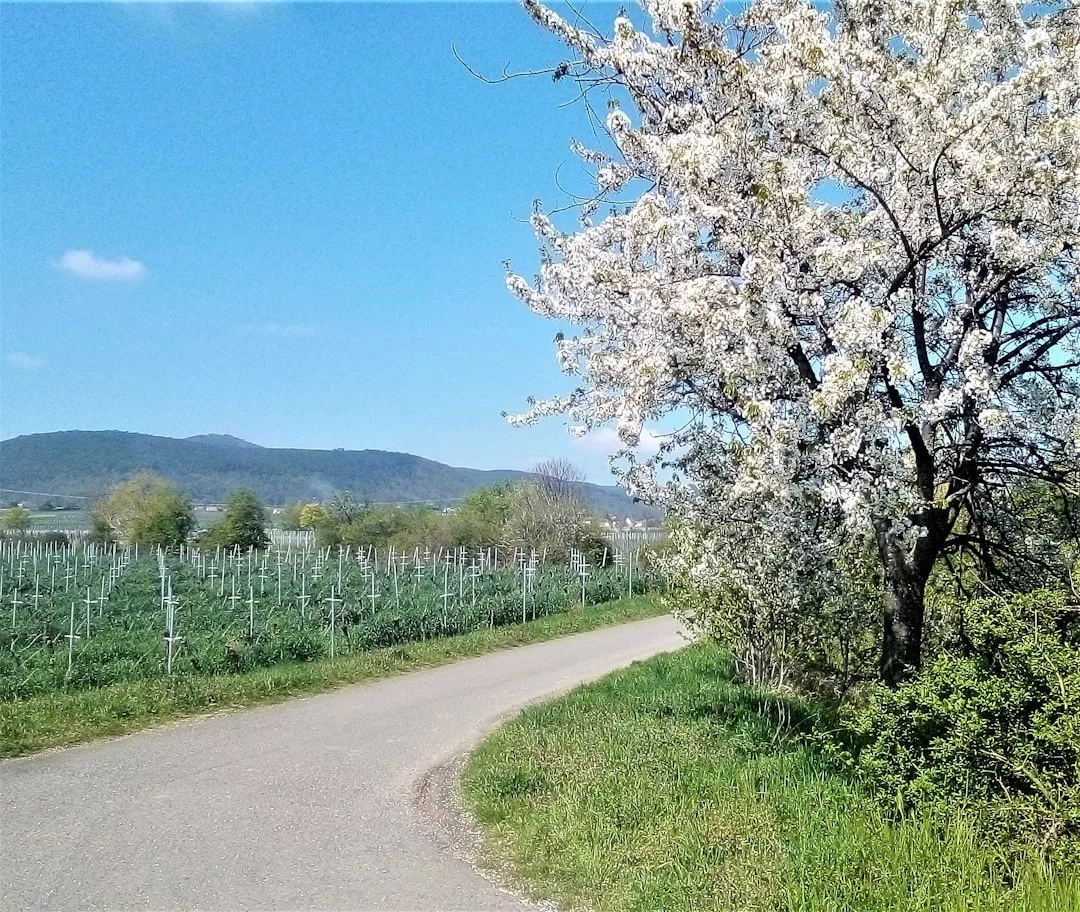
Nestled in the heart of Mallorca, Binissalem is a picturesque town renowned for its rich viticultural heritage. This region, characterized by its rolling hills and fertile soil, has become a focal point for wine enthusiasts and connoisseurs alike.
Binissalem is not just a geographical location; it embodies a cultural identity steeped in centuries of winemaking tradition. The town’s charm is enhanced by its traditional stone houses and vibrant local markets, making it a delightful destination for those seeking to explore the world of wine.
The region has earned the prestigious Denominación de Origen (DO) status, which signifies that its wines meet specific quality standards and are produced from grapes grown in designated areas. This designation not only highlights the quality of the wines but also emphasizes the commitment of local winemakers to uphold traditional practices while embracing modern techniques. As visitors delve into the world of Binissalem’s wines, they will discover a rich tapestry of flavors and aromas that reflect the unique terroir of this enchanting region.
Key Takeaways
- Binissalem is a renowned wine region in Mallorca, known for its picturesque vineyards and high-quality wines.
- The history of wine production in Binissalem dates back to ancient times, with a rich tradition and heritage that continues to thrive today.
- Top wineries to visit in Binissalem include Bodegas José L. Ferrer, Bodegas Macià Batle, and Bodegas Ribas, offering unique wine tasting experiences.
- The grape varieties of Binissalem include Manto Negro, Callet, and Prensal Blanc, contributing to the region’s distinctive and flavorful wines.
- The wine making process in Binissalem combines traditional methods with modern techniques, resulting in a diverse range of exceptional wines.
The History of Wine Production in Binissalem
The history of wine production in Binissalem dates back to ancient times, with evidence suggesting that the Phoenicians were among the first to cultivate vines on the island. Archaeological findings indicate that winemaking practices were well established by the time the Romans arrived, further enhancing the region’s viticultural legacy. The Romans recognized the potential of Mallorca’s climate and soil for grape cultivation, leading to an expansion of vineyards across the island.
Over the centuries, Binissalem became a hub for winemaking, with local families passing down their knowledge and techniques through generations. In the 19th century, Binissalem experienced a significant transformation in its wine industry. The introduction of new grape varieties and advancements in winemaking technology allowed local producers to enhance the quality of their wines.
This period also saw the establishment of cooperatives, which played a crucial role in supporting small-scale farmers and promoting their wines on a larger scale. The phylloxera crisis that devastated vineyards across Europe in the late 1800s had a profound impact on Binissalem as well, leading to a reevaluation of vineyard practices and a renewed focus on quality over quantity. Today, this historical evolution is reflected in the diverse range of wines produced in Binissalem, each telling a story of resilience and innovation.
Top Wineries to Visit in Binissalem
When exploring Binissalem, several wineries stand out as must-visit destinations for wine lovers. One such winery is Bodega José L. Ferrer, which has been producing wine since 1931.
Known for its commitment to quality and tradition, this family-owned winery offers guided tours that take visitors through its vineyards and production facilities. Guests can sample a variety of wines, including their renowned red blends made from indigenous grape varieties. The winery’s picturesque setting, combined with its rich history, makes it an ideal stop for anyone interested in understanding the essence of Binissalem’s winemaking culture.
Another notable winery is Bodega Son Prim, which prides itself on its organic farming practices and sustainable approach to viticulture. Located on a stunning estate surrounded by olive groves and almond trees, Son Prim offers an immersive experience for visitors. The winery provides tastings that showcase their range of wines, including whites, reds, and rosés crafted from both local and international grape varieties.
The knowledgeable staff shares insights into the winemaking process and the philosophy behind their sustainable practices, making it an enriching experience for those who appreciate eco-friendly approaches to wine production.
The Grape Varieties of Binissalem
Binissalem is home to a diverse array of grape varieties that contribute to its distinctive wines. Among the indigenous varieties, Manto Negro stands out as one of the most prominent red grapes cultivated in the region. Known for its deep color and rich flavors, Manto Negro produces wines that are often characterized by notes of dark fruit, spices, and earthy undertones.
This grape variety thrives in Binissalem’s unique terroir, allowing winemakers to create complex and well-structured wines that reflect the essence of the region. In addition to Manto Negro, other indigenous varieties such as Callet and Gorgollassa are also gaining recognition for their unique characteristics. Callet is known for its lightness and aromatic profile, often producing wines with floral notes and bright acidity.
Gorgollassa, on the other hand, offers a more robust flavor profile with hints of red fruit and herbal nuances. These indigenous grapes are often blended with international varieties like Cabernet Sauvignon and Merlot, resulting in wines that showcase both tradition and innovation. The combination of these diverse grape varieties allows Binissalem to produce a wide range of wines that cater to various palates.
The Wine Making Process in Binissalem
The winemaking process in Binissalem is a meticulous art that combines traditional techniques with modern innovations. Harvesting typically occurs between late August and early October when grapes reach optimal ripeness. Many wineries in Binissalem still practice hand-harvesting to ensure that only the best grapes are selected for vinification.
Once harvested, grapes are carefully sorted before being crushed and destemmed. This initial step is crucial as it sets the stage for the fermentation process. Fermentation in Binissalem often takes place in stainless steel tanks or oak barrels, depending on the desired style of wine.
Indigenous yeasts are frequently used to enhance the expression of terroir, allowing each wine to reflect its unique origin. After fermentation, wines undergo malolactic fermentation, a process that softens acidity and adds complexity, before being aged in barrels or tanks for varying periods. The aging process can last anywhere from a few months to several years, depending on the type of wine being produced.
This careful attention to detail throughout the winemaking process ensures that each bottle from Binissalem embodies the region’s rich heritage and commitment to quality.
Wine Tasting Experiences in Binissalem
Wine tasting experiences in Binissalem offer visitors an opportunity to engage with local winemakers while savoring some of the finest wines Mallorca has to offer. Many wineries provide guided tastings that include a selection of their best vintages paired with local delicacies. For instance, at Bodega José L.
Ferrer, guests can enjoy a tasting flight featuring their signature wines alongside traditional Mallorcan tapas such as sobrasada (a cured sausage) and ensaimada (a sweet pastry). This combination not only enhances the tasting experience but also allows visitors to appreciate how local cuisine complements the region’s wines. In addition to traditional tastings, some wineries offer unique experiences such as blending workshops where participants can create their own custom blends using various grape varieties.
These interactive sessions provide insight into the art of winemaking while allowing guests to unleash their creativity. Furthermore, many wineries host seasonal events such as harvest festivals or wine fairs that celebrate local culture and community spirit. These events often feature live music, food stalls, and opportunities to meet local artisans, making them an excellent way to immerse oneself in the vibrant atmosphere of Binissalem.
Food and Wine Pairing in Binissalem
The culinary scene in Binissalem is as rich as its viticultural heritage, making food and wine pairing an essential aspect of any visit to the region. Local restaurants often showcase dishes that highlight Mallorcan ingredients while complementing the flavors of Binissalem’s wines. For example, a classic pairing might include a robust Manto Negro served alongside lamb cooked with rosemary and garlic, a dish that echoes the earthy notes found in the wine itself.
Seafood is another staple of Mallorcan cuisine that pairs beautifully with white wines from Binissalem. A crisp white made from Prensal Blanc or Chardonnay can elevate dishes such as grilled fish or seafood paella, enhancing their freshness while balancing flavors. Many restaurants also offer tasting menus that feature multiple courses paired with different wines from local wineries, providing diners with an opportunity to explore various flavor profiles throughout their meal.
This emphasis on food and wine pairing not only enriches the dining experience but also fosters a deeper appreciation for both local cuisine and viticulture.
Sustainable Wine Practices in Binissalem
Sustainability has become a cornerstone of winemaking practices in Binissalem as producers increasingly recognize their responsibility toward environmental stewardship. Many wineries have adopted organic farming methods that eschew synthetic pesticides and fertilizers in favor of natural alternatives. This approach not only promotes biodiversity within vineyards but also enhances soil health, key factors in producing high-quality grapes.
In addition to organic farming, some wineries are implementing water conservation techniques and renewable energy sources to minimize their ecological footprint. For instance, Bodega Son Prim utilizes solar panels to power its operations while employing drip irrigation systems that optimize water usage during dry periods. These sustainable practices reflect a growing awareness among winemakers about the importance of preserving their natural resources for future generations while producing exceptional wines that resonate with environmentally conscious consumers.
Exploring the Vineyards and Landscapes of Binissalem
The landscapes surrounding Binissalem are nothing short of breathtaking, characterized by undulating hills adorned with vineyards stretching as far as the eye can see. Exploring these vineyards offers visitors a chance to connect with nature while gaining insight into the viticultural practices that define this region. Many wineries provide guided tours through their vineyards, allowing guests to witness firsthand how grapes are cultivated and cared for throughout the growing season.
As visitors stroll through rows of vines under the warm Mediterranean sun, they can appreciate not only the beauty of the landscape but also the intricate relationship between terroir and wine quality. The diverse soils found in Binissalem, ranging from clay to limestone, contribute distinct characteristics to each grape variety grown here. Additionally, panoramic views from elevated vineyard sites provide stunning backdrops for photography enthusiasts looking to capture the essence of Mallorca’s wine country.
Unique Wine Tours and Experiences in Binissalem
For those seeking an immersive experience beyond traditional winery visits, Binissalem offers unique wine tours that cater to diverse interests. One popular option is cycling tours through the vineyards, where participants can pedal along scenic routes while stopping at various wineries for tastings along the way. These tours not only promote physical activity but also allow participants to enjoy fresh air while taking in stunning views of Mallorca’s countryside.
Another distinctive experience is horseback riding through vineyards led by knowledgeable guides who share insights about local viticulture and history during rides through picturesque landscapes. These tours often culminate in tastings at select wineries where riders can unwind after their adventure while savoring exquisite wines paired with local delicacies. Such experiences highlight how exploring Binissalem’s wine culture can be both educational and enjoyable.
Tips for Planning a Wine Tour in Binissalem
Planning a wine tour in Binissalem requires some thoughtful consideration to ensure an enjoyable experience tailored to individual preferences. First and foremost, it’s advisable to research wineries ahead of time, many offer guided tours or tastings by appointment only, so booking in advance can help avoid disappointment during peak seasons when demand is high. Additionally, consider timing your visit during harvest season (late summer to early fall) when many wineries host special events celebrating this crucial period in winemaking.
Participating in harvest activities or attending festivals can provide unique insights into local traditions while enhancing your overall experience. Lastly, don’t forget about transportation options; whether opting for designated drivers or organized tours ensures safety while allowing you to fully indulge in tastings without concern over driving afterward. With careful planning and an open mind ready for exploration, visitors can create unforgettable memories amidst the enchanting vineyards of Binissalem.
More in
More from Mallorca

Mallorca · 8 min
Premium Real Estate Advisory for Palma Property Purchases
In the complex world of real estate, having a knowledgeable advisor can make a significant difference in the buying or selling process. Real estate ad…
Mallorca · 7 min
Discover the Hiking Pilgrimage to Lluc Monastery
The significance of Lluc Monastery extends beyond its religious importance; it has played a crucial role in preserving Mallorcan culture and tradition…

Mallorca · 8 min
Exclusive Sunset Visits to Caves Del Hams in Porto Cristo
Nestled on the eastern coast of Mallorca, the Caves Del Hams are a breathtaking natural wonder that draws visitors from around the globe. Located near…