Mallorca · Mallorca
Exploring Binissalem Vineyards: Wine Country Cycling Tours
The history of Binissalem vineyards is deeply intertwined with the cultural and agricultural evolution of Mallorca, the largest island in the Balearic archipelago. The region…
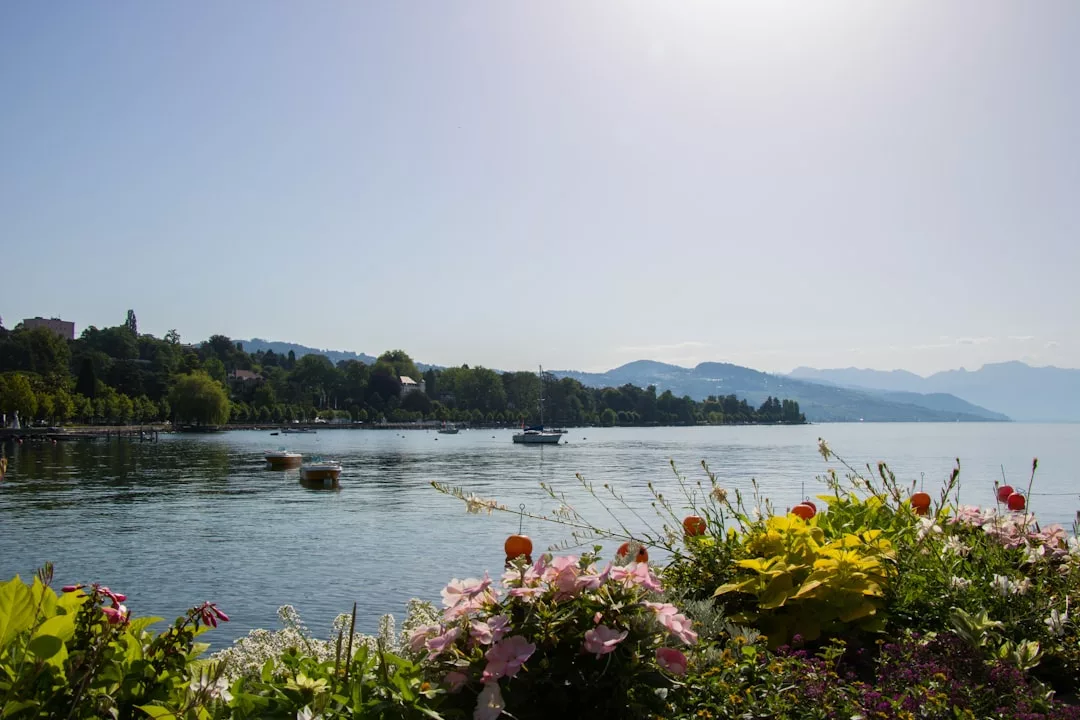
The history of Binissalem vineyards is deeply intertwined with the cultural and agricultural evolution of Mallorca, the largest island in the Balearic archipelago. The region’s viticulture dates back to the Roman era, when the island was known for its fertile lands and favorable climate for grape cultivation. Archaeological evidence suggests that the Romans introduced various grape varieties, laying the foundation for what would become a thriving wine industry.
Over the centuries, Binissalem has witnessed numerous transformations, from the Moorish influence in the Middle Ages to the resurgence of local wine production in the 20th century. In the late 19th century, Binissalem experienced a renaissance in winemaking, largely due to the phylloxera crisis that devastated vineyards across Europe. This crisis prompted local vintners to innovate and adapt, leading to the establishment of new vineyards and the revival of traditional winemaking techniques.
The designation of Binissalem as a Denominación de Origen (DO) in 1990 further solidified its reputation as a premier wine-producing region. Today, Binissalem is celebrated for its unique varietals, particularly the indigenous Manto Negro and Callet grapes, which thrive in the region’s distinct terroir.
Key Takeaways
- Binissalem Vineyards have a rich history dating back to Roman times, with winemaking traditions passed down through generations.
- The best time to visit Binissalem Vineyards is during the grape harvest season in September and October, when the vineyards are bustling with activity.
- When planning your wine country cycling tour, be sure to map out your route, pack plenty of water and snacks, and consider hiring a local guide for insider knowledge.
- Top vineyards to visit in Binissalem include Bodegas José L. Ferrer, Bodegas Macià Batle, and Bodegas Ribas, each offering unique wine tasting experiences.
- On a wine country cycling tour, expect stunning landscapes, charming villages, and the opportunity to meet local winemakers and learn about their craft.
The Best Time to Visit Binissalem Vineyards
When planning a visit to Binissalem vineyards, timing can significantly enhance the experience. The ideal months for exploring this picturesque wine region are from late spring to early autumn, specifically between May and October. During this period, the weather is typically warm and sunny, creating perfect conditions for vineyard tours and outdoor activities.
The lush green landscapes transform into a vibrant tapestry of colors as grapes ripen on the vine, offering visitors a stunning visual feast. Harvest season, which usually occurs in late September to early October, is particularly special for wine enthusiasts. This is when the vineyards come alive with activity as workers gather to pick ripe grapes.
Participating in harvest-related events or tours can provide an authentic glimpse into the winemaking process and allow visitors to engage with local traditions. Additionally, many vineyards host special tastings and events during this time, making it an excellent opportunity to sample fresh wines straight from the source.
Planning Your Wine Country Cycling Tour
Planning a cycling tour through Binissalem’s vineyards requires careful consideration of several factors to ensure a memorable experience. First and foremost, selecting a suitable route is essential. The region boasts a network of scenic cycling paths that meander through vineyards, olive groves, and charming villages.
Many routes are well-marked and vary in difficulty, catering to both novice cyclists and seasoned riders. It’s advisable to research and choose a route that aligns with your fitness level and interests. In addition to route planning, it’s crucial to consider logistics such as bike rentals, accommodations, and guided tours.
Numerous local companies offer bike rentals along with guided tours that provide insights into the region’s history and winemaking practices. These tours often include stops at various vineyards for tastings and pairings, enriching the overall experience. Furthermore, booking accommodations in advance is recommended, especially during peak tourist seasons when demand can be high.
Staying in local guesthouses or agriturismos can enhance your connection to the region and its culture.
The Top Vineyards to Visit in Binissalem
Binissalem is home to several outstanding vineyards that showcase the region’s rich viticultural heritage. One of the most renowned is Bodega José L. Ferrer, established in 1931. This family-owned winery is celebrated for its commitment to quality and tradition, producing a range of wines that reflect the unique characteristics of Mallorcan grapes. Another must-visit vineyard is Bodega Son Prim, known for its picturesque setting and innovative approach to winemaking. This vineyard combines traditional techniques with modern technology to produce high-quality wines that have garnered numerous awards. The tasting room offers a stunning view of the surrounding landscape, making it an ideal spot to savor their wines while soaking in the beauty of Binissalem. Additionally, Bodega Can Majoral stands out for its organic practices and dedication to sustainability. Their commitment to preserving local biodiversity is evident in their wines, which are crafted from indigenous grape varieties grown without synthetic chemicals.
What to Expect on a Wine Country Cycling Tour
A wine country cycling tour in Binissalem promises an immersive experience that engages all the senses. The scent of ripe grapes fills the air, mingling with the earthy aroma of the surrounding countryside.
Along the way, cyclists can expect to encounter friendly locals who are often eager to share stories about their vineyards and winemaking traditions. Most tours include stops at various wineries where participants can indulge in tastings of local wines paired with traditional Mallorcan cuisine. These experiences often feature guided tastings led by knowledgeable staff who provide insights into each wine’s unique flavor profile and production methods.
Additionally, many tours incorporate opportunities for leisurely breaks at scenic viewpoints or charming villages, allowing cyclists to soak in the local culture and history while enjoying refreshments or light snacks.
The Benefits of Exploring Binissalem Vineyards by Bike
Exploring Binissalem vineyards by bike offers numerous advantages that enhance both the journey and the destination. One of the most significant benefits is the opportunity for a more intimate connection with the landscape. Cycling allows you to traverse areas that may be inaccessible by car, providing a unique perspective on the vineyards and their surroundings.
The slower pace enables you to fully appreciate the beauty of nature while enjoying fresh air and exercise. Moreover, cycling promotes sustainable tourism practices by reducing carbon footprints compared to motorized transport. This eco-friendly approach aligns with the values of many local wineries that prioritize sustainability in their operations.
Additionally, biking through Binissalem allows for spontaneous discoveries, whether it’s stumbling upon a hidden vineyard or encountering local artisans selling handmade goods along the route. This sense of adventure adds an element of excitement to your exploration.
Wine Tasting and Pairing Experiences in Binissalem
Wine tasting in Binissalem is not merely about sampling different varietals; it’s an art form that combines flavors, aromas, and textures to create memorable culinary experiences. Many vineyards offer structured tasting sessions where guests can explore a selection of wines paired with local delicacies such as sobrasada (a cured sausage), ensaimada (a sweet pastry), or fresh seafood dishes typical of Mallorca’s coastal cuisine. These pairings are thoughtfully curated to enhance both the wine and food flavors.
For those seeking a deeper understanding of wine pairing principles, some wineries provide workshops or classes led by experienced sommeliers. These sessions delve into topics such as balancing acidity with richness or complementing flavors through contrasting profiles. Engaging in these educational experiences not only enriches your appreciation for wine but also equips you with skills that can be applied at home when hosting your own tastings.
The Scenic Routes and Landscapes of Binissalem Vineyards
The scenic routes winding through Binissalem vineyards are as diverse as they are breathtaking. Cyclists can choose from paths that traverse gently rolling hills dotted with ancient olive trees or routes that lead through vibrant fields bursting with wildflowers during springtime. The backdrop of the Serra de Tramuntana mountain range adds dramatic flair to many cycling routes, providing stunning vistas that change with the time of day.
One particularly popular route takes cyclists along quiet country roads lined with vineyards and charming stone farmhouses. This path not only showcases the natural beauty of Binissalem but also offers glimpses into local life as you pass by farmers tending their fields or families enjoying leisurely afternoons outdoors. The combination of picturesque landscapes and cultural encounters creates an enriching experience that lingers long after your ride has ended.
The Local Culture and Traditions of Binissalem Vineyards
The culture surrounding Binissalem vineyards is steeped in tradition and community spirit. Local festivals celebrate both wine and agricultural heritage, drawing visitors from near and far to partake in lively events filled with music, dance, and gastronomy. One such event is the Fira del Vi (Wine Fair), held annually in September, where local wineries showcase their best offerings alongside traditional Mallorcan dishes.
Additionally, many families have been involved in winemaking for generations, passing down knowledge and techniques through familial lines. This deep-rooted connection fosters a sense of pride among local vintners who are dedicated to preserving their heritage while embracing modern innovations in viticulture. Visitors often find themselves welcomed into this close-knit community, where sharing stories over a glass of wine becomes an integral part of their experience.
Tips for a Memorable Wine Country Cycling Tour in Binissalem
To ensure a memorable cycling tour through Binissalem’s vineyards, preparation is key. First, consider dressing appropriately for both cycling and winery visits; comfortable clothing and sturdy shoes are essential for navigating varied terrains while maintaining a polished appearance at tastings. Additionally, packing essentials such as sunscreen, water bottles, and snacks will keep you energized throughout your ride.
It’s also wise to familiarize yourself with local customs regarding wine tasting etiquette, such as how to properly swirl and sniff wine before tasting, to enhance your experience at each vineyard. Engaging with staff members during tastings can lead to insightful conversations about their winemaking philosophy or recommendations for food pairings at home. Lastly, don’t hesitate to take your time; savoring each moment will create lasting memories as you explore this enchanting region.
Sustainable Practices and Eco-Friendly Initiatives in Binissalem Vineyards
Sustainability has become a cornerstone of winemaking practices in Binissalem as local vintners recognize their responsibility toward environmental stewardship. Many vineyards have adopted organic farming methods that eschew synthetic pesticides and fertilizers in favor of natural alternatives that promote soil health and biodiversity. This commitment not only enhances grape quality but also contributes positively to the surrounding ecosystem.
In addition to organic practices, several wineries are implementing eco-friendly initiatives such as rainwater harvesting systems and solar energy installations to reduce their carbon footprint further. These efforts reflect a growing awareness among producers about climate change’s impact on viticulture and demonstrate their dedication to preserving both their craft and the environment for future generations. Visitors can take pride in supporting these sustainable practices while enjoying exceptional wines that embody both tradition and innovation.
More in
More from Mallorca

Mallorca · 8 min
Premium Real Estate Advisory for Palma Property Purchases
In the complex world of real estate, having a knowledgeable advisor can make a significant difference in the buying or selling process. Real estate ad…
Mallorca · 7 min
Discover the Hiking Pilgrimage to Lluc Monastery
The significance of Lluc Monastery extends beyond its religious importance; it has played a crucial role in preserving Mallorcan culture and tradition…

Mallorca · 8 min
Exclusive Sunset Visits to Caves Del Hams in Porto Cristo
Nestled on the eastern coast of Mallorca, the Caves Del Hams are a breathtaking natural wonder that draws visitors from around the globe. Located near…