Travel · Travel
Exploring Culinary Delights: Foodie Travel Adventures
In recent years, food tourism has emerged as a significant trend, captivating the hearts and palates of travelers worldwide. This phenomenon transcends mere dining; it encompasses …
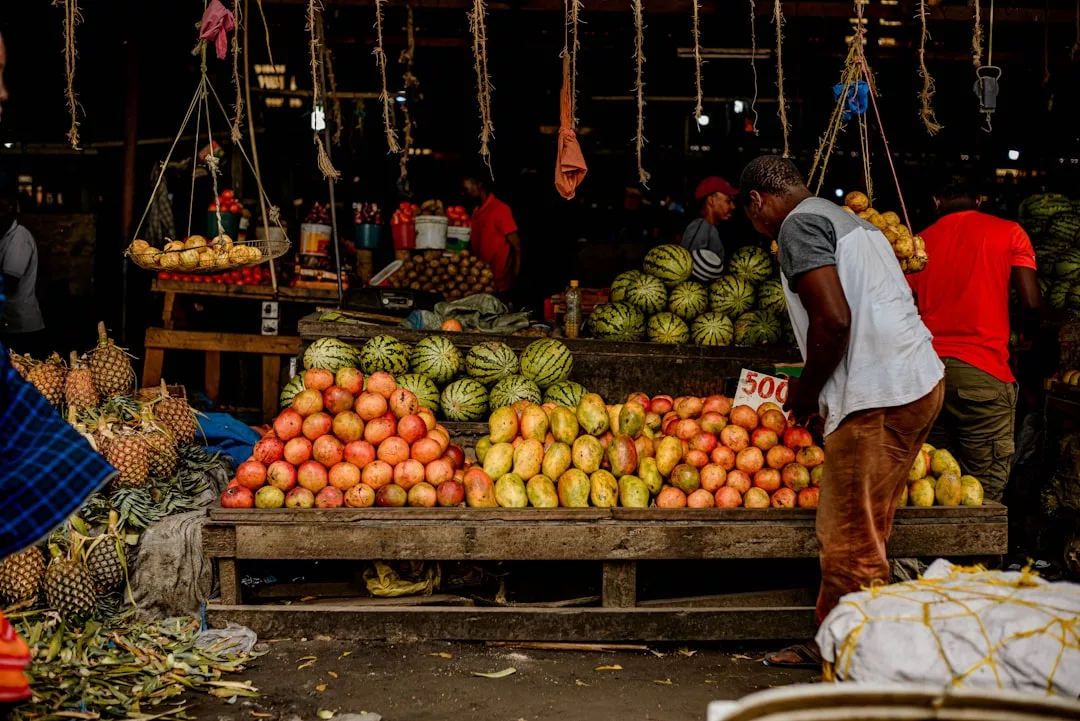
In recent years, food tourism has emerged as a significant trend, captivating the hearts and palates of travelers worldwide. This phenomenon transcends mere dining; it encompasses a deep exploration of local cultures through their culinary practices. As people become more conscious of the experiences they seek while traveling, food has become a central theme in their adventures.
The rise of social media platforms, particularly Instagram, has played a pivotal role in this trend, allowing travelers to share their gastronomic experiences with a global audience. Moreover, the globalization of food has made it easier for travelers to access diverse cuisines.
However, this accessibility has also sparked a desire for authenticity. Tourists are increasingly looking for experiences that connect them with local traditions and ingredients. This shift has led to the growth of food-focused travel itineraries, where culinary experiences are not just an afterthought but a primary motivation for travel.
From cooking classes in Tuscany to street food tours in Bangkok, food tourism is reshaping how we perceive and engage with different cultures, making it an integral part of the modern travel experience.
Key Takeaways
- Food tourism is on the rise, with travelers seeking unique culinary experiences around the world.
- Top culinary destinations around the world include cities like Tokyo, Paris, Barcelona, and Bangkok.
- Unique foodie experiences to try include foraging for truffles in Italy, dining in a treehouse restaurant in New Zealand, and visiting a tea plantation in Sri Lanka.
- Exploring local markets and street food is a great way to immerse yourself in the local food culture while traveling.
- Indulge in immersive cooking classes and workshops to learn about traditional cooking techniques and local ingredients.
Top Culinary Destinations Around the World
When it comes to culinary destinations, certain cities and regions stand out for their rich gastronomic heritage and innovative dining scenes. Tokyo, Japan, is often hailed as one of the top culinary capitals of the world. With more Michelin-starred restaurants than any other city, Tokyo offers an unparalleled dining experience that ranges from exquisite sushi bars to traditional kaiseki meals.
The meticulous attention to detail in Japanese cuisine reflects a deep respect for ingredients and seasonality, making every meal a celebration of flavor and artistry. Another remarkable destination is Barcelona, Spain, where the vibrant Catalan culture is mirrored in its diverse culinary offerings. The city is famous for its tapas bars, where locals and visitors alike gather to enjoy small plates of delicious food paired with regional wines.
The influence of modernist cuisine can also be felt in Barcelona, with innovative chefs pushing the boundaries of traditional cooking techniques. The bustling La Boqueria market serves as a testament to the city’s culinary prowess, showcasing fresh produce, seafood, and artisanal products that inspire both chefs and home cooks.
Unique Foodie Experiences to Try
Traveling for food offers unique experiences that go beyond simply eating at restaurants. One such experience is participating in a traditional tea ceremony in Kyoto, Japan. This ritualistic practice not only highlights the art of tea preparation but also immerses participants in Japanese culture and philosophy.
The serene environment and meticulous attention to detail create a meditative experience that deepens one’s appreciation for this ancient beverage. In Mexico, travelers can engage in a unique culinary adventure by taking part in a mole-making workshop in Oaxaca. Mole is a complex sauce made from various ingredients, including chilies, chocolate, and spices.
Participants learn about the history and significance of mole in Mexican cuisine while crafting their own versions under the guidance of local chefs. This hands-on experience not only provides insight into traditional cooking methods but also fosters a connection with the local community and its culinary heritage.
Exploring Local Markets and Street Food
Local markets are often the heartbeat of a city’s culinary scene, offering an authentic glimpse into daily life and local flavors. In Marrakech, Morocco, the bustling souks are filled with vibrant spices, fresh produce, and street food stalls that entice passersby with tantalizing aromas. Visitors can sample traditional Moroccan dishes such as tagine and couscous while mingling with locals who frequent these markets for their daily meals.
The sensory overload of colors, sounds, and smells creates an unforgettable experience that captures the essence of Moroccan culture. Street food is another vital aspect of exploring local cuisine. In Bangkok, Thailand, street vendors serve up an array of dishes that reflect the city’s rich culinary heritage.
From pad thai to som tam (green papaya salad), these affordable and delicious options allow travelers to taste authentic Thai flavors without breaking the bank. The vibrant street food scene not only satisfies hunger but also fosters social interactions as locals gather around stalls to enjoy their meals together. This communal aspect of dining enhances the overall experience, making it a highlight for many visitors.
Immersive Cooking Classes and Workshops
Cooking classes have become increasingly popular among travelers seeking to deepen their culinary knowledge while on vacation. These immersive experiences allow participants to learn from local chefs who share their expertise and cultural insights.
Participants roll out dough by hand and learn how to shape various pasta types while discovering the history behind each dish. In Thailand, cooking schools often include market tours where participants can select fresh ingredients before heading back to the kitchen to prepare authentic Thai dishes. This hands-on approach not only teaches valuable cooking skills but also emphasizes the importance of fresh produce in Thai cuisine.
By engaging with local ingredients and techniques, travelers gain a deeper appreciation for the flavors they encounter during their culinary journeys.
Indulging in Michelin-starred Dining
For many food enthusiasts, dining at Michelin-starred restaurants represents the pinnacle of culinary experiences. These establishments are renowned for their exceptional quality, creativity, and service. In Paris, restaurants like Le Meurice and L’Arpège showcase the artistry of French cuisine through meticulously crafted dishes that highlight seasonal ingredients.
Dining at such establishments often feels like attending a performance where each course is presented with precision and flair. In addition to France, cities like San Francisco and New York boast an impressive array of Michelin-starred restaurants that reflect diverse culinary influences. In San Francisco, Quince offers a contemporary take on Italian cuisine using locally sourced ingredients, while Eleven Madison Park in New York City redefines fine dining with its innovative plant-based menu.
These experiences not only tantalize the taste buds but also provide insight into the chefs’ philosophies and creative processes.
Farm-to-Table Experiences and Agritourism
The farm-to-table movement has gained momentum as travelers seek more sustainable dining options that connect them directly with food producers. Agritourism allows visitors to experience life on a farm while enjoying fresh produce straight from the source. In Tuscany, Italy, agriturismos offer accommodations on working farms where guests can participate in activities such as olive oil pressing or grape harvesting during the harvest season.
In California’s Napa Valley, many wineries embrace the farm-to-table ethos by offering vineyard tours followed by gourmet meals prepared with locally sourced ingredients. These experiences not only highlight the importance of sustainable practices but also foster a deeper connection between consumers and their food sources. By understanding where their meals come from, travelers can appreciate the flavors and stories behind each dish.
Sampling Regional Wines and Spirits
Wine tourism has become an integral part of culinary travel as enthusiasts seek to explore regional varietals and production methods. In Bordeaux, France, wine lovers can embark on vineyard tours that delve into the intricacies of winemaking while sampling some of the world’s finest wines. The region’s rich history and diverse terroir contribute to its reputation as a premier wine destination.
Beyond wine, spirits also play a significant role in culinary exploration. In Scotland, whisky distilleries offer tours that educate visitors about the distillation process while providing tastings of various single malts. The opportunity to savor these spirits alongside traditional Scottish fare enhances the overall experience, allowing travelers to appreciate the cultural significance of these beverages within their respective regions.
Culinary Festivals and Events
Culinary festivals have become popular gatherings that celebrate regional cuisines and bring together chefs, food producers, and enthusiasts alike. Events such as the Melbourne Food and Wine Festival showcase Australia’s diverse culinary landscape through tastings, workshops, and masterclasses led by renowned chefs. These festivals not only highlight local ingredients but also foster community engagement by encouraging collaboration among chefs and producers.
In Spain, La Tomatina is an iconic festival where participants engage in a massive tomato fight while celebrating local cuisine through various food stalls offering traditional dishes like paella and churros. Such events create a festive atmosphere that allows travelers to immerse themselves in local culture while enjoying delicious food in a lively setting.
Exploring the World of Food Tours
Food tours have gained popularity as a way for travelers to discover new cuisines while learning about local history and culture. Guided tours often take participants through neighborhoods known for their culinary offerings, allowing them to sample various dishes from different vendors or restaurants along the way. In New Orleans, for example, food tours highlight the city’s unique Creole and Cajun cuisines by visiting iconic eateries known for gumbo, jambalaya, and beignets.
In addition to traditional food tours, some companies offer themed experiences that focus on specific aspects of local cuisine, such as dessert tours or craft beer tastings, allowing participants to dive deeper into particular culinary interests while exploring new flavors.
Sustainable and Ethical Eating Practices while Traveling
As awareness around sustainability grows, many travelers are seeking ways to incorporate ethical eating practices into their culinary adventures. This includes choosing restaurants that prioritize local sourcing or support sustainable farming practices. In cities like Copenhagen, Denmark, many restaurants emphasize seasonal ingredients while minimizing waste through creative menu designs that utilize every part of an ingredient.
Travelers can also engage with local communities by participating in initiatives that promote sustainable agriculture or support small-scale farmers. By making conscious choices about where they dine and what they consume while traveling, individuals can contribute positively to local economies while enjoying authentic culinary experiences that reflect the region’s culture and values. Food tourism continues to evolve as travelers seek deeper connections with cultures through their culinary experiences.
From exploring local markets to indulging in Michelin-starred dining or participating in immersive cooking classes, each experience offers a unique opportunity to engage with food on multiple levels, savoring flavors while gaining insights into traditions that shape our global culinary landscape.
More in
More from Travel
Travel · 9 min
Exploring the Ultimate Culinary Experience
The ultimate culinary experience transcends mere sustenance; it is an intricate tapestry woven from flavors, aromas, textures, and visual appeal. This…

Travel · 11 min
Exploring the Best of Paris: A 3-Day Itinerary
The first day in Paris is often a whirlwind of excitement and discovery, as travelers set out to explore the city’s most iconic landmarks. Starting at…

Travel · 8 min
Mastering the Art of Skiing: Tips for Perfecting Your Technique
Selecting the appropriate skiing equipment is a fundamental step for both beginners and seasoned skiers alike. The right gear not only enhances perfor…