Travel · Travel
Exploring Cultural Tourism: A Journey Through History and Tradition
Cultural tourism has emerged as a significant sector within the broader travel industry, attracting millions of travelers who seek to immerse themselves in the rich tapestry of hum…
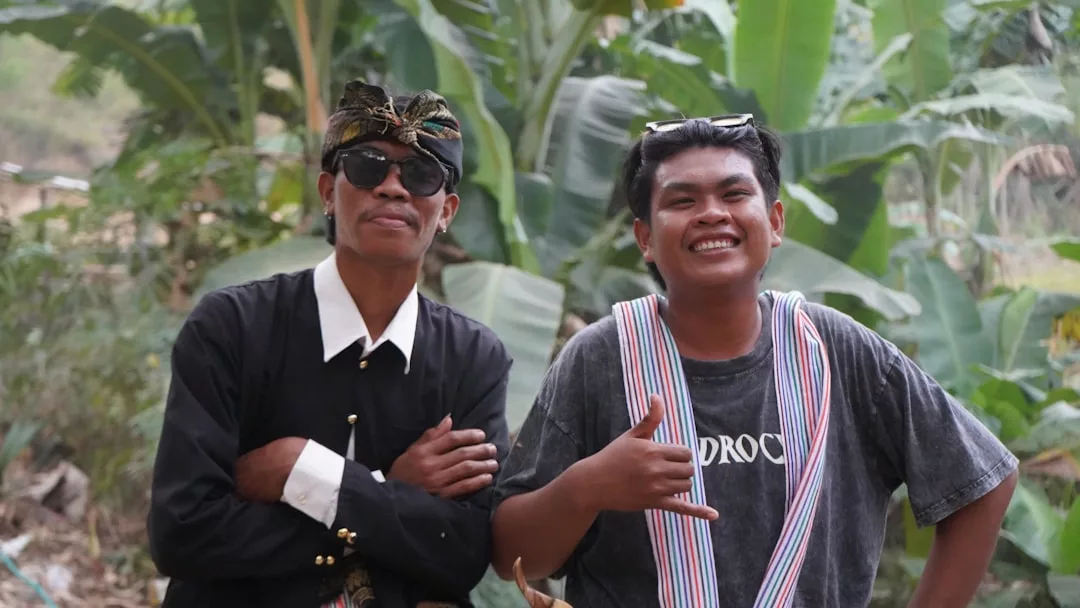
Cultural tourism has emerged as a significant sector within the broader travel industry, attracting millions of travelers who seek to immerse themselves in the rich tapestry of human history, art, and tradition. This form of tourism goes beyond mere sightseeing; it offers an opportunity for individuals to engage with the cultural narratives that shape societies. By visiting historical sites, participating in local traditions, and experiencing the arts, tourists gain a deeper understanding of the world around them.
This engagement fosters a sense of appreciation for diversity and encourages respect for different ways of life. Moreover, cultural tourism plays a crucial role in the economic development of regions. It generates revenue not only for the tourism sector but also for local businesses, artisans, and service providers.
As travelers flock to destinations known for their cultural significance, they contribute to job creation and the sustainability of local economies. This influx of visitors can lead to the preservation of cultural sites and practices that might otherwise be at risk of fading away. Thus, cultural tourism serves as a bridge between economic viability and cultural preservation, ensuring that traditions are not only maintained but also celebrated.
Key Takeaways
- Cultural tourism promotes understanding and appreciation of different cultures.
- History and tradition play a crucial role in shaping cultural tourism experiences.
- Cultural tourism can have a positive impact on local communities, economically and socially.
- Exploring historical landmarks and monuments provides insight into a destination’s heritage.
- Immersing in traditional festivals, sampling local cuisine, and engaging with indigenous art are integral to cultural tourism experiences.
Understanding the Role of History and Tradition in Cultural Tourism
History and tradition are the cornerstones of cultural tourism, providing the context and substance that attract visitors to various destinations. Historical narratives shape the identity of a place, offering insights into its past struggles, triumphs, and evolution. For instance, cities like Rome and Athens are not merely tourist hotspots; they are living museums that encapsulate centuries of human achievement and cultural development.
The ruins of ancient civilizations tell stories that resonate with visitors, allowing them to connect with the past in a tangible way. Tradition complements history by infusing contemporary life with cultural practices that have been passed down through generations. Festivals, rituals, and local customs serve as vibrant expressions of a community’s heritage.
For example, the Day of the Dead in Mexico is not just a celebration; it is a profound reflection of the country’s views on life and death, blending indigenous beliefs with Catholicism. Tourists who participate in such events gain a richer understanding of the values and beliefs that shape a culture, making their travel experience more meaningful.
The Impact of Cultural Tourism on Local Communities
The impact of cultural tourism on local communities can be profound, often leading to both positive and negative consequences. On one hand, it can revitalize local economies by creating jobs and stimulating business growth. Artisans, performers, and local guides benefit directly from the influx of tourists eager to experience authentic cultural offerings.
For instance, in Bali, Indonesia, the rise in cultural tourism has led to increased demand for traditional crafts such as batik and wood carving, providing artisans with sustainable livelihoods. However, there are challenges associated with this growth. The commercialization of culture can lead to the dilution of traditions as communities adapt their practices to cater to tourist expectations.
In some cases, this can result in a loss of authenticity, where cultural expressions become mere performances rather than genuine representations of a community’s identity. Additionally, an overwhelming number of tourists can strain local resources and infrastructure, leading to environmental degradation and social tensions. Therefore, it is essential for stakeholders to strike a balance between promoting cultural tourism and preserving the integrity of local traditions.
Exploring Historical Landmarks and Monuments
Historical landmarks and monuments serve as tangible connections to the past, offering visitors a glimpse into the architectural marvels and significant events that have shaped societies. Structures like the Great Wall of China or the Pyramids of Giza are not only awe-inspiring but also encapsulate centuries of history and human ingenuity. These sites attract millions of tourists each year who come to marvel at their grandeur while learning about the civilizations that built them.
Visiting these landmarks often involves guided tours that provide context and depth to the experience. For example, a visit to the Colosseum in Rome is enriched by understanding its role in ancient Roman society as a venue for gladiatorial contests and public spectacles.
Such insights transform a simple visit into an educational journey that fosters appreciation for historical achievements.
Immersing in Traditional Festivals and Celebrations
Traditional festivals offer an immersive experience that allows tourists to engage with local culture in vibrant and dynamic ways. These celebrations often reflect the values, beliefs, and history of a community, providing visitors with an opportunity to witness cultural practices firsthand. Events like Diwali in India or Carnival in Brazil showcase not only colorful parades and elaborate costumes but also deep-rooted traditions that have been preserved over generations.
Participating in these festivals can be transformative for travelers. It allows them to step outside their comfort zones and engage with locals in meaningful ways. For instance, during the Holi festival in India, visitors join locals in throwing colored powders at each other, symbolizing joy and the arrival of spring.
Such experiences foster connections between cultures and create lasting memories that transcend geographical boundaries. Additionally, these festivals often include traditional music, dance, and culinary delights that further enrich the cultural experience.
Sampling Authentic Local Cuisine and Culinary Traditions
Culinary traditions are an integral part of cultural tourism, offering travelers a unique lens through which to explore a destination’s heritage. Food is not merely sustenance; it is a reflection of history, geography, and social customs. Each region boasts its own culinary specialties that tell stories about its people and their way of life.
For example, Italian cuisine is characterized by its regional diversity, with dishes like risotto from Lombardy or pasta from Emilia-Romagna showcasing local ingredients and cooking techniques. Engaging with local cuisine often involves more than just dining at restaurants; it can include cooking classes or food tours that provide insights into traditional preparation methods. In Thailand, for instance, tourists can participate in cooking classes where they learn to make dishes like Pad Thai or Green Curry using fresh ingredients from local markets.
Engaging with Indigenous Art and Handicrafts
Indigenous art and handicrafts are vital expressions of cultural identity that offer travelers a glimpse into the creativity and craftsmanship of local communities. These art forms often carry deep meanings tied to history, spirituality, and social values. For example, Native American pottery or Aboriginal dot paintings are not merely decorative items; they embody stories passed down through generations and reflect the relationship between people and their environment.
Tourists who engage with indigenous art often have opportunities to meet artisans who share their techniques and inspirations. Workshops led by local craftspeople allow visitors to learn traditional skills such as weaving or pottery-making while gaining insights into the cultural significance behind these practices. This interaction fosters mutual respect and understanding between travelers and indigenous communities while supporting sustainable livelihoods for artisans.
Experiencing Traditional Music and Dance Performances
Music and dance are universal languages that transcend cultural barriers, making them essential components of cultural tourism. Traditional performances provide insight into a community’s values, history, and social dynamics while offering entertainment that resonates with audiences worldwide. From Flamenco in Spain to Balinese dance in Indonesia, these art forms are often deeply rooted in cultural narratives that reflect the spirit of a place.
Attending live performances allows tourists to witness the passion and skill involved in these artistic expressions. For instance, experiencing a traditional Maori haka in New Zealand is not just about watching a dance; it is about understanding its significance as a ceremonial expression of identity and pride. Such experiences create emotional connections between performers and audiences while fostering appreciation for diverse artistic traditions.
Participating in Cultural Workshops and Demonstrations
Cultural workshops provide an interactive platform for travelers to engage directly with local traditions while acquiring new skills. These hands-on experiences allow participants to delve deeper into various aspects of culture, be it through cooking classes, craft workshops, or language lessons. For example, in Japan, tourists can participate in tea ceremonies where they learn about the meticulous rituals involved in preparing matcha tea while gaining insights into Japanese aesthetics and philosophy.
These workshops often emphasize the importance of preserving traditional practices while adapting them for contemporary audiences. By participating in such activities, travelers not only gain practical knowledge but also contribute to the sustainability of cultural heritage. Engaging with local artisans or experts fosters connections that enrich both parties’ understanding of culture while promoting cross-cultural dialogue.
Connecting with Local Communities and Learning from Their Traditions
Cultural tourism thrives on authentic connections between travelers and local communities. Engaging with residents allows tourists to gain firsthand insights into daily life, traditions, and challenges faced by those living in a particular region. Initiatives such as homestays or community-based tourism programs facilitate these interactions by placing visitors directly within local contexts.
For instance, spending time with indigenous communities in Peru provides travelers with opportunities to learn about traditional agricultural practices while participating in daily activities such as weaving or farming. These experiences foster mutual respect and understanding while empowering local communities by providing them with platforms to share their stories and traditions with outsiders.
Preserving and Promoting Cultural Heritage through Tourism
The relationship between tourism and cultural heritage is complex yet vital for ensuring that traditions are preserved for future generations. As interest in cultural tourism grows, there is an increasing recognition of the need to protect vulnerable cultural sites and practices from commercialization or neglect. Sustainable tourism initiatives aim to balance economic benefits with cultural preservation by promoting responsible travel practices.
Organizations dedicated to heritage conservation work alongside local communities to develop strategies that safeguard cultural assets while enhancing visitor experiences. For example, UNESCO’s World Heritage Sites program highlights locations of outstanding universal value while encouraging sustainable tourism practices that benefit both visitors and host communities. By prioritizing preservation efforts alongside tourism development, stakeholders can ensure that cultural heritage remains vibrant and accessible for generations to come.
In conclusion, cultural tourism serves as a powerful vehicle for fostering understanding between diverse cultures while promoting economic development within local communities. By engaging with history, tradition, art, cuisine, music, and community practices, travelers embark on journeys that enrich their lives while contributing positively to the places they visit. The challenge lies in ensuring that this engagement is respectful and sustainable, preserving the very essence of what makes each culture unique while allowing it to thrive in an increasingly interconnected world.
More in
More from Travel

Travel · 9 min
Exploring the Ultimate Culinary Experience
The ultimate culinary experience transcends mere sustenance; it is an intricate tapestry woven from flavors, aromas, textures, and visual appeal. This…

Travel · 11 min
Exploring the Best of Paris: A 3-Day Itinerary
The first day in Paris is often a whirlwind of excitement and discovery, as travelers set out to explore the city’s most iconic landmarks. Starting at…

Travel · 8 min
Mastering the Art of Skiing: Tips for Perfecting Your Technique
Selecting the appropriate skiing equipment is a fundamental step for both beginners and seasoned skiers alike. The right gear not only enhances perfor…