Mallorca · Mallorca
Exploring Es Trenc: Photography Expeditions at Campos Beach
Es Trenc Beach, located on the southern coast of Mallorca, Spain, is often heralded as one of the most stunning beaches in the Mediterranean. With its pristine white sands and crys…
Es Trenc Beach, located on the southern coast of Mallorca, Spain, is often heralded as one of the most stunning beaches in the Mediterranean. With its pristine white sands and crystal-clear turquoise waters, it offers a picturesque setting that captivates both locals and tourists alike. The beach stretches for nearly three kilometers, bordered by lush dunes and a natural park, creating a serene environment that feels untouched by modern development.
This idyllic location is not only a haven for sunbathers and swimmers but also a paradise for photographers seeking to capture the essence of natural beauty. The allure of Es Trenc lies not only in its breathtaking vistas but also in its diverse ecosystems. The surrounding area is home to a variety of wildlife, including migratory birds and unique plant species, making it an ideal spot for nature enthusiasts.
The beach’s unspoiled landscape provides a canvas for photographers to explore and document the interplay between land and sea. Whether you are an amateur with a smartphone or a seasoned professional with high-end equipment, Es Trenc offers endless opportunities to create stunning imagery that reflects the beauty of this Mediterranean gem.
Key Takeaways
- Es Trenc Beach is a stunning natural gem in Mallorca, known for its pristine white sand and crystal-clear turquoise waters.
- When planning a photography expedition at Es Trenc, consider the best times of day for capturing the landscape and unique flora and fauna.
- Essential photography gear for exploring Es Trenc includes a sturdy tripod, wide-angle lens, polarizing filter, and waterproof camera bag.
- To capture the beauty of Es Trenc’s landscape, focus on composition, lighting, and using leading lines to draw the viewer into the scene.
- The best times of day for photography at Es Trenc are during the golden hours of sunrise and sunset, when the light is soft and warm.
Planning a Photography Expedition at Es Trenc
When planning a photography expedition to Es Trenc, it is essential to consider the time of year, weather conditions, and local regulations. The best months to visit are typically from late spring to early autumn when the weather is warm and the days are long. During this period, the beach is alive with vibrant colors, from the azure waters to the golden sands, providing an ideal backdrop for photography.
However, it is crucial to check local weather forecasts as sudden changes can affect lighting conditions and accessibility. In addition to timing, understanding the layout of Es Trenc can significantly enhance your photographic experience. Familiarizing yourself with the beach’s various access points and nearby attractions can help you plan your shots more effectively.
For instance, the northern section of the beach tends to be quieter and less crowded, making it perfect for capturing tranquil scenes. Conversely, the southern end is often bustling with activity, offering dynamic opportunities for candid photography. Mapping out your route in advance can save time and ensure you don’t miss any hidden gems along the way.
Essential Photography Gear for Exploring Es Trenc
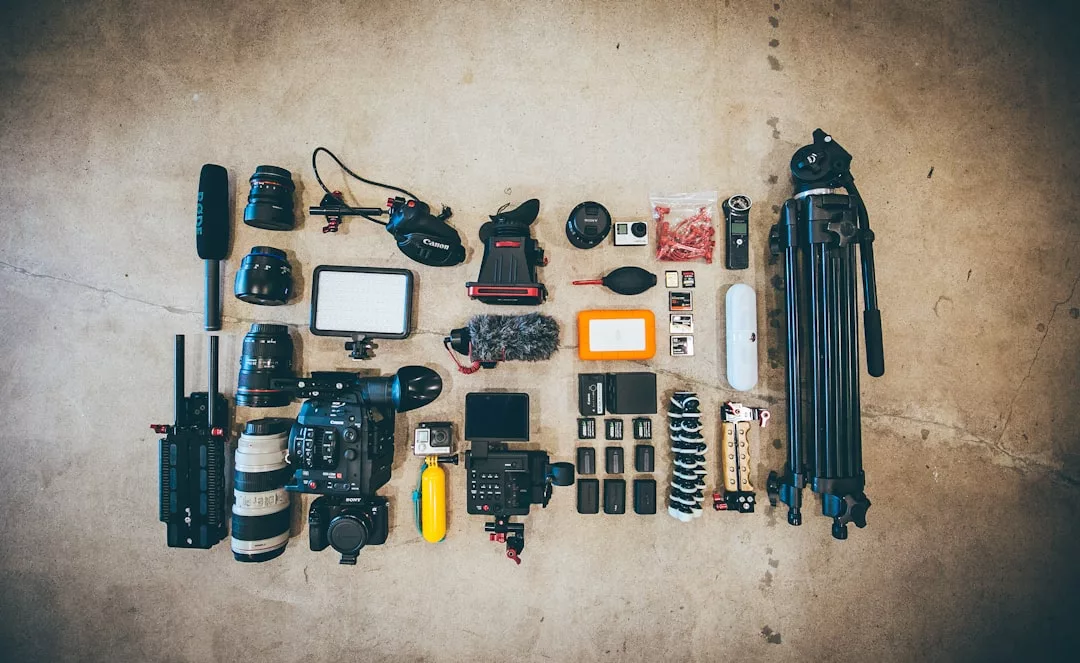
Equipping yourself with the right photography gear is crucial for making the most of your expedition at Es Trenc. A DSLR or mirrorless camera with interchangeable lenses will provide you with the versatility needed to capture a range of scenes, from sweeping landscapes to intricate details of flora and fauna. A wide-angle lens is particularly useful for landscape shots, allowing you to encompass the vastness of the beach and its surroundings in a single frame.
Conversely, a macro lens can help you focus on the smaller details, such as shells or unique plant life. This piece of equipment is invaluable for long exposure shots, especially during sunrise or sunset when light conditions can be challenging.
A tripod will help stabilize your camera, allowing you to capture sharp images even in low light. Furthermore, don’t forget to pack extra batteries and memory cards; spending a day at Es Trenc can lead to an abundance of photographs that you won’t want to miss capturing.
Capturing the Beauty of Es Trenc’s Landscape
The landscape of Es Trenc is characterized by its striking contrasts, vivid blue waters against soft white sands, framed by lush green vegetation. To effectively capture this beauty, consider employing various compositional techniques. The rule of thirds is a fundamental guideline that can help create balanced and engaging images.
By positioning key elements along these lines or at their intersections, you can draw viewers’ eyes into the scene and create a sense of depth. Another technique to enhance your landscape photography is to incorporate leading lines into your compositions. The natural curves of the shoreline or pathways through the dunes can guide the viewer’s gaze through your image, creating a more immersive experience.
Experimenting with different angles and perspectives can also yield unique results; for instance, shooting from a low angle can emphasize the foreground while showcasing the expansive sky above. By being mindful of these compositional strategies, you can elevate your photographs from mere snapshots to captivating works of art.
Photographing the Unique Flora and Fauna of Es Trenc
Es Trenc is not just about its stunning beach; it also boasts a rich diversity of flora and fauna that photographers should not overlook. The area is home to various plant species adapted to coastal environments, including salt-tolerant vegetation such as sea lavender and tamarisk trees. These plants not only contribute to the ecological balance but also provide interesting subjects for macro photography.
Capturing close-up images of these plants can reveal intricate details that are often missed by the naked eye. Birdwatchers will find Es Trenc particularly rewarding as it serves as a migratory stopover for numerous bird species. The nearby wetlands attract flamingos, herons, and various shorebirds, offering excellent opportunities for wildlife photography.
Patience is key when photographing animals; spending time observing their behavior can lead to more authentic and dynamic shots. Utilizing a telephoto lens will allow you to capture these creatures without disturbing their natural habitat, ensuring that your photographs reflect their true essence in this beautiful environment.
The Best Times of Day for Photography at Es Trenc
Timing plays a pivotal role in photography, particularly when it comes to capturing landscapes like those found at Es Trenc. The golden hours, shortly after sunrise and just before sunset, are often considered the best times for outdoor photography due to the soft, warm light that enhances colors and reduces harsh shadows. During these times, the sun casts a gentle glow over the beach, illuminating the sand and water in a way that creates an ethereal atmosphere.
Midday light can be challenging due to its intensity; however, it can also be used creatively. The bright sunlight can produce striking contrasts between shadows and highlights, which can be particularly effective when photographing textures in sand or water. Additionally, overcast days offer unique opportunities as clouds diffuse sunlight, creating soft lighting conditions that are ideal for capturing details without harsh glare.
Understanding how different times of day affect lighting will allow you to plan your shots more effectively and take advantage of varying conditions.
Tips for Taking Stunning Sunrise and Sunset Photos at Es Trenc
Capturing breathtaking sunrise and sunset photos at Es Trenc requires careful planning and technique. Arriving early allows you to scout locations and set up your equipment before the light begins to change dramatically. Consider using a graduated neutral density filter to balance exposure between the bright sky and darker foreground elements; this tool helps prevent overexposed highlights while maintaining detail in shadowed areas.
Composition is equally important during these magical hours. Incorporating elements such as rocks or driftwood in the foreground can add depth to your images while leading the viewer’s eye toward the horizon where the sun rises or sets. Experimenting with long exposure techniques can also yield stunning results; using a slow shutter speed can create smooth water effects that contrast beautifully with vibrant skies.
By combining these techniques with patience and creativity, you can produce stunning photographs that capture the enchanting beauty of Es Trenc at dawn and dusk.
Exploring Hidden Gems and Secret Spots for Photography at Es Trenc
While Es Trenc itself is renowned for its beauty, exploring beyond the main beach area can lead you to hidden gems that offer unique photographic opportunities. Venture into the nearby natural park where secluded coves and lesser-known beaches await discovery. These spots often provide solitude away from crowds, allowing you to connect more deeply with nature while capturing its untouched beauty.
Additionally, look for interesting geological formations along the coastline or unique patterns in the sand created by wind and water erosion. These details can add an artistic element to your portfolio while showcasing the diverse landscapes surrounding Es Trenc. Engaging with local photographers or joining guided tours can also reveal secret locations that may not be widely known but are rich in photographic potential.
The Importance of Respecting the Environment while Photographing at Es Trenc
As photographers venture into natural spaces like Es Trenc, it is vital to prioritize environmental stewardship. Always adhere to local guidelines regarding wildlife protection and habitat preservation, staying on designated paths helps minimize disturbance to sensitive areas.
Additionally, consider adopting a leave-no-trace philosophy during your expedition. This means taking all trash with you, avoiding picking plants or disturbing wildlife, and being mindful of noise levels that could disrupt animals in their natural habitats. By respecting these principles, photographers not only protect the beauty of Es Trenc but also contribute positively to its preservation for future generations.
Sharing and Showcasing Your Es Trenc Photography Expedition
Once you have captured stunning images during your expedition at Es Trenc, sharing them with others can be an enriching experience. Social media platforms such as Instagram or photography-specific sites like 500px provide excellent avenues for showcasing your work while connecting with fellow enthusiasts. When sharing your images online, consider writing captions that tell a story about your experience, this adds depth to your photographs and engages viewers on a personal level.
Participating in local exhibitions or photography contests can also provide opportunities to display your work in physical spaces where others can appreciate it firsthand. Collaborating with local businesses or tourism boards may lead to features in promotional materials that highlight both your photography skills and the beauty of Es Trenc itself. By sharing your journey through photography, you inspire others to explore this remarkable destination while fostering appreciation for its natural wonders.
Reflecting on the Beauty and Inspiration of Es Trenc Beach
Es Trenc Beach stands as a testament to nature’s artistry, a place where land meets sea in harmonious beauty that inspires photographers from around the world. Through careful planning, respect for the environment, and an understanding of photographic techniques, one can capture not only images but also emotions tied to this stunning locale. Each photograph taken at Es Trenc serves as a reminder of its breathtaking landscapes and diverse ecosystems, a call to preserve such beauty for generations to come.
As photographers reflect on their experiences at Es Trenc, they carry with them not just memories but also a deeper connection to nature’s wonders. The journey through this enchanting beach fosters creativity while encouraging mindfulness about our impact on these precious environments. Ultimately, every click of the shutter becomes part of a larger narrative, one that celebrates both personal exploration and collective responsibility toward preserving our planet’s natural treasures.
More in
More from Mallorca
Mallorca · 8 min
Premium Real Estate Advisory for Palma Property Purchases
In the complex world of real estate, having a knowledgeable advisor can make a significant difference in the buying or selling process. Real estate ad…
Mallorca · 7 min
Discover the Hiking Pilgrimage to Lluc Monastery
The significance of Lluc Monastery extends beyond its religious importance; it has played a crucial role in preserving Mallorcan culture and tradition…
Mallorca · 8 min
Exclusive Sunset Visits to Caves Del Hams in Porto Cristo
Nestled on the eastern coast of Mallorca, the Caves Del Hams are a breathtaking natural wonder that draws visitors from around the globe. Located near…