Family · Family
Exploring Family Heritage: Embracing Our Roots
Family heritage serves as a vital link to our past, providing a sense of identity and belonging that transcends generations. It encompasses the traditions, values, and stories pass…
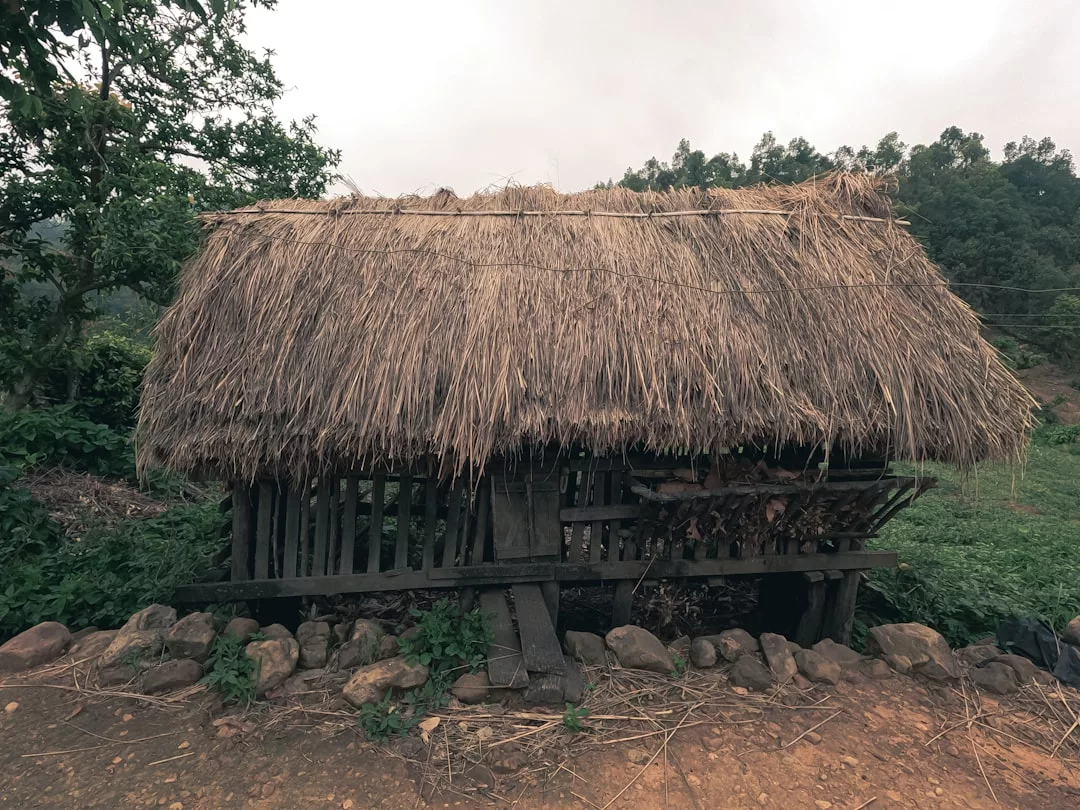
Family heritage serves as a vital link to our past, providing a sense of identity and belonging that transcends generations. It encompasses the traditions, values, and stories passed down through familial lines, shaping who we are today. Understanding one’s heritage can foster a deeper appreciation for cultural diversity and the unique experiences that have contributed to our family narratives.
This connection to the past can instill pride and a sense of responsibility to honor those who came before us, as well as to preserve their legacies for future generations. Moreover, family heritage plays a crucial role in shaping our worldview. The customs and beliefs inherited from our ancestors often influence our perspectives on life, relationships, and community.
For instance, a family that has a strong tradition of community service may instill in its members a commitment to social responsibility.
Key Takeaways
- Understanding the Importance of Family Heritage:
- Family heritage is an integral part of our identity and provides a sense of belonging and connection to our roots.
- Tracing Your Family Tree: Where to Start:
- Start by gathering information from family members, old documents, and online resources to begin tracing your family tree.
- Embracing Cultural Traditions and Customs:
- Embracing cultural traditions and customs helps to preserve and celebrate the unique heritage of our ancestors.
- Exploring Ancestral Homelands:
- Exploring ancestral homelands can provide a deeper understanding of our family’s history and roots.
- Preserving Family Stories and Memories:
- Preserving family stories and memories ensures that the legacy of our ancestors lives on for future generations.
Tracing Your Family Tree: Where to Start
Embarking on the journey of tracing your family tree can be both exciting and daunting. The first step typically involves gathering information from immediate family members. Conversations with parents, grandparents, and even aunts and uncles can yield valuable insights into your lineage.
These discussions often reveal names, dates, and places that serve as the foundation for further research. It is essential to document this information meticulously, as it will guide you in constructing a more comprehensive family tree. Once you have collected initial data, the next phase involves utilizing various resources to expand your research.
Online genealogy platforms such as Ancestry.com or FamilySearch.org provide access to a wealth of historical records, including census data, birth and death certificates, and immigration records. Local libraries and historical societies can also be treasure troves of information, often housing archives that are not available online. Engaging with these resources allows you to piece together your family’s history, revealing connections that may have been lost over time.
Embracing Cultural Traditions and Customs
Cultural traditions and customs are the living expressions of family heritage, often serving as the glue that binds generations together. These practices can range from annual celebrations to everyday rituals that reflect the values and beliefs of a family’s ancestry. For example, many families celebrate specific holidays in ways that honor their cultural backgrounds, such as preparing traditional dishes or participating in age-old ceremonies.
Embracing these customs not only enriches family life but also reinforces a sense of identity among members. In addition to celebrations, everyday customs can also play a significant role in maintaining cultural heritage. This might include language preservation, storytelling practices, or even specific ways of greeting one another.
For instance, families with roots in certain regions may have unique ways of expressing affection or respect that reflect their cultural backgrounds. By actively participating in these traditions, families can create a living tapestry of their heritage that is passed down through generations, ensuring that the essence of their culture remains vibrant and relevant.
Exploring Ancestral Homelands
Exploring ancestral homelands can be a transformative experience that deepens one’s connection to family heritage. Visiting the places where your ancestors lived provides an opportunity to walk in their footsteps and gain a tangible sense of their experiences. This journey can involve traveling to countries or regions where your family originated, allowing you to immerse yourself in the local culture, language, and history.
Such explorations often reveal the landscapes that shaped your ancestors’ lives and the communities they were part of. In addition to personal reflection, visiting ancestral homelands can also facilitate connections with distant relatives who may still reside in those areas. Engaging with local communities can lead to discovering shared histories and familial ties that were previously unknown.
For example, attending local festivals or community events can provide insights into traditional practices that your ancestors may have participated in. These experiences not only enrich your understanding of your heritage but also foster a sense of belonging to a larger narrative that spans across time and geography.
Preserving Family Stories and Memories
Family stories are invaluable treasures that encapsulate the experiences, struggles, and triumphs of previous generations. Preserving these narratives is essential for maintaining a connection to one’s heritage. Oral histories passed down through storytelling can provide insights into the lives of ancestors, offering lessons learned and values upheld throughout time.
Recording these stories, whether through written accounts, audio recordings, or video interviews, ensures that they are not lost to time. In addition to oral histories, tangible artifacts such as photographs, letters, and heirlooms can serve as powerful reminders of family history. Creating a family archive that includes these items allows future generations to engage with their heritage on a personal level.
For instance, sharing old photographs during family gatherings can spark conversations about the people and events depicted within them, fostering a sense of continuity and connection among family members. By actively preserving these stories and memories, families can create a rich tapestry of their history that informs their present and inspires their future.
Connecting with Distant Relatives
In an increasingly interconnected world, connecting with distant relatives has become more accessible than ever before. Social media platforms and genealogy websites facilitate communication among individuals who share common ancestry but may have never met. Reaching out to distant relatives can uncover new branches of your family tree and provide additional context to your heritage.
These connections often lead to shared stories, photographs, and even collaborative research efforts that enrich everyone involved. Moreover, connecting with distant relatives can foster a sense of community among those who share similar backgrounds. Family reunions or virtual gatherings can be organized to celebrate shared heritage and strengthen bonds across generations.
These events provide opportunities for individuals to learn from one another’s experiences and perspectives while reinforcing the importance of family ties. By embracing these connections, families can cultivate a broader understanding of their lineage and create lasting relationships that transcend geographical boundaries.
Celebrating Family Holidays and Festivals
Family holidays and festivals are significant occasions that offer opportunities for members to come together in celebration of their shared heritage. These events often incorporate traditional customs, foods, and rituals that reflect cultural backgrounds. For instance, families with Italian roots may celebrate Christmas with specific dishes like lasagna or panettone while sharing stories about their ancestors’ holiday traditions.
Such celebrations not only honor the past but also create lasting memories for current family members. In addition to traditional holidays, families may also establish their own unique celebrations that reflect their values and experiences. These could include annual gatherings to commemorate significant events or milestones within the family history.
By creating new traditions alongside existing ones, families can ensure that their heritage remains dynamic and relevant while fostering a sense of unity among members. Celebrating together reinforces familial bonds and creates an environment where stories are shared and legacies are honored.
Passing Down Family Recipes and Cuisine
Food is an integral part of cultural heritage, serving as both sustenance and a means of connection among family members. Passing down family recipes is a cherished tradition that allows individuals to engage with their ancestry through culinary practices. Recipes often carry stories about the people who created them, reflecting regional ingredients, cooking techniques, and cultural influences that have shaped generations.
Preparing these dishes not only preserves culinary traditions but also provides an opportunity for families to gather around the table and share experiences. In many cultures, cooking together becomes an intergenerational activity where younger members learn from older relatives about both the recipes themselves and the stories behind them. This process fosters a sense of continuity while instilling pride in one’s heritage through food.
For example, a grandmother teaching her granddaughter how to make traditional dumplings may share anecdotes about her own childhood experiences related to the dish. Such moments create lasting bonds while ensuring that culinary traditions are preserved for future generations.
Honoring Ancestral Achievements and Contributions
Recognizing the achievements and contributions of ancestors is an essential aspect of honoring family heritage. Many families have stories of resilience, innovation, or service that deserve acknowledgment and celebration. This could involve researching notable ancestors who made significant impacts in their communities or professions, such as educators, activists, or artists, and sharing these stories with younger generations.
By highlighting these achievements, families can inspire pride in their lineage while encouraging current members to pursue their passions. Additionally, honoring ancestral contributions can take various forms beyond storytelling; it may involve creating memorials or dedicating community projects in their name. For instance, establishing scholarships or community service initiatives inspired by an ancestor’s commitment to education or social justice can serve as a living tribute to their legacy.
Such actions not only preserve memories but also reinforce the values instilled by those who came before us.
Embracing Diversity within Family Heritage
Family heritage is often multifaceted, encompassing diverse cultural influences that shape individual identities. Embracing this diversity allows families to appreciate the richness of their backgrounds while fostering inclusivity among members. Many individuals discover mixed heritage through genealogical research or personal exploration; recognizing this complexity can lead to a broader understanding of one’s identity.
Celebrating diversity within family heritage may involve learning about different cultural practices or languages represented within the family tree. For example, families with roots in multiple countries might incorporate various customs into their celebrations or daily lives, such as blending culinary traditions or participating in different cultural festivals throughout the year. By embracing this diversity, families create an environment where all members feel valued and connected to their unique backgrounds.
Creating a Legacy for Future Generations
Creating a legacy for future generations involves intentional efforts to preserve family heritage while instilling values that will guide descendants throughout their lives. This process begins with documenting family history, through written accounts or digital archives, that can be shared with younger members as they grow older. Establishing traditions that emphasize the importance of heritage ensures that future generations remain connected to their roots.
Moreover, engaging younger family members in discussions about values such as resilience, compassion, or community service fosters an understanding of what it means to carry forward one’s legacy. Encouraging them to participate in activities related to family history, such as volunteering for community projects or attending cultural events, can instill pride in their heritage while reinforcing familial bonds. Ultimately, creating a legacy involves nurturing connections between past experiences and future aspirations, ensuring that the essence of family heritage continues to thrive for generations to come.
◦ Good to know
Why is exploring family heritage important?
Family heritage provides a sense of identity and belonging that transcends generations, encompassing the traditions, values and stories passed down through familial lines. Understanding it fosters appreciation for cultural diversity and instils pride. The customs and beliefs inherited from ancestors also shape our worldview, offering insight into our own values and motivations.
How do I begin tracing my family tree?
Start by gathering information from immediate family members. Conversations with parents, grandparents, aunts and uncles often reveal names, dates and places that form the foundation. Document these details meticulously, then expand your research using online genealogy platforms such as Ancestry.com or FamilySearch.org, along with local libraries and historical societies.
How can I preserve my family's heritage for the future?
Embracing cultural traditions and customs, from annual celebrations to everyday rituals and traditional dishes, keeps a family's ancestry alive across generations. Preserving family stories and memories ensures your ancestors' legacy endures. Exploring ancestral homelands can also deepen your understanding of your roots and strengthen the connection between past and present.
More in
More from Family

Family · 9 min
Navigating Adolescence: Tips for Parents and Teens
Adolescence is a critical period of growth and transformation, marked by significant physical, emotional, and cognitive changes. This stage typically …

Family · 8 min
Breaking the Cycle: Confronting Domestic Violence
Domestic violence is a pervasive issue that transcends cultural, economic, and social boundaries. It encompasses a range of abusive behaviors that occ…

Family · 9 min
The Importance of Child Support for Single Parents
Single parenthood often brings with it a unique set of financial challenges that can significantly affect the quality of life for both the parent and …