Travel · Travel
Exploring Local Delights: A Culinary Journey
Local cuisine serves as a vibrant tapestry woven from the threads of culture, history, and geography. Each region boasts its own unique flavors, ingredients, and cooking techniques…
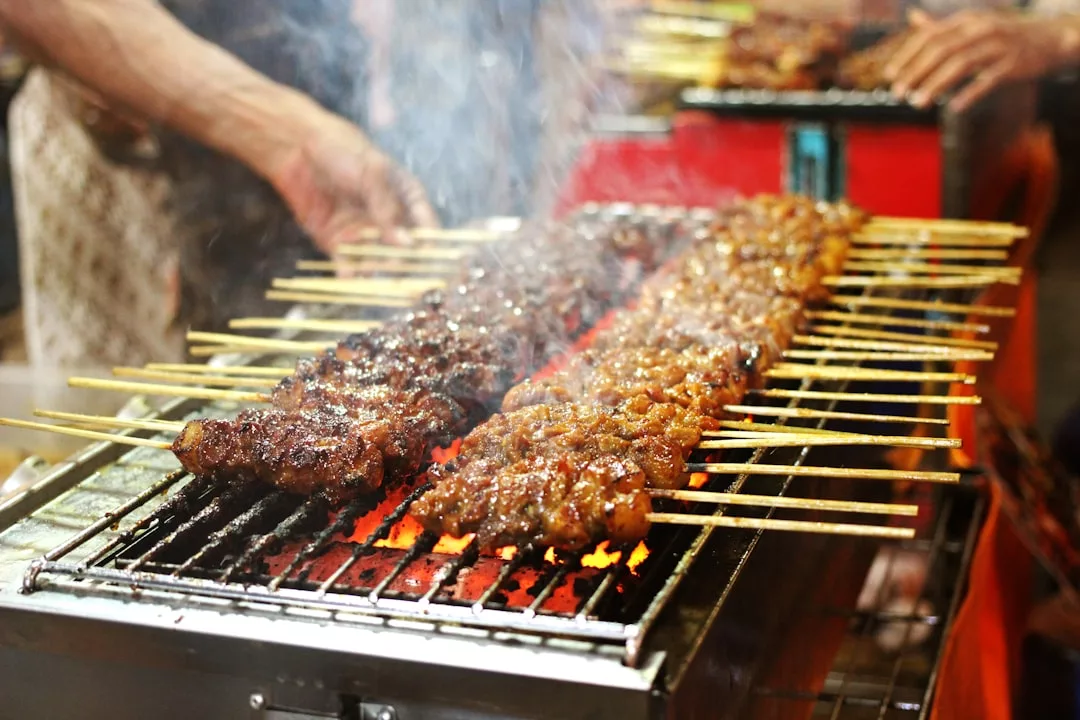
Local cuisine serves as a vibrant tapestry woven from the threads of culture, history, and geography. The exploration of local delights is not merely about satisfying hunger; it is an immersive experience that connects individuals to the heart and soul of a community.
From bustling street vendors to quaint family-run restaurants, the culinary landscape offers a plethora of opportunities to engage with the local culture through food. As travelers embark on their gastronomic journeys, they often find that local dishes tell stories of the land and its inhabitants. The ingredients used are often sourced from nearby farms or markets, showcasing the region’s agricultural bounty.
This connection to the land not only enhances the flavor of the food but also fosters a sense of sustainability and appreciation for local producers. In this article, we will delve into the rich history of local cuisine, explore traditional ingredients and cooking methods, and highlight the various ways to experience and appreciate local flavors.
Key Takeaways
- Local delights offer a unique and authentic taste of a destination’s culture and history.
- Local cuisine is deeply rooted in tradition and reflects the rich history and heritage of a region.
- Traditional ingredients and cooking methods play a crucial role in shaping the flavors of local dishes.
- Sampling local street food provides a glimpse into the everyday culinary experiences of the locals.
- Visiting local markets and food halls offers a vibrant and immersive experience of the local food scene.
The Rich History of Local Cuisine
The history of local cuisine is a fascinating narrative that intertwines with the broader historical context of a region. Each dish has its origins rooted in the customs and practices of the people who created it. For instance, in Italy, pasta is not just a staple; it is a symbol of regional identity, with each area boasting its own variations and sauces that have been passed down through generations.
The evolution of these dishes often reflects historical events such as trade routes, colonization, and migration patterns that introduced new ingredients and cooking techniques. In many cultures, food has played a pivotal role in social gatherings and celebrations. Festivals often revolve around specific dishes that hold cultural significance, such as the preparation of tamales during Christmas in Mexico or the making of mooncakes during the Mid-Autumn Festival in China.
These culinary traditions serve as a means of preserving heritage and fostering community bonds. Understanding the historical context behind local cuisine enriches the dining experience, allowing individuals to appreciate not just the flavors on their plates but also the stories that accompany them.
Exploring Traditional Ingredients and Cooking Methods
At the heart of any local cuisine are its traditional ingredients, which are often sourced from the surrounding environment. These ingredients are not only integral to the flavor profile of dishes but also reflect the agricultural practices and climate of the region. For example, in Southeast Asia, rice is a staple that forms the basis of countless meals, while in Mediterranean countries, olive oil is revered for its health benefits and rich flavor.
The use of seasonal produce further enhances the authenticity of local dishes, as chefs strive to create meals that celebrate what is fresh and available. Cooking methods also play a crucial role in defining local cuisine. Techniques such as slow-roasting, fermenting, or grilling impart unique flavors and textures to dishes.
In Japan, for instance, the art of sushi-making involves precise techniques that have been honed over centuries, emphasizing freshness and presentation. Similarly, in Southern barbecue traditions, meats are smoked over low heat for extended periods, resulting in tender and flavorful dishes that are deeply rooted in regional identity. By exploring these traditional ingredients and cooking methods, one gains insight into the culinary philosophy that shapes local cuisine.
Sampling Local Street Food
Street food is often considered the heartbeat of local culinary culture, offering an authentic taste of everyday life. Vendors set up shop in bustling markets or along busy streets, serving up quick bites that are both delicious and affordable. Sampling street food provides an opportunity to experience local flavors in their most unadulterated form.
From savory skewers in Bangkok to crispy tacos in Mexico City, street food reflects the creativity and resourcefulness of local cooks who transform simple ingredients into mouthwatering dishes. Moreover, street food often serves as a social equalizer, bringing together people from all walks of life. It is common to see families enjoying meals alongside tourists and business professionals at food stalls.
This communal aspect fosters a sense of connection among diners and creates an atmosphere rich with shared experiences. Engaging with street food vendors can also lead to fascinating conversations about their culinary practices and personal stories, further enhancing the cultural immersion that comes with sampling local delights.
Visiting Local Markets and Food Halls
Local markets and food halls are treasure troves for anyone looking to explore regional cuisine. These vibrant spaces are filled with stalls offering fresh produce, artisanal products, and ready-to-eat meals that showcase the best of local flavors. Visiting a market allows individuals to interact with local farmers and producers, gaining insight into their practices and the origins of their products.
For instance, farmers’ markets often feature seasonal fruits and vegetables that reflect the agricultural cycles of the area. Food halls take this experience a step further by curating a selection of vendors under one roof, allowing visitors to sample a variety of dishes in one location. This concept has gained popularity in urban areas where diverse culinary offerings can be found side by side. These markets not only serve as places to shop but also as cultural hubs where food lovers can gather to celebrate local gastronomy.
Dining at Authentic Local Restaurants
Dining at authentic local restaurants provides an opportunity to experience regional cuisine in a more formal setting while still retaining its essence. These establishments often pride themselves on using traditional recipes passed down through generations, ensuring that diners receive an authentic taste of local flavors. The ambiance in these restaurants typically reflects the culture they represent, with decor that pays homage to local traditions and history.
In many cases, family-run restaurants offer a glimpse into home-cooked meals that might otherwise be reserved for special occasions. For example, in Greece, tavernas serve hearty dishes like moussaka or souvlaki made from recipes cherished by families for decades. The personal touch found in these establishments often extends beyond just food; many owners are eager to share their stories and insights about their culinary heritage with patrons.
This connection between diners and restaurant owners fosters a deeper appreciation for the food being served.
Participating in Cooking Classes and Workshops
For those looking to deepen their understanding of local cuisine, participating in cooking classes or workshops can be an enriching experience. These hands-on sessions allow individuals to learn traditional cooking techniques directly from skilled chefs or home cooks who are passionate about their craft. Whether it’s mastering the art of pasta-making in Italy or learning how to prepare authentic Thai curries, these classes provide invaluable insights into the culinary traditions of a region.
Cooking classes often emphasize the importance of using fresh, local ingredients while teaching participants about flavor combinations and presentation techniques unique to the area. Many classes also incorporate visits to local markets where participants can select ingredients themselves, further enhancing their connection to the culinary landscape. By engaging in this interactive experience, individuals not only gain practical skills but also develop a deeper appreciation for the cultural significance behind each dish they create.
Meeting Local Food Producers and Artisans
Meeting local food producers and artisans offers a unique perspective on regional cuisine that goes beyond what is served on a plate. These individuals are often deeply passionate about their craft, whether it be farming, cheese-making, or baking artisanal bread. Engaging with them provides insight into their processes and philosophies regarding food production.
For instance, visiting a vineyard allows one to learn about grape cultivation and winemaking techniques while tasting wines that reflect the terroir of the region. Artisans often take pride in using traditional methods that have been passed down through generations, ensuring that their products maintain authenticity and quality. In many cases, these producers are committed to sustainable practices that honor both the environment and their communities.
By supporting local artisans, consumers contribute to preserving culinary heritage while enjoying high-quality products that embody the spirit of the region.
Exploring Local Wine, Beer, and Spirits
Beverages play an integral role in complementing local cuisine and enhancing dining experiences. Exploring regional wines, beers, and spirits can provide additional layers of flavor that elevate meals to new heights. Many regions have established themselves as renowned wine-producing areas; for example, Bordeaux in France is celebrated for its rich red wines while Napa Valley in California is known for its diverse varietals.
Craft breweries have also gained popularity worldwide, with many cities boasting unique beer styles that reflect local tastes and ingredients. In Belgium, for instance, Trappist beers brewed by monks are steeped in tradition and often feature complex flavors derived from unique brewing methods. Additionally, spirits such as whiskey from Scotland or mezcal from Mexico offer distinct profiles shaped by local ingredients and production techniques.
Tasting these beverages alongside traditional dishes creates a harmonious pairing that showcases the best of both worlds.
Discovering Unique Desserts and Sweets
No exploration of local cuisine would be complete without indulging in unique desserts and sweets that reflect regional flavors and traditions. Each culture has its own signature treats that often tell stories about its history and customs. For example, baklava, a sweet pastry made with layers of filo dough filled with nuts and honey, has roots in Middle Eastern cuisine but has become beloved worldwide.
In many cultures, desserts are intricately tied to celebrations and rituals. In Italy, for instance, panettone is traditionally enjoyed during Christmas time while mooncakes are exchanged during the Mid-Autumn Festival in China. These sweets not only satisfy cravings but also serve as symbols of cultural heritage and community bonding.
Exploring local desserts provides an opportunity to experience flavors that may be unfamiliar yet delightful.
Bringing Local Flavors Home: Recipes and Souvenirs
As travelers return home from their culinary adventures, they often seek ways to preserve their experiences through recipes or souvenirs that encapsulate local flavors. Collecting recipes from cooking classes or restaurants allows individuals to recreate beloved dishes in their own kitchens while sharing their experiences with family and friends. Many chefs are happy to share their secrets or provide tips on how to achieve authentic flavors at home.
Souvenirs can also take many forms: spices, sauces, or artisanal products purchased from local markets serve as tangible reminders of culinary journeys. For instance, bringing back saffron from Spain or balsamic vinegar from Italy can inspire home cooks to experiment with new flavors while reminiscing about their travels. By incorporating these elements into everyday cooking, individuals can keep alive the memories of their gastronomic explorations while celebrating the rich tapestry of global cuisine.
More in
More from Travel

Travel · 9 min
Exploring the Ultimate Culinary Experience
The ultimate culinary experience transcends mere sustenance; it is an intricate tapestry woven from flavors, aromas, textures, and visual appeal. This…

Travel · 11 min
Exploring the Best of Paris: A 3-Day Itinerary
The first day in Paris is often a whirlwind of excitement and discovery, as travelers set out to explore the city’s most iconic landmarks. Starting at…

Travel · 8 min
Mastering the Art of Skiing: Tips for Perfecting Your Technique
Selecting the appropriate skiing equipment is a fundamental step for both beginners and seasoned skiers alike. The right gear not only enhances perfor…