Mallorca · Mallorca
Exploring Majorca’s Eastern Villages: Culinary Road Trips
Majorca, the largest island in the Balearic archipelago, is renowned for its stunning landscapes, azure waters, and vibrant culture. However, beyond the bustling beaches and touris…
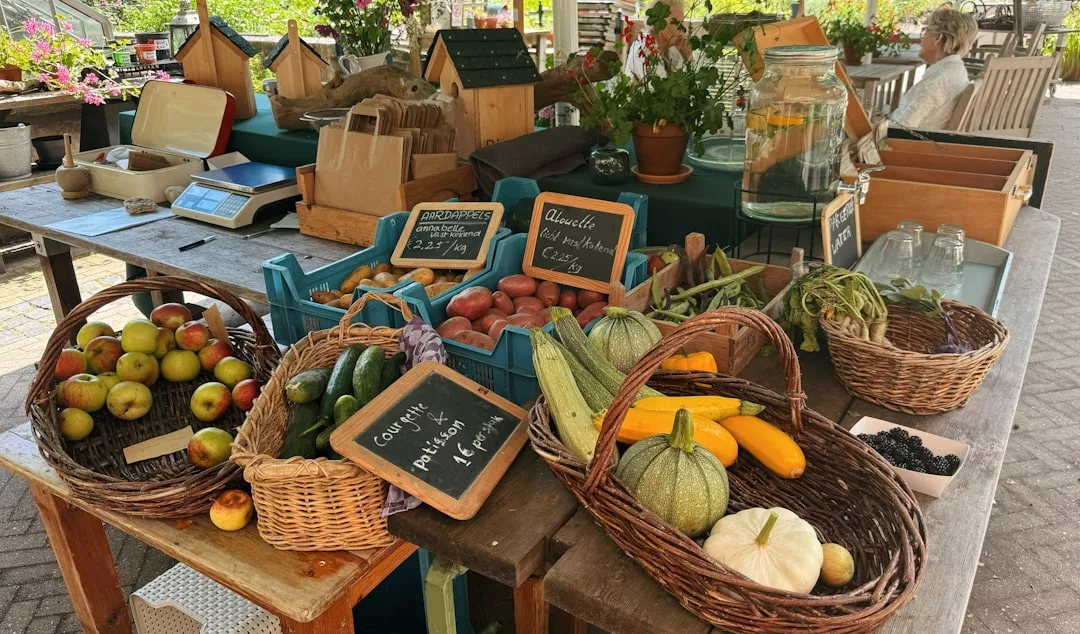
Majorca, the largest island in the Balearic archipelago, is renowned for its stunning landscapes, azure waters, and vibrant culture. However, beyond the bustling beaches and tourist hotspots lies a treasure trove of charming villages, particularly in the eastern part of the island. These villages, such as Artà, Sant Llorenç des Cardassar, Son Servera, Porto Cristo, Felanitx, Manacor, and Petra, are steeped in history and tradition, offering visitors a glimpse into the authentic Majorcan way of life.
Each village boasts its unique character, shaped by centuries of agricultural practices, local customs, and culinary traditions that reflect the island’s rich heritage. The eastern villages of Majorca are not just picturesque; they are also culinary havens that celebrate the island’s agricultural bounty. The fertile lands surrounding these villages yield a variety of fresh produce, from fruits and vegetables to olives and grapes.
This abundance has given rise to a vibrant food culture that emphasizes local ingredients and traditional cooking methods. As travelers venture through these quaint villages, they will discover not only the stunning architecture and scenic views but also an array of culinary delights that tell the story of Majorca’s past and present.
Key Takeaways
- Majorca’s Eastern Villages offer a rich culinary heritage and a unique gastronomic experience.
- The culinary delights of Majorca include traditional dishes, seafood specialties, local wine, olive oil, and sweet treats.
- Planning a culinary road trip in Majorca involves exploring villages like Arta, Sant Llorenç des Cardassar, Son Servera, Porto Cristo, Felanitx, Manacor, and Petra.
- Each village in Majorca offers a unique culinary experience, from traditional dishes in Son Servera to seafood specialties in Porto Cristo.
- The rich culinary heritage of Majorca’s Eastern Villages is a testament to the island’s diverse and delicious food culture.
The Culinary Delights of Majorca
The culinary landscape of Majorca is a reflection of its diverse geography and rich history. The island’s cuisine is characterized by a blend of Mediterranean influences, with an emphasis on fresh, locally sourced ingredients. Traditional dishes often feature seasonal vegetables, aromatic herbs, and high-quality meats, showcasing the island’s agricultural heritage.
One cannot discuss Majorcan cuisine without mentioning “sobrasada,” a cured sausage made from pork and seasoned with paprika, which is a staple in many local households. This delicacy is often enjoyed spread on bread or incorporated into various dishes. Another hallmark of Majorcan gastronomy is “ensaimada,” a sweet pastry that has become synonymous with the island.
This spiral-shaped treat is made from a dough enriched with lard and sugar, resulting in a light and fluffy texture. It is often enjoyed for breakfast or as a snack, sometimes filled with pumpkin or cream. The culinary delights of Majorca extend beyond these iconic dishes; they encompass a wide range of flavors and textures that reflect the island’s agricultural diversity.
From hearty stews to fresh seafood, each dish tells a story of the land and its people.
Planning Your Culinary Road Trip
Embarking on a culinary road trip through Majorca’s eastern villages requires careful planning to ensure that you experience the best of what each location has to offer. Start by mapping out your route, taking into consideration the distances between villages and the time you wish to spend in each place. A well-planned itinerary will allow you to savor the unique flavors of each village while also enjoying the scenic drives that connect them.
Renting a car is highly recommended, as it provides the flexibility to explore at your own pace and discover hidden gems along the way. When planning your culinary adventure, consider timing your visit to coincide with local food festivals or markets. These events often showcase traditional dishes and local products, providing an immersive experience into Majorcan culture.
Additionally, make reservations at popular restaurants or eateries known for their authentic cuisine to avoid disappointment. Engaging with local chefs or food artisans can also enhance your journey; many are eager to share their knowledge and passion for Majorcan food. By immersing yourself in the culinary landscape of these villages, you will gain a deeper appreciation for the island’s rich heritage.
Exploring the Village of Arta
Arta is a picturesque village nestled in the foothills of the Llevant mountain range, known for its charming streets and historical significance. The village is home to several notable landmarks, including the Sanctuary of Sant Salvador, which offers breathtaking views of the surrounding countryside. As you wander through Arta’s cobbled streets, you’ll encounter a variety of local shops and markets that showcase the region’s artisanal products.
The village’s vibrant atmosphere is particularly evident during its weekly market, where vendors sell fresh produce, handmade crafts, and traditional delicacies. Culinary exploration in Arta reveals a wealth of local flavors. One must-try dish is “tumbet,” a vegetable casserole made with layers of eggplant, potatoes, and bell peppers, all topped with a rich tomato sauce.
This dish exemplifies the island’s commitment to using fresh ingredients and traditional cooking techniques. Additionally, Arta is known for its local wines, which are produced in nearby vineyards. Pairing a glass of wine with your meal enhances the dining experience and allows you to savor the unique terroir of Majorca.
Indulging in Local Cuisine in Sant Llorenç des Cardassar
Just a short drive from Arta lies Sant Llorenç des Cardassar, a village celebrated for its culinary offerings and warm hospitality. The village is particularly famous for its “fideuà,” a dish similar to paella but made with thin noodles instead of rice. This seafood dish is typically cooked in a large pan over an open flame, allowing the flavors to meld beautifully.
Many local restaurants pride themselves on their fideuà recipes, often passed down through generations. In addition to seafood dishes, Sant Llorenç des Cardassar is known for its artisanal products, including cheeses and cured meats. Visiting local markets or specialty shops provides an opportunity to sample these delicacies firsthand.
The village also hosts various food festivals throughout the year that celebrate its culinary heritage. Engaging with local chefs during these events can provide insight into traditional cooking methods and ingredients unique to the region.
Discovering Traditional Dishes in Son Servera
Son Servera is another gem in Majorca’s eastern villages, known for its rich agricultural landscape and commitment to preserving traditional cuisine. The village is surrounded by fertile farmland that produces an array of fruits and vegetables, making it an ideal location for farm-to-table dining experiences. One traditional dish that stands out in Son Servera is “arroz brut,” a hearty rice dish cooked with meat and vegetables in a flavorful broth.
Each family often has its own variation of this dish, reflecting personal tastes and regional influences. Exploring Son Servera also offers opportunities to discover local bakeries that produce traditional bread varieties such as “pa amb oli,” which consists of rustic bread topped with olive oil, tomatoes, and cured meats or cheese.
As you stroll through Son Servera’s charming streets, be sure to stop by local eateries where you can indulge in these traditional dishes while soaking in the village’s warm ambiance.
Sampling Seafood Specialties in Porto Cristo
Porto Cristo is renowned for its picturesque harbor and stunning coastline, making it a popular destination for seafood lovers. The village’s fishing tradition dates back centuries, providing residents with access to some of the freshest seafood available on the island.
In addition to stuffed squid, Porto Cristo offers an array of seafood specialties that highlight the region’s maritime heritage. Local restaurants often feature daily catches prepared simply yet elegantly to showcase their natural flavors. Dining by the waterfront allows visitors to enjoy not only delicious food but also stunning views of the Mediterranean Sea.
The vibrant atmosphere of Porto Cristo enhances the dining experience as locals and tourists alike gather to savor fresh seafood while enjoying the coastal breeze.
Exploring the Vineyards and Wineries in Felanitx
Felanitx is situated inland from Porto Cristo and is known for its lush vineyards and thriving wine industry. The region’s unique climate and soil conditions create ideal growing conditions for grape varieties such as Manto Negro and Callet, which are indigenous to Majorca. Wine enthusiasts will find plenty to explore in Felanitx, as numerous wineries offer tours and tastings that provide insight into the winemaking process.
Visiting local wineries allows you to sample some of Majorca’s finest wines while learning about traditional viticulture practices that have been passed down through generations. Many wineries also feature on-site restaurants where visitors can enjoy meals paired with their wines, an experience that highlights the harmonious relationship between food and wine in Majorcan culture. Whether you’re sipping a robust red or a crisp white, Felanitx offers an opportunity to appreciate the island’s burgeoning wine scene.
Visiting the Olive Groves and Olive Oil Mills in Manacor
Manacor is not only famous for its pearls but also for its extensive olive groves that produce some of Majorca’s finest olive oil. The region’s olive oil mills are integral to its agricultural identity, showcasing traditional methods of production that have remained largely unchanged over time. Visitors can tour these mills to learn about the olive oil extraction process while sampling different varieties produced from local olives.
The quality of Manacor’s olive oil is often attributed to its unique climate and soil composition, which contribute to rich flavors and aromas. Many local restaurants incorporate this high-quality olive oil into their dishes, enhancing flavors while promoting sustainable practices within the community. A visit to Manacor provides an opportunity not only to taste exceptional olive oil but also to understand its significance within Majorcan cuisine.
Enjoying Sweet Treats in Petra
Petra is renowned for its sweet treats that reflect Majorca’s culinary heritage. One standout dessert is “coca de patata,” a soft pastry often enjoyed with coffee or hot chocolate. This delightful treat is made from simple ingredients such as flour, sugar, eggs, and butter but results in an incredibly fluffy texture that melts in your mouth.
Local bakeries take pride in their recipes, often serving coca de patata fresh from the oven. In addition to coca de patata, Petra offers other traditional sweets such as “ensaimada” filled with cream or pumpkin jam, each bite encapsulating the essence of Majorcan flavors. Exploring Petra’s quaint streets allows visitors to discover charming cafes where they can indulge in these sweet delights while enjoying the village’s serene atmosphere.
The emphasis on quality ingredients and time-honored recipes makes Petra a must-visit destination for those with a sweet tooth.
The Rich Culinary Heritage of Majorca’s Eastern Villages
The eastern villages of Majorca offer an unparalleled culinary journey that celebrates the island’s rich agricultural heritage and diverse flavors. From Arta’s vegetable casseroles to Porto Cristo’s seafood specialties, each village presents unique dishes that reflect local traditions and ingredients. As travelers explore these charming locations, sampling wines in Felanitx or indulging in sweet treats in Petra, they gain insight into Majorca’s vibrant food culture.
This culinary road trip not only tantalizes taste buds but also fosters connections with local communities who take pride in their culinary heritage. By immersing oneself in this gastronomic adventure through Majorca’s eastern villages, visitors leave with lasting memories, of flavors savored, stories shared, and an appreciation for the island’s rich culinary tapestry woven through generations.
More in
More from Mallorca

Mallorca · 8 min
Premium Real Estate Advisory for Palma Property Purchases
In the complex world of real estate, having a knowledgeable advisor can make a significant difference in the buying or selling process. Real estate ad…

Mallorca · 7 min
Discover the Hiking Pilgrimage to Lluc Monastery
The significance of Lluc Monastery extends beyond its religious importance; it has played a crucial role in preserving Mallorcan culture and tradition…

Mallorca · 8 min
Exclusive Sunset Visits to Caves Del Hams in Porto Cristo
Nestled on the eastern coast of Mallorca, the Caves Del Hams are a breathtaking natural wonder that draws visitors from around the globe. Located near…