Mallorca · Mallorca
Exploring Mallorca’s Limestone Wonders: Custom Geology Tours
Mallorca, the largest island in the Balearic archipelago, is renowned for its stunning landscapes, azure waters, and rich cultural heritage. However, beneath its picturesque surfac…
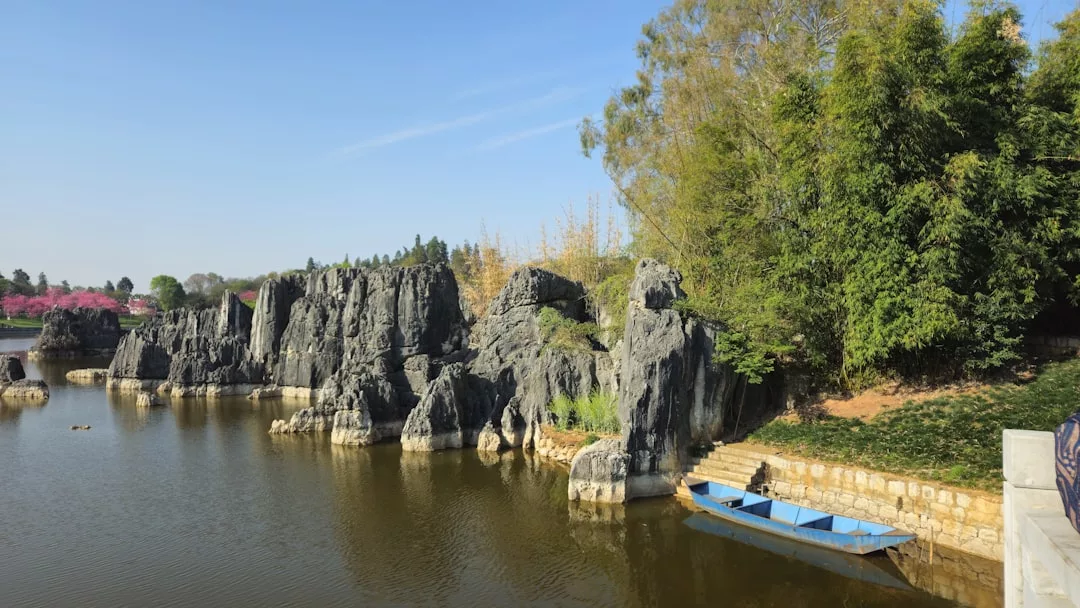
Mallorca, the largest island in the Balearic archipelago, is renowned for its stunning landscapes, azure waters, and rich cultural heritage. However, beneath its picturesque surface lies a geological marvel that has shaped the island’s identity: limestone. This sedimentary rock, primarily composed of calcium carbonate, has played a pivotal role in the island’s topography and ecology.
The limestone formations of Mallorca are not merely geological curiosities; they are integral to the island’s natural beauty and biodiversity. From dramatic cliffs to hidden caves, these limestone wonders offer a glimpse into the Earth’s geological history and the processes that have sculpted the landscape over millions of years. The allure of Mallorca’s limestone extends beyond its aesthetic appeal.
It serves as a natural laboratory for geologists and nature enthusiasts alike, providing insights into sedimentation processes, erosion, and the interplay between geological formations and ecosystems. As visitors traverse the island, they encounter a variety of limestone features that tell stories of ancient marine environments, tectonic activity, and climatic changes. The island’s unique geology not only attracts tourists but also fosters a deeper appreciation for the natural world and the forces that shape it.
Key Takeaways
- Mallorca’s limestone wonders offer a unique and fascinating geological landscape for exploration and discovery.
- The formation of Mallorca’s limestone is a result of millions of years of geological processes, creating stunning natural formations.
- Unique geological features of Mallorca include caves, sinkholes, and limestone cliffs, providing a diverse and captivating landscape.
- Custom geology tours in Mallorca offer the opportunity to explore the island’s limestone wonders with knowledgeable guides and unique experiences.
- Top limestone wonders to explore in Mallorca include the Caves of Drach, the Torrent de Pareis, and the Cap de Formentor, showcasing the island’s natural beauty and geological diversity.
The Formation of Mallorca’s Limestone
The limestone of Mallorca has a complex origin that dates back to the Mesozoic era, approximately 200 million years ago. During this time, much of what is now Mallorca was submerged under a shallow sea. The accumulation of marine organisms, such as corals and mollusks, contributed to the formation of limestone as their calcium-rich shells settled on the ocean floor.
Over millions of years, these sediments were compacted and lithified, resulting in the extensive limestone deposits that characterize the island today. Tectonic activity further influenced the formation of Mallorca’s limestone landscape. The collision of tectonic plates led to the uplift of the island, exposing these ancient seabeds to erosion and weathering.
This process has created a diverse array of geological features, including cliffs, caves, and karst formations. The interplay between erosion and deposition continues to shape the landscape, making it a dynamic environment that reflects both its geological past and present.
Unique Geological Features of Mallorca
Mallorca’s limestone landscape is dotted with unique geological features that captivate both scientists and tourists. One of the most striking examples is the Serra de Tramuntana mountain range, a UNESCO World Heritage site that showcases dramatic cliffs and rugged terrain. The mountains are composed primarily of limestone, which has been sculpted by erosion into steep slopes and deep valleys.
This range not only offers breathtaking views but also serves as a habitat for diverse flora and fauna adapted to its rocky environment. Another remarkable feature is the extensive network of caves found throughout the island. The Coves del Drach, for instance, is a famous cave system that boasts impressive stalactites and stalagmites formed over thousands of years.
These caves provide a glimpse into the geological processes that have shaped Mallorca’s limestone landscape while also serving as important archaeological sites where ancient artifacts have been discovered. The interplay between light and shadow within these caves creates an otherworldly atmosphere that enchants visitors.
Custom Geology Tours: What to Expect
For those eager to delve deeper into Mallorca’s geological wonders, custom geology tours offer an immersive experience tailored to individual interests. These tours are typically led by knowledgeable guides who possess a deep understanding of the island’s geology and ecology. Participants can expect to explore various limestone formations, learn about their origins, and witness firsthand the effects of erosion and weathering on the landscape.
Tours may include visits to iconic sites such as the Coves del Drach or the stunning cliffs of Cap de Formentor. Guides often provide detailed explanations about the geological processes at play, including sedimentation, karst formation, and tectonic activity. Additionally, many tours incorporate elements of environmental education, highlighting the importance of conservation efforts in preserving these natural wonders for future generations.
Whether hiking through rugged terrain or exploring hidden caves, participants gain a profound appreciation for Mallorca’s geological heritage.
Top Limestone Wonders to Explore
Among Mallorca’s many limestone wonders, several stand out as must-visit destinations for nature lovers and geology enthusiasts alike. The Coves del Drach is undoubtedly one of the most famous attractions on the island. This extensive cave system features an underground lake known as Lake Martel, which is one of the largest in Europe.
Visitors can take guided tours through the caves, marveling at the intricate formations while learning about their geological significance. Another remarkable site is the Torrent de Pareis gorge, located in the northern part of Mallorca. This stunning canyon is carved into limestone rock and offers breathtaking views of steep cliffs and lush vegetation.
Hiking through this gorge provides an opportunity to witness firsthand the power of erosion as water has shaped the landscape over millennia. The dramatic scenery makes it a popular destination for outdoor enthusiasts seeking adventure amidst Mallorca’s natural beauty.
Environmental Impact and Conservation Efforts
As tourism continues to grow in Mallorca, so too does the need for responsible environmental stewardship. The unique limestone formations are vulnerable to erosion and degradation caused by human activity, including construction, pollution, and increased foot traffic in sensitive areas. Recognizing these challenges, local authorities and conservation organizations have implemented various initiatives aimed at protecting Mallorca’s geological heritage.
One such effort involves establishing protected areas where access is limited to minimize human impact on fragile ecosystems. Educational programs are also being developed to raise awareness among tourists about the importance of preserving these natural wonders. By fostering a sense of responsibility towards the environment, these initiatives aim to ensure that future generations can continue to enjoy Mallorca’s limestone landscapes in their natural state.
The Importance of Sustainable Tourism
Sustainable tourism plays a crucial role in balancing economic growth with environmental preservation in Mallorca. As visitors flock to experience the island’s limestone wonders, it is essential to promote practices that minimize ecological footprints while maximizing cultural and natural experiences. Sustainable tourism initiatives encourage travelers to engage with local communities, support eco-friendly businesses, and participate in conservation efforts.
Travelers can contribute to sustainable tourism by choosing guided tours that prioritize environmental education and responsible practices. Additionally, opting for accommodations that adhere to sustainable principles helps ensure that tourism benefits local economies without compromising natural resources. By embracing sustainable tourism practices, visitors can enjoy Mallorca’s breathtaking landscapes while actively participating in their preservation.
Exploring Mallorca’s Limestone Wonders
Mallorca’s limestone wonders offer a captivating glimpse into the island’s geological history while providing opportunities for exploration and adventure. From its majestic mountains to its intricate cave systems, each feature tells a story shaped by time and natural forces. As visitors embark on their journeys through this stunning landscape, they are not only treated to breathtaking views but also invited to engage with the rich tapestry of geology that defines Mallorca.
The importance of conservation efforts cannot be overstated as we navigate the delicate balance between tourism and environmental preservation. By fostering sustainable practices and promoting awareness about the significance of these natural wonders, we can ensure that Mallorca’s limestone landscapes remain intact for generations to come. Exploring these geological marvels is not just an adventure; it is an opportunity to connect with nature and appreciate the intricate processes that have shaped our world over millions of years.
More in
More from Mallorca
Mallorca · 8 min
Premium Real Estate Advisory for Palma Property Purchases
In the complex world of real estate, having a knowledgeable advisor can make a significant difference in the buying or selling process. Real estate ad…
Mallorca · 7 min
Discover the Hiking Pilgrimage to Lluc Monastery
The significance of Lluc Monastery extends beyond its religious importance; it has played a crucial role in preserving Mallorcan culture and tradition…
Mallorca · 8 min
Exclusive Sunset Visits to Caves Del Hams in Porto Cristo
Nestled on the eastern coast of Mallorca, the Caves Del Hams are a breathtaking natural wonder that draws visitors from around the globe. Located near…