Mallorca · Mallorca
Exploring Palma’s Old Town: Culinary Walking Tours
Palma’s Old Town, a captivating blend of history and modernity, serves as the heart of Mallorca’s capital. With its narrow cobblestone streets, vibrant plazas, and stun…
Palma’s Old Town, a captivating blend of history and modernity, serves as the heart of Mallorca’s capital. With its narrow cobblestone streets, vibrant plazas, and stunning architecture, it invites visitors to explore its rich tapestry of culture and tradition. The Old Town is characterized by its Gothic cathedral, La Seu, which towers majestically over the city and serves as a focal point for both locals and tourists alike.
The area is not just a feast for the eyes; it is also a culinary paradise, where the aromas of traditional Mallorcan dishes waft through the air, beckoning food lovers to indulge in the island’s gastronomic delights. As one wanders through the labyrinthine alleys, it becomes evident that Palma’s Old Town is a living museum, showcasing centuries of history through its buildings and streets. From the remnants of Moorish architecture to the elegant Baroque facades, every corner tells a story.
This historical backdrop provides a unique setting for the culinary experiences that await, making it an ideal destination for those eager to savor the flavors of Mallorca while immersing themselves in its rich heritage.
Key Takeaways
- Palma’s Old Town is a charming and historic area with narrow streets, ancient buildings, and a vibrant culinary scene.
- The culinary scene in Palma has a rich history influenced by various cultures, including the Moors, Romans, and Catalans.
- Palma’s Old Town is home to a variety of restaurants and eateries offering traditional Mallorcan dishes, as well as international cuisine.
- Mallorcan cuisine is characterized by unique flavors and ingredients such as sobrassada, ensaimada, and local seafood.
- Exploring Palma’s Old Town on foot allows visitors to immerse themselves in the local culture and discover hidden culinary gems.
The History of Palma’s Culinary Scene
The culinary scene in Palma has evolved significantly over the centuries, shaped by various cultures that have influenced the island. Their influence is still evident today in dishes that feature ingredients like almonds, saffron, and citrus fruits.
Following the Reconquista, Spanish culinary traditions began to merge with local practices, creating a unique fusion that defines Palma’s gastronomic identity. In the 20th century, Palma experienced a culinary renaissance as tourism began to flourish. Chefs started to embrace traditional recipes while incorporating modern techniques and international influences.
This period saw the rise of local markets, where fresh produce and artisanal products became more accessible. The establishment of Michelin-starred restaurants in recent years has further elevated Palma’s culinary reputation, attracting food enthusiasts from around the globe. Today, Palma’s Old Town is a vibrant hub for both traditional and contemporary dining experiences, reflecting the island’s rich history and diverse cultural influences.
The Best Restaurants and Eateries in Palma’s Old Town
Palma’s Old Town boasts an impressive array of restaurants and eateries that cater to every palate. One standout establishment is **Marc Fosh**, a Michelin-starred restaurant known for its innovative Mediterranean cuisine. Located in a beautifully restored 17th-century building, Marc Fosh emphasizes seasonal ingredients sourced from local markets.
Diners can expect dishes that are not only visually stunning but also bursting with flavor, such as their signature dish of grilled octopus with chickpea puree and smoked paprika. For those seeking a more casual dining experience, **La Rosa Vermutería** offers a delightful selection of tapas and vermouth in a charming setting. This eatery captures the essence of Spanish dining with its vibrant atmosphere and communal tables.
Guests can savor traditional tapas like patatas bravas and pan con tomate while enjoying a refreshing glass of local vermouth. The combination of great food and lively ambiance makes La Rosa a favorite among both locals and visitors.
The Unique Flavors and Ingredients of Mallorcan Cuisine
Mallorcan cuisine is characterized by its use of fresh, locally sourced ingredients that reflect the island’s agricultural heritage. One of the most iconic dishes is **tumbet**, a vegetable casserole made with layers of eggplant, bell peppers, and potatoes, all topped with a rich tomato sauce. This dish exemplifies the Mediterranean diet’s emphasis on vegetables and healthy fats.
Another staple is **sobrasada**, a cured sausage made from pork and seasoned with paprika, which adds a distinct flavor to many traditional dishes. The island’s coastal location also means that seafood plays a significant role in Mallorcan cuisine. Fresh fish such as **sardines** and **grouper** are often grilled or served in hearty stews like **caldereta de langosta**, a lobster stew that showcases the flavors of the sea.
Additionally, Mallorca is known for its high-quality olive oil, which is used generously in cooking and as a dressing for salads and bread. The combination of these unique flavors and ingredients creates a culinary landscape that is both diverse and deeply rooted in tradition.
Exploring Palma’s Old Town on Foot
Exploring Palma’s Old Town on foot is an experience that allows visitors to fully appreciate its charm and character. The best way to navigate this historic area is to meander through its winding streets, taking time to admire the intricate details of its architecture. As you stroll past quaint shops and artisan boutiques, you may stumble upon hidden plazas where locals gather to socialize or enjoy a leisurely coffee.
One must-see landmark is the **Palau de l’Almudaina**, a royal palace that dates back to the Moorish period. Its impressive Gothic architecture and lush gardens provide a serene escape from the bustling streets. Nearby, the **Basilica de Sant Francesc** offers another glimpse into Palma’s rich history with its stunning cloister and Baroque altar.
Each step reveals new discoveries, from street art to local markets, making walking through Palma’s Old Town an enriching experience for any traveler.
The Role of Food in Palma’s Culture and Traditions
Food holds a central place in Palma’s culture and traditions, serving as a means of connection among families and communities. Celebrations often revolve around culinary customs, with traditional dishes prepared for special occasions such as weddings, festivals, and religious holidays. For instance, during **Sant Joan**, one of Mallorca’s most important festivals held in June, locals indulge in **coca de patata**, a sweet pastry that symbolizes the joy of summer.
Moreover, communal meals are an integral part of Mallorcan life. Families gather around large tables to share dishes like **pa amb oli**, bread topped with local cheese, cured meats, and tomatoes, a simple yet delicious representation of Mallorcan hospitality. This emphasis on sharing food fosters a sense of belonging and reinforces cultural ties within the community.
In Palma’s Old Town, one can witness this vibrant food culture firsthand through lively markets and bustling restaurants where locals gather to enjoy their meals together.
The Top Culinary Walking Tours in Palma’s Old Town
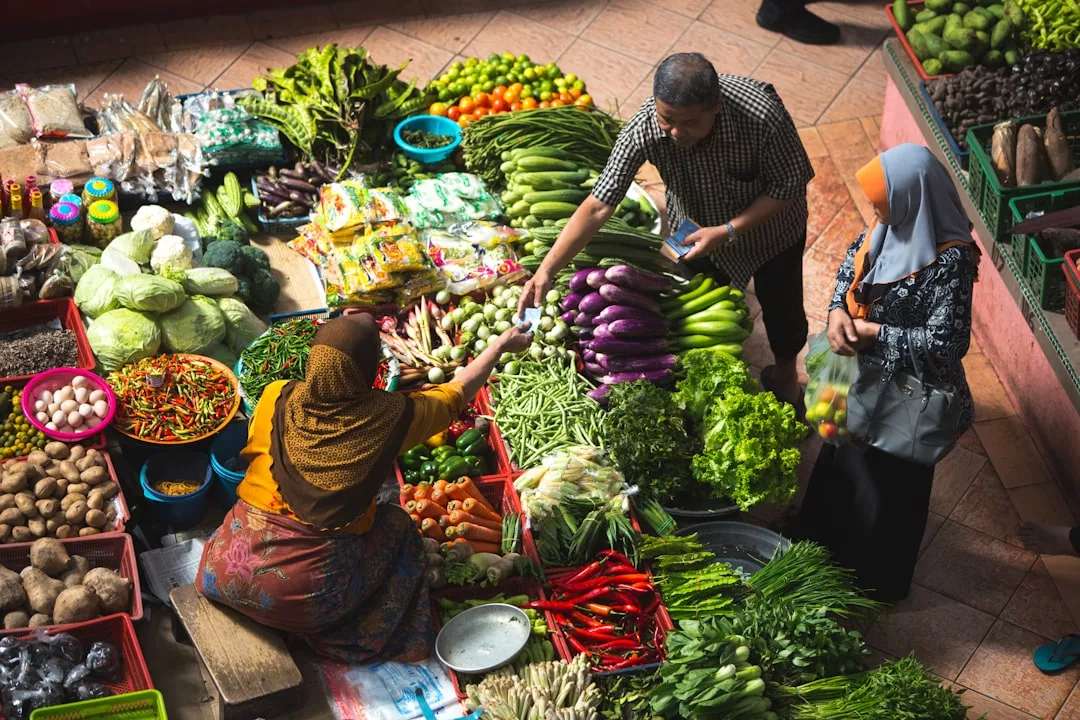
For those looking to delve deeper into Palma’s culinary scene, participating in a walking tour can provide invaluable insights into the city’s food culture. One highly recommended tour is offered by **Taste Mallorca**, which takes participants on a journey through the Old Town while sampling various local delicacies. The tour includes stops at traditional markets where guests can taste artisanal cheeses, cured meats, and freshly baked goods while learning about their significance in Mallorcan cuisine.
Another popular option is the **Palma Food Tour**, which combines history with gastronomy by guiding participants through key historical sites while indulging in local specialties. This tour often features visits to family-run eateries where chefs share their passion for cooking and offer tastings of signature dishes.
Meeting Local Chefs and Food Artisans
Meeting local chefs and food artisans adds an enriching dimension to any culinary exploration in Palma’s Old Town. Many chefs are passionate about preserving traditional recipes while also experimenting with modern techniques to create innovative dishes. For instance, chef **Andreu Genestra**, known for his commitment to sustainability, often invites guests into his kitchen to share his philosophy on using seasonal ingredients sourced from local farms.
Artisans also play a crucial role in maintaining Mallorca’s culinary heritage. Visiting local bakeries or cheese shops allows one to witness firsthand the craftsmanship involved in creating beloved products like **ensaimada**, a spiral-shaped pastry that is synonymous with Mallorca. Engaging with these passionate individuals not only enhances one’s understanding of Mallorcan cuisine but also fosters connections within the community.
Sampling Traditional Mallorcan Dishes and Tapas
Sampling traditional Mallorcan dishes is an essential part of experiencing Palma’s culinary landscape. One cannot visit without trying **frit de carn**, a hearty meat dish made with pork or lamb sautéed with seasonal vegetables and flavored with aromatic herbs. This dish exemplifies the island’s rustic cooking style and showcases its agricultural bounty.
Tapas culture is also prevalent in Palma’s Old Town, where small plates are meant for sharing among friends or family. Dishes like **croquetas de jamón** (ham croquettes) or **gambas al ajillo** (garlic shrimp) are perfect for those looking to sample various flavors in one sitting. Many bars offer tapas specials during happy hour, making it an ideal time to explore different eateries while enjoying the lively atmosphere that characterizes Palma’s dining scene.
Insider Tips for Exploring Palma’s Culinary Scene
To make the most of your culinary adventure in Palma’s Old Town, consider visiting during off-peak hours when restaurants are less crowded; this allows for more personalized service and an opportunity to engage with staff about their recommendations. Additionally, exploring local markets early in the morning can provide access to fresh produce and artisanal products while avoiding larger crowds later in the day. Don’t hesitate to ask locals for their favorite dining spots; they often have hidden gems that may not be listed in guidebooks but offer authentic experiences away from tourist traps.
Lastly, be open to trying new dishes: Mallorcan cuisine is diverse and full of surprises that reflect the island’s rich cultural heritage.
Embracing the Flavors of Palma’s Old Town
Palma’s Old Town is not just a destination; it is an experience that tantalizes the senses through its rich history and vibrant culinary scene. From traditional dishes steeped in centuries-old recipes to innovative creations by contemporary chefs, every meal tells a story about Mallorca’s cultural identity. As visitors explore its charming streets and indulge in local flavors, they become part of a larger narrative that celebrates community, tradition, and the joy of sharing food with others.
Embracing these flavors offers not only satisfaction for the palate but also an opportunity to connect with the heart and soul of this enchanting city.
More in
More from Mallorca
Mallorca · 8 min
Premium Real Estate Advisory for Palma Property Purchases
In the complex world of real estate, having a knowledgeable advisor can make a significant difference in the buying or selling process. Real estate ad…

Mallorca · 7 min
Discover the Hiking Pilgrimage to Lluc Monastery
The significance of Lluc Monastery extends beyond its religious importance; it has played a crucial role in preserving Mallorcan culture and tradition…

Mallorca · 8 min
Exclusive Sunset Visits to Caves Del Hams in Porto Cristo
Nestled on the eastern coast of Mallorca, the Caves Del Hams are a breathtaking natural wonder that draws visitors from around the globe. Located near…