Mallorca · Mallorca
Exploring Sóller: Guided Olive Oil Farm Tours
Nestled in the heart of the Tramuntana mountain range, Sóller is a picturesque town on the northwest coast of Mallorca, Spain. Known for its stunning natural beauty, vibrant cultur…
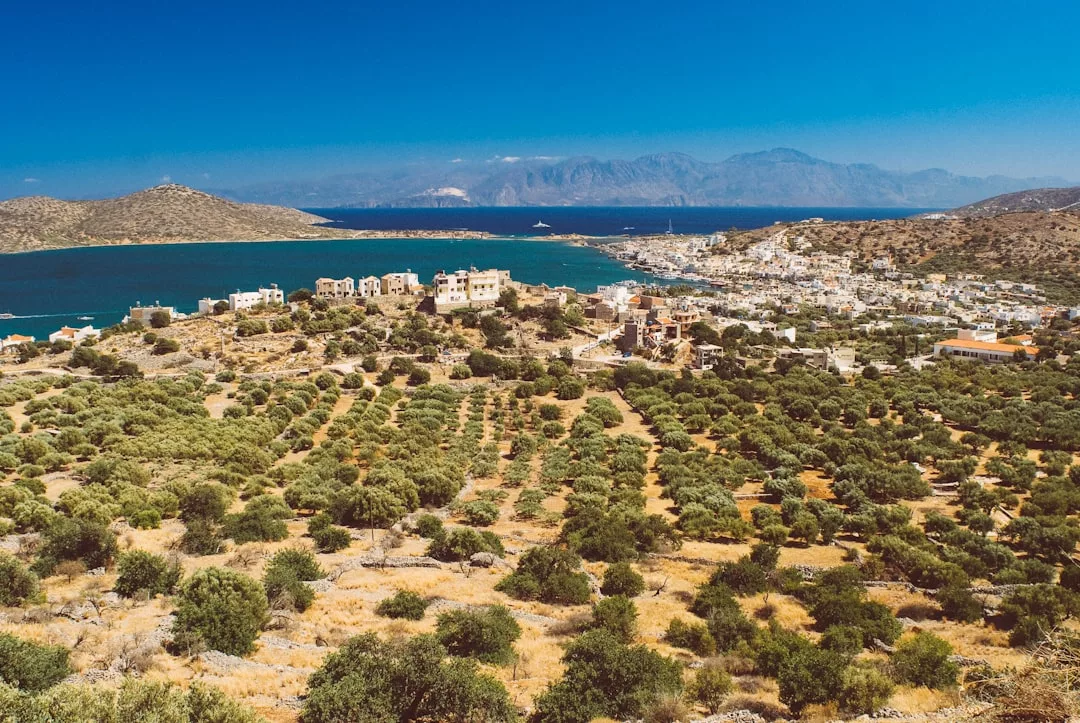
Nestled in the heart of the Tramuntana mountain range, Sóller is a picturesque town on the northwest coast of Mallorca, Spain. The town is surrounded by lush valleys and steep mountains, creating a breathtaking backdrop that has attracted visitors for centuries.
Its charming streets are lined with traditional stone houses, vibrant bougainvillea, and the iconic wooden trams that connect it to the nearby port of Sóller. This idyllic setting not only offers a feast for the eyes but also serves as a hub for some of the finest olive oil production in the Mediterranean. The allure of Sóller extends beyond its scenic vistas; it is deeply rooted in a history that intertwines agriculture, trade, and local traditions.
The region’s unique microclimate, characterized by mild winters and warm summers, provides ideal conditions for cultivating olives, citrus fruits, and other crops. As visitors stroll through the town, they can sense the palpable connection between the land and its people, a bond that has been nurtured over generations. This article will delve into the significance of olive oil production in Sóller, exploring its historical roots, culinary importance, and the sustainable practices that define this enchanting locale.
Key Takeaways
- Sóller is a hidden gem in Mallorca, offering a rich culture and tradition of olive oil production.
- The history and tradition of olive oil production in Sóller dates back centuries, shaping the region’s identity and economy.
- Olive oil plays a crucial role in Mediterranean cuisine, adding flavor and health benefits to dishes.
- From tree to table, the process of olive oil production in Sóller involves careful cultivation, harvesting, and pressing of olives.
- Exploring Sóller’s olive groves through guided tours offers a unique opportunity to learn about sustainable farming practices and sample the finest olive oils.
The History and Tradition of Olive Oil Production in Sóller
The history of olive oil production in Sóller dates back to ancient times, with evidence suggesting that the cultivation of olive trees in the region began over two thousand years ago. The Phoenicians and Romans recognized the value of olives not only as a food source but also as a vital commodity for trade. As a result, olive oil became an integral part of the local economy and culture.
The traditional methods of harvesting and pressing olives have been passed down through generations, preserving the artisanal techniques that define Sóller’s olive oil today. In the 19th century, Sóller experienced a significant economic boom due to its thriving agricultural sector, particularly in citrus fruits and olives. The establishment of trade routes facilitated the export of these products to international markets, further solidifying the town’s reputation as a center for quality olive oil.
Local families began to invest in their olive groves, cultivating various native olive varieties such as Arbequina and Mallorquina. These efforts not only contributed to the local economy but also fostered a deep-rooted cultural identity centered around olive oil production.
The Importance of Olive Oil in Mediterranean Cuisine
Olive oil is often referred to as the cornerstone of Mediterranean cuisine, and for good reason. Its versatility and rich flavor profile make it an essential ingredient in countless dishes across the region. In Mediterranean cooking, olive oil is not merely a cooking fat; it is a flavor enhancer that elevates the taste of fresh ingredients.
From drizzling over salads to sautéing vegetables or marinating meats, olive oil plays a pivotal role in creating vibrant and healthful meals. In addition to its culinary applications, olive oil is celebrated for its health benefits. Rich in monounsaturated fats and antioxidants, it has been linked to numerous health advantages, including reduced risk of heart disease and improved cholesterol levels.
The Mediterranean diet, which emphasizes whole foods such as fruits, vegetables, whole grains, and healthy fats like olive oil, has gained recognition worldwide for its positive impact on overall health and longevity. In Sóller, local chefs and home cooks alike take pride in using high-quality olive oil as a fundamental component of their culinary creations.
The Process of Olive Oil Production: From Tree to Table
The journey of olive oil from tree to table is a meticulous process that requires careful attention at every stage. It begins with the cultivation of olive trees, which thrive in well-drained soil and require minimal irrigation. Farmers typically harvest olives between late autumn and early winter when they reach optimal ripeness.
Traditionally, this was done by hand-picking olives or using nets to catch them as they fell from the trees. Today, some producers employ mechanical harvesters to increase efficiency while still maintaining quality. Once harvested, olives are transported to local mills where they undergo processing.
The first step involves washing the olives to remove any dirt or debris before they are crushed into a paste using stone mills or modern machinery. This paste is then mixed to facilitate the extraction of oil. The next crucial step is separating the oil from the solid components through pressing or centrifugation.
The resulting liquid is then filtered and stored in dark glass bottles or stainless steel containers to protect it from light and air exposure.
Exploring the Olive Groves: A Guided Tour of Sóller’s Olive Farms
For those eager to immerse themselves in the world of olive oil production, guided tours of Sóller’s olive farms offer an unparalleled experience. Visitors can wander through sprawling groves dotted with ancient olive trees while learning about the cultivation techniques employed by local farmers. These tours often include insights into the different olive varieties grown in the region and their unique flavor profiles.
During these excursions, participants may have the opportunity to witness firsthand the harvesting process during peak season. Some farms even allow visitors to participate in picking olives, providing a hands-on experience that deepens their appreciation for this age-old tradition. Additionally, many tours incorporate tastings of freshly pressed olive oil paired with local bread or other delicacies, allowing guests to savor the rich flavors that define Sóller’s culinary landscape.
Tasting the Liquid Gold: Sampling Sóller’s Finest Olive Oils
Sampling Sóller’s finest olive oils is an experience that tantalizes the senses and showcases the region’s commitment to quality production. Local producers take great pride in their craft, often offering tastings at their farms or specialized shops throughout Sóller. During these tastings, visitors can explore a range of oils characterized by distinct flavors and aromas, some may be fruity and robust, while others are more delicate with herbal notes.
A typical tasting session may begin with an introduction to the various olive varieties used in production, followed by a guided tasting where participants learn how to assess quality based on color, aroma, and taste. Participants are encouraged to swirl the oil in their glasses before taking a sip, allowing them to fully appreciate its complexity. Pairing olive oils with different foods enhances the tasting experience; for instance, drizzling a peppery oil over fresh tomatoes or dipping crusty bread into a fragrant blend can elevate simple dishes into culinary delights.
Meeting the Producers: Learning from the Experts in Olive Oil Production
One of the most enriching aspects of visiting Sóller is the opportunity to meet the passionate individuals behind its renowned olive oils. Local producers often share their stories, how they became involved in olive farming, their commitment to sustainable practices, and their dedication to preserving traditional methods while embracing innovation. These personal narratives add depth to the experience and foster a connection between consumers and producers.
Many producers are eager to educate visitors about their specific techniques for cultivating olives and producing oil. Engaging with these experts allows visitors to gain valuable insights into what makes Sóller’s olive oils unique while fostering an appreciation for the hard work that goes into each bottle.
Sustainable Farming Practices: How Sóller’s Olive Farms are Protecting the Environment
Sustainability is at the forefront of many olive farms in Sóller as producers recognize their responsibility toward environmental stewardship. Many local farmers have adopted organic farming practices that eschew synthetic pesticides and fertilizers in favor of natural alternatives. This approach not only protects biodiversity but also enhances soil health and promotes healthier ecosystems.
Additionally, some farms implement water conservation techniques such as drip irrigation systems that minimize water waste while ensuring optimal growth conditions for their olive trees. Cover crops are often planted between rows of olives to prevent soil erosion and improve soil fertility. By prioritizing sustainable practices, Sóller’s olive producers are not only safeguarding their land for future generations but also contributing positively to the broader environmental landscape.
The Health Benefits of Olive Oil: A Look into the Mediterranean Diet
The health benefits associated with olive oil have garnered significant attention in recent years, particularly within the context of the Mediterranean diet, a dietary pattern recognized for its potential to promote longevity and reduce chronic disease risk. Rich in monounsaturated fats, particularly oleic acid, olive oil has been shown to support heart health by improving cholesterol levels and reducing inflammation. Moreover, olive oil is packed with antioxidants such as vitamin E and polyphenols that combat oxidative stress in the body.
Research suggests that regular consumption of high-quality extra virgin olive oil may lower blood pressure and reduce the risk of cardiovascular diseases. In addition to its heart-healthy properties, olive oil has been linked to improved cognitive function and may even play a role in reducing the risk of neurodegenerative diseases like Alzheimer’s.
Bringing a Piece of Sóller Home: The Opportunity to Purchase Local Olive Oils
For those who wish to take a piece of Sóller home with them, purchasing local olive oils is an excellent way to savor the flavors long after leaving this enchanting town. Many producers offer their oils for sale directly at their farms or through local markets where visitors can find an array of options ranging from robust blends to delicate varieties. When selecting olive oil to bring home, it’s essential to look for labels indicating extra virgin quality, this designation ensures that the oil has been produced through cold-pressing methods without chemical processing.
Additionally, many producers provide tasting notes on their bottles or offer samples at markets so consumers can choose oils that best suit their culinary preferences.
Embracing the Rich Culture and Flavors of Sóller through Olive Oil Farm Tours
Exploring Sóller’s rich culture through its olive oil production offers an immersive experience that connects visitors with both history and gastronomy. From understanding traditional farming practices to savoring exquisite oils crafted with care, each aspect reveals a deeper appreciation for this Mediterranean treasure. As travelers engage with local producers and partake in tastings amidst stunning landscapes, they not only embrace the flavors of Sóller but also contribute to preserving its agricultural heritage for generations to come.
More in
More from Mallorca
Mallorca · 8 min
Premium Real Estate Advisory for Palma Property Purchases
In the complex world of real estate, having a knowledgeable advisor can make a significant difference in the buying or selling process. Real estate ad…
Mallorca · 7 min
Discover the Hiking Pilgrimage to Lluc Monastery
The significance of Lluc Monastery extends beyond its religious importance; it has played a crucial role in preserving Mallorcan culture and tradition…

Mallorca · 8 min
Exclusive Sunset Visits to Caves Del Hams in Porto Cristo
Nestled on the eastern coast of Mallorca, the Caves Del Hams are a breathtaking natural wonder that draws visitors from around the globe. Located near…