Travel · Travel
Exploring the Best Local Markets for Fresh Finds
Local markets have long been a cornerstone of community life, serving as vibrant hubs where residents gather to buy fresh produce, artisanal goods, and unique crafts. These markets…
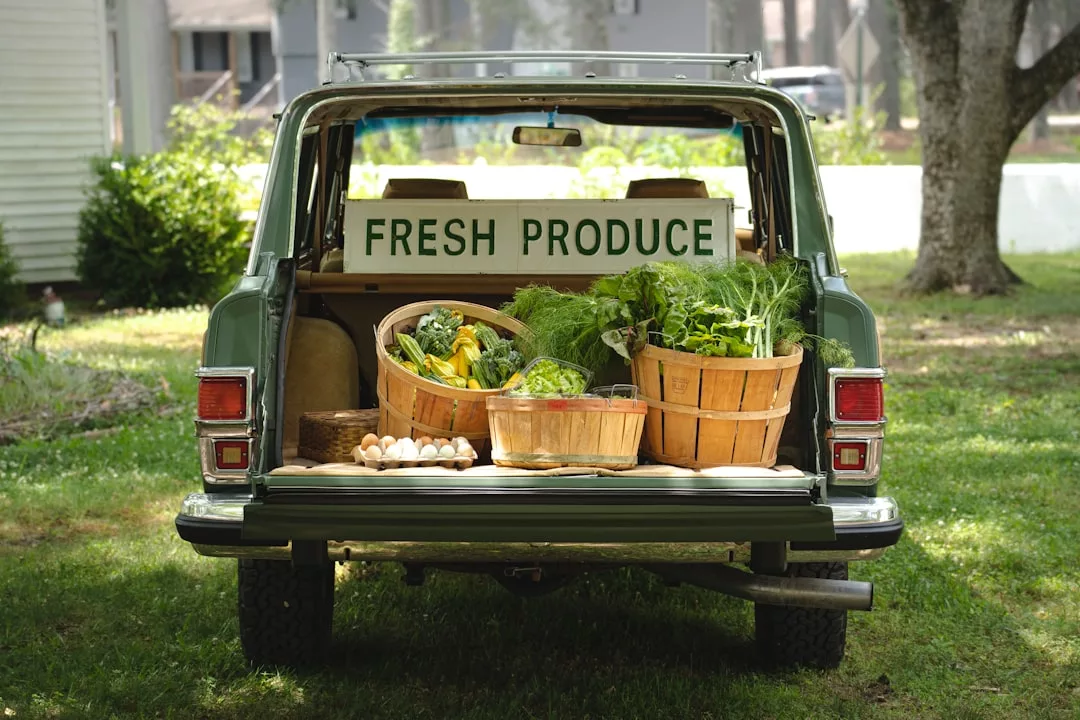
Local markets have long been a cornerstone of community life, serving as vibrant hubs where residents gather to buy fresh produce, artisanal goods, and unique crafts. These markets often reflect the culture and character of the area, showcasing the talents and traditions of local artisans and farmers. Unlike large supermarkets, local markets offer a more personalized shopping experience, where customers can interact directly with vendors, learn about the origins of their products, and appreciate the stories behind them.
The atmosphere is typically lively and engaging, filled with the sounds of conversation, laughter, and the occasional live music performance, creating a sense of belonging that is often missing in larger retail environments. In recent years, there has been a resurgence of interest in local markets, driven by a growing awareness of sustainability and the benefits of supporting local economies. As consumers become more conscious of their purchasing decisions, many are turning to local markets as a way to connect with their communities and make more informed choices about the food they eat and the products they buy.
This trend is not just about shopping; it’s about fostering relationships between consumers and producers, promoting environmental stewardship, and celebrating the unique flavors and crafts that each locality has to offer.
Key Takeaways
- Local markets offer a unique shopping experience with a focus on community and local products.
- Shopping at local markets supports the local economy and promotes sustainability.
- Researching online and asking locals can help you find the best local markets in your area.
- Arrive early to beat the crowds and bring cash for easier transactions at local markets.
- Respect the vendors and their products, and be open to trying new foods and products at local markets.
Benefits of Shopping at Local Markets
Shopping at local markets comes with a myriad of benefits that extend beyond simply acquiring goods. One of the most significant advantages is the freshness of the products available. Local markets typically feature seasonal produce that is harvested at its peak ripeness, resulting in fruits and vegetables that are not only tastier but also more nutritious.
For instance, tomatoes picked in the height of summer are far superior in flavor compared to those that have been shipped across the country. This freshness translates into better meals and a more enjoyable cooking experience. Moreover, purchasing from local markets supports the local economy.
When consumers buy directly from farmers and artisans, they are ensuring that their money stays within the community, helping to sustain local jobs and businesses. This economic impact can be profound; for every dollar spent at a local market, a significant portion is reinvested into the community, fostering growth and development. Additionally, many local markets prioritize sustainable practices, which can lead to reduced carbon footprints associated with food transportation and packaging.
By choosing to shop locally, consumers are making a conscious choice to support environmentally friendly practices.
Finding the Best Local Markets in Your Area
Locating the best local markets in your area can be an adventure in itself. Many cities and towns have dedicated websites or social media pages that list market schedules, locations, and vendor information. These resources can be invaluable for discovering new markets or learning about special events such as seasonal festivals or themed market days.
Additionally, community bulletin boards often feature flyers or announcements about upcoming markets, providing another avenue for exploration. Word of mouth is another powerful tool for finding hidden gems in your locality. Engaging with neighbors or friends who are passionate about local shopping can lead to recommendations for markets that may not be widely advertised.
Visiting local community centers or libraries can also yield information about farmers’ markets or craft fairs that take place regularly. Once you’ve identified a few potential markets, consider visiting them at different times to get a sense of their atmosphere and offerings. Some markets may be bustling on weekends but quieter during weekday hours, allowing for a more leisurely shopping experience.
Tips for Navigating Local Markets
Navigating local markets can be an enjoyable experience if approached with a bit of strategy. First and foremost, it’s wise to arrive early. Many vendors bring limited quantities of their best products, so getting there early ensures you have access to the freshest items before they sell out. Another useful tip is to bring cash. While many vendors are beginning to accept credit cards or mobile payments, cash remains the preferred method for many small-scale sellers.
Having small bills on hand can also make transactions smoother and quicker. It’s also beneficial to wear comfortable shoes and dress appropriately for the weather; local markets often involve walking around outdoors, so being prepared can enhance your overall experience. Lastly, don’t hesitate to ask questions!
Vendors are usually passionate about their products and happy to share information about their farming practices or crafting techniques.
Local Market Etiquette
Understanding local market etiquette is essential for fostering positive interactions between shoppers and vendors. One key aspect is to respect the space of others; this means being mindful of your surroundings while browsing and not blocking pathways or crowding stalls. If you’re sampling food or products, it’s courteous to ask for permission before touching items or taking samples.
Many vendors appreciate when customers show genuine interest in their offerings by asking questions or engaging in conversation. Additionally, it’s important to be patient during busy times. Local markets can draw large crowds, especially during peak hours or special events.
Vendors may be busy serving other customers or restocking their displays, so waiting your turn with a friendly demeanor goes a long way in creating a pleasant shopping environment. Finally, if you enjoy a product or service from a vendor, consider expressing your appreciation verbally or through social media; positive feedback can help build strong relationships within the community.
Exploring the Variety of Fresh Produce at Local Markets
One of the most delightful aspects of local markets is the incredible variety of fresh produce available throughout the seasons. Depending on your location and the time of year, you may find an array of fruits and vegetables that are not only visually stunning but also bursting with flavor. For example, summer months often bring an abundance of berries, strawberries, blueberries, raspberries, each offering unique tastes that can elevate any dish.
In contrast, fall might showcase hearty root vegetables like carrots, beets, and sweet potatoes that are perfect for warming soups and stews. Moreover, many local markets feature heirloom varieties that are not commonly found in grocery stores. These unique fruits and vegetables often have rich histories and distinct flavors that can transform everyday meals into culinary adventures.
For instance, heirloom tomatoes come in various shapes and colors, each with its own flavor profile that can enhance salads or sauces. By exploring these diverse offerings at local markets, shoppers not only support local farmers but also expand their culinary horizons by trying new ingredients.
Discovering Artisanal and Handcrafted Goods at Local Markets
In addition to fresh produce, local markets are treasure troves for artisanal and handcrafted goods that reflect the creativity and craftsmanship of local artisans. From handmade pottery to intricate textiles, these products often tell a story about the culture and traditions of the area. Shoppers can find unique items that cannot be replicated by mass production, making each purchase special and meaningful.
For example, many local markets feature artisans who create handmade soaps using natural ingredients sourced from local suppliers. These soaps often come in various scents inspired by regional flora, providing an olfactory experience that connects consumers to their environment. Similarly, handcrafted jewelry made from locally sourced materials can serve as beautiful reminders of one’s community while supporting local artists.
By choosing to buy these artisanal goods at local markets, consumers contribute to preserving traditional crafts and supporting creative livelihoods.
Sampling Local Cuisine at Market Food Stalls
Food stalls at local markets offer an exciting opportunity to sample diverse cuisines that reflect the cultural tapestry of the area. These stalls often feature dishes made from locally sourced ingredients, allowing visitors to taste authentic flavors while supporting local chefs and food entrepreneurs. Whether it’s gourmet tacos made with fresh produce from nearby farms or artisanal sandwiches crafted from locally baked bread, there’s something for every palate.
Sampling food from various stalls can also be an adventure in itself; it allows shoppers to explore new flavors without committing to a full meal from any one vendor. Many markets host food trucks or pop-up restaurants that rotate regularly, providing an ever-changing menu that keeps visitors coming back for more. Engaging with food stall owners can lead to discovering recipes or cooking tips that enhance your culinary skills at home.
Supporting Local Farmers and Producers at Markets
One of the most impactful reasons to shop at local markets is the opportunity to support farmers and producers directly. Many small-scale farmers rely on these markets as their primary source of income; by purchasing their goods, consumers help sustain their livelihoods while promoting sustainable agricultural practices. This direct relationship fosters transparency in food sourcing, shoppers can ask questions about farming methods and learn about how their food is grown.
Additionally, supporting local farmers contributes to biodiversity in agriculture. Many small farms cultivate heirloom varieties and rare crops that larger commercial farms may overlook due to market demands for uniformity.
Engaging with the Community at Local Markets
Local markets serve as vital community gathering spaces where individuals can connect with one another beyond mere transactions. They provide opportunities for social interaction among residents who may not otherwise cross paths in their daily lives. This sense of community is particularly important in today’s fast-paced world; spending time at a market allows people to slow down and engage in meaningful conversations.
Many markets also host events such as live music performances, cooking demonstrations, or workshops that encourage community participation. These activities foster a sense of belonging and pride among residents while promoting local culture and talent. Engaging with fellow shoppers or vendors can lead to friendships or collaborations that enrich community life further.
Bringing Home Fresh Finds from Local Markets
After exploring all that a local market has to offer, bringing home fresh finds can be immensely satisfying. The key is knowing how to store these items properly to maximize their freshness and flavor once you return home. For instance, leafy greens should be washed gently and stored in breathable bags in the refrigerator to maintain crispness.
Similarly, tomatoes should be kept at room temperature away from direct sunlight until they reach peak ripeness. Incorporating these fresh ingredients into your meals can also inspire creativity in cooking; experimenting with seasonal produce encourages trying new recipes or adapting old favorites to highlight fresh flavors. Whether it’s whipping up a vibrant salad using heirloom tomatoes or crafting a hearty stew with root vegetables purchased from a local farmer, these ingredients can transform everyday meals into culinary delights that celebrate the bounty of your community’s harvests.
Shopping at local markets is not just about acquiring goods; it’s an enriching experience that connects individuals with their communities while supporting sustainable practices and celebrating local culture. By embracing this vibrant aspect of community life, consumers contribute positively to their surroundings while enjoying fresh produce and unique artisanal goods that enhance their daily lives.
More in
More from Travel

Travel · 9 min
Exploring the Ultimate Culinary Experience
The ultimate culinary experience transcends mere sustenance; it is an intricate tapestry woven from flavors, aromas, textures, and visual appeal. This…

Travel · 11 min
Exploring the Best of Paris: A 3-Day Itinerary
The first day in Paris is often a whirlwind of excitement and discovery, as travelers set out to explore the city’s most iconic landmarks. Starting at…

Travel · 8 min
Mastering the Art of Skiing: Tips for Perfecting Your Technique
Selecting the appropriate skiing equipment is a fundamental step for both beginners and seasoned skiers alike. The right gear not only enhances perfor…