Travel · Travel
Exploring the Best Vineyards: A Wine Tour Adventure
The history of vineyards is a rich tapestry woven through millennia, tracing back to ancient civilizations that first cultivated the grapevine. Archaeological evidence suggests tha…
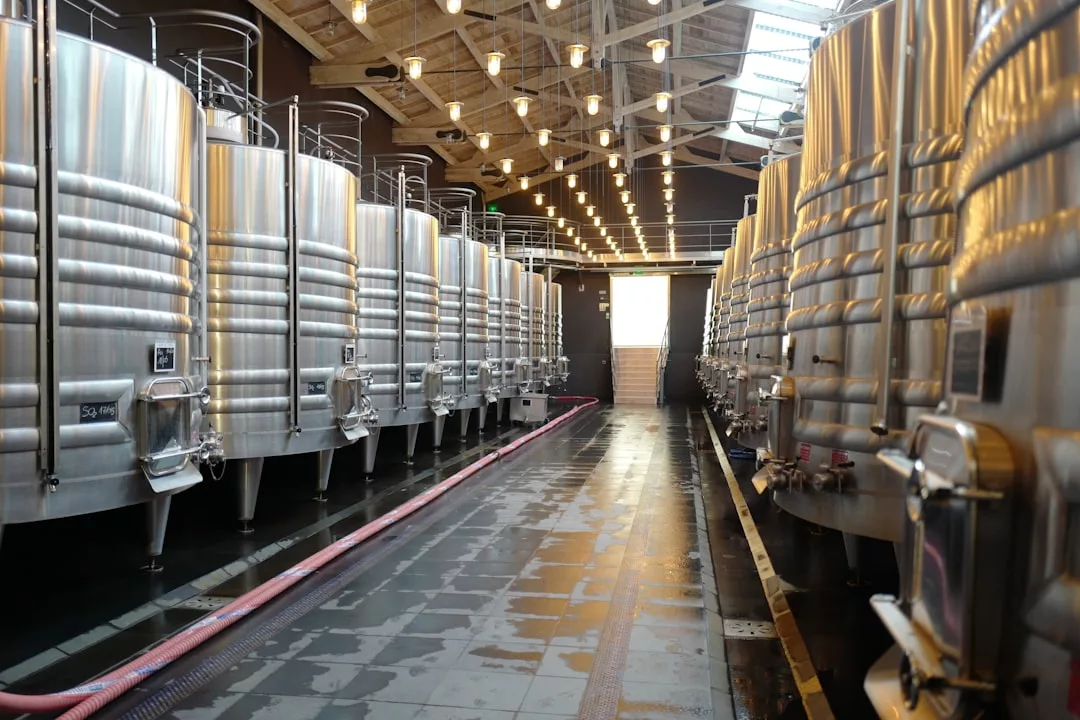
The history of vineyards is a rich tapestry woven through millennia, tracing back to ancient civilizations that first cultivated the grapevine. Archaeological evidence suggests that wine production began around 6000 BC in the region of present-day Georgia, where the earliest known winemaking artifacts, such as clay vessels and grape seeds, were discovered. This early form of viticulture spread across the Mediterranean, with the Egyptians, Greeks, and Romans each contributing to the evolution of winemaking techniques.
The Egyptians revered wine, often associating it with their deities, and even included it in burial rituals, believing it would accompany the deceased into the afterlife. As the Greeks expanded their influence, they refined winemaking practices and introduced the concept of terroir, the idea that the environment in which grapes are grown significantly affects the wine’s characteristics. The Romans further advanced viticulture by developing extensive vineyard systems across their empire, including France, Spain, and Germany.
They introduced innovations such as trellising and pruning, which improved grape quality and yield. By the Middle Ages, monasteries became centers of viticulture, preserving knowledge and techniques that would shape modern winemaking. The Renaissance period saw a resurgence in interest in wine, leading to the establishment of many renowned vineyards that still exist today.
Key Takeaways
- Vineyards have a rich history dating back thousands of years, with evidence of wine making found in ancient civilizations.
- When planning a wine tour, research the vineyards and wineries in the region, make reservations in advance, and consider hiring a designated driver.
- Different wine regions offer unique experiences, from the lush landscapes of Napa Valley to the historic vineyards of Bordeaux.
- Developing your palate for wine tasting involves using all your senses, from sight and smell to taste and touch, to fully appreciate the complexities of each wine.
- Sustainable wine making practices are becoming increasingly popular, with many vineyards implementing eco-friendly initiatives to reduce their environmental impact.
Planning Your Wine Tour: Tips for a Successful Adventure
Planning a wine tour can be an exhilarating experience, but it requires careful consideration to ensure a memorable adventure. First and foremost, research is key. Identify regions known for their vineyards and wines that pique your interest.
Whether it’s the rolling hills of Napa Valley in California or the picturesque landscapes of Tuscany in Italy, each region offers unique varietals and experiences. Once you’ve selected a destination, consider the time of year; harvest season in late summer and early fall can be particularly vibrant, with many wineries hosting special events and tastings. Creating an itinerary is essential for maximizing your time at each vineyard.
Prioritize which wineries you want to visit based on their offerings, some may specialize in tastings, while others might provide tours of their production facilities or even vineyard walks. It’s also wise to make reservations in advance, especially during peak tourist seasons when popular wineries can fill up quickly.
Navigating Different Wine Regions: Exploring the Diversity of Vineyards
Wine regions around the world are as diverse as the wines they produce, each with its own unique climate, soil composition, and cultural influences that shape its viticulture. For instance, Bordeaux in France is renowned for its robust red blends primarily made from Cabernet Sauvignon and Merlot grapes. The region’s maritime climate and gravelly soils contribute to the complexity and aging potential of its wines.
In contrast, the cooler climate of Oregon’s Willamette Valley is celebrated for its exceptional Pinot Noir, which thrives in the region’s volcanic soils and temperate weather. Traveling to different wine regions allows enthusiasts to appreciate these distinctions firsthand. In Italy’s Veneto region, visitors can explore the production of Prosecco, a sparkling wine that has gained international acclaim.
The unique method of producing Prosecco involves a secondary fermentation process called Charmat, which differs from traditional Champagne methods. Meanwhile, in Australia’s Barossa Valley, Shiraz reigns supreme; the region’s warm climate and rich soils yield bold, fruit-forward wines that have garnered a loyal following. Each region tells a story through its wines, reflecting not only the land but also the traditions and innovations of its winemakers.
The Art of Wine Tasting: Developing Your Palate and Appreciation for Wine
Wine tasting is an art form that transcends mere consumption; it is an immersive experience that engages all the senses. To truly appreciate wine, one must learn to observe its appearance, aroma, taste, and finish. The first step in tasting is to examine the wine’s color and clarity, white wines can range from pale straw to deep gold, while reds can vary from ruby to nearly opaque purple.
This visual assessment can provide clues about the wine’s age and varietal characteristics. Next comes the olfactory experience; swirling the wine in the glass releases its aromatic compounds. Taking a moment to inhale deeply allows tasters to identify various scents, fruity notes like cherry or citrus, floral hints like jasmine or rose, or earthy undertones such as leather or tobacco.
The palate then engages with the wine’s flavor profile; this involves not only identifying primary flavors but also assessing acidity, tannins, sweetness, and body. A well-rounded tasting experience culminates in evaluating the finish, the lingering flavors that remain after swallowing. Developing this nuanced understanding enhances one’s appreciation for wine and fosters a deeper connection to each bottle.
Sustainable Wine Making: Exploring Eco-Friendly Vineyards
In recent years, sustainability has emerged as a critical focus within the wine industry as consumers become increasingly aware of environmental issues. Sustainable winemaking practices aim to minimize ecological impact while producing high-quality wines. Many vineyards are adopting organic farming methods that eschew synthetic pesticides and fertilizers in favor of natural alternatives.
This approach not only protects local ecosystems but also enhances soil health and grape quality. Some wineries are taking sustainability a step further by implementing biodynamic practices, which consider the vineyard as a holistic ecosystem. This philosophy emphasizes biodiversity and includes techniques such as planting cover crops to improve soil fertility and using natural preparations made from herbs and minerals to promote plant health.
Additionally, water conservation measures are becoming more prevalent; vineyards are investing in drip irrigation systems that reduce water usage while ensuring vines receive adequate hydration. By prioritizing sustainability, these eco-friendly vineyards are not only producing exceptional wines but also contributing positively to their communities and the planet.
Meeting the Winemakers: Understanding the Craft and Passion Behind Each Bottle
The Artisans of Wine
Visiting vineyards offers a unique opportunity to meet the winemakers themselves, who pour their heart and soul into every bottle they produce. These artisans dedicate years to perfecting their craft, and engaging with them provides insight into their philosophies and techniques. Many have unique stories about how they became involved in viticulture and what drives their passion for winemaking.Personal Stories and Anecdotes
During tastings or tours, winemakers often share anecdotes about specific vintages or challenges they’ve faced due to weather conditions or market fluctuations. This personal connection adds depth to the tasting experience, fostering a greater appreciation for the wine itself.A Commitment to Quality
Many winemakers emphasize their commitment to quality over quantity, often hand-harvesting grapes at optimal ripeness and employing meticulous fermentation techniques to ensure that each wine reflects its terroir authentically. This labor-intensive process behind each bottle is a testament to their dedication to producing exceptional wines.Pairing Wine with Food: Enhancing Your Culinary Experience
The art of pairing wine with food is a delightful exploration that can elevate any dining experience. The fundamental principle behind successful pairings lies in balancing flavors; complementary tastes can enhance both the dish and the wine. For instance, a crisp Sauvignon Blanc pairs beautifully with fresh seafood due to its high acidity and citrus notes that cut through rich flavors like butter or cream.
Conversely, bold red wines like Cabernet Sauvignon often shine alongside hearty dishes such as grilled steak or lamb due to their tannic structure that complements protein-rich foods. Additionally, regional pairings can create harmonious experiences; enjoying a Chianti with traditional Italian pasta dishes showcases how local wines are crafted to complement local cuisine. Experimentation is key, there are no hard-and-fast rules when it comes to pairing wine with food; personal preferences play a significant role in discovering what combinations resonate best with individual palates.
Exploring Unique Varietals: Discovering Hidden Gems in the Wine World
While popular varietals like Cabernet Sauvignon and Chardonnay dominate wine lists worldwide, there exists a treasure trove of lesser-known grapes waiting to be discovered by adventurous palates. Exploring unique varietals can lead to delightful surprises; for example, Grüner Veltliner from Austria offers vibrant acidity and notes of green apple and white pepper, an excellent alternative for those seeking something different from typical white wines. Similarly, indigenous grapes such as Fiano from Italy or Assyrtiko from Greece showcase distinct regional characteristics that reflect their terroir.
These hidden gems often come from small producers who prioritize quality over quantity, resulting in exceptional wines that tell a story of their origin. Wine enthusiasts who venture beyond mainstream varietals not only expand their palates but also support sustainable practices by choosing wines from smaller vineyards dedicated to preserving traditional methods.
The Beauty of Vineyard Landscapes: Embracing the Serenity and Natural Beauty
Vineyards are often set against breathtaking backdrops: rolling hills adorned with rows of grapevines create picturesque landscapes that invite exploration and contemplation. The visual appeal of vineyards varies dramatically across regions; for instance, Napa Valley boasts lush green hills dotted with modern wineries, while Tuscany features sun-kissed slopes lined with ancient cypress trees and rustic farmhouses. Visiting vineyards provides an opportunity to immerse oneself in nature’s beauty while enjoying a glass of wine al fresco.
Many wineries offer outdoor seating areas where guests can sip their favorite vintages while taking in panoramic views of sprawling vineyards or nearby mountains. This connection between wine and landscape enhances the overall experience; it fosters an appreciation for not only what is in the glass but also for the land that nurtured it.
Wine Tour Etiquette: How to Conduct Yourself During Tastings and Tours
Understanding proper etiquette during wine tours is essential for ensuring a pleasant experience for both guests and hosts alike. When visiting a vineyard or winery, it’s important to arrive on time for scheduled tastings or tours; punctuality demonstrates respect for both staff and fellow guests who may be part of your group.
During tastings, it’s courteous to engage with staff by asking questions about the wines being served; this shows genuine interest in their craft while fostering a connection between guests and winemakers. However, moderation is key, tasting should be about savoring flavors rather than consuming large quantities of wine. Spitting is an acceptable practice during tastings if you wish to avoid overindulgence; many wineries provide spittoons for this purpose.
Finally, expressing gratitude at the end of your visit leaves a positive impression; whether through verbal thanks or purchasing a bottle as a token of appreciation for your experience.
Bringing the Vineyard Experience Home: Tips for Starting Your Own Wine Collection
Starting your own wine collection can be an exciting endeavor that allows you to bring home memories from your vineyard adventures while exploring new tastes at your leisure. Begin by determining your budget; this will guide your purchasing decisions as you build your collection over time. Consider focusing on specific regions or varietals that resonate with you based on your tasting experiences during vineyard visits.
Storage is another crucial aspect of maintaining a successful wine collection; ideally, wines should be stored in a cool, dark place with consistent temperatures away from direct sunlight or vibrations. Investing in a quality wine rack or cellar can help create an optimal environment for aging wines properly. Additionally, keeping track of your collection through notes or an app can help you remember tasting notes or when you purchased each bottle, this information can be invaluable when deciding when to drink certain wines.
As you curate your collection, don’t hesitate to experiment with different varietals or regions; this exploration will not only enhance your palate but also provide opportunities for sharing unique finds with friends during gatherings or special occasions. Ultimately, building a personal wine collection is about celebrating your journey through the world of wine while creating lasting memories with each bottle you uncork.
More in
More from Travel
Travel · 9 min
Exploring the Ultimate Culinary Experience
The ultimate culinary experience transcends mere sustenance; it is an intricate tapestry woven from flavors, aromas, textures, and visual appeal. This…
Travel · 11 min
Exploring the Best of Paris: A 3-Day Itinerary
The first day in Paris is often a whirlwind of excitement and discovery, as travelers set out to explore the city’s most iconic landmarks. Starting at…

Travel · 8 min
Mastering the Art of Skiing: Tips for Perfecting Your Technique
Selecting the appropriate skiing equipment is a fundamental step for both beginners and seasoned skiers alike. The right gear not only enhances perfor…