Travel · Travel
Exploring the Biodiversity of the Rainforest
Rainforests are among the most biologically diverse ecosystems on the planet, teeming with life forms that range from towering trees to microscopic organisms. Covering approximatel…
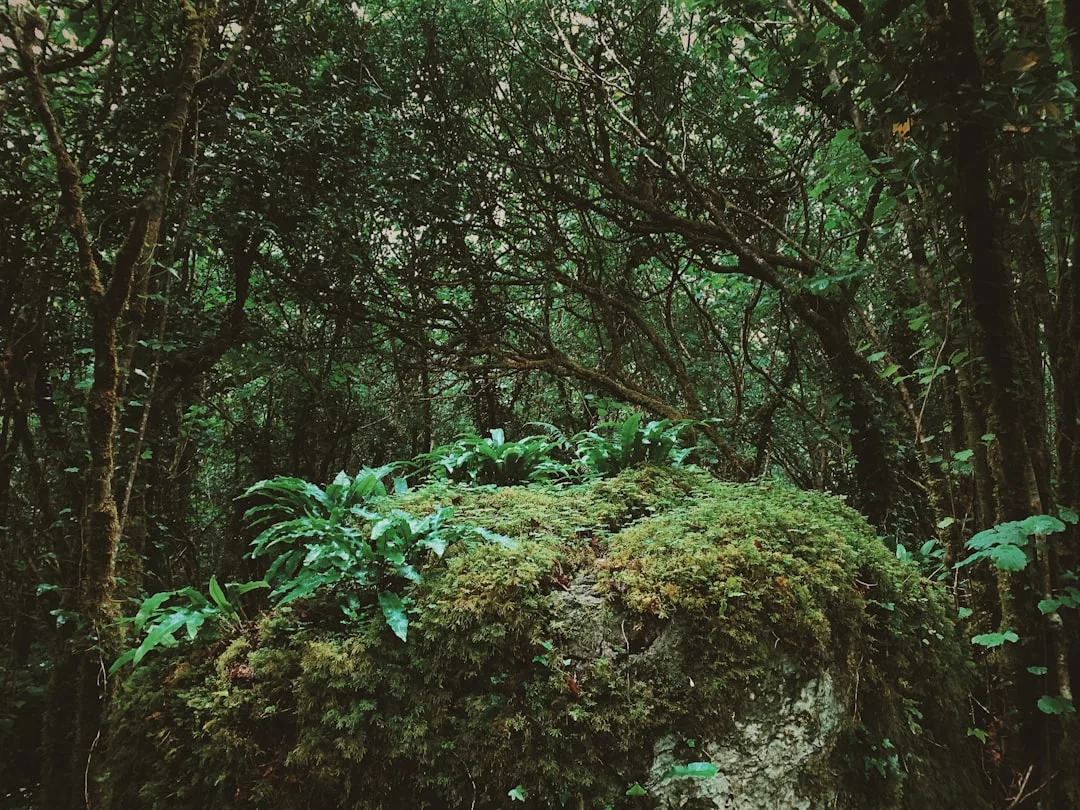
Rainforests are among the most biologically diverse ecosystems on the planet, teeming with life forms that range from towering trees to microscopic organisms. Covering approximately 6% of the Earth’s surface, these lush environments are primarily located near the equator, where warm temperatures and high humidity create ideal conditions for a vast array of species. The Amazon Rainforest, the Congo Basin, and Southeast Asian rainforests are some of the most notable examples, each hosting millions of species, many of which remain undiscovered.
The intricate web of life in these ecosystems is not only fascinating but also crucial for the health of the planet. The biodiversity found in rainforests is characterized by its complexity and interdependence. Each species plays a unique role in maintaining ecological balance, contributing to processes such as pollination, seed dispersal, and nutrient cycling.
This rich tapestry of life is a result of millions of years of evolution, shaped by factors such as climate, geography, and human activity. Understanding rainforest biodiversity is essential for appreciating the ecological services these forests provide and recognizing the urgent need for their conservation.
Key Takeaways
- Rainforests are home to a vast array of plant and animal species, making them one of the most biodiverse ecosystems on the planet.
- Rainforest biodiversity is crucial for maintaining ecological balance, providing ecosystem services, and supporting human livelihoods.
- The plant biodiversity in the rainforest includes a wide variety of species, many of which have unique medicinal properties and ecological importance.
- The animal biodiversity in the rainforest is incredibly diverse, with countless species of mammals, birds, reptiles, amphibians, and insects.
- Microbial biodiversity in the rainforest is essential for nutrient cycling, decomposition, and maintaining soil health.
The Importance of Rainforest Biodiversity
The significance of rainforest biodiversity extends far beyond the immediate environment; it has profound implications for global health, climate regulation, and human well-being. Rainforests act as carbon sinks, absorbing vast amounts of carbon dioxide from the atmosphere and helping to mitigate climate change. The diverse plant life within these forests plays a critical role in this process, as trees and other vegetation sequester carbon through photosynthesis.
Furthermore, the intricate relationships among species contribute to ecosystem resilience, enabling rainforests to withstand environmental changes and disturbances. In addition to their ecological functions, rainforests are a treasure trove of resources for humanity. They provide a wealth of medicinal compounds, many of which are derived from plants that have been used by indigenous peoples for centuries.
For instance, the rosy periwinkle (Catharanthus roseus), native to Madagascar, has been instrumental in developing treatments for cancer. The potential for discovering new pharmaceuticals in rainforest biodiversity is immense, yet much remains unexplored. The loss of biodiversity threatens not only the ecosystems themselves but also the future of medical advancements that could arise from these natural resources.
Plant Biodiversity in the Rainforest
Plant biodiversity in rainforests is staggering, with estimates suggesting that a single hectare can contain over 1,500 different tree species. This diversity is not limited to trees; it encompasses a wide range of flora, including shrubs, vines, ferns, and epiphytes. The stratification of rainforest vegetation creates distinct layers, emergent, canopy, understory, and forest floor, each hosting unique plant communities adapted to varying light levels and moisture conditions.
For example, the canopy layer is home to many flowering plants that rely on pollinators like birds and insects, while the forest floor supports shade-tolerant species that thrive in low-light environments. The evolutionary adaptations of rainforest plants are remarkable. Many species have developed specialized mechanisms for survival in this competitive environment.
For instance, some trees have evolved buttress roots that provide stability in shallow soils, while others possess large leaves to maximize photosynthesis in low-light conditions. Additionally, many plants have developed symbiotic relationships with fungi (mycorrhizae) that enhance nutrient uptake from the soil. This intricate interplay between plant species and their environment underscores the importance of preserving plant biodiversity as a means of maintaining ecosystem health.
Animal Biodiversity in the Rainforest
Animal biodiversity in rainforests is equally impressive, with millions of species inhabiting these ecosystems. From large mammals like jaguars and orangutans to countless insects and amphibians, the variety of life forms is staggering. Rainforests serve as critical habitats for many endangered species; for example, the Bornean orangutan (Pongo pygmaeus) relies on the dense canopy for food and shelter. The interactions among animal species are vital for maintaining ecological balance. Pollinators such as bees and butterflies play a crucial role in fertilizing plants, while seed dispersers like monkeys and birds help propagate tree species across vast distances.
Additionally, predators help regulate populations of herbivores, preventing overgrazing and promoting plant diversity. The loss of any one species can have cascading effects throughout the ecosystem, highlighting the interconnectedness of rainforest animal biodiversity.
Microbial Biodiversity in the Rainforest
While often overlooked, microbial biodiversity is fundamental to the functioning of rainforest ecosystems. Microorganisms such as bacteria and fungi play essential roles in nutrient cycling and decomposition processes. They break down organic matter from dead plants and animals, returning vital nutrients to the soil and supporting plant growth.
In fact, soil health in rainforests is largely dependent on microbial activity; healthy soils are rich in diverse microbial communities that enhance fertility and resilience. Recent research has revealed that microbial diversity in rainforests is astonishingly high. A single gram of rainforest soil can contain billions of microorganisms representing thousands of different species.
These microbes not only contribute to soil health but also interact with plant roots through symbiotic relationships that enhance nutrient uptake. For example, mycorrhizal fungi form associations with plant roots that improve water and nutrient absorption while providing carbohydrates in return. Understanding microbial biodiversity is crucial for comprehending ecosystem dynamics and developing effective conservation strategies.
Threats to Rainforest Biodiversity
Despite their immense value, rainforests face numerous threats that jeopardize their biodiversity. Deforestation is one of the most pressing issues, driven primarily by agricultural expansion, logging, and infrastructure development. The Amazon Rainforest has seen significant deforestation due to cattle ranching and soy cultivation, leading to habitat loss for countless species.
As trees are removed, not only is biodiversity diminished but also the ecosystem’s ability to sequester carbon is severely compromised. Climate change poses another significant threat to rainforest biodiversity. Rising temperatures and altered precipitation patterns can disrupt delicate ecological balances, leading to shifts in species distributions and increased vulnerability to pests and diseases.
For instance, warmer temperatures may favor certain invasive species that outcompete native flora and fauna. Additionally, extreme weather events such as hurricanes or droughts can devastate rainforest habitats, further exacerbating biodiversity loss.
Conservation Efforts to Protect Rainforest Biodiversity
In response to the alarming decline in rainforest biodiversity, various conservation efforts have been initiated worldwide. For example, Brazil’s Tumucumaque Mountains National Park protects vast tracts of Amazon rainforest while providing refuge for endangered species like the jaguar and giant river otter.
Community-based conservation initiatives have also gained traction as effective strategies for preserving biodiversity while supporting local livelihoods. These programs often involve collaboration with indigenous communities who possess traditional ecological knowledge about sustainable land management practices. By integrating local perspectives into conservation efforts, these initiatives can foster stewardship over natural resources while ensuring that local populations benefit economically from preserving their environment.
Ecotourism and Rainforest Biodiversity
Ecotourism has emerged as a powerful tool for promoting rainforest conservation while providing economic incentives for local communities. By attracting visitors interested in experiencing the beauty and diversity of rainforests firsthand, ecotourism generates revenue that can be reinvested into conservation efforts. Destinations like Costa Rica have successfully leveraged ecotourism to protect their rich biodiversity while fostering sustainable development.
However, ecotourism must be carefully managed to minimize its impact on fragile ecosystems. Overcrowding can lead to habitat degradation and disturbance to wildlife if not properly regulated. Sustainable practices such as guided tours with limited group sizes and strict adherence to environmental guidelines are essential for ensuring that ecotourism benefits both biodiversity conservation and local communities without compromising ecological integrity.
Indigenous Knowledge and Rainforest Biodiversity
Indigenous peoples have lived in harmony with rainforest ecosystems for millennia, possessing invaluable knowledge about local flora and fauna that can inform conservation efforts. Their traditional practices often emphasize sustainable resource management techniques that promote biodiversity preservation while meeting their needs. For instance, indigenous communities may use selective harvesting methods that allow plant populations to regenerate rather than depleting them entirely.
Integrating indigenous knowledge into modern conservation strategies can enhance biodiversity protection efforts significantly. Collaborative projects that involve indigenous communities in decision-making processes not only empower these groups but also lead to more effective conservation outcomes. Recognizing the rights of indigenous peoples over their ancestral lands is crucial for ensuring that their knowledge contributes meaningfully to preserving rainforest biodiversity.
Research and Discoveries in Rainforest Biodiversity
Scientific research plays a pivotal role in advancing our understanding of rainforest biodiversity and informing conservation strategies. Ongoing studies continue to uncover new species and document ecological interactions within these complex ecosystems. For example, recent expeditions into remote areas of the Amazon have led to the discovery of numerous previously unknown plant and animal species, highlighting the urgency of protecting these habitats before they are lost forever.
Moreover, research into ecosystem services provided by rainforests has revealed their critical importance for global health and climate stability. Studies examining carbon sequestration rates or water filtration capabilities underscore how vital these ecosystems are not just locally but globally as well. As scientists continue to explore the depths of rainforest biodiversity, their findings will be instrumental in shaping policies aimed at conserving these irreplaceable ecosystems.
The Future of Rainforest Biodiversity
The future of rainforest biodiversity hangs in a delicate balance between conservation efforts and ongoing threats posed by human activities. While there is hope through increased awareness and action at local, national, and international levels, challenges remain formidable. Climate change continues to accelerate environmental shifts that could further endanger already vulnerable species.
However, innovative approaches such as reforestation initiatives and sustainable land-use practices offer pathways toward restoring degraded areas while enhancing biodiversity resilience. Engaging communities in conservation efforts fosters a sense of ownership over natural resources that can lead to long-term stewardship. Ultimately, safeguarding rainforest biodiversity requires a collective commitment from governments, organizations, scientists, and individuals alike, recognizing that preserving these ecosystems is essential not only for their intrinsic value but also for the well-being of our planet as a whole.
◦ Good to know
Why are rainforests so biologically diverse?
Rainforests are among the most biologically diverse ecosystems on Earth, covering roughly 6% of the planet's surface, mostly near the equator where warm temperatures and high humidity create ideal conditions. Examples like the Amazon, the Congo Basin and Southeast Asian rainforests each host millions of species, many still undiscovered.
Why is rainforest biodiversity important for the planet?
Rainforest biodiversity has profound implications for global health and climate. Rainforests act as carbon sinks, absorbing vast amounts of carbon dioxide through photosynthesis and helping mitigate climate change. The intricate relationships among species also build ecosystem resilience, enabling forests to withstand environmental changes and disturbances while supporting human well-being.
How do rainforests benefit human medicine?
Rainforests are a treasure trove of medicinal compounds, many derived from plants used by indigenous peoples for centuries. For instance, the rosy periwinkle, native to Madagascar, has been instrumental in developing cancer treatments. The potential for discovering new pharmaceuticals is immense, yet much remains unexplored, making biodiversity loss a serious threat.
More in
More from Travel

Travel · 9 min
Exploring the Ultimate Culinary Experience
The ultimate culinary experience transcends mere sustenance; it is an intricate tapestry woven from flavors, aromas, textures, and visual appeal. This…

Travel · 11 min
Exploring the Best of Paris: A 3-Day Itinerary
The first day in Paris is often a whirlwind of excitement and discovery, as travelers set out to explore the city’s most iconic landmarks. Starting at…

Travel · 8 min
Mastering the Art of Skiing: Tips for Perfecting Your Technique
Selecting the appropriate skiing equipment is a fundamental step for both beginners and seasoned skiers alike. The right gear not only enhances perfor…