Mallorca · Mallorca
Exploring the Camino de s’Arxiduc: Cycling Adventures near Deià
The Camino de s’Arxiduc, a picturesque trail located in the stunning landscape of Mallorca, Spain, is a celebrated route that attracts both pilgrims and outdoor enthusiasts alike. …
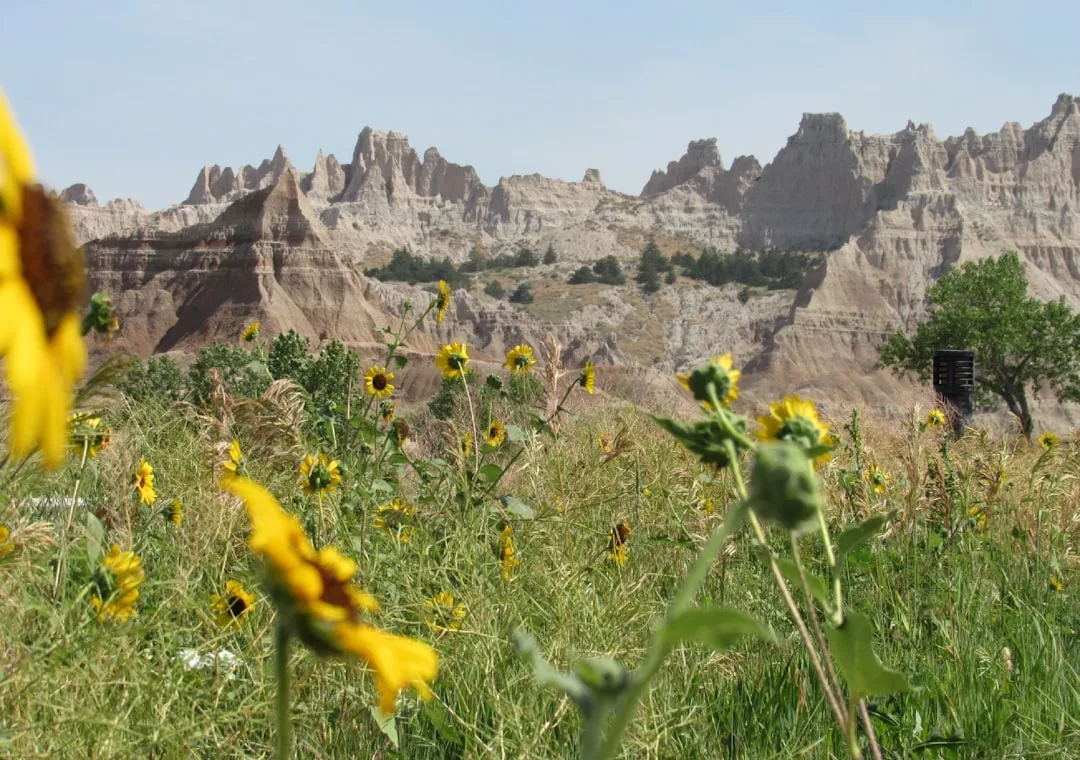
The Camino de s’Arxiduc, a picturesque trail located in the stunning landscape of Mallorca, Spain, is a celebrated route that attracts both pilgrims and outdoor enthusiasts alike. This path, which translates to “The Archduke’s Way,” is named after Archduke Ludwig Salvator of Austria, who was instrumental in promoting the natural beauty of the island during the late 19th century. The trail offers a unique blend of cultural heritage, breathtaking scenery, and an opportunity for physical activity, making it a favored destination for cyclists and hikers.
As one traverses this route, they are not only engaging in a physical journey but also stepping into a rich tapestry of history and nature that has shaped the region. The Camino de s’Arxiduc is more than just a cycling path; it is a journey through time and nature. The trail meanders through the rugged terrain of the Tramuntana mountain range, which has been designated a UNESCO World Heritage site due to its cultural significance and natural beauty.
The route is characterized by its well-maintained paths, offering cyclists and walkers alike a chance to immerse themselves in the stunning landscapes that define Mallorca. With its combination of historical landmarks, diverse ecosystems, and panoramic views, the Camino de s’Arxiduc serves as a microcosm of the island’s charm and allure.
Key Takeaways
- The Camino de s’Arxiduc is a popular cycling route in Mallorca, known for its stunning views and historical significance.
- The Camino de s’Arxiduc has a rich history, originally built as a path for Archduke Ludwig Salvador of Austria to access his estate in the 19th century.
- Cyclists near Deià can explore various cycling routes and trails, including the challenging Camino de s’Arxiduc.
- The Camino de s’Arxiduc offers scenic views and landmarks, such as the Mirador des Pujol de s’Ase, perfect for nature enthusiasts and photographers.
- The Camino de s’Arxiduc is home to diverse flora and fauna, including pine forests, olive groves, and various bird species, making it a unique cycling experience.
History of the Camino de s’Arxiduc
The historical roots of the Camino de s’Arxiduc can be traced back to the late 1800s when Archduke Ludwig Salvator, an Austrian nobleman with a profound appreciation for nature, began exploring Mallorca. His fascination with the island’s rugged beauty led him to establish various trails that would allow others to experience the breathtaking landscapes he cherished. The archduke’s efforts were not merely for personal enjoyment; he aimed to promote tourism and conservation in Mallorca, recognizing the potential for the island to attract visitors seeking both adventure and tranquility.
Ludwig Salvator’s influence on the Camino de s’Arxiduc is evident in its design and purpose. He meticulously mapped out routes that highlighted the island’s natural wonders while also connecting various villages and historical sites. The archduke’s writings and illustrations about Mallorca contributed significantly to the island’s reputation as a travel destination in Europe.
His legacy endures today as cyclists and hikers traverse the paths he once walked, experiencing firsthand the landscapes that inspired him. The trail stands as a testament to his vision of preserving Mallorca’s natural beauty while making it accessible to those who seek to explore its wonders.
Cycling Routes and Trails near Deià
Deià, a charming village nestled in the Tramuntana mountains, serves as an ideal starting point for exploring the Camino de s’Arxiduc and its surrounding trails. The area boasts a network of cycling routes that cater to various skill levels, from leisurely rides suitable for families to challenging climbs for seasoned cyclists. One popular route begins in Deià and follows the Camino de s’Arxiduc towards Soller, offering riders a chance to experience both the natural beauty and cultural richness of the region.
As cyclists navigate these trails, they encounter diverse terrains that range from rocky paths to smooth roads lined with ancient stone walls. The routes are often flanked by olive groves, citrus orchards, and terraced fields that showcase traditional agricultural practices. Along the way, cyclists can stop at quaint villages such as Valldemossa or Fornalutx, where they can take in local architecture and perhaps enjoy a refreshing drink at a café.
The combination of physical activity and cultural exploration makes cycling near Deià an enriching experience for all who embark on this journey.
Scenic Views and Landmarks along the Camino de s’Arxiduc
One of the most compelling aspects of cycling along the Camino de s’Arxiduc is the breathtaking scenery that unfolds at every turn. As riders ascend into the Tramuntana mountains, they are treated to sweeping vistas of the Mediterranean Sea, lush valleys, and rugged cliffs that define Mallorca’s landscape. The trail offers numerous vantage points where cyclists can pause to take in panoramic views or capture stunning photographs that encapsulate the island’s beauty. One notable site is the Mirador de ses Barques, an observation point that provides breathtaking views of the coastline and surrounding mountains. Another significant landmark is the historic village of Valldemossa, known for its charming cobblestone streets and the famous Charterhouse where composer Frédéric Chopin spent time.
These landmarks not only enhance the visual appeal of the route but also serve as reminders of Mallorca’s rich cultural heritage.
Flora and Fauna of the Camino de s’Arxiduc
The diverse ecosystems along the Camino de s’Arxiduc are home to an array of flora and fauna that contribute to the region’s ecological richness. Cyclists traversing this route may encounter various plant species native to Mallorca, including aromatic herbs such as rosemary and thyme, which thrive in the Mediterranean climate. The trail is also lined with wildflowers that bloom in vibrant colors during springtime, creating a picturesque backdrop for those exploring on two wheels.
Wildlife enthusiasts will find plenty to admire as well. The Tramuntana mountains are home to several bird species, including the endangered Eleonora’s falcon and various types of eagles that soar above the cliffs. Additionally, small mammals such as rabbits and hedgehogs can be spotted along the trail, adding to the biodiversity of this unique environment.
The interplay between flora and fauna along the Camino de s’Arxiduc not only enhances its natural beauty but also underscores the importance of conservation efforts in preserving these habitats for future generations.
Tips for Cycling the Camino de s’Arxiduc
Cycling the Camino de s’Arxiduc can be an exhilarating experience, but preparation is key to ensuring a safe and enjoyable journey. First and foremost, cyclists should assess their fitness levels and choose routes that match their abilities. While some sections of the trail are relatively flat and accessible, others involve steep climbs that may require more stamina and skill.
It’s advisable for riders to familiarize themselves with maps or GPS devices to navigate effectively through this scenic landscape. Another essential tip is to pack appropriately for varying weather conditions. Mallorca enjoys a Mediterranean climate; however, temperatures can fluctuate significantly throughout the day.
Cyclists should dress in layers to accommodate changes in temperature and bring sufficient water and snacks to stay hydrated and energized during their ride. Additionally, investing in a quality bike equipped with proper gears will enhance performance on both ascents and descents along the trail.
Cultural and Historical Significance of the Camino de s’Arxiduc
The cultural significance of the Camino de s’Arxiduc extends beyond its scenic beauty; it embodies a rich historical narrative that reflects Mallorca’s identity. The trail serves as a connection between various villages steeped in tradition, allowing cyclists to engage with local customs and practices that have persisted over centuries. Each village along the route has its own unique story, from ancient agricultural techniques to artisanal crafts that continue to thrive today.
Moreover, the Camino de s’Arxiduc is intertwined with Mallorca’s broader historical context, particularly during periods of tourism development in the late 19th century. Archduke Ludwig Salvator’s promotion of this route played a pivotal role in shaping perceptions of Mallorca as a desirable travel destination. His writings not only documented his explorations but also inspired future generations to appreciate and protect Mallorca’s natural landscapes.
As cyclists traverse this path today, they are participating in a legacy that honors both nature and culture.
Local Cuisine and Dining Options near the Camino de s’Arxiduc
Cycling along the Camino de s’Arxiduc offers not only physical exertion but also an opportunity to indulge in Mallorca’s rich culinary heritage. The region is renowned for its traditional dishes that reflect local ingredients and flavors. Cyclists can find numerous dining options near Deià and along their route where they can savor authentic Mallorcan cuisine after a day of exploration.
One must-try dish is “tumbet,” a vegetable medley featuring layers of eggplant, potatoes, and bell peppers topped with tomato sauce, an embodiment of Mediterranean flavors. Another local favorite is “ensaimada,” a sweet pastry often enjoyed with coffee or hot chocolate, perfect for refueling after an active day on two wheels. Many restaurants also offer fresh seafood dishes that highlight Mallorca’s coastal bounty, allowing cyclists to experience regional flavors while enjoying stunning views from outdoor terraces.
Accommodation and Lodging Options for Cyclists near Deià
For those planning an extended stay while exploring the Camino de s’Arxiduc, Deià offers a variety of accommodation options catering specifically to cyclists’ needs. From charming boutique hotels to cozy guesthouses, visitors can find lodgings that provide amenities such as bike storage, repair services, and local maps for navigating trails. Many establishments prioritize comfort while maintaining an authentic Mallorcan atmosphere.
In addition to traditional accommodations, there are also options for eco-friendly lodgings that align with sustainable tourism practices. These establishments often emphasize local sourcing for food and environmentally conscious operations, appealing to travelers who wish to minimize their ecological footprint while enjoying their cycling adventure. Whether seeking luxury or simplicity, cyclists will find suitable places to rest after their journeys along this captivating route.
Safety Precautions and Considerations for Cycling the Camino de s’Arxiduc
Safety should always be a priority when cycling along any trail, including the Camino de s’Arxiduc. Wearing appropriate safety gear such as helmets is crucial; it not only protects riders but also promotes responsible cycling practices.
Additionally, it’s wise for cyclists to travel in groups whenever possible or inform someone about their planned route if riding alone. Mobile phone coverage is generally reliable in most areas; however, having a physical map as a backup can be beneficial in case of connectivity issues. Understanding local traffic rules is also important; while many sections are dedicated paths for cyclists and pedestrians, some areas may require sharing roads with vehicles.
Environmental Conservation and Sustainable Practices along the Camino de s’Arxiduc
As more people discover the beauty of cycling along the Camino de s’Arxiduc, it becomes increasingly important to prioritize environmental conservation efforts within this pristine landscape. Sustainable practices can significantly mitigate human impact on natural habitats while preserving them for future generations. Cyclists are encouraged to adhere strictly to marked trails to avoid disturbing local flora and fauna.
Moreover, participating in local conservation initiatives or supporting businesses that prioritize sustainability can contribute positively to preserving Mallorca’s environment. Simple actions such as carrying reusable water bottles or packing out any waste can make a significant difference in maintaining cleanliness along trails. By fostering an ethos of respect for nature among cyclists and visitors alike, we can ensure that this remarkable path continues to inspire awe for years to come while safeguarding its ecological integrity.
More in
More from Mallorca
Mallorca · 8 min
Premium Real Estate Advisory for Palma Property Purchases
In the complex world of real estate, having a knowledgeable advisor can make a significant difference in the buying or selling process. Real estate ad…
Mallorca · 7 min
Discover the Hiking Pilgrimage to Lluc Monastery
The significance of Lluc Monastery extends beyond its religious importance; it has played a crucial role in preserving Mallorcan culture and tradition…
Mallorca · 8 min
Exclusive Sunset Visits to Caves Del Hams in Porto Cristo
Nestled on the eastern coast of Mallorca, the Caves Del Hams are a breathtaking natural wonder that draws visitors from around the globe. Located near…