Mallorca · Mallorca
Exploring the Caves of Drach: Private Guided Tours
The Caves of Drach, or Cuevas del Drach, are located on the eastern coast of Mallorca, Spain, and boast a rich history that dates back thousands of years. Archaeological evidence s…
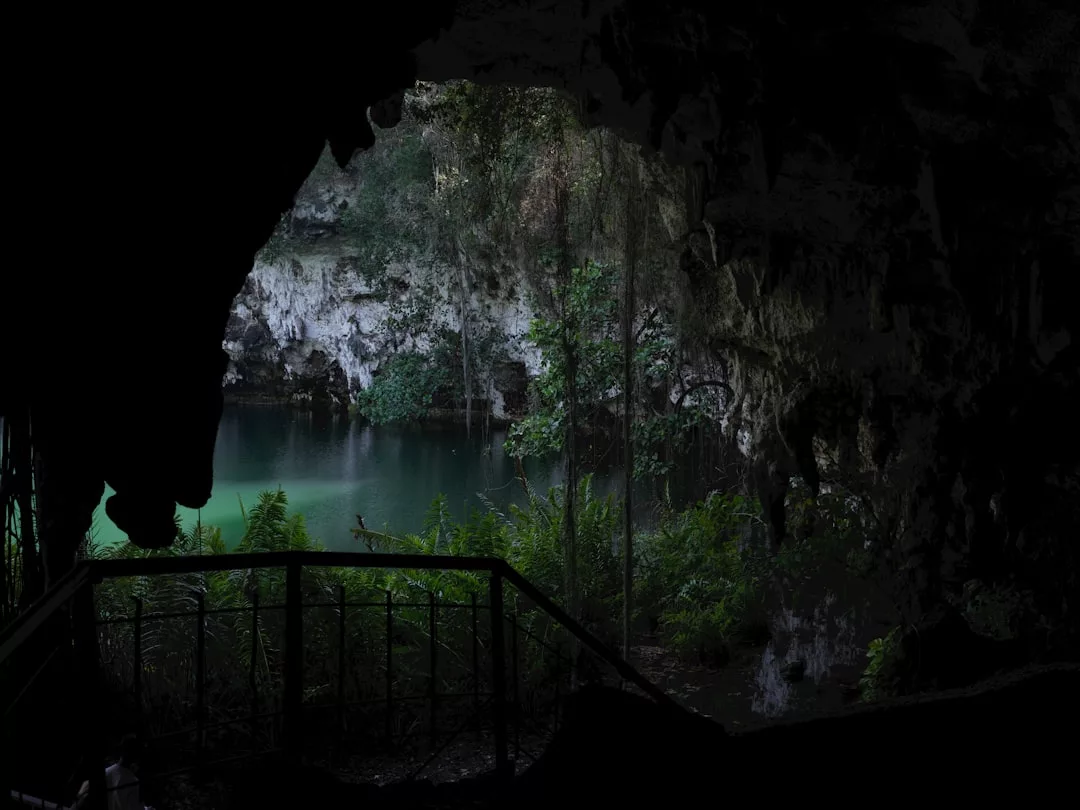
The Caves of Drach, or Cuevas del Drach, are located on the eastern coast of Mallorca, Spain, and boast a rich history that dates back thousands of years. Archaeological evidence suggests that these caves were inhabited as far back as the prehistoric era, with artifacts such as pottery and tools discovered within their depths. The caves were not only a shelter for early humans but also served as a site for rituals and ceremonies, indicating their significance in the spiritual lives of ancient communities.
The name “Drach” itself is derived from the Catalan word for “dragon,” which reflects the local folklore that has surrounded these caves for centuries. In the 19th century, the Caves of Drach began to attract the attention of explorers and scientists. Notably, in 1880, the caves were first opened to the public by the local landowner, who recognized their potential as a tourist attraction.
The exploration of the caves continued into the 20th century, with significant contributions from various researchers who mapped and studied their intricate formations. The caves gained international fame after being featured in travel literature and guides, leading to an influx of visitors eager to experience their natural beauty. Today, the Caves of Drach are not only a testament to geological wonder but also a reflection of human history and cultural significance.
Key Takeaways
- The Caves of Drach have a rich history dating back to ancient times, with evidence of human presence found within the caves.
- A private guided tour of the caves offers a personalized and in-depth experience, allowing visitors to learn about the history, geology, and unique features of the caves.
- The caves were formed over millions of years through the process of water erosion and contain a variety of stunning geological formations such as stalactites and stalagmites.
- The caves are home to a diverse range of flora and fauna, including unique species adapted to the dark and humid environment.
- Visitors can marvel at the spectacular underground lakes and waterways within the caves, which are illuminated to create a magical and enchanting atmosphere.
What to Expect on a Private Guided Tour
A private guided tour of the Caves of Drach offers an intimate and personalized experience that allows visitors to delve deeper into the cave’s history and geology. Unlike standard group tours, a private tour provides the opportunity for a more tailored exploration, where guides can adjust the pace and focus based on the interests of the participants. Visitors can expect to be greeted by knowledgeable guides who are well-versed in the cave’s history, geology, and ecology.
They often share fascinating anecdotes and insights that enrich the experience beyond mere observation. During the tour, guests will traverse through various chambers of the cave, each showcasing unique formations and features. The guides typically highlight significant areas such as the impressive underground lakes and stunning stalactites and stalagmites.
Additionally, private tours often include opportunities for questions and discussions, allowing participants to engage more deeply with the material presented. This interactive element enhances the overall experience, making it not just a visual journey but also an educational one.
The Formation and Geology of the Caves
The geological formation of the Caves of Drach is a captivating story that spans millions of years. These limestone caves were formed during the late Tertiary period, approximately 5 million years ago, through a combination of geological processes including erosion and dissolution. Rainwater, slightly acidic due to dissolved carbon dioxide from the atmosphere and soil, seeped into cracks in the limestone rock.
Over time, this process gradually eroded the rock, creating vast underground chambers and intricate passageways. The caves are part of a larger network known as the “Caves of Artà,” which includes several other notable caverns in Mallorca. The unique geological features found within the Caves of Drach include impressive columns formed by stalactites and stalagmites that have developed over thousands of years.
The slow drip of mineral-rich water from the cave ceiling leads to the deposition of calcium carbonate, resulting in these stunning formations. The interplay between water flow and geological time has created a mesmerizing landscape that continues to evolve.
The Unique Flora and Fauna Found in the Caves
The Caves of Drach are not only remarkable for their geological formations but also for their unique ecosystem. Within these dark and humid environments, specialized flora and fauna have adapted to thrive in conditions that are inhospitable to most life forms.
These species have evolved specific adaptations such as loss of pigmentation and eyesight, allowing them to survive in complete darkness. Among the notable inhabitants of the caves is a species of blind crustacean known as “Amblypygi,” which has adapted to life in this subterranean habitat. Additionally, various types of fungi can be found growing on damp surfaces within the caves, contributing to the unique biodiversity present in this ecosystem.
The delicate balance between these organisms highlights the importance of preserving such environments, as they are often vulnerable to changes caused by human activity.
The Spectacular Underground Lakes and Waterways
One of the most breathtaking features of the Caves of Drach is its series of underground lakes, which are among the largest in Europe. The most famous lake within the caves is Lake Martel, which stretches over 177 meters in length and reaches depths of up to 20 meters.
The stillness of the water reflects the intricate formations above, creating a surreal visual experience. Visitors on guided tours often have the opportunity to enjoy a short boat ride across Lake Martel, allowing them to appreciate its beauty from a unique perspective. The experience is enhanced by the acoustics within the cave; sounds reverberate off the walls, creating an ethereal ambiance that adds to the overall enchantment.
The lakes not only serve as a visual highlight but also play a crucial role in maintaining the cave’s ecosystem by providing habitat for various aquatic organisms.
The Stunning Stalactites and Stalagmites
The stalactites and stalagmites found within the Caves of Drach are among its most iconic features, showcasing nature’s artistry over millennia. Stalactites hang from the ceilings like icicles formed from mineral deposits that have dripped down over countless years. Conversely, stalagmites rise from the ground as these mineral deposits accumulate from water dripping down from above.
The formation process is incredibly slow; some stalactites grow at a rate of just a few centimeters every century. Visitors are often struck by the sheer size and variety of these formations throughout the cave system. Some stalagmites reach impressive heights, while others take on unusual shapes that spark imagination and wonder.
The interplay between light and shadow within these chambers further enhances their beauty; guided tours often utilize strategic lighting to highlight specific formations, creating an otherworldly atmosphere that leaves a lasting impression on all who visit.
The Sound and Light Show in the Caves
One of the most memorable aspects of visiting the Caves of Drach is undoubtedly the sound and light show that takes place within its chambers. This spectacular presentation combines music with carefully orchestrated lighting effects that illuminate the cave’s stunning formations and underground lakes. Typically held in one of the larger chambers near Lake Martel, this show transforms an already magical environment into an immersive sensory experience.
The music chosen for these performances often ranges from classical compositions to contemporary pieces, enhancing the emotional impact of the visuals on display. As lights dance across stalactites and reflect off tranquil waters, visitors are transported into a dreamlike state where nature’s beauty is celebrated through art. This fusion of natural wonder and human creativity exemplifies how cultural expressions can coexist harmoniously with geological marvels.
The Importance of Conservation and Preservation Efforts
As one of Mallorca’s most treasured natural attractions, conservation efforts surrounding the Caves of Drach are paramount to ensure its preservation for future generations. The delicate ecosystem within these caves is vulnerable to disturbances caused by increased tourism, pollution, and climate change. Recognizing this threat, local authorities have implemented measures aimed at protecting both the cave environment and its unique inhabitants.
Education plays a crucial role in conservation efforts; visitors are often informed about responsible behavior while exploring the caves to minimize their impact on this fragile ecosystem. Additionally, ongoing research initiatives seek to monitor changes within the cave system and assess potential threats posed by human activity. By fostering awareness about environmental stewardship among tourists and locals alike, stakeholders hope to maintain this natural wonder while promoting sustainable tourism practices.
Tips for Exploring the Caves Safely
Exploring the Caves of Drach can be an exhilarating experience; however, safety should always be a priority when venturing into such environments. Visitors are advised to wear comfortable footwear with good grip since cave floors can be uneven and slippery due to moisture accumulation. It is also essential to dress appropriately for cooler temperatures inside the caves; even during warm months outside, temperatures can drop significantly within.
Guided tours provide an added layer of safety as experienced guides lead visitors through designated paths while sharing valuable insights about cave features along the way. Participants should adhere strictly to guidelines provided by their guides regarding movement within specific areas or touching formations, this helps preserve delicate structures while ensuring everyone’s safety during exploration.
The Best Times of Year to Visit the Caves
The Caves of Drach can be visited year-round; however, certain times may offer more favorable conditions for exploration. Spring (March to May) is often considered one of the best seasons due to mild temperatures both inside and outside; this period also sees fewer crowds compared to peak summer months when tourism surges on Mallorca’s beaches. Autumn (September to November) presents another excellent opportunity for visitors seeking pleasant weather without overwhelming tourist traffic; this season allows for a more relaxed experience while exploring all that these magnificent caves have to offer.
Regardless of when one chooses to visit, it is advisable to check ahead for any special events or shows taking place during specific times, these can enhance your overall experience significantly.
How to Book a Private Guided Tour of the Caves of Drach
Booking a private guided tour of the Caves of Drach is relatively straightforward and can be done through various channels depending on personal preferences. Many local tour operators offer customizable packages that cater specifically to individual interests or group sizes; these can often be arranged online or via phone prior to arrival on Mallorca. When booking a tour, it’s essential to inquire about group size limits, smaller groups typically allow for more personalized attention from guides, and any additional services included in your package such as transportation or special experiences like boat rides across Lake Martel.
Planning ahead ensures not only availability but also maximizes enjoyment during your visit while allowing you ample time to explore other attractions nearby after experiencing this natural wonder firsthand.
More in
More from Mallorca

Mallorca · 8 min
Premium Real Estate Advisory for Palma Property Purchases
In the complex world of real estate, having a knowledgeable advisor can make a significant difference in the buying or selling process. Real estate ad…
Mallorca · 7 min
Discover the Hiking Pilgrimage to Lluc Monastery
The significance of Lluc Monastery extends beyond its religious importance; it has played a crucial role in preserving Mallorcan culture and tradition…
Mallorca · 8 min
Exclusive Sunset Visits to Caves Del Hams in Porto Cristo
Nestled on the eastern coast of Mallorca, the Caves Del Hams are a breathtaking natural wonder that draws visitors from around the globe. Located near…