Travel · Travel
Exploring the City: Art Tour
Art tours in the city offer a unique lens through which to explore the vibrant cultural tapestry that defines urban life. These guided experiences provide an opportunity for both l…
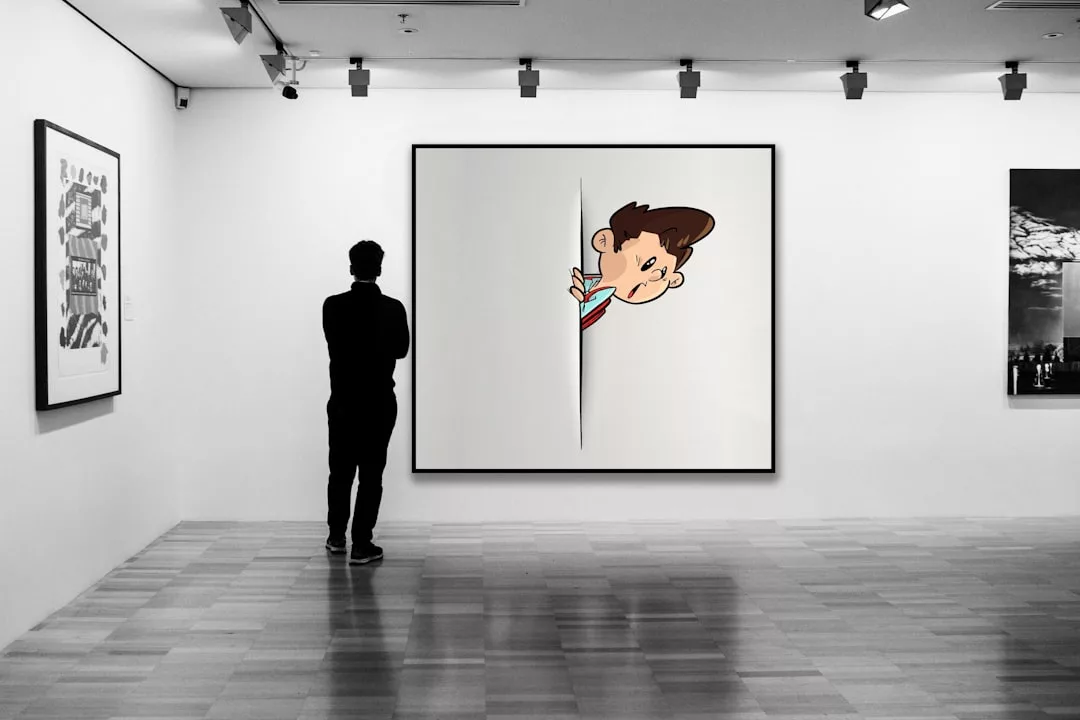
Art tours in the city offer a unique lens through which to explore the vibrant cultural tapestry that defines urban life. These guided experiences provide an opportunity for both locals and visitors to delve into the rich artistic heritage and contemporary expressions that populate the streets, galleries, and public spaces. Whether one is an art aficionado or a casual observer, these tours can illuminate the stories behind the artworks, the artists who create them, and the historical contexts that shape their significance.
The city, with its diverse neighborhoods and eclectic art scenes, serves as a living canvas that reflects the dynamic interplay of creativity and community. Participating in an art tour can be a transformative experience, allowing individuals to engage with art in a way that transcends mere observation. Through expert guides, participants gain insights into the techniques, themes, and cultural narratives that inform various art forms.
From traditional paintings to avant-garde installations, art tours can cater to a wide range of interests and preferences. As cities continue to evolve, so too does their artistic landscape, making these tours not only a means of appreciation but also a way to witness the ongoing dialogue between past and present.
Key Takeaways
- Art tours in the city offer a unique way to explore and appreciate the local art scene.
- The city’s art scene has a rich history and has evolved over the years, making it a must-visit for art enthusiasts.
- Must-see art galleries and museums in the city showcase a diverse range of artistic styles and periods.
- Exploring street art and public art installations provides a dynamic and immersive art experience in the city.
- Engaging with local artists and artisans offers a deeper understanding of the city’s artistic community and their creative processes.
The History and Evolution of the City’s Art Scene
The history of the city’s art scene is a fascinating narrative that reflects broader social, political, and economic changes over time. Initially, the city served as a hub for traditional art forms, with galleries showcasing classical works and established artists. However, as the 20th century unfolded, a wave of modernism began to sweep through the art world, challenging conventional notions of beauty and representation.
This shift was marked by the emergence of various movements such as Abstract Expressionism and Pop Art, which found fertile ground in urban environments where innovation thrived. As the city became increasingly multicultural, its art scene began to diversify significantly. Artists from various backgrounds brought their unique perspectives and techniques, enriching the local artistic dialogue.
The establishment of artist collectives and alternative spaces in the late 20th century further democratized access to art, allowing emerging talents to showcase their work outside traditional gallery settings. This evolution has led to a vibrant contemporary art scene that embraces experimentation and inclusivity, making it a focal point for both national and international artists.
Must-See Art Galleries and Museums in the City
The city boasts an impressive array of art galleries and museums that cater to diverse tastes and interests. One of the most iconic institutions is the City Art Museum, renowned for its extensive collection of both classical and contemporary works. Visitors can explore masterpieces from renowned artists such as Van Gogh and Monet alongside cutting-edge installations by contemporary creators.
The museum frequently hosts temporary exhibitions that highlight emerging trends in the art world, ensuring that there is always something new to discover. In addition to larger institutions, smaller galleries play a crucial role in showcasing local talent. For instance, The Contemporary Gallery focuses on promoting up-and-coming artists from the region, providing them with a platform to reach wider audiences. By visiting these galleries, one can gain insight into the local art scene while supporting artists who contribute to its vibrancy.
Exploring Street Art and Public Art Installations
Street art has emerged as a powerful form of expression within urban environments, transforming public spaces into open-air galleries. The city is home to an impressive collection of murals, graffiti, and installations that reflect social issues, cultural narratives, and personal stories. Many neighborhoods have become renowned for their street art scenes, attracting both tourists and locals who seek to engage with this dynamic form of creativity.
Public art installations further enhance the urban landscape by inviting interaction and contemplation. Sculptures in parks or interactive installations in plazas encourage passersby to engage with art in their daily lives. For example, a large-scale installation might invite viewers to walk through it or participate in its creation, blurring the lines between artist and audience.
These works not only beautify the city but also provoke thought and dialogue about contemporary issues, making them integral to the city’s artistic identity.
Engaging with Local Artists and Artisans
Engaging with local artists and artisans provides a deeper understanding of the creative processes that underpin their work. Many cities offer workshops and studio tours where participants can meet artists in their creative spaces, gaining firsthand insight into their techniques and inspirations. These interactions foster a sense of connection between artists and the community, allowing for meaningful exchanges that enrich both parties.
Artisan markets are another excellent way to engage with local talent. These markets often feature handmade goods ranging from pottery to textiles, showcasing the skills of artisans who draw on traditional techniques while infusing their work with contemporary flair. By purchasing directly from these creators, visitors not only acquire unique pieces but also support the local economy and contribute to the sustainability of artistic practices within the community.
Artistic Architectural Landmarks in the City
The city’s architectural landscape is itself a testament to artistic innovation and cultural heritage. Iconic buildings often serve as landmarks that reflect distinct styles and historical periods. For instance, structures designed in the Art Deco style showcase intricate details and bold geometric forms that capture the spirit of their time.
Similarly, modern architectural marvels may incorporate sustainable design principles while pushing the boundaries of form and function. Exploring these architectural landmarks can be an enlightening experience for those interested in how art intersects with design. Guided tours often highlight not only the aesthetic qualities of these buildings but also their historical significance and the stories behind their construction.
From grand museums to innovative public spaces, each structure contributes to the city’s narrative while inviting visitors to appreciate the artistry involved in their creation.
Art Tours for Families and Children
Art tours designed specifically for families and children offer engaging ways to introduce younger audiences to the world of creativity. These tours often incorporate interactive elements such as scavenger hunts or hands-on activities that encourage children to explore their artistic instincts. By making art accessible and enjoyable, these experiences can foster a lifelong appreciation for creativity.
Many museums also offer family-friendly programming that includes workshops tailored for children of various ages. These programs often focus on specific themes or techniques, allowing kids to experiment with different mediums while learning about famous artists or movements. Such initiatives not only nurture creativity but also provide opportunities for families to bond over shared experiences in art-making.
The Intersection of Art and Culture in the City
The intersection of art and culture within the city is a rich tapestry woven from diverse threads of history, identity, and expression. Cultural festivals often celebrate this intersection by showcasing local artists alongside international talents, creating a vibrant atmosphere where different artistic traditions converge. Events such as street fairs or gallery nights invite community participation while highlighting the importance of cultural exchange.
Moreover, art serves as a reflection of societal values and challenges. Many contemporary artists use their work to comment on pressing issues such as social justice, environmental concerns, or identity politics. By engaging with these themes through various mediums, be it painting, sculpture, or performance, artists contribute to ongoing conversations about culture and society.
This dynamic relationship between art and culture not only enriches the city’s identity but also encourages critical reflection among its inhabitants.
Unique Art Tours and Experiences in the City
Unique art tours can provide unforgettable experiences that go beyond traditional gallery visits. For instance, some tours focus on specific themes such as feminist art or environmental activism, guiding participants through relevant exhibitions while fostering discussions around these important topics. Others may incorporate elements of performance art or immersive experiences that challenge conventional notions of audience engagement.
Additionally, culinary art tours have gained popularity as they explore the intersection of food and creativity within urban settings. Participants might visit local eateries where chefs draw inspiration from artistic movements or cultural traditions, offering tastings that reflect these influences. Such experiences highlight how art permeates various aspects of life while providing a sensory journey through flavors and aesthetics.
Tips for Planning and Enjoying an Art Tour in the City
Planning an art tour requires some forethought to ensure a fulfilling experience. First, it’s essential to research available tours in advance, considering factors such as duration, focus areas (e.g. contemporary vs. historical), and whether they are led by knowledgeable guides who can provide context for what you’ll see.
Reading reviews or seeking recommendations from fellow art enthusiasts can help narrow down options. When embarking on an art tour, wearing comfortable shoes is advisable since many tours involve walking between locations. Additionally, bringing along a notebook or sketchbook can enhance engagement; jotting down thoughts or sketching impressions allows for deeper reflection on what you encounter throughout your journey.
Lastly, don’t hesitate to ask questions during your tour: engaging with guides can lead to richer insights into both individual artworks and broader artistic trends.
Embracing the Artistic Spirit of the City
Embracing the artistic spirit of the city involves more than simply observing; it requires active participation in its vibrant cultural landscape. Through art tours, whether they focus on galleries, street art, or unique experiences, individuals can connect with both historical narratives and contemporary expressions that shape urban life. By engaging with local artists and artisans or exploring architectural landmarks infused with creativity, one can appreciate how deeply intertwined art is with community identity.
Ultimately, these experiences foster a greater understanding of not only the artworks themselves but also the stories they tell about society at large. As cities continue to evolve artistically, embracing this spirit becomes essential for nurturing creativity within communities while celebrating diversity through artistic expression.
More in
More from Travel

Travel · 9 min
Exploring the Ultimate Culinary Experience
The ultimate culinary experience transcends mere sustenance; it is an intricate tapestry woven from flavors, aromas, textures, and visual appeal. This…

Travel · 11 min
Exploring the Best of Paris: A 3-Day Itinerary
The first day in Paris is often a whirlwind of excitement and discovery, as travelers set out to explore the city’s most iconic landmarks. Starting at…

Travel · 8 min
Mastering the Art of Skiing: Tips for Perfecting Your Technique
Selecting the appropriate skiing equipment is a fundamental step for both beginners and seasoned skiers alike. The right gear not only enhances perfor…