Travel · Travel
Exploring the Great Outdoors: Hiking Adventures
Beyond the physical benefits, hiking offers profound mental health advantages. The act of immersing oneself in nature has been linked to reduced stress levels and improved mood. Re…
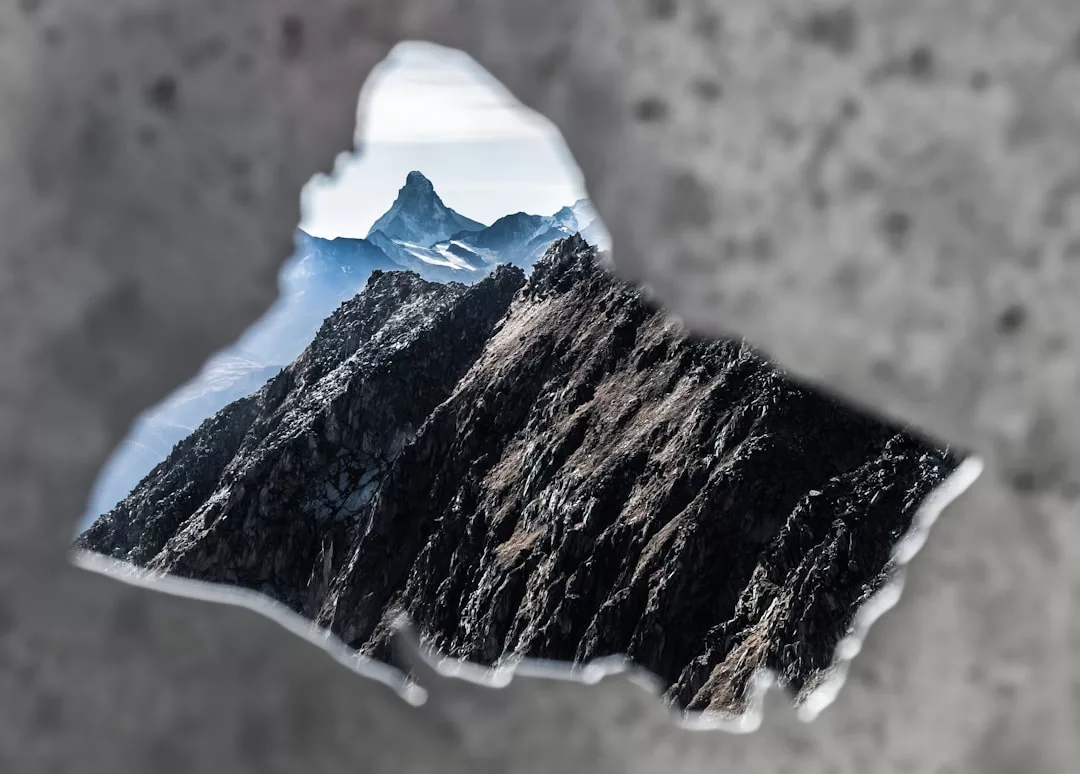
Beyond the physical benefits, hiking offers profound mental health advantages. The act of immersing oneself in nature has been linked to reduced stress levels and improved mood.
The sights and sounds of nature, from rustling leaves to chirping birds, create a calming atmosphere that fosters relaxation and mindfulness. Additionally, the sense of accomplishment that comes from completing a challenging hike can boost self-esteem and provide a feeling of achievement. This combination of physical exertion and mental rejuvenation makes hiking an ideal activity for those seeking to enhance their overall well-being.
Key Takeaways
- Hiking offers physical benefits such as improved cardiovascular health and mental benefits like stress reduction and a sense of accomplishment.
- When choosing a hiking trail, it’s important to consider your skill level and interests, from easy nature walks to challenging mountain climbs.
- Essential gear for hiking includes proper footwear, clothing, and navigation tools to ensure a safe and enjoyable experience.
- Safety tips for hiking include staying hydrated, packing emergency supplies, and being aware of wildlife and weather conditions.
- Hiking etiquette involves respecting nature, yielding to other hikers, and leaving no trace behind.
Choosing the Right Trail: Selecting the appropriate hiking trail is crucial for ensuring an enjoyable experience tailored to one’s skill level and interests. Beginners may find solace in easy nature walks that offer gentle slopes and well-marked paths, allowing them to build confidence without feeling overwhelmed. Trails in local parks or nature reserves often provide a perfect introduction to hiking, featuring scenic views and opportunities for wildlife observation.
For those with more experience, moderate trails present a chance to challenge oneself while still being manageable. These trails may include some elevation gain or rocky terrain, providing a balance between difficulty and accessibility.
For seasoned hikers, challenging mountain climbs can offer an exhilarating adventure. These trails often require advanced skills, such as navigation and endurance, as they may involve steep ascents or rugged landscapes. It’s essential to research the trail’s difficulty level, length, and elevation gain before embarking on a hike.
Online resources, such as hiking forums and trail databases, can provide valuable insights into trail conditions and user experiences. Additionally, considering personal interests, such as scenic vistas, waterfalls, or historical landmarks, can enhance the hiking experience by aligning it with what one finds most enjoyable.
Essential Gear for Hiking: Proper gear is fundamental to ensuring a safe and enjoyable hiking experience. Footwear is perhaps the most critical component; investing in high-quality hiking boots or shoes can make a significant difference in comfort and support. Hiking footwear should provide adequate traction, cushioning, and ankle support to navigate various terrains effectively.
Additionally, wearing moisture-wicking socks can help prevent blisters and keep feet dry during long hikes.
Clothing choices also play a vital role in hiking comfort. Layering is key; wearing moisture-wicking base layers, insulating mid-layers, and waterproof outer layers allows hikers to adapt to changing weather conditions. A wide-brimmed hat and sunglasses can protect against sun exposure, while gloves and thermal layers are essential for colder climates.
Beyond clothing, navigation tools such as maps, compasses, or GPS devices are indispensable for staying on course. A well-stocked backpack should also include essentials like first aid kits, snacks, water bottles or hydration systems, and emergency supplies to ensure preparedness for any situation that may arise on the trail.
Safety Tips for Hiking: Safety should always be a top priority when embarking on a hiking adventure. Staying hydrated is crucial; hikers should aim to drink water regularly throughout their trek, especially in warmer weather or at higher altitudes where dehydration can occur more rapidly. Carrying enough water or a reliable water filtration system is essential for longer hikes where water sources may be scarce.
Packing emergency supplies is another critical aspect of hiking safety. A well-equipped first aid kit can address minor injuries such as cuts or sprains, while items like a whistle, flashlight, and multi-tool can be invaluable in case of emergencies. Additionally, being aware of wildlife encounters is vital; understanding how to react when encountering animals such as bears or snakes can prevent dangerous situations.
Monitoring weather conditions before and during the hike is equally important; sudden changes in weather can pose risks such as hypothermia or heat exhaustion.
Hiking Etiquette: Understanding hiking etiquette is essential for fostering a respectful and enjoyable environment on the trails.
One of the fundamental rules is to respect nature by staying on designated paths and avoiding trampling vegetation. This practice helps preserve ecosystems and minimizes human impact on natural habitats.Additionally, hikers should practice Leave No Trace principles by packing out all trash and minimizing their footprint on the environment.
Yielding to other hikers is another important aspect of trail etiquette. When encountering others on narrow paths, it’s courteous for those traveling uphill to have the right of way, as they are often exerting more effort. Furthermore, maintaining a reasonable noise level allows everyone to enjoy the tranquility of nature without disturbances.
If hiking with pets, keeping them leashed and under control is essential for the safety of both the pet and other trail users.
Planning a Hiking Trip: A successful hiking trip requires careful planning and preparation. Choosing the right time of year is crucial; different seasons offer unique experiences on the trails. Spring may bring blooming wildflowers and mild temperatures, while fall showcases vibrant foliage.
Researching the trail beforehand is equally important; understanding its length, difficulty level, and any potential hazards can help hikers prepare adequately.
Creating a detailed itinerary can enhance the overall experience by providing structure to the trip. This itinerary should include estimated start and end times, rest breaks, and points of interest along the way. Sharing this plan with someone who isn’t joining the hike adds an extra layer of safety in case of emergencies.
Additionally, checking local regulations regarding permits or fees can prevent unexpected surprises upon arrival at the trailhead.
Exploring National Parks: National parks offer some of the most breathtaking landscapes for hiking enthusiasts.
The Grand Canyon National Park is renowned for its awe-inspiring vistas and diverse trails that cater to various skill levels. The Bright Angel Trail provides a challenging descent into the canyon with stunning views along the way, while the Rim Trail offers a more leisurely experience with panoramic overlooks.Yosemite National Park is another iconic destination known for its majestic granite cliffs and cascading waterfalls. Trails like the Mist Trail lead hikers past Vernal Fall and Nevada Fall, offering both beauty and challenge. For those seeking unique geological formations, Zion National Park presents opportunities to hike through slot canyons like The Narrows or ascend to breathtaking viewpoints such as Angels Landing.
Hiking with Kids: Introducing children to hiking can be a rewarding experience that fosters a love for nature and outdoor activity from an early age. To keep kids engaged on the trail, it’s essential to choose shorter hikes with interesting features such as streams, wildlife sightings, or unique rock formations that capture their attention. Incorporating games like scavenger hunts or nature bingo can make the hike more interactive and fun.
Safety is paramount when hiking with children; ensuring they wear appropriate footwear and clothing is crucial for their comfort and protection. Teaching them basic trail etiquette, such as staying on paths and respecting wildlife, instills good habits early on. Frequent breaks for snacks or rest can help maintain energy levels and enthusiasm throughout the hike.
Solo Hiking: Solo hiking offers a unique opportunity for introspection and connection with nature that many find deeply fulfilling. The solitude allows hikers to set their own pace and immerse themselves fully in their surroundings without distractions from others. This experience can lead to heightened awareness of one’s thoughts and feelings while fostering a sense of independence.
However, solo hiking also necessitates heightened safety precautions. Informing someone about your planned route and expected return time is crucial in case of emergencies. Carrying essential gear such as navigation tools, first aid supplies, and adequate food and water becomes even more critical when venturing alone into remote areas.
Hiking for Fitness: Transforming hiking into a fitness regimen involves setting specific goals and gradually increasing intensity over time. Incorporating interval training by alternating between fast-paced walking and slower recovery periods can enhance cardiovascular fitness while building endurance. Adding weight through a backpack filled with gear or water bottles can also increase resistance during hikes.
Tracking progress through apps or fitness devices allows hikers to monitor improvements in distance covered or elevation gained over time. Setting achievable milestones, such as completing a certain number of miles each week or tackling progressively challenging trails, can provide motivation while fostering a sense of accomplishment.
Using hiking as a form of meditation allows individuals to disconnect from daily stressors while reconnecting with nature’s beauty. Observing wildlife or appreciating intricate details in plants fosters gratitude and mindfulness that extends beyond the trail into everyday life. By embracing this approach, hikers can cultivate a deeper appreciation for both their physical journey and the natural world around them.
More in
More from Travel

Travel · 9 min
Exploring the Ultimate Culinary Experience
The ultimate culinary experience transcends mere sustenance; it is an intricate tapestry woven from flavors, aromas, textures, and visual appeal. This…

Travel · 11 min
Exploring the Best of Paris: A 3-Day Itinerary
The first day in Paris is often a whirlwind of excitement and discovery, as travelers set out to explore the city’s most iconic landmarks. Starting at…

Travel · 8 min
Mastering the Art of Skiing: Tips for Perfecting Your Technique
Selecting the appropriate skiing equipment is a fundamental step for both beginners and seasoned skiers alike. The right gear not only enhances perfor…