Travel · Travel
Exploring the World: Overland Travel Adventures
Overland travel is not merely a means of reaching a destination; it is an exhilarating journey that invites adventurers to immerse themselves in the landscapes, cultures, and exper…
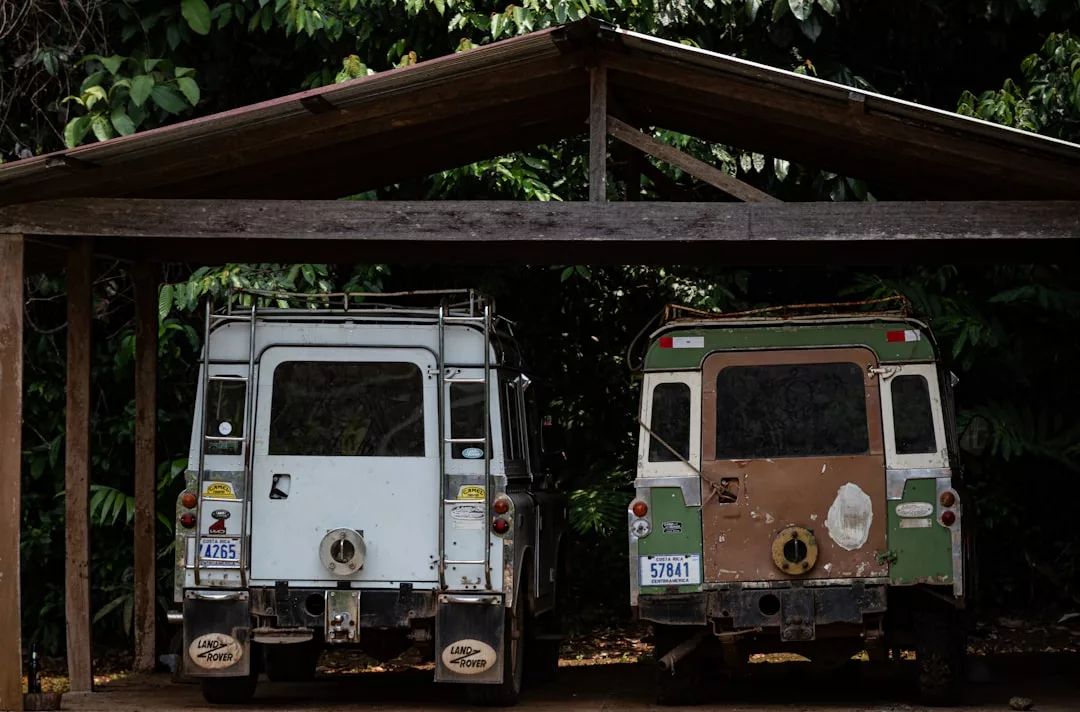
Overland travel is not merely a means of reaching a destination; it is an exhilarating journey that invites adventurers to immerse themselves in the landscapes, cultures, and experiences that unfold along the way. The thrill lies in the unpredictability of the road, where every twist and turn can lead to unexpected discoveries. Whether traversing rugged mountains, vast deserts, or lush forests, overland travel offers a unique opportunity to connect with nature and oneself.
The sense of freedom that comes from navigating remote paths, often far removed from the hustle and bustle of urban life, is invigorating. Each mile traveled becomes a story waiting to be told, filled with encounters that enrich the soul. The essence of overland travel is rooted in exploration and adventure.
It encourages travelers to step outside their comfort zones and embrace the unknown. The journey itself becomes a canvas for personal growth, as individuals learn to adapt to changing environments and circumstances. From setting up camp under a starlit sky to navigating through challenging terrains, every experience contributes to a deeper understanding of the world and one’s place within it.
This spirit of adventure fosters resilience and adaptability, qualities that are invaluable not only on the road but in everyday life as well.
Key Takeaways
- Embrace the journey: Overland travel is about the experience, not just the destination
- Choose the right vehicle: Consider size, terrain, and durability when selecting a vehicle for overland adventures
- Pack essential gear: Items like a reliable GPS, recovery gear, and emergency supplies are crucial for overland travel
- Plan your route: Research and prepare for your journey to ensure a successful overland adventure
- Respect the environment and communities: Follow etiquette and safety precautions to minimize impact and show respect for local cultures and wildlife
Choosing the Right Vehicle for Overland Adventures
Selecting the appropriate vehicle for overland travel is a critical decision that can significantly impact the overall experience. The ideal vehicle should be capable of handling diverse terrains while providing comfort and reliability.
For instance, vehicles like the Toyota Land Cruiser or Jeep Wrangler are popular choices due to their off-road capabilities and durability. These vehicles are equipped with features such as high ground clearance, robust suspension systems, and four-wheel drive, making them well-suited for tackling challenging landscapes. In addition to off-road capabilities, potential overlanders must consider factors such as fuel efficiency, storage capacity, and living space.
A vehicle that allows for ample storage of gear and supplies is essential for extended journeys. For example, many travelers opt for vehicles with roof racks or trailers to accommodate camping equipment, food supplies, and other necessities. Furthermore, comfort features such as spacious interiors and comfortable seating can enhance the travel experience, especially during long drives.
Ultimately, the right vehicle should align with the traveler’s specific needs and preferences, ensuring a smooth and enjoyable journey.
Essential Gear and Equipment for Overland Travel
Equipping oneself with the right gear is paramount for a successful overland adventure. Essential equipment includes camping gear such as tents, sleeping bags, and cooking supplies. A high-quality tent that can withstand various weather conditions is crucial for ensuring a comfortable night’s sleep in the great outdoors.
Additionally, sleeping bags rated for different temperatures can provide warmth during chilly nights in remote locations. Cooking supplies should include portable stoves, cookware, and utensils that allow travelers to prepare meals on the go. A well-planned meal strategy can enhance the overall experience by providing nourishment and comfort during long days on the road.
Beyond camping essentials, safety gear is equally important. First aid kits should be comprehensive and tailored to address potential injuries or ailments encountered during travel. Items such as fire extinguishers, emergency blankets, and multi-tools can prove invaluable in unforeseen situations.
Additionally, navigation tools, whether GPS devices or traditional maps, are essential for ensuring travelers stay on course in unfamiliar territories. Communication devices like satellite phones or two-way radios can also enhance safety by providing a means of contact in remote areas where cell service may be unreliable. By investing in quality gear and equipment, travelers can focus on enjoying their journey while being prepared for any challenges that may arise.
Planning Your Route: Tips for a Successful Overland Journey
Effective route planning is a cornerstone of successful overland travel. While spontaneity is part of the adventure, having a general plan can help ensure that travelers make the most of their time on the road. Researching potential routes involves considering factors such as terrain types, weather conditions, and points of interest along the way.
Online resources, guidebooks, and forums dedicated to overland travel can provide valuable insights into popular routes and hidden gems that may not be widely known. When planning a route, it’s also essential to factor in rest stops and fuel availability. Remote areas may lack access to gas stations or amenities, so identifying reliable sources of fuel and food along the journey is crucial.
Additionally, travelers should be mindful of local regulations regarding camping and off-road driving to avoid potential fines or conflicts with land management agencies. Flexibility is key; while having a plan is important, being open to detours or changes can lead to unexpected adventures that enrich the overall experience.
Navigating Off-Road Terrain: Overcoming Challenges
Navigating off-road terrain presents unique challenges that require skill and confidence. Different types of landscapes, such as rocky paths, muddy trails, or sandy dunes, demand varying driving techniques. For instance, when traversing rocky terrain, maintaining momentum while carefully selecting tire placement can prevent getting stuck or damaging the vehicle.
In contrast, driving through mud requires a different approach; reducing tire pressure can increase traction while allowing the vehicle to float on top of soft ground. In addition to driving techniques, understanding vehicle dynamics is crucial for overcoming obstacles encountered on off-road adventures. Knowledge of how weight distribution affects traction can help drivers make informed decisions when tackling steep inclines or declines.
Moreover, using recovery gear such as winches or traction boards can assist in extricating a vehicle from difficult situations. Practicing these skills in controlled environments before embarking on an overland journey can build confidence and prepare travelers for real-world challenges they may face on their adventures.
Embracing the Outdoors: Camping and Cooking on the Road
Camping is an integral part of overland travel that allows adventurers to fully immerse themselves in nature. Setting up camp in picturesque locations, whether beside a tranquil lake or atop a scenic overlook, creates lasting memories and fosters a deep connection with the environment. Choosing appropriate campsites involves considering factors such as accessibility, safety from wildlife, and proximity to water sources.
Many overlanders prefer dispersed camping in remote areas where they can enjoy solitude away from crowded campgrounds. Cooking while on the road adds another layer of enjoyment to the overland experience. Preparing meals outdoors encourages creativity and resourcefulness; travelers often find joy in cooking with limited ingredients using portable stoves or campfires.
Simple yet delicious meals can be crafted using fresh produce sourced from local markets or roadside stands encountered along the journey. Additionally, sharing meals around a campfire fosters camaraderie among fellow travelers and creates opportunities for storytelling under the stars.
Connecting with Local Cultures: Immersive Experiences
One of the most rewarding aspects of overland travel is the opportunity to connect with local cultures along the route. Engaging with communities provides insights into their traditions, customs, and ways of life that are often overlooked by conventional tourism. Travelers can participate in local festivals, visit artisan markets, or even volunteer with community projects to foster meaningful connections with residents.
These interactions not only enrich the travel experience but also promote cultural exchange and understanding. For example, spending time in rural villages allows travelers to learn about traditional crafts such as pottery or weaving directly from artisans who have honed their skills over generations. Sharing meals with local families offers a glimpse into culinary traditions while fostering friendships that transcend geographical boundaries.
Such immersive experiences create lasting memories and contribute to a more profound appreciation for the diversity of human experiences across different cultures.
Wildlife Encounters: Overland Travel and Conservation
Overland travel often brings adventurers into close proximity with wildlife in their natural habitats. Observing animals in the wild can be awe-inspiring; however, it also comes with responsibilities regarding conservation and ethical practices. Travelers should prioritize respectful wildlife viewing by maintaining safe distances and avoiding behaviors that could disturb animals or their habitats.
Understanding local wildlife regulations is essential for ensuring that encounters are safe for both travelers and animals alike. Moreover, overlanders have an opportunity to contribute positively to conservation efforts through responsible travel practices. Supporting eco-friendly lodges or participating in conservation programs can help protect fragile ecosystems while promoting sustainable tourism initiatives.
Engaging with local conservation organizations allows travelers to learn about ongoing efforts to preserve wildlife habitats and contribute financially through donations or volunteer work. By fostering a sense of stewardship towards nature during their journeys, overlanders can play an active role in protecting the environments they explore.
Overland Travel Etiquette: Respecting the Environment and Communities
Practicing good etiquette while traveling is vital for ensuring positive interactions with both nature and local communities. Overlanders should adhere to principles such as Leave No Trace, which emphasizes minimizing environmental impact by properly disposing of waste and respecting wildlife habitats.
Respecting local customs and traditions is equally important when engaging with communities along the route. Travelers should approach interactions with humility and openness while being mindful of cultural sensitivities. Learning basic phrases in the local language can go a long way in building rapport with residents and demonstrating respect for their culture.
Additionally, seeking permission before taking photographs of individuals or sacred sites shows consideration for local customs and fosters goodwill between travelers and communities.
Overland Travel Safety: Precautions and Emergency Preparedness
Safety should always be a top priority during overland travel. Preparing for potential emergencies involves thorough planning and equipping oneself with essential knowledge and tools. Travelers should familiarize themselves with basic first aid procedures and carry comprehensive first aid kits tailored to their specific needs.
Additionally, understanding how to handle vehicle breakdowns, such as changing tires or jump-starting batteries, can prevent minor issues from escalating into major problems. Emergency preparedness also includes having contingency plans in place for various scenarios such as getting lost or encountering severe weather conditions. Carrying extra food, water supplies, and fuel ensures that travelers are equipped to handle unexpected situations without panic.
Establishing communication protocols with friends or family members back home can provide peace of mind; sharing itineraries allows loved ones to track progress while ensuring someone knows where travelers are at all times.
The Rewards of Overland Travel: Unforgettable Memories and Life Lessons
The rewards of overland travel extend far beyond picturesque landscapes or thrilling adventures; they encompass personal growth and transformative experiences that shape one’s perspective on life. The challenges faced on the road foster resilience while encouraging adaptability, a mindset that proves invaluable both during travels and in everyday life situations. Each encounter with diverse cultures enriches understanding while cultivating empathy towards others’ experiences.
Moreover, overland travel creates lasting memories filled with laughter, camaraderie among fellow adventurers, and moments of solitude spent reflecting on life’s journey amidst nature’s beauty. These experiences often lead individuals to reevaluate their priorities upon returning home; many find themselves inspired to pursue new passions or advocate for environmental conservation efforts sparked by their travels. Ultimately, overland travel serves as a powerful reminder of life’s fleeting nature while encouraging individuals to embrace adventure wholeheartedly, transforming ordinary moments into extraordinary memories that resonate long after returning home.
More in
More from Travel

Travel · 9 min
Exploring the Ultimate Culinary Experience
The ultimate culinary experience transcends mere sustenance; it is an intricate tapestry woven from flavors, aromas, textures, and visual appeal. This…
Travel · 11 min
Exploring the Best of Paris: A 3-Day Itinerary
The first day in Paris is often a whirlwind of excitement and discovery, as travelers set out to explore the city’s most iconic landmarks. Starting at…

Travel · 8 min
Mastering the Art of Skiing: Tips for Perfecting Your Technique
Selecting the appropriate skiing equipment is a fundamental step for both beginners and seasoned skiers alike. The right gear not only enhances perfor…