Family · Family
Exploring the World: Preschooler Development
The preschool years, typically defined as ages three to five, represent a critical period in a child’s life characterized by rapid growth and development across multiple doma…
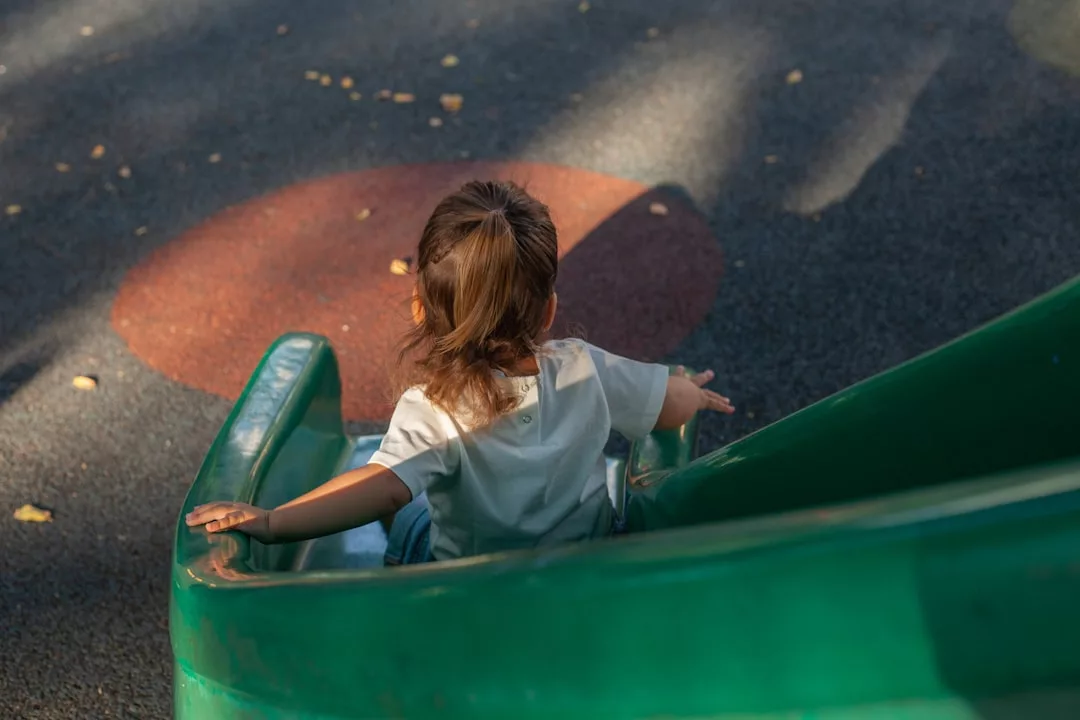
The preschool years, typically defined as ages three to five, represent a critical period in a child’s life characterized by rapid growth and development across multiple domains. During this time, children transition from the early stages of infancy and toddlerhood into a more complex understanding of themselves and the world around them. This developmental phase is marked by significant changes in physical, cognitive, social, emotional, and language skills.
Understanding these developmental milestones is essential for parents, educators, and caregivers to provide appropriate support and foster an environment conducive to healthy growth. As preschoolers engage with their surroundings, they begin to form their identities and develop foundational skills that will serve them throughout their lives. The interplay between various aspects of development is particularly pronounced during these years, as children learn through exploration and interaction.
This article delves into the multifaceted nature of preschooler development, examining the key areas that contribute to a child’s overall growth and well-being.
Key Takeaways
- Preschoolers experience rapid physical development, including growth in height, weight, and muscle strength.
- Cognitive development in preschoolers involves the ability to think logically, solve problems, and understand cause and effect.
- Social and emotional development in preschoolers includes learning to interact with others, express emotions, and develop empathy.
- Language development in preschoolers involves expanding vocabulary, understanding grammar, and using language to communicate effectively.
- Play and exploration are essential for preschoolers to learn about the world around them and develop important skills.
Physical Development in Preschoolers
Physical development in preschoolers encompasses a wide range of changes, including gross and fine motor skills. Gross motor skills involve larger movements that engage the arms, legs, and entire body. During the preschool years, children refine their abilities to run, jump, climb, and throw.
For instance, a typical three-year-old may be able to run with more coordination than a toddler, while a five-year-old often demonstrates improved balance and agility, allowing them to navigate playground equipment with confidence. Fine motor skills, on the other hand, involve smaller movements that require precision and control, such as grasping objects, drawing, and manipulating small items. Preschoolers begin to develop these skills through activities like coloring with crayons, building with blocks, or stringing beads.
By age four or five, many children can cut with scissors and write some letters of the alphabet. These physical milestones are not only crucial for daily tasks but also lay the groundwork for future academic skills such as writing and typing.
Cognitive Development in Preschoolers
Cognitive development during the preschool years is characterized by significant advancements in thinking, problem-solving, and understanding the world. Children begin to engage in symbolic play, where they use objects to represent other things, such as using a banana as a phone, which reflects their growing ability to think abstractly. This imaginative play is essential for cognitive growth as it encourages creativity and enhances problem-solving skills.
Moreover, preschoolers start to grasp basic concepts such as numbers, shapes, and colors. They may begin counting objects or recognizing patterns in their environment. For example, a child might sort blocks by color or size, demonstrating an understanding of categorization.
Additionally, preschoolers often ask questions about their surroundings, reflecting their curiosity and desire to learn. This inquisitive nature is vital for cognitive development as it drives them to seek answers and explore new ideas.
Social and Emotional Development in Preschoolers
Social and emotional development is a cornerstone of preschooler growth, as children learn to navigate relationships with peers and adults. During this stage, children begin to form friendships and understand social norms. They learn to share toys, take turns during games, and express their feelings verbally rather than through tantrums or physical actions.
For instance, a child who once grabbed a toy from a friend may learn to ask for it instead or wait until it is available. Emotional regulation also becomes more pronounced during these years. Preschoolers start to identify their emotions and those of others, which is crucial for developing empathy.
They may express joy when playing with friends or sadness when separated from a parent. For example, teaching a child to take deep breaths when upset can empower them to manage their emotions more effectively.
Language Development in Preschoolers
Language development is one of the most remarkable aspects of preschooler growth. During these years, children experience a vocabulary explosion; they go from using simple words and phrases to constructing more complex sentences. By age three, many children can use three- to four-word sentences, while by age five, they often speak in full sentences with appropriate grammar.
This linguistic progression allows them to express their thoughts and feelings more clearly. In addition to vocabulary expansion, preschoolers also begin to grasp the nuances of language such as tone, context, and humor. They enjoy storytelling and may create elaborate narratives during playtime.
Engaging in conversations with adults and peers further enhances their language skills as they learn new words and phrases through interaction. Reading books together is particularly beneficial; it not only introduces new vocabulary but also fosters a love for stories and literacy.
Play and Exploration in Preschoolers
Types of Play and Their Benefits
There are various types of play that contribute to different aspects of development: imaginative play allows children to role-play different scenarios; constructive play involves building or creating; and physical play promotes gross motor skills through activities like running or climbing.Exploration and Sensory Play
Exploration is equally important; preschoolers are naturally curious about the world around them. They may engage in sensory play by touching different textures or experimenting with water and sand. Such activities not only stimulate cognitive development but also enhance fine motor skills as they manipulate various materials.Developing Fine Motor Skills through Play
For example, playing with clay can improve hand strength while allowing for creative expression.Motor Skills Development in Preschoolers
Motor skills development is divided into two categories: gross motor skills and fine motor skills. Gross motor skills involve larger movements that require coordination of the whole body. During preschool years, children become more adept at running, jumping, hopping on one foot, and climbing stairs with alternating feet.
Activities such as playing tag or riding tricycles help strengthen these skills while promoting physical fitness. Fine motor skills focus on smaller movements that require precision and control. Preschoolers engage in activities like drawing, cutting with scissors, or threading beads that enhance dexterity and hand-eye coordination.
These skills are crucial for later tasks such as writing or using utensils during meals. For instance, a child who practices buttoning their shirt not only develops fine motor skills but also gains confidence in their ability to dress independently.
Independence and Self-Help Skills in Preschoolers
As preschoolers grow, they begin to assert their independence by taking on self-help tasks that promote autonomy. This can include dressing themselves, brushing their teeth, or helping with simple chores around the house. Encouraging children to participate in these activities fosters a sense of responsibility and self-sufficiency.
For example, allowing a child to choose their outfit can empower them while also teaching decision-making skills. Self-help skills also extend to personal care routines such as washing hands or preparing simple snacks. These tasks not only promote independence but also instill healthy habits that can last a lifetime.
Parents can support this development by providing opportunities for practice while offering guidance when necessary. Celebrating small successes, like successfully tying shoelaces, can further motivate children to embrace new challenges.
Creativity and Imagination in Preschoolers
Creativity flourishes during the preschool years as children engage in imaginative play and artistic expression. They often create elaborate scenarios during playtime, transforming a cardboard box into a spaceship or pretending to be superheroes saving the day. This imaginative play is crucial for cognitive development as it encourages problem-solving and critical thinking.
Artistic activities such as drawing, painting, or crafting also allow preschoolers to express themselves creatively. These activities not only enhance fine motor skills but also provide an outlet for emotions and ideas. For instance, a child may draw a picture depicting their family or create a collage representing their favorite things.
Such creative expressions help children process their experiences while fostering self-esteem and individuality.
Supporting Preschooler Development at Home
Supporting preschooler development at home involves creating an environment that nurtures growth across all domains, physical, cognitive, social-emotional, language, and creative development. Parents can facilitate this by providing age-appropriate toys that encourage exploration and learning. For example, building blocks can promote spatial awareness while puzzles enhance problem-solving skills.
Engaging in regular conversations with preschoolers is equally important; asking open-ended questions encourages critical thinking while expanding vocabulary. Reading together daily not only fosters language development but also strengthens the parent-child bond through shared experiences. Additionally, incorporating routines that promote self-help skills, such as involving children in meal preparation, can enhance independence while teaching valuable life lessons.
Nurturing Preschooler Development
Nurturing preschooler development requires a holistic approach that recognizes the interconnectedness of various developmental domains. By providing opportunities for physical activity, cognitive challenges, social interaction, language enrichment, creative expression, and self-help practice at home, caregivers can foster an environment where children thrive. Understanding the unique needs of preschoolers allows adults to support their growth effectively while celebrating each child’s individuality on their developmental journey.
More in
More from Family

Family · 9 min
Navigating Adolescence: Tips for Parents and Teens
Adolescence is a critical period of growth and transformation, marked by significant physical, emotional, and cognitive changes. This stage typically …

Family · 8 min
Breaking the Cycle: Confronting Domestic Violence
Domestic violence is a pervasive issue that transcends cultural, economic, and social boundaries. It encompasses a range of abusive behaviors that occ…

Family · 9 min
The Importance of Child Support for Single Parents
Single parenthood often brings with it a unique set of financial challenges that can significantly affect the quality of life for both the parent and …