Travel · Travel
Exploring Underwater Wonders: The Thrill of Snorkeling
Snorkeling is an exhilarating water activity that allows individuals to explore the underwater world while floating on the surface. It requires minimal equipment and is accessible …
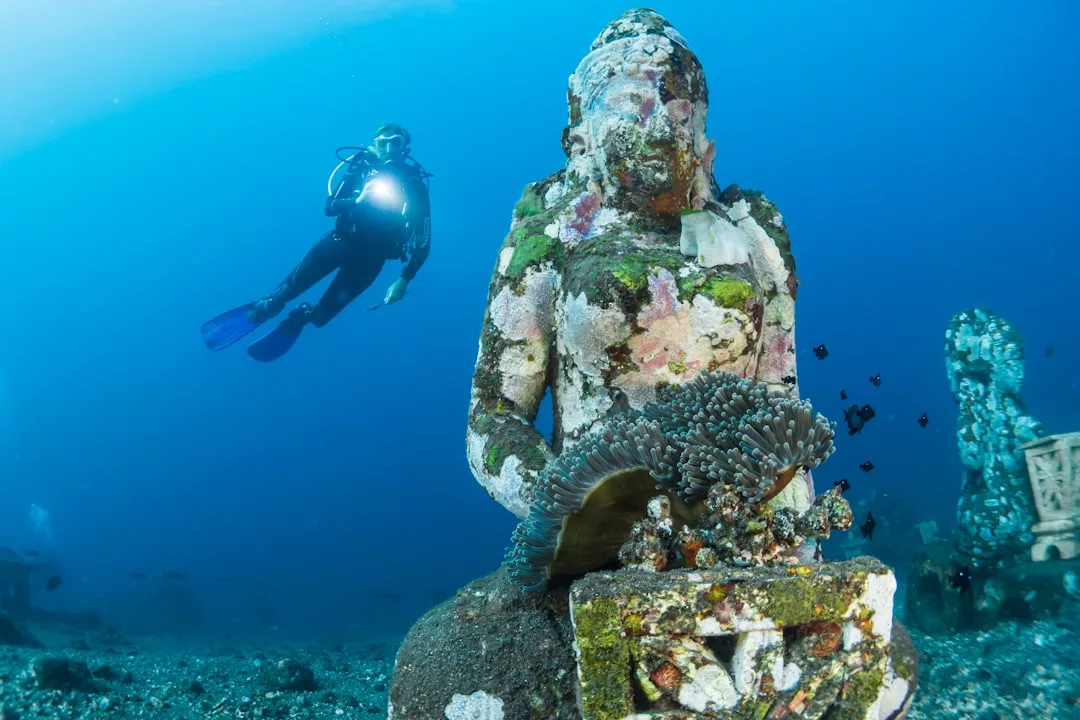
Snorkeling is an exhilarating water activity that allows individuals to explore the underwater world while floating on the surface. It requires minimal equipment and is accessible to people of all ages and skill levels. At its core, snorkeling involves using a mask, snorkel, and fins to observe marine life in shallow waters.
The snorkel, a tube that allows you to breathe while your face is submerged, is a key component that enables you to enjoy the sights without the need for cumbersome diving gear. Understanding the basic principles of snorkeling is essential for a safe and enjoyable experience. Before embarking on a snorkeling adventure, it is crucial to familiarize yourself with the environment you will be exploring.
This includes understanding water conditions, currents, and potential hazards such as sharp coral or marine life that may pose a risk. Additionally, knowing how to clear your snorkel of water and equalize pressure in your ears can enhance your comfort and safety while submerged. Snorkeling can be done in various locations, from tropical reefs teeming with colorful fish to serene lakes with clear visibility.
Regardless of the setting, preparation and knowledge are key to making the most of your snorkeling experience.
Key Takeaways
- Snorkeling requires basic swimming skills and knowledge of breathing techniques.
- Choose snorkeling gear that fits well and provides clear vision and easy breathing.
- Look for snorkeling spots with clear water, abundant marine life, and minimal currents.
- Prioritize safety by checking weather conditions, using a buddy system, and avoiding risky behaviors.
- Respect marine life by observing from a distance, avoiding touching or disturbing animals.
Choosing the Right Snorkeling Gear
Selecting the appropriate snorkeling gear is vital for both comfort and safety. The primary components of snorkeling gear include a mask, snorkel, and fins, each serving a specific purpose. A well-fitting mask is essential; it should create a watertight seal around your face while providing a clear view of the underwater landscape.
Masks come in various styles, including those with built-in snorkels or prescription lenses for those who require vision correction. Trying on different masks before purchasing can help ensure a proper fit, which is crucial for an enjoyable experience. The snorkel itself should be comfortable and easy to use.
Look for features such as a splash guard at the top to prevent water from entering when waves are present, and a purge valve at the bottom that allows for easy clearing of any water that may enter the tube. Fins are another important aspect of snorkeling gear; they help propel you through the water with minimal effort. Fins come in various sizes and styles, including open-heel and full-foot designs.
Choosing fins that fit well and allow for comfortable movement can significantly enhance your snorkeling experience.
Finding the Best Snorkeling Spots
Identifying prime snorkeling locations can greatly enhance your underwater exploration. Some of the best spots are found in tropical regions where coral reefs flourish, providing habitats for diverse marine life. Popular destinations include the Great Barrier Reef in Australia, the Caribbean islands, and the Red Sea in Egypt.
Each of these locations offers unique underwater ecosystems teeming with vibrant fish, corals, and other marine organisms. Researching local conditions, such as water temperature and visibility, can help you choose the best time to visit these sites. In addition to well-known destinations, many hidden gems exist that offer incredible snorkeling opportunities.
For instance, the cenotes in Mexico’s Yucatán Peninsula provide a unique experience with their crystal-clear waters and stunning geological formations. Similarly, coastal areas in Hawaii boast numerous snorkeling spots where you can encounter sea turtles and colorful reef fish. Local dive shops or tour operators often provide valuable insights into lesser-known locations that may not be on the typical tourist radar, allowing you to discover unspoiled underwater environments.
Safety Tips for Snorkeling
Safety should always be a top priority when snorkeling. Before entering the water, it is essential to assess the conditions and ensure they are suitable for your skill level. Strong currents or rough waves can pose significant risks, especially for inexperienced snorkelers.
Always check local weather reports and tide charts before heading out, as conditions can change rapidly. If you are unsure about the safety of a particular spot, consider seeking advice from local experts or guides who are familiar with the area. Another critical safety measure is to never snorkel alone.
Having a buddy not only enhances safety but also adds to the enjoyment of the experience as you can share discoveries and assist each other if needed. Additionally, wearing a flotation device can provide extra security, especially for those who may not be strong swimmers. It is also advisable to stay within designated snorkeling areas and avoid venturing too far from your group or boat.
By adhering to these safety tips, you can ensure a more secure and enjoyable snorkeling adventure.
Understanding Underwater Wildlife
One of the most captivating aspects of snorkeling is the opportunity to observe underwater wildlife in their natural habitats. Familiarizing yourself with common marine species can enhance your appreciation of the underwater world. Colorful reef fish such as clownfish, parrotfish, and angelfish are often found in coral reefs, while larger species like sea turtles and rays may also make an appearance.
Understanding the behaviors and characteristics of these creatures can enrich your experience as you encounter them during your snorkeling excursions. It is also important to recognize that many marine species are protected by law, and interacting with them can have negative consequences for both the wildlife and yourself. For example, touching coral can damage these delicate ecosystems, while feeding fish can alter their natural behaviors and disrupt local food chains.
Educating yourself about local regulations regarding marine life interaction is essential for responsible snorkeling practices. By respecting underwater wildlife and their habitats, you contribute to the preservation of these ecosystems for future generations.
The Benefits of Snorkeling for Your Health
Engaging in snorkeling offers numerous health benefits that extend beyond mere enjoyment of nature. As a low-impact activity, it provides an excellent cardiovascular workout while being gentle on the joints. Swimming against currents or simply paddling through the water helps improve cardiovascular fitness, builds endurance, and strengthens muscles throughout the body.
The resistance provided by water makes it an effective way to tone muscles without the strain associated with traditional land-based exercises. Moreover, snorkeling promotes mental well-being by allowing individuals to connect with nature and escape from daily stressors. The calming effect of being submerged in water can reduce anxiety levels and enhance overall mood.
Many snorkelers report feelings of tranquility and mindfulness while exploring underwater environments, which can lead to improved mental clarity and focus. Additionally, exposure to sunlight while snorkeling helps boost vitamin D levels, which is essential for bone health and immune function.
Capturing Underwater Moments: Photography Tips for Snorkeling
For those looking to document their snorkeling adventures, underwater photography presents unique challenges and opportunities. Capturing stunning images requires specific techniques tailored to underwater conditions. One essential tip is to invest in a quality waterproof camera or housing that allows you to take clear photos without risking damage from water exposure.
Many modern cameras come equipped with features designed specifically for underwater photography, such as enhanced color correction settings that compensate for the loss of color at depth. When photographing marine life, patience is key. Many creatures are skittish and may swim away if approached too quickly. Additionally, using natural light effectively can enhance your images; shooting during midday when sunlight penetrates deeper into the water can yield vibrant colors and clearer visibility. Experimenting with angles and perspectives can also add depth to your photos, creating captivating images that showcase the beauty of underwater life.
Exploring Shipwrecks and Underwater Ruins
Snorkeling offers a unique opportunity to explore shipwrecks and underwater ruins that tell stories of history and adventure beneath the waves. Many popular snorkeling destinations feature accessible wrecks that have become artificial reefs over time, attracting diverse marine life while providing fascinating sites for exploration. For instance, the USS Kittiwake off Grand Cayman Island is a well-preserved wreck that divers and snorkelers alike can explore safely.
These underwater sites not only provide thrilling experiences but also serve as important habitats for marine organisms. Coral growth on wrecks creates vibrant ecosystems that support various fish species and other marine life forms. When exploring such sites, it is crucial to approach them with respect; touching or disturbing artifacts can damage both the wreck itself and its surrounding environment.
Understanding the historical significance of these sites enhances appreciation for their preservation while allowing snorkelers to engage with history in an immersive way.
Snorkeling Etiquette: How to Respect Marine Life
Practicing proper etiquette while snorkeling is essential for ensuring both personal safety and environmental conservation. One fundamental rule is to avoid touching or disturbing marine life; many species are sensitive to human interaction, which can lead to stress or injury. Additionally, stepping on coral or other delicate organisms can cause irreparable damage to these vital ecosystems.
Maintaining a respectful distance from wildlife allows them to thrive undisturbed while providing you with an opportunity to observe their natural behaviors. Another important aspect of snorkeling etiquette involves being mindful of your surroundings and fellow snorkelers. Avoid creating excessive noise or splashing that could disturb marine life or disrupt others’ experiences in the water.
If you are part of a group, staying close together helps minimize disturbance to wildlife while ensuring everyone’s safety. By adhering to these principles of etiquette, you contribute positively to the underwater environment while fostering a culture of respect among fellow snorkelers.
Overcoming Common Snorkeling Challenges
While snorkeling is generally accessible and enjoyable, several challenges may arise during your adventures that require preparation and adaptability. One common issue is dealing with anxiety or discomfort while submerged; this can be particularly prevalent among novice snorkelers who may feel claustrophobic or overwhelmed by being underwater. Practicing breathing techniques before entering the water can help alleviate anxiety; focusing on slow, deep breaths promotes relaxation and confidence.
Another challenge involves navigating varying water conditions such as currents or waves that may affect visibility or stability while snorkeling. Understanding how to read water conditions before entering can help you choose safer times for exploration; if conditions appear rough or unpredictable, it may be wise to postpone your outing until calmer weather prevails. Additionally, wearing appropriate gear such as fins designed for stability can aid in maneuvering through challenging waters more effectively.
The Future of Snorkeling: Conservation and Sustainability Efforts
As interest in snorkeling continues to grow globally, so does awareness regarding its impact on marine ecosystems. Conservation efforts aimed at protecting fragile environments are becoming increasingly important as more individuals seek out these experiences. Organizations dedicated to marine conservation work tirelessly to educate snorkelers about responsible practices that minimize harm while promoting sustainable tourism initiatives that benefit local communities.
Innovative approaches such as eco-friendly snorkeling tours are gaining traction; these tours emphasize environmental education alongside exploration by incorporating practices like reef cleanups or guided experiences led by knowledgeable marine biologists. As awareness surrounding conservation efforts continues to grow within the snorkeling community, it fosters a culture of responsibility that prioritizes sustainability alongside enjoyment of our planet’s incredible underwater treasures.
More in
More from Travel

Travel · 9 min
Exploring the Ultimate Culinary Experience
The ultimate culinary experience transcends mere sustenance; it is an intricate tapestry woven from flavors, aromas, textures, and visual appeal. This…

Travel · 11 min
Exploring the Best of Paris: A 3-Day Itinerary
The first day in Paris is often a whirlwind of excitement and discovery, as travelers set out to explore the city’s most iconic landmarks. Starting at…

Travel · 8 min
Mastering the Art of Skiing: Tips for Perfecting Your Technique
Selecting the appropriate skiing equipment is a fundamental step for both beginners and seasoned skiers alike. The right gear not only enhances perfor…