Mallorca · Mallorca
Exploring Valldemossa: Cultural Heritage Tours in the Mountain Village
Nestled in the Tramuntana mountain range of Mallorca, Valldemossa is a picturesque village that captivates visitors with its stunning landscapes and rich cultural heritage. Known f…
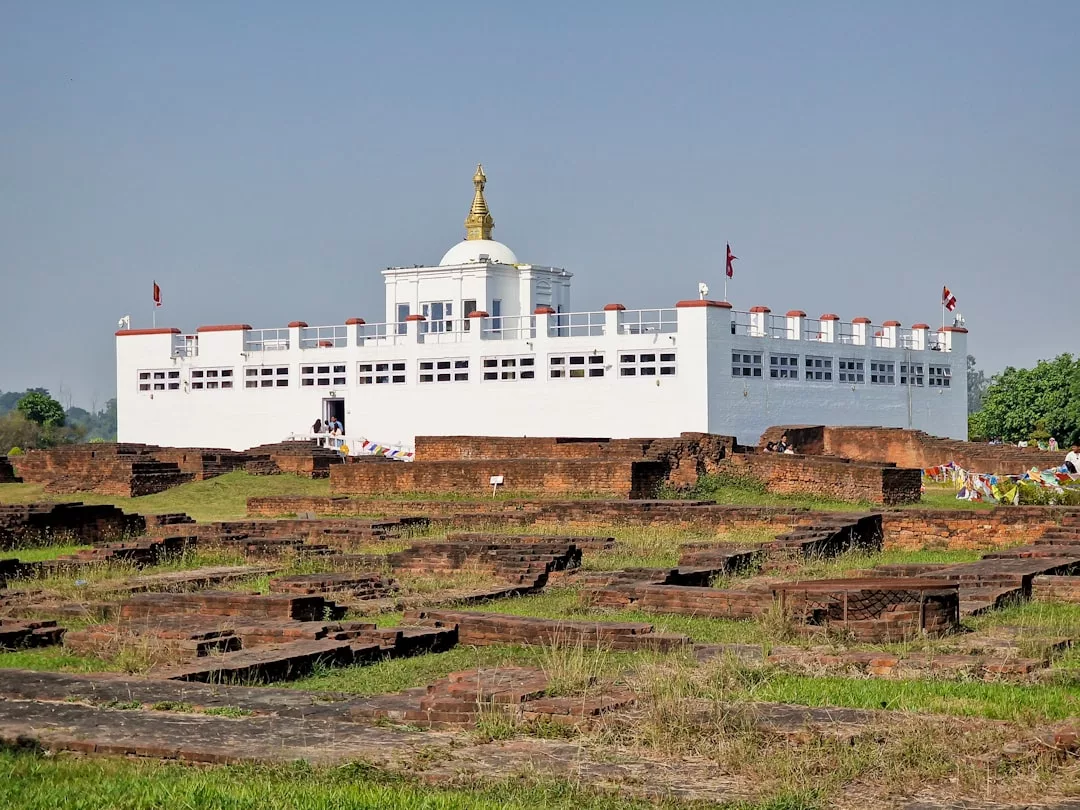
Nestled in the Tramuntana mountain range of Mallorca, Valldemossa is a picturesque village that captivates visitors with its stunning landscapes and rich cultural heritage. Known for its cobblestone streets, charming stone houses adorned with vibrant bougainvillea, and breathtaking views of the surrounding mountains, Valldemossa offers a unique blend of natural beauty and historical significance.
Valldemossa’s allure lies in its ability to transport visitors back in time. The village’s architecture reflects a blend of Gothic and Moorish influences, showcasing the diverse cultural tapestry that has shaped its identity over centuries.
This enchanting village is not just a place to visit; it is an experience that engages the senses and invites reflection on the rich history and culture that define Valldemossa.
Key Takeaways
- Valldemossa is a charming village located in the Tramuntana mountains of Mallorca, known for its rich cultural heritage and natural beauty.
- The history of Valldemossa dates back to the 14th century, with influences from various civilizations including the Moors, Christians, and Catalans.
- Cultural landmarks in Valldemossa include the Royal Carthusian Monastery, where Frederic Chopin and George Sand famously stayed, and the Costa Nord Cultural Center.
- Valldemossa has inspired many artists and writers, including the composer Frederic Chopin and the writer George Sand, who captured the village’s beauty in their works.
- The village hosts various music festivals and traditional celebrations throughout the year, such as the Festival of Saint Bartholomew and the Night of the Arts, showcasing local talent and traditions.
The History of Valldemossa
The history of Valldemossa is as intricate as its winding streets. The village’s origins can be traced back to the 13th century when it was established by the Moors, who left an indelible mark on the region’s architecture and agricultural practices. Following the Christian conquest of Mallorca in 1229, Valldemossa underwent significant transformations, with the construction of churches and monasteries that reflected the changing religious landscape.
The most notable of these is the Charterhouse of Valldemossa, a former monastery founded in 1399, which became a refuge for monks and later served as a residence for notable figures. One of the most significant events in Valldemossa’s history occurred in the 19th century when the famous composer Frédéric Chopin and his lover, writer George Sand, spent a winter in the village. Their stay at the Charterhouse has become legendary, inspiring countless artists and writers who followed in their footsteps.
The couple’s time in Valldemossa was marked by both creativity and turmoil, as they grappled with personal struggles while surrounded by the village’s serene beauty. This chapter in Valldemossa’s history has left an enduring legacy, attracting visitors who seek to connect with the artistic spirit that once flourished within its walls.
Cultural Landmarks in Valldemossa
Valldemossa is home to several cultural landmarks that reflect its rich history and artistic heritage. The Charterhouse of Valldemossa stands as a testament to the village’s monastic past, with its stunning architecture and tranquil gardens offering a glimpse into the lives of the monks who once inhabited it. Visitors can explore the various rooms of the monastery, including the cell where Chopin composed some of his most famous works.
The museum housed within the Charterhouse showcases artifacts related to Chopin and Sand, providing insight into their lives during their stay in Valldemossa. Another significant landmark is the Church of Saint Bartomeu, which dominates the village’s skyline with its striking bell tower. This Gothic-style church dates back to the 13th century and features beautiful altarpieces and intricate chapels that reflect the artistic styles of different periods.
The church is not only a place of worship but also a cultural hub where local events and celebrations take place throughout the year. Its historical significance and architectural beauty make it a focal point for both residents and visitors alike.
Art and Literature in Valldemossa
Valldemossa has long been a source of inspiration for artists and writers drawn to its idyllic landscapes and rich cultural heritage. The village’s connection to Frédéric Chopin and George Sand has solidified its reputation as a haven for creativity. Chopin’s time in Valldemossa resulted in some of his most poignant compositions, including his Nocturnes and Preludes, which were influenced by the serene surroundings and his emotional struggles during that winter.
The couple’s relationship also inspired Sand’s literary works, which often explored themes of love, nature, and artistic expression. Beyond Chopin and Sand, Valldemossa has attracted numerous artists over the years, including painters, poets, and sculptors who have sought to capture its beauty through their work. The village hosts various art exhibitions and workshops that celebrate local talent while also inviting artists from around the world to showcase their creations.
This vibrant artistic community continues to thrive, ensuring that Valldemossa remains a focal point for those passionate about art and literature.
Music and Festivals in Valldemossa
Music plays an integral role in Valldemossa’s cultural landscape, with numerous festivals celebrating both local traditions and international influences. One of the most notable events is the Chopin Festival, held annually in honor of the composer’s legacy. This festival attracts musicians from around the globe who perform Chopin’s works in various venues throughout the village, including the Charterhouse itself.
The festival not only pays tribute to Chopin but also fosters a sense of community among music lovers who gather to appreciate classical music in a breathtaking setting. In addition to classical music events, Valldemossa hosts traditional Mallorcan festivals that showcase local customs and folklore. The Feast of Saint Bartomeu, celebrated in August, features lively processions, traditional dances, and culinary delights that bring together residents and visitors alike.
These festivals provide an opportunity for locals to share their heritage while allowing tourists to immerse themselves in the vibrant culture of Valldemossa.
Culinary Delights in Valldemossa
The culinary scene in Valldemossa is as rich as its history, offering visitors a taste of traditional Mallorcan cuisine infused with local flavors. One of the village’s most famous delicacies is “coca de patata,” a soft pastry often enjoyed with coffee or hot chocolate. This sweet treat is a staple at local bakeries, where it is freshly made each day.
Visitors can indulge in this delightful pastry while soaking in the charming atmosphere of Valldemossa’s quaint cafes. In addition to pastries, Valldemossa boasts a variety of restaurants that serve traditional Mallorcan dishes made from locally sourced ingredients. Dishes such as “tumbet,” a vegetable casserole layered with potatoes and eggplant, showcase the island’s agricultural bounty.
Many restaurants also offer outdoor seating where diners can enjoy their meals while taking in stunning views of the surrounding mountains and valleys. The culinary offerings in Valldemossa reflect not only the island’s rich agricultural heritage but also its commitment to preserving traditional recipes passed down through generations.
Traditional Crafts and Workshops in Valldemossa
Valldemossa is home to a vibrant community of artisans who continue to practice traditional crafts that have been passed down through generations. Visitors can explore workshops where skilled craftsmen create handmade pottery, textiles, and jewelry using techniques that have remained unchanged for centuries. These workshops often welcome visitors for demonstrations or hands-on experiences, allowing them to engage with local artisans and gain insight into their craft.
One particularly notable craft is “esparto grass weaving,” a traditional technique used to create baskets, mats, and other functional items from local grasses. Artisans meticulously harvest and process esparto grass before weaving it into intricate designs that reflect both utility and artistry. Workshops dedicated to this craft not only preserve an important aspect of Mallorcan culture but also provide visitors with unique souvenirs that embody the spirit of Valldemossa.
Natural Beauty and Outdoor Activities in Valldemossa
The natural beauty surrounding Valldemossa is nothing short of breathtaking, making it an ideal destination for outdoor enthusiasts. The Tramuntana mountain range offers numerous hiking trails that cater to various skill levels, allowing visitors to explore stunning landscapes filled with lush greenery, rocky cliffs, and panoramic views of the Mediterranean Sea. One popular trail leads from Valldemossa to Deia, offering hikers an opportunity to experience both villages while enjoying the diverse flora and fauna along the way.
In addition to hiking, outdoor activities such as cycling and rock climbing are also popular among visitors seeking adventure. The region’s varied terrain provides ample opportunities for exploration, whether it be through leisurely bike rides along scenic routes or challenging climbs on rugged cliffs. For those who prefer a more relaxed experience, leisurely strolls through olive groves or picnicking in one of the many parks allow visitors to connect with nature while soaking up the tranquil atmosphere that defines Valldemossa.
Guided Tours and Cultural Experiences in Valldemossa
To fully appreciate all that Valldemossa has to offer, many visitors opt for guided tours that provide deeper insights into the village’s history and culture. Knowledgeable guides lead tours through key landmarks such as the Charterhouse and Saint Bartomeu Church while sharing fascinating stories about their significance. These tours often include visits to local artisan workshops where participants can witness traditional crafts being made firsthand.
Cultural experiences extend beyond guided tours; cooking classes are also popular among those looking to immerse themselves in Mallorcan cuisine. Participants learn how to prepare traditional dishes using fresh local ingredients while gaining insight into culinary techniques unique to the region. These hands-on experiences not only foster a deeper understanding of Valldemossa’s culinary heritage but also create lasting memories for those who partake.
Local Traditions and Customs in Valldemossa
Valldemossa is steeped in local traditions that reflect its rich cultural heritage. One such tradition is “La Beata,” celebrated annually on January 28th in honor of Saint Bartomeu’s feast day. This event features processions through the village accompanied by music, dance, and traditional costumes worn by locals who take pride in their heritage.
The celebration fosters a sense of community among residents while inviting visitors to partake in this vibrant display of culture. Another cherished custom is “Fira de la Tardor,” or Autumn Fair, held each October to celebrate local produce and crafts. This fair showcases seasonal fruits, vegetables, artisanal products, and traditional dishes prepared by local chefs.
Visitors can sample delicious treats while enjoying live music performances and engaging with artisans showcasing their crafts. Such events not only highlight Valldemossa’s agricultural bounty but also strengthen community bonds through shared experiences.
Preserving Valldemossa’s Cultural Heritage
As tourism continues to grow in popularity within Valldemossa, efforts are being made to preserve its cultural heritage for future generations. Local organizations work tirelessly to promote awareness about traditional crafts, culinary practices, and historical landmarks while encouraging sustainable tourism practices that respect both residents’ way of life and the environment. Educational programs aimed at schools emphasize the importance of cultural preservation by teaching students about their heritage through hands-on experiences such as workshops or field trips to historical sites within their community.
By instilling pride in their cultural identity from an early age, these initiatives ensure that future generations will continue to cherish and uphold Valldemossa’s unique traditions while welcoming visitors eager to experience its beauty firsthand. Valldemossa stands as a testament to Mallorca’s rich history and vibrant culture, a place where past meets present amidst stunning natural landscapes. Through its historical landmarks, artistic endeavors, culinary delights, traditional crafts, outdoor adventures, guided experiences, local customs, and ongoing efforts toward preservation, Valldemossa invites all who visit to immerse themselves fully into this enchanting village’s story while creating memories that will last long after they leave its cobblestone streets behind.
More in
More from Mallorca
Mallorca · 8 min
Premium Real Estate Advisory for Palma Property Purchases
In the complex world of real estate, having a knowledgeable advisor can make a significant difference in the buying or selling process. Real estate ad…
Mallorca · 7 min
Discover the Hiking Pilgrimage to Lluc Monastery
The significance of Lluc Monastery extends beyond its religious importance; it has played a crucial role in preserving Mallorcan culture and tradition…
Mallorca · 8 min
Exclusive Sunset Visits to Caves Del Hams in Porto Cristo
Nestled on the eastern coast of Mallorca, the Caves Del Hams are a breathtaking natural wonder that draws visitors from around the globe. Located near…