Family · Family
Exploring Your Family Roots with Ancestry
Family history serves as a vital link between generations, providing individuals with a sense of identity and belonging. It is not merely a collection of names and dates; rather, i…
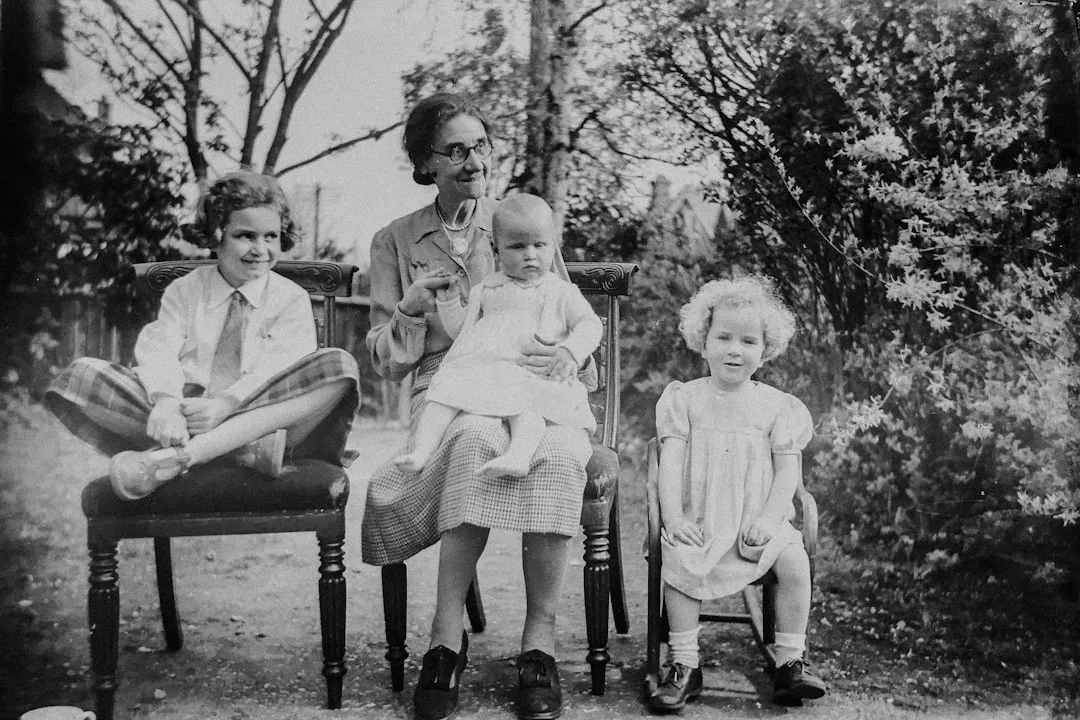
Family history serves as a vital link between generations, providing individuals with a sense of identity and belonging. It is not merely a collection of names and dates; rather, it encapsulates the stories, struggles, and triumphs of those who came before us. Understanding one’s family history can foster a deeper appreciation for cultural heritage and personal identity.
For many, it is a way to honor ancestors who faced adversity, made sacrifices, or contributed to the community in meaningful ways. This connection to the past can instill pride and motivate individuals to carry forward the values and traditions that have been passed down through generations. Moreover, delving into family history can have profound implications for personal health and well-being.
Knowledge of hereditary conditions or diseases prevalent in one’s lineage can empower individuals to make informed decisions about their health. For instance, understanding that certain cancers or genetic disorders run in the family can prompt proactive measures such as regular screenings or lifestyle changes. Thus, family history is not just a narrative of the past; it is a crucial component of one’s present and future, influencing everything from personal identity to health awareness.
Key Takeaways
- Understanding the Importance of Family History:
- Family history provides a sense of identity and belonging.
- It helps to understand health risks and genetic traits.
- It preserves cultural traditions and stories for future generations.
- Getting Started with Ancestry Research:
- Start with what you know and work backwards.
- Gather documents, photos, and stories from relatives.
- Use online resources and genealogy software to organize information.
- Exploring Ancestry’s Database and Resources:
- Ancestry offers a vast collection of historical records and documents.
- Access census records, immigration records, and military records.
- Utilize family trees and DNA matching to connect with others.
- Building Your Family Tree:
- Organize information systematically, starting with yourself.
- Verify and cross-reference information for accuracy.
- Include photos and stories to bring your family tree to life.
- Connecting with Living Relatives:
- Reach out to relatives for interviews and information.
- Use social media and genealogy websites to connect with distant relatives.
- Share your findings and collaborate on family history research.
- Discovering Your Ethnicity and Heritage:
- DNA testing can provide insights into your ethnic background.
- Explore migration patterns and historical context for your ancestors.
- Embrace the diversity and richness of your heritage.
- Uncovering Family Stories and Traditions:
- Document oral histories and family traditions.
- Preserve recipes, customs, and cultural practices.
- Share these stories to keep them alive for future generations.
- Overcoming Challenges in Ancestry Research:
- Be prepared for missing or conflicting information.
- Use alternative sources and creative research methods.
- Seek help from genealogy experts and online communities.
- Using DNA Testing for Genealogical Research:
- DNA testing can confirm relationships and uncover surprises.
- Understand the limitations and privacy concerns of DNA testing.
- Use DNA matches to expand your family tree and connect with relatives.
- Preserving and Sharing Your Family History:
- Digitize and store documents and photos for future generations.
- Create a family history book or website to share with relatives.
- Encourage family members to contribute and continue the legacy.
- Embracing the Journey of Ancestry Exploration:
- Enjoy the process of discovery and learning about your roots.
- Connect with your heritage and celebrate your family’s story.
- Pass on the importance of family history to future generations.
Getting Started with Ancestry Research
Embarking on the journey of ancestry research can be both exhilarating and daunting. The first step typically involves gathering information from immediate family members. Conversations with parents, grandparents, and other relatives can yield invaluable insights into family lore, names, and places that may not be documented elsewhere.
It is essential to ask open-ended questions that encourage storytelling, as these narratives often contain clues that can lead to further research. Recording these conversations, whether through audio or written notes, ensures that precious memories are preserved for future reference. Once initial information is collected, the next step is to organize it systematically.
Creating a basic family tree can help visualize relationships and identify gaps in knowledge. Various online tools and software are available to assist in this process, allowing users to input data easily and track their lineage over time. Additionally, it is beneficial to establish a timeline of significant events in the family’s history, such as migrations, marriages, and births.
This timeline can serve as a roadmap for further exploration and help contextualize the family’s journey through different historical periods.
Exploring Ancestry’s Database and Resources
With a foundational understanding of one’s family history in place, the next phase involves exploring the vast array of resources available for ancestry research. Online platforms like Ancestry.com provide access to an extensive database of records, including census data, military records, immigration documents, and more. These resources can be instrumental in tracing lineage and uncovering previously unknown relatives.
For instance, census records can reveal household compositions at various points in time, while immigration documents may provide insights into when ancestors arrived in a new country and their reasons for doing so. In addition to official records, many online platforms also offer user-generated content such as family trees created by other members. These trees can serve as a valuable resource for connecting with distant relatives or discovering new branches of the family tree.
However, it is crucial to approach this information with a critical eye, verifying facts through primary sources whenever possible. Engaging with online forums and communities dedicated to genealogy can also enhance the research experience, providing support and advice from fellow enthusiasts who share similar interests.
Building Your Family Tree
Constructing a family tree is an essential aspect of ancestry research that allows individuals to visualize their lineage and understand familial connections more clearly. This process often begins with oneself at the base of the tree and branches outwards to include parents, grandparents, great-grandparents, and beyond. As researchers delve deeper into their ancestry, they may uncover fascinating stories about each ancestor that enrich the family narrative.
For example, discovering that a great-grandparent was a pioneer in their field or played a significant role in local history can add depth to one’s understanding of family legacy. In building a family tree, it is important to document not only names and dates but also personal stories and anecdotes associated with each individual. This practice transforms a simple genealogical chart into a rich tapestry of family history that can be shared with future generations.
Many online platforms offer tools that allow users to attach photos, documents, and narratives to each individual in their tree, creating a comprehensive record that goes beyond mere statistics. This multi-dimensional approach ensures that the essence of each ancestor is preserved alongside their vital information.
Connecting with Living Relatives
Ancestry research often leads to unexpected connections with living relatives who share common ancestors. Reaching out to these relatives can be an enriching experience that adds another layer to one’s understanding of family history. Social media platforms and genealogy websites often facilitate these connections by allowing users to search for relatives based on shared ancestry.
Engaging with living relatives can provide firsthand accounts of family stories that may not be documented elsewhere, offering unique perspectives on shared heritage. When connecting with living relatives, it is essential to approach these interactions with sensitivity and respect for privacy. Some individuals may be hesitant to share personal information or may have differing views on family history.
Establishing rapport through shared interests or mutual connections can help ease any apprehensions.
Discovering Your Ethnicity and Heritage
Understanding one’s ethnicity and heritage is an integral part of ancestry research that can illuminate cultural backgrounds and traditions. Many individuals are curious about their ethnic roots and how they fit into the broader tapestry of human history. Online DNA testing services have gained popularity as a means of uncovering ethnic backgrounds by analyzing genetic markers inherited from ancestors.
These tests can reveal surprising connections to different regions or populations around the world, often challenging preconceived notions about one’s heritage. For example, researching immigration patterns can shed light on why certain ancestors left their homeland and settled in new territories.
Understanding cultural practices associated with specific ethnicities can also enrich one’s appreciation for family traditions and values. This exploration often leads individuals to embrace aspects of their heritage that they may not have previously considered significant.
Uncovering Family Stories and Traditions
Family stories are the heartbeats of ancestry research; they breathe life into names and dates by providing context and emotion. These narratives often encompass tales of resilience, love, hardship, and triumph that shape familial identity across generations. Engaging with older relatives can yield rich stories about significant events or everyday life that may not be captured in official records.
For instance, recounting how an ancestor overcame adversity during a historical crisis or sharing cherished holiday traditions can create a vivid picture of family life throughout the years. Preserving these stories is crucial for future generations who may seek to understand their roots. Recording oral histories through interviews or creating written accounts ensures that these narratives are not lost over time.
Additionally, incorporating family traditions into modern life, such as celebrating cultural holidays or preparing traditional recipes, can help keep these stories alive while fostering a sense of continuity within the family unit.
Overcoming Challenges in Ancestry Research
Ancestry research is not without its challenges; researchers often encounter obstacles such as incomplete records, name changes, or cultural barriers that complicate their search for information. Historical records may be damaged or lost due to natural disasters or wars, making it difficult to trace lineage accurately. Additionally, common surnames can lead to confusion when trying to distinguish between individuals with similar names across different regions or time periods.
To navigate these challenges effectively, researchers must adopt a flexible mindset and employ creative problem-solving strategies. Utilizing alternative sources such as local archives, church records, or historical societies can provide valuable insights when official documents are lacking. Networking with other genealogists through online forums or local genealogy clubs can also offer support and guidance in overcoming specific hurdles encountered during research.
Using DNA Testing for Genealogical Research
DNA testing has revolutionized the field of genealogy by providing an innovative tool for uncovering ancestral connections that traditional research methods may overlook. By analyzing genetic markers inherited from ancestors, individuals can gain insights into their ethnic backgrounds and identify potential relatives who share common DNA segments. This technology has made it possible for people to connect with distant cousins they may never have discovered through conventional means.
However, while DNA testing offers exciting possibilities for genealogical research, it also raises ethical considerations regarding privacy and data security. Individuals must carefully consider how their genetic information will be used and shared by testing companies before participating in such services. Additionally, interpreting DNA results requires caution; genetic connections do not always equate to direct familial relationships due to complex factors such as adoptions or non-paternity events throughout history.
Preserving and Sharing Your Family History
Once the journey of ancestry research has yielded valuable insights into family history, preserving this information becomes paramount. Creating physical or digital archives that compile documents, photographs, stories, and other artifacts ensures that future generations have access to their heritage. Many families choose to create scrapbooks or digital presentations that showcase their findings in an engaging manner while highlighting key moments in their lineage.
Sharing family history with relatives can foster a sense of unity and pride within the family unit. Organizing family gatherings where stories are shared or creating newsletters that update relatives on ongoing research efforts can keep everyone connected to their roots. Additionally, utilizing social media platforms dedicated to genealogy allows individuals to share discoveries with a broader audience while connecting with others who share similar interests in ancestry exploration.
Embracing the Journey of Ancestry Exploration
The journey of ancestry exploration is often as significant as the discoveries made along the way. Each step taken, whether it involves sifting through old records or engaging in conversations with relatives, contributes to a deeper understanding of one’s identity and heritage. Embracing this journey means recognizing that genealogy is not merely about finding names on a chart; it is about connecting with the past in meaningful ways that resonate with the present.
As researchers delve into their ancestry, they may encounter unexpected revelations that challenge preconceived notions about their lineage or cultural identity. These moments of discovery can lead to personal growth and transformation as individuals reflect on how their ancestors’ experiences shape their own lives today. Ultimately, embracing the journey of ancestry exploration fosters a profound appreciation for the intricate tapestry of human history while celebrating the unique stories that define each individual’s heritage.
More in
More from Family

Family · 9 min
Navigating Adolescence: Tips for Parents and Teens
Adolescence is a critical period of growth and transformation, marked by significant physical, emotional, and cognitive changes. This stage typically …

Family · 8 min
Breaking the Cycle: Confronting Domestic Violence
Domestic violence is a pervasive issue that transcends cultural, economic, and social boundaries. It encompasses a range of abusive behaviors that occ…

Family · 9 min
The Importance of Child Support for Single Parents
Single parenthood often brings with it a unique set of financial challenges that can significantly affect the quality of life for both the parent and …