Travel · Travel
Finding Peace: The Power of a Spiritual Retreat
In our fast-paced, technology-driven world, the need for spiritual retreats has never been more pressing. These retreats offer individuals a sanctuary away from the incessant noise…
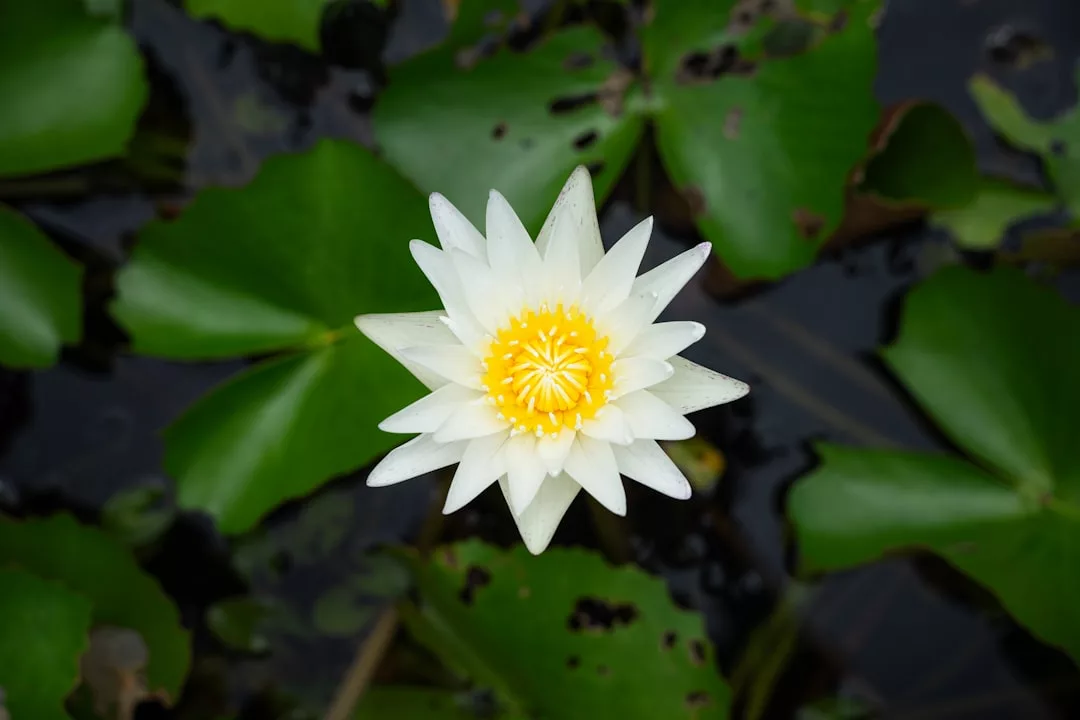
In our fast-paced, technology-driven world, the need for spiritual retreats has never been more pressing. These retreats offer individuals a sanctuary away from the incessant noise of daily life, allowing for a deep dive into self-exploration and spiritual growth. The act of stepping away from the hustle and bustle provides a unique opportunity to disconnect from external distractions and reconnect with one’s inner self.
This intentional withdrawal can lead to profound insights and a renewed sense of purpose, making it an essential practice for anyone seeking to enhance their spiritual journey. Moreover, spiritual retreats often create a space where individuals can engage in practices that foster personal development and emotional healing. Whether through guided meditations, yoga sessions, or contemplative silence, these experiences encourage participants to reflect on their lives, beliefs, and aspirations.
The collective energy of a group retreat can amplify these benefits, as shared experiences often lead to deeper connections and insights. By prioritizing time for spiritual retreats, individuals can cultivate a more meaningful existence, grounded in self-awareness and connection to something greater than themselves.
Key Takeaways
- Taking time for spiritual retreats is important for overall well-being and personal growth.
- Meditation can help in finding inner peace and clarity, reducing stress and anxiety.
- Connecting with nature and the universe can lead to spiritual renewal and a sense of interconnectedness.
- Mindfulness practices can help in letting go of stress and anxiety, promoting mental and emotional well-being.
- Silence and solitude have healing power and can provide a space for self-reflection and personal growth.
Finding Inner Peace and Clarity Through Meditation
Meditation serves as a cornerstone of many spiritual retreats, providing participants with tools to cultivate inner peace and clarity. This practice encourages individuals to turn their attention inward, fostering a state of mindfulness that allows for greater awareness of thoughts and emotions. As one engages in meditation, the chaotic chatter of the mind begins to quiet, revealing a profound stillness that can be both comforting and enlightening.
This stillness is not merely the absence of noise; it is an active engagement with the present moment, where clarity emerges from the depths of consciousness. The benefits of meditation extend beyond the retreat setting. Regular practice can lead to improved emotional regulation, reduced stress levels, and enhanced focus.
For instance, studies have shown that individuals who meditate consistently report lower levels of anxiety and depression. During a retreat, participants often experience a heightened sense of connection to their breath and body, which can lead to transformative realizations about their lives. This newfound clarity can illuminate paths forward that may have previously seemed obscured by the complexities of daily existence.
Connecting with Nature and the Universe for Spiritual Renewal
Nature has long been recognized as a powerful catalyst for spiritual renewal. Many retreats are held in serene natural settings, mountains, forests, or by the sea, where participants can immerse themselves in the beauty and tranquility of the environment. This connection to nature fosters a sense of belonging to something larger than oneself, often leading to profound spiritual experiences.
The sights, sounds, and smells of the natural world can evoke feelings of awe and wonder, reminding individuals of the interconnectedness of all life. Engaging with nature during a retreat can also facilitate deep reflection and introspection. For example, walking barefoot on grass or meditating by a flowing river can ground participants in the present moment, allowing them to release worries and distractions.
The rhythmic sounds of nature, birds chirping, leaves rustling, can serve as a backdrop for contemplation, encouraging individuals to explore their thoughts and feelings more deeply. This communion with the natural world not only rejuvenates the spirit but also reinforces the understanding that we are part of a vast universe, rich with possibilities.
Letting Go of Stress and Anxiety Through Mindfulness Practices
Mindfulness practices are integral to many spiritual retreats, providing participants with effective tools to manage stress and anxiety. By cultivating an awareness of the present moment without judgment, individuals can learn to observe their thoughts and feelings rather than becoming entangled in them. This shift in perspective is crucial for letting go of negative thought patterns that contribute to stress.
Techniques such as mindful breathing or body scans can help participants anchor themselves in the here and now, creating a sense of calm amidst life’s challenges. During a retreat, participants often engage in various mindfulness exercises designed to deepen their practice. For instance, mindful eating encourages individuals to savor each bite, fostering appreciation for nourishment while promoting a sense of gratitude.
Similarly, mindful walking allows participants to connect with their surroundings while cultivating awareness of their movements. These practices not only reduce stress but also enhance overall well-being by promoting a more balanced approach to life’s ups and downs.
The Healing Power of Silence and Solitude
Silence and solitude are often overlooked yet profoundly healing aspects of spiritual retreats. In our modern world filled with constant stimulation and noise, taking time for silence can be transformative. Retreats frequently incorporate periods of silence where participants are encouraged to refrain from speaking or using electronic devices.
This intentional quietude allows individuals to turn inward, fostering self-reflection and deeper understanding. In silence, one can confront unresolved emotions or thoughts that may have been buried beneath the surface. The healing power of solitude cannot be underestimated; it provides an opportunity for individuals to reconnect with themselves on a fundamental level.
Many people find that in moments of solitude, they can access their innermost thoughts and feelings without external influences clouding their judgment. This process can lead to significant breakthroughs in personal understanding and emotional healing. For instance, someone grappling with grief may find clarity in solitude that allows them to process their emotions more fully, paving the way for acceptance and healing.
Cultivating Gratitude and Compassion Through Spiritual Retreats
Spiritual retreats often emphasize the cultivation of gratitude and compassion as essential components of personal growth. Engaging in practices that foster these qualities can profoundly impact one’s outlook on life. During retreats, participants may be guided through exercises designed to enhance feelings of gratitude, such as journaling about positive experiences or sharing stories of kindness with fellow attendees.
These practices help shift focus from what is lacking in life to what is abundant, fostering a sense of contentment and joy. Compassion is another vital aspect nurtured during retreats. Participants are often encouraged to extend compassion not only towards themselves but also towards others.
This may involve guided meditations focused on loving-kindness or group discussions centered around empathy and understanding. By cultivating compassion within a supportive community, individuals can learn to navigate their relationships with greater kindness and patience. This newfound perspective often extends beyond the retreat setting, influencing how participants interact with others in their daily lives.
Reconnecting with Your Higher Self and Purpose
One of the most profound aspects of attending a spiritual retreat is the opportunity to reconnect with one’s higher self and sense of purpose. In the midst of daily responsibilities and societal expectations, it is easy to lose sight of what truly matters. Retreats provide a sacred space where individuals can explore their values, passions, and aspirations without distraction.
Through guided reflections and activities designed to promote self-discovery, participants often gain insights into their true calling. This reconnection with one’s higher self can manifest in various ways, whether through creative expression, deep introspection, or engaging in meaningful conversations with fellow attendees. For example, someone may discover a passion for art or writing that had been dormant due to life’s demands.
Others may find clarity regarding career paths or personal relationships that align more closely with their authentic selves. By fostering this connection during a retreat, individuals can return home with renewed energy and direction.
Building a Supportive Community and Spiritual Network
Spiritual retreats often serve as fertile ground for building supportive communities and networks among like-minded individuals. The shared experience of embarking on a spiritual journey fosters connections that can last long after the retreat concludes. Participants often find solace in knowing they are not alone in their struggles or aspirations; this sense of camaraderie can be incredibly empowering.
Engaging in group activities, such as sharing circles or collaborative workshops, encourages vulnerability and openness, allowing participants to forge deep bonds. These connections can extend beyond the retreat itself, creating opportunities for ongoing support and collaboration in spiritual practices. Many attendees exchange contact information or join online groups to maintain these relationships.
This supportive network can provide encouragement during challenging times or serve as a source of inspiration for continued growth. By cultivating these connections during retreats, individuals create a community that nurtures their spiritual journeys long after they return to their everyday lives.
Embracing Self-Reflection and Personal Growth
Self-reflection is a cornerstone of personal growth, and spiritual retreats provide an ideal environment for this introspective work. Participants are often encouraged to engage in various reflective practices, such as journaling or guided meditations, that prompt them to examine their beliefs, behaviors, and aspirations critically. This process allows individuals to identify patterns that may no longer serve them while uncovering insights that can lead to transformative change.
The act of self-reflection during retreats often leads to significant breakthroughs in understanding oneself more deeply. For instance, someone may realize that they have been living according to societal expectations rather than their own desires.
By embracing self-reflection as part of the retreat experience, participants lay the groundwork for ongoing personal growth long after they leave the retreat setting.
Incorporating Spiritual Practices into Daily Life After a Retreat
The true value of a spiritual retreat lies not only in the experience itself but also in how individuals integrate those lessons into their daily lives afterward. Many participants leave retreats feeling inspired to incorporate new spiritual practices into their routines, whether through meditation, mindfulness exercises, or acts of gratitude. Establishing these practices as part of daily life helps maintain the sense of peace and clarity gained during the retreat. Others might implement mindfulness techniques throughout their day, such as taking mindful breaks at work or practicing gratitude before meals. By consciously integrating these practices into everyday life, individuals can sustain the transformative effects experienced during the retreat while continuing on their spiritual journey.
The Transformative Impact of Regular Spiritual Retreats on Overall Well-being
Engaging in regular spiritual retreats can have a profound impact on overall well-being, emotionally, mentally, and spiritually. The cumulative effects of these experiences often lead to enhanced resilience against life’s challenges while fostering a deeper connection with oneself and others. Participants frequently report increased levels of happiness, reduced stress levels, and improved relationships following multiple retreats.
Moreover, regular retreats provide ongoing opportunities for self-discovery and growth within a supportive community context. As individuals continue to explore their spirituality through these experiences, they often find themselves evolving in ways they never thought possible, embracing new perspectives on life while cultivating compassion for themselves and others. Ultimately, the transformative impact of regular spiritual retreats extends far beyond the individual; it ripples out into communities and relationships, creating a more compassionate world for all.
More in
More from Travel

Travel · 9 min
Exploring the Ultimate Culinary Experience
The ultimate culinary experience transcends mere sustenance; it is an intricate tapestry woven from flavors, aromas, textures, and visual appeal. This…

Travel · 11 min
Exploring the Best of Paris: A 3-Day Itinerary
The first day in Paris is often a whirlwind of excitement and discovery, as travelers set out to explore the city’s most iconic landmarks. Starting at…

Travel · 8 min
Mastering the Art of Skiing: Tips for Perfecting Your Technique
Selecting the appropriate skiing equipment is a fundamental step for both beginners and seasoned skiers alike. The right gear not only enhances perfor…