Gourmet Lifestyle: The Rise of Luxury Food & Wine Culture
Gourmet culture has roots that stretch back to ancient civilizations, where the appreciation for fine food and drink was often intertwined with social status and cultural identity.…
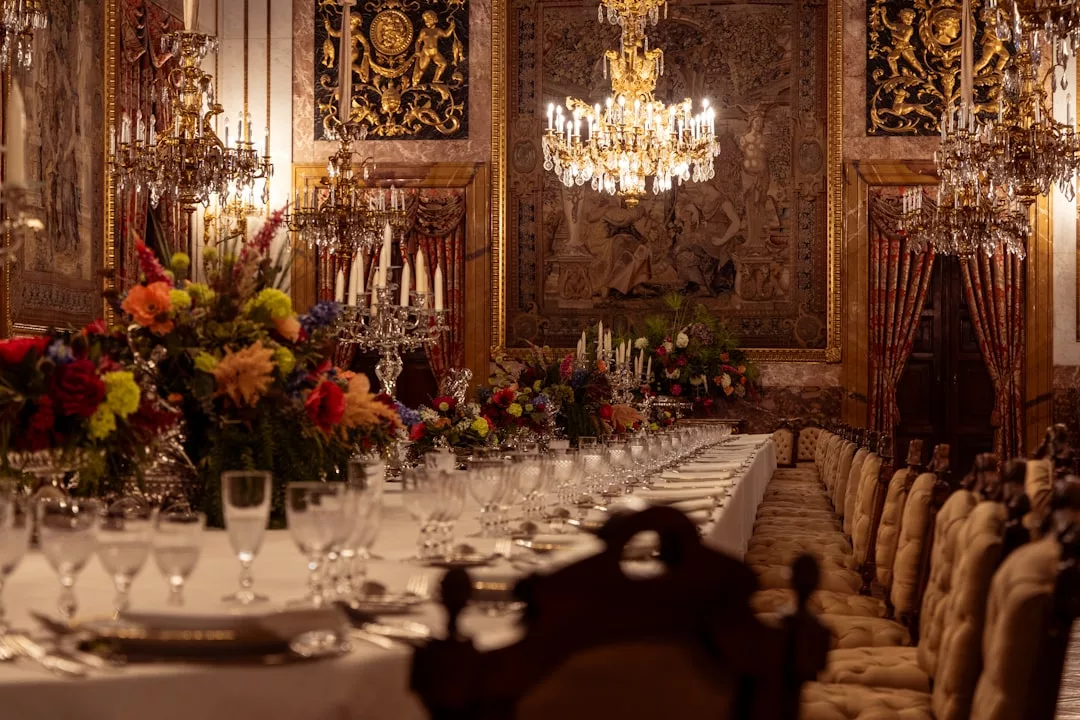
Gourmet culture has roots that stretch back to ancient civilizations, where the appreciation for fine food and drink was often intertwined with social status and cultural identity. In ancient Rome, for instance, lavish banquets were a hallmark of the elite, showcasing not only culinary skills but also the wealth and power of the host. Dishes were often elaborate, featuring exotic ingredients such as peacock, flamingo, and even dormice, which were prepared with intricate techniques.
The Romans placed a high value on the art of cooking, and their culinary practices laid the groundwork for future gourmet traditions. The use of spices, herbs, and sauces became a hallmark of Roman cuisine, influencing neighboring cultures and setting a precedent for the importance of flavor in gourmet cooking. As we move through history, the Middle Ages saw a shift in culinary practices, particularly in Europe.
The feudal system dictated that food was often a reflection of one’s social standing. Nobility enjoyed rich, spiced dishes, while peasants had to make do with simpler fare. However, the Renaissance marked a significant turning point in gourmet culture.
The period was characterized by a renewed interest in the arts and sciences, which extended to culinary practices. Cookbooks began to emerge, documenting recipes and techniques that emphasized the importance of presentation and flavor. This era also saw the rise of professional chefs who began to gain recognition for their skills, paving the way for the modern concept of gourmet cuisine.
Key Takeaways
- Gourmet culture has a rich history dating back to ancient times, evolving into modern day culinary experiences.
- Celebrity chefs and food critics have significantly influenced gourmet culture, shaping trends and setting standards.
- Fine dining has evolved from Michelin-starred restaurants to innovative pop-up dining experiences, catering to diverse preferences.
- Social media has played a pivotal role in popularizing gourmet food and wine, creating a platform for sharing and discovering culinary experiences.
- Gourmet cuisine intersects with art, showcasing creativity and expression through food, leading to unique dining experiences.
The Influence of Celebrity Chefs and Food Critics on Gourmet Culture
In contemporary society, celebrity chefs have become pivotal figures in shaping gourmet culture. Personalities like Julia Child, Gordon Ramsay, and Alice Waters have not only popularized gourmet cooking but have also transformed it into an accessible art form. Their television shows and cookbooks have demystified complex culinary techniques, encouraging home cooks to experiment with gourmet recipes.
This democratization of gourmet cooking has led to a surge in interest among the general public, who are now more willing to explore high-end ingredients and sophisticated cooking methods in their own kitchens. Food critics also play a crucial role in the evolution of gourmet culture. Their reviews can make or break a restaurant’s reputation, influencing diners’ choices and shaping culinary trends.
Publications like The New York Times and Michelin Guide have established rigorous standards for evaluating dining experiences, which has led to an increased focus on quality and innovation in the culinary world. Critics often highlight not just the taste of the food but also the overall dining experience, including ambiance, service, and presentation. This comprehensive approach has encouraged chefs to elevate their craft, resulting in a vibrant and competitive gourmet landscape.
The Evolution of Fine Dining: From Michelin-starred Restaurants to Pop-up Dining Experiences
Fine dining has undergone significant transformation over the years, evolving from traditional Michelin-starred establishments to more innovative dining experiences such as pop-up restaurants. Michelin stars have long been regarded as the pinnacle of culinary achievement, with chefs striving for recognition from this prestigious guide. The rigorous criteria for earning stars, exemplified by exceptional quality of ingredients, mastery of technique, and consistency, have set high standards within the industry.
However, as dining preferences shift towards more casual and experiential formats, many chefs are exploring alternative avenues to showcase their culinary artistry. Pop-up dining experiences have emerged as a response to this changing landscape. These temporary restaurants allow chefs to experiment with new concepts without the constraints of a permanent establishment.
They often feature unique themes or collaborations with other chefs, creating an atmosphere of excitement and exclusivity. For example, renowned chef David Chang has utilized pop-up formats to introduce innovative dishes that challenge traditional notions of fine dining. This evolution reflects a broader trend towards personalization and creativity in gourmet cuisine, where diners seek not just a meal but an immersive experience that engages all their senses.
The Role of Social Media in the Popularization of Gourmet Food and Wine
Social media has revolutionized how gourmet food is perceived and consumed. Platforms like Instagram and TikTok have become powerful tools for chefs and food enthusiasts alike to share visually stunning dishes with a global audience. The rise of food photography has elevated the importance of presentation in gourmet cuisine; dishes are now crafted not only for taste but also for their visual appeal.
This phenomenon has led to an explosion of interest in gourmet food as users seek out aesthetically pleasing meals that can be shared online. Moreover, social media has facilitated direct communication between chefs and their patrons. Chefs can showcase their culinary creations in real-time, engage with followers through live cooking demonstrations, and receive immediate feedback on their dishes.
This interaction fosters a sense of community among food lovers and encourages experimentation with gourmet recipes at home. Additionally, influencers have emerged as key players in promoting gourmet experiences, often collaborating with restaurants to create buzz around new menu items or special events. This dynamic relationship between social media and gourmet culture continues to shape dining trends and consumer preferences.
The Intersection of Art and Gourmet Cuisine: Food as an Expression of Creativity
Gourmet cuisine is increasingly recognized as a form of artistic expression, where chefs use food as their medium to convey creativity and innovation. The meticulous attention to detail in plating, flavor combinations, and ingredient selection reflects an artistic sensibility that transcends mere sustenance. Chefs like Grant Achatz and Ferran Adrià have pushed the boundaries of traditional cooking by incorporating elements of molecular gastronomy into their dishes.
Techniques such as spherification or foaming not only enhance flavors but also create visually striking presentations that challenge diners’ perceptions of food. This intersection of art and cuisine is further exemplified by themed dining experiences that draw inspiration from various artistic movements or cultural references.
For instance, some restaurants curate menus that reflect specific art styles or historical periods, inviting diners to engage with food on a deeper level.
This approach transforms dining into an immersive experience where each dish tells a story or evokes an emotion. As chefs continue to explore this creative frontier, gourmet cuisine becomes not just about nourishment but also about evoking feelings and sparking conversations through culinary artistry.
The Globalization of Gourmet Culture: Exploring International Flavors and Techniques
The globalization of gourmet culture has led to an unprecedented exchange of culinary traditions across borders. Chefs are increasingly drawing inspiration from diverse cuisines around the world, incorporating international flavors and techniques into their dishes. This fusion approach has resulted in innovative creations that celebrate cultural diversity while pushing the boundaries of traditional cooking.
For example, dishes like Korean tacos or sushi burritos exemplify how culinary influences can blend harmoniously to create something entirely new. Furthermore, globalization has facilitated access to ingredients that were once considered exotic or hard to find. Chefs can now source spices from India, seafood from Japan, or produce from local farms around the world, allowing them to experiment with flavors that reflect global influences.
This trend not only enriches the dining experience but also fosters cultural appreciation among diners who may be introduced to new tastes and traditions through gourmet cuisine.
The Economics of Gourmet Food and Wine: Understanding the Market for Luxury Culinary Experiences
The economics surrounding gourmet food and wine are complex and multifaceted. As consumer demand for luxury culinary experiences continues to rise, so too does the market for high-end dining establishments and premium products. Gourmet restaurants often command higher prices due to the quality of ingredients used, the skill required for preparation, and the overall dining experience provided.
This economic model is supported by a clientele willing to pay a premium for exceptional service and unique culinary offerings. Moreover, the wine industry plays a significant role in this economic landscape. Fine wines are often seen as luxury items that can appreciate in value over time, making them attractive investments for collectors and connoisseurs alike.
The interplay between gourmet food and wine creates opportunities for pairing experiences that enhance both elements’ appeal. As consumers become more discerning about their culinary choices, restaurants are increasingly curating wine lists that complement their menus while educating diners about the nuances of wine selection.
The Rise of Food and Wine Tourism: Exploring Destinations for Gourmet Travel
Food and wine tourism has gained immense popularity as travelers seek out destinations known for their culinary offerings. Regions like Tuscany in Italy or Napa Valley in California have become synonymous with gourmet experiences that celebrate local ingredients and traditional cooking methods. Tourists are drawn not only by the prospect of indulging in exquisite meals but also by the opportunity to learn about regional cuisines through cooking classes or vineyard tours.
This trend has led to the emergence of culinary festivals that showcase local chefs and producers while attracting visitors from around the globe. Events such as the Melbourne Food & Wine Festival or San Sebastián Gastronomika highlight the rich tapestry of flavors found within specific regions while promoting sustainable practices within the food industry. As travelers increasingly prioritize unique gastronomic experiences over traditional sightseeing, destinations are adapting their offerings to cater to this growing market.
The Art of Pairing: Understanding the Relationship Between Food and Wine
The art of pairing food with wine is a nuanced practice that enhances both elements’ enjoyment during a meal. Understanding how flavors interact is essential for creating harmonious combinations that elevate the dining experience. For instance, pairing a rich red wine with a hearty beef dish can enhance the flavors of both components; tannins in the wine can soften the meat’s richness while complementing its savory notes.
However, pairing is not solely about matching intensity; it also involves considering acidity, sweetness, and texture. A crisp white wine may be ideal alongside seafood due to its refreshing qualities that cut through richness while enhancing delicate flavors. Chefs often collaborate with sommeliers to curate wine pairings that reflect their culinary vision while providing diners with an educational experience about flavor profiles and regional specialties.
The Sustainability and Ethics of Gourmet Food and Wine Production
As awareness around sustainability grows within society, so too does scrutiny regarding gourmet food and wine production practices.
Consumers are increasingly concerned about where their food comes from and how it is produced; this has led many chefs and producers to adopt more ethical practices within their operations.
Sourcing ingredients locally reduces carbon footprints while supporting regional economies; many gourmet restaurants now prioritize farm-to-table approaches that emphasize seasonal produce.
In addition to sourcing practices, issues surrounding animal welfare have gained prominence within gourmet culture. Chefs are re-evaluating their meat sourcing methods by seeking out suppliers who adhere to humane treatment standards while promoting sustainable farming practices. Similarly, winemakers are exploring organic or biodynamic methods that minimize environmental impact while producing high-quality wines that reflect terroir.
The Future of Gourmet Culture: Trends and Innovations in Luxury Food and Wine
The future of gourmet culture is poised for continued evolution as trends emerge that reflect changing consumer preferences and technological advancements. One notable trend is the increasing focus on plant-based cuisine; as more individuals adopt vegetarian or vegan lifestyles for health or ethical reasons, chefs are innovating ways to create gourmet dishes that highlight vegetables as central components rather than mere accompaniments. Additionally, technology is playing an integral role in shaping future dining experiences; advancements such as augmented reality menus or interactive dining concepts are beginning to emerge within high-end establishments.
These innovations offer diners unique ways to engage with their meals while enhancing storytelling elements associated with each dish. As gourmet culture continues to adapt to societal shifts towards sustainability, inclusivity, and technological integration, it remains an ever-evolving landscape where creativity knows no bounds, ensuring that luxury culinary experiences will continue captivating palates around the world for generations to come.
FAQs
What is gourmet lifestyle?
Gourmet lifestyle refers to a way of living that emphasizes the enjoyment of high-quality, luxurious food and wine. It involves a deep appreciation for fine dining, exotic ingredients, and culinary experiences.
What is luxury food and wine culture?
Luxury food and wine culture is a trend that focuses on the consumption and appreciation of high-end, exclusive food and wine products. It involves seeking out rare and premium ingredients, as well as indulging in fine dining experiences and wine tastings.
What are some examples of luxury food and wine products?
Examples of luxury food and wine products include truffles, caviar, Kobe beef, foie gras, rare and aged wines, artisanal cheeses, and specialty chocolates. These products are often associated with high prices and exclusivity.
What are the factors contributing to the rise of gourmet lifestyle and luxury food and wine culture?
Factors contributing to the rise of gourmet lifestyle and luxury food and wine culture include increasing disposable incomes, a growing interest in culinary experiences, the influence of social media and food television, and a desire for unique and memorable dining experiences.
How does gourmet lifestyle and luxury food and wine culture impact the food industry?
Gourmet lifestyle and luxury food and wine culture have led to an increased demand for high-quality, premium food and wine products. This has influenced the offerings of restaurants, wineries, and food producers, as well as the development of new culinary experiences and luxury food and wine events.