Mallorca · Mallorca
Immerse in Mallorca’s Medieval Festivals with Cultural Cosplay Tours
Mallorca, the largest island in the Balearic archipelago, boasts a rich tapestry of history that is vividly reflected in its medieval festivals. These celebrations are not merely m…
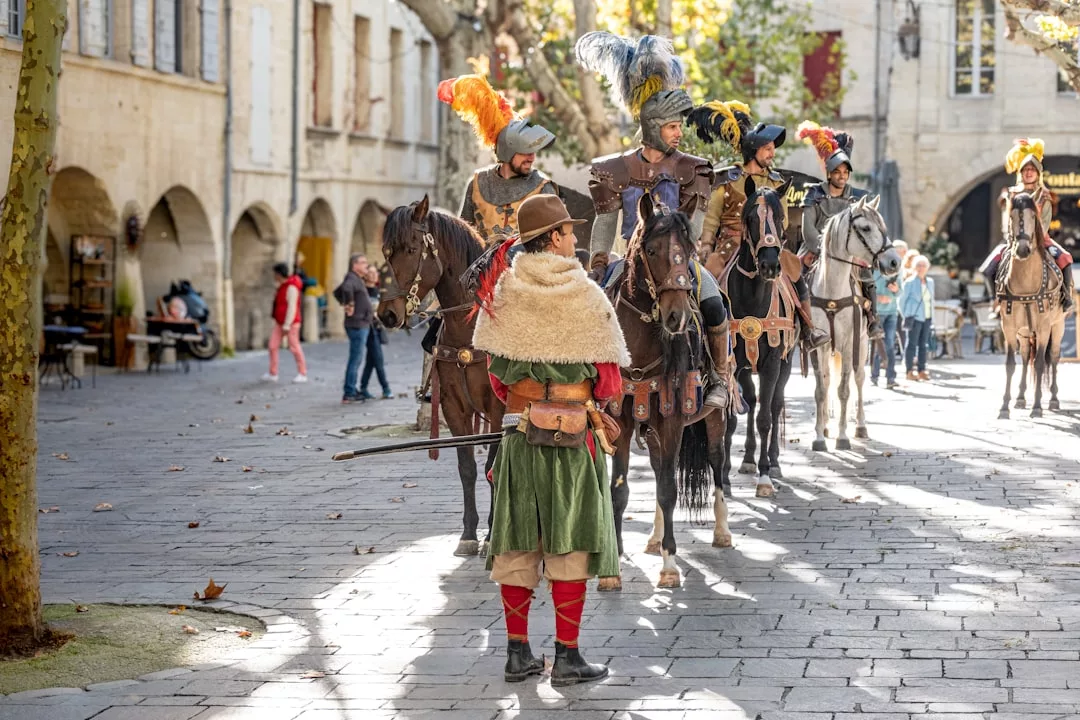
Mallorca, the largest island in the Balearic archipelago, boasts a rich tapestry of history that is vividly reflected in its medieval festivals. These celebrations are not merely modern-day recreations; they are rooted in the island’s complex past, which includes influences from various cultures such as the Romans, Moors, and Catalans. The medieval period, particularly from the 13th to the 15th centuries, was a time of significant transformation for Mallorca.
Following the conquest by King James I of Aragon in 1229, the island became a crucial part of the Crown of Aragon, leading to a flourishing of trade, culture, and architecture. This era saw the construction of impressive fortifications and churches, many of which still stand today and serve as backdrops for contemporary festivities. The medieval festivals in Mallorca often commemorate historical events or figures that shaped the island’s identity.
For instance, the “Fira de la Llampuga” celebrates the arrival of the dolphin fish, a staple in local cuisine, while also harking back to the maritime traditions that were vital to Mallorca’s economy. The festivals are characterized by vibrant parades, reenactments of historical battles, and traditional crafts that harken back to a time when life was intertwined with the rhythms of nature and community. These events serve not only as entertainment but also as a means of preserving and transmitting cultural heritage to future generations.
Key Takeaways
- Mallorca’s medieval festivals have a rich history dating back to the Middle Ages, with traditions and customs that have been passed down through generations.
- Cultural cosplay in Mallorca’s festivals is significant as it allows participants to immerse themselves in the historical and cultural aspects of the event, bringing the past to life.
- To prepare for a cultural cosplay tour in Mallorca, visitors should research the historical context of the festivals, invest in or create authentic costumes, and familiarize themselves with traditional customs and etiquette.
- The best medieval festivals to experience in Mallorca include the Moors and Christians Festival in Pollença, the Medieval Fair in Capdepera, and the Sant Jaume Festival in Alcúdia, among others.
- Mallorca’s medieval festivals have a significant impact on local communities, fostering a sense of pride in their heritage and providing economic opportunities through tourism and local artisanal crafts.
- Tourists can enhance their experience of Mallorca’s medieval festivals by participating in costume parades, sampling traditional foods and drinks, and attending historical reenactments and performances.
- Traditional music and dance play a vital role in Mallorca’s medieval festivals, with live performances and workshops allowing visitors to engage with the island’s cultural heritage.
- Exploring the culinary delights of Mallorca’s medieval festivals involves trying local specialties such as sobrassada, ensaïmada, and pa amb oli, as well as enjoying traditional feasts and banquets.
The significance of cultural cosplay in Mallorca’s festivals
Cultural cosplay plays a pivotal role in Mallorca’s medieval festivals, allowing participants to immerse themselves in the historical narratives that these events seek to portray. This practice involves dressing in period-appropriate costumes that reflect the attire of various social classes during the medieval era. From noblemen and women adorned in luxurious fabrics to peasants clad in simple garments, these costumes are meticulously crafted to ensure authenticity. Moreover, cultural cosplay serves as a form of storytelling that engages both participants and spectators. When individuals dress as historical figures or common folk from the past, they embody the stories and struggles of those who lived centuries ago.
This embodiment allows for a more profound understanding of historical events and societal norms of the time. For example, during the “Festa de Sant Joan,” participants may dress as knights or ladies, reenacting tales of chivalry and valor that resonate with themes of honor and bravery. Such performances not only entertain but also educate audiences about Mallorca’s rich heritage.
How to prepare for a cultural cosplay tour in Mallorca
Preparing for a cultural cosplay tour in Mallorca requires careful planning and attention to detail to ensure an authentic experience. First and foremost, research is essential. Understanding the historical context of the festivals you plan to attend will enhance your appreciation for the costumes and activities involved.
Familiarize yourself with key events, such as the “Fira Medieval de Capdepera,” which showcases medieval crafts and performances, or “La Patum de Berga,” where vibrant parades take place. Knowing the significance of these events will allow you to engage more meaningfully with the festivities. Costume preparation is another critical aspect of your tour.
If you wish to participate actively in cosplay, consider either renting or creating your own costume. Many local artisans offer rentals or custom designs that reflect authentic medieval styles. Pay attention to details such as fabric choice, accessories, and even footwear, as these elements contribute significantly to the overall authenticity of your portrayal.
Additionally, practicing traditional dances or learning about local customs can enhance your experience, allowing you to participate fully in communal activities during the festivals.
The best medieval festivals to experience in Mallorca
Mallorca hosts several medieval festivals throughout the year, each offering unique experiences that highlight different aspects of its rich history. One of the most notable is the “Fira Medieval de Capdepera,” held annually in October. This festival transforms the town into a bustling medieval market filled with artisans showcasing their crafts, street performers entertaining crowds, and food stalls offering traditional delicacies.
Visitors can witness jousting tournaments and theatrical performances that bring history to life, making it an ideal event for those interested in immersive experiences. Another significant festival is “La Festa de Sant Joan,” celebrated in June. This event marks the summer solstice and features bonfires, fireworks, and parades that evoke ancient pagan traditions intertwined with Christian customs.
Participants often dress in medieval attire, adding to the festive atmosphere as they celebrate with music and dance throughout the night. The combination of historical reenactments and modern festivities creates a vibrant tapestry that captures the essence of Mallorca’s cultural heritage.
The impact of Mallorca’s medieval festivals on local communities
The impact of Mallorca’s medieval festivals extends far beyond mere entertainment; they play a crucial role in fostering community spirit and economic development. These events bring together residents from various backgrounds, encouraging collaboration among local artisans, performers, and businesses. By showcasing traditional crafts such as pottery, weaving, and blacksmithing, festivals provide artisans with a platform to share their skills while preserving age-old techniques that might otherwise fade into obscurity.
Economically, these festivals attract tourists from around the world, significantly boosting local businesses. Hotels, restaurants, and shops benefit from increased foot traffic during festival periods, leading to higher sales and greater visibility for local products. For instance, during the “Fira Medieval de Capdepera,” local vendors often report substantial increases in sales due to the influx of visitors eager to experience authentic Mallorcan culture.
This economic boost not only supports individual livelihoods but also contributes to the overall vitality of local communities.
Tips for experiencing Mallorca’s medieval festivals as a tourist
Plan Ahead for an Unforgettable Experience
For tourists looking to immerse themselves in Mallorca’s medieval festivals, timing is crucial. Planning your visit around specific festival dates ensures you can partake in these vibrant celebrations. Researching festival schedules ahead of time allows you to prioritize which events align with your interests, whether it’s historical reenactments, culinary experiences, or artisan markets.Engage with Locals for a Deeper Understanding
Engaging with locals can also enrich your experience significantly. Many residents are eager to share their knowledge about traditions and customs associated with each festival. Consider joining guided tours or workshops that offer insights into local crafts or culinary practices.Immerse Yourself in the Community Spirit
Participating in traditional dances or games can provide a deeper connection to the community spirit that defines these celebrations. This is a great way to get involved and make unforgettable memories.Savor the Flavors of Mallorca’s Culinary Heritage
Lastly, don’t forget to sample local cuisine during your visit; many festivals feature food stalls offering traditional dishes that reflect Mallorca’s culinary heritage. Be sure to try some of the local specialties to complete your festival experience.The role of traditional music and dance in Mallorca’s medieval festivals
Traditional music and dance are integral components of Mallorca’s medieval festivals, serving as both entertainment and cultural expression. The sounds of folk instruments such as the “xeremía” (a type of bagpipe) and “tambor” (drum) fill the air during celebrations, creating an atmosphere that transports participants back in time. These musical traditions often accompany dances that have been passed down through generations, allowing communities to celebrate their heritage collectively.
During events like “La Festa de Sant Joan,” traditional dances such as “Ball de Bot” are performed by locals dressed in colorful costumes. These dances are characterized by lively rhythms and intricate footwork that invite participation from onlookers. The communal aspect of these performances fosters a sense of belonging among participants while also engaging tourists who wish to join in on the festivities.
Music and dance thus become vehicles for storytelling, conveying historical narratives and cultural values that resonate deeply within Mallorcan society.
Exploring the culinary delights of Mallorca’s medieval festivals
Culinary experiences at Mallorca’s medieval festivals offer a tantalizing glimpse into the island’s gastronomic heritage. Traditional dishes often take center stage during these celebrations, showcasing ingredients that have been staples in Mallorcan cuisine for centuries. For instance, “sobrasada,” a cured sausage made from pork and paprika, is frequently featured at food stalls alongside “ensaimada,” a sweet pastry that has become synonymous with Mallorcan culture.
Many festivals also highlight local wines and spirits that complement traditional dishes. The Balearic Islands are known for their unique wine varieties produced from indigenous grape types such as “Manto Negro” and “Callet.” Visitors can sample these wines while enjoying dishes prepared using age-old recipes passed down through generations. Additionally, cooking demonstrations often take place during festivals, allowing attendees to learn about traditional cooking methods while savoring delicious flavors that reflect Mallorca’s rich agricultural landscape.
In conclusion, Mallorca’s medieval festivals are vibrant celebrations steeped in history and culture that offer both locals and tourists an opportunity to engage with the island’s rich heritage through cosplay, music, dance, culinary delights, and community spirit. Each festival serves as a reminder of Mallorca’s past while fostering connections among its people today.
More in
More from Mallorca
Mallorca · 8 min
Premium Real Estate Advisory for Palma Property Purchases
In the complex world of real estate, having a knowledgeable advisor can make a significant difference in the buying or selling process. Real estate ad…
Mallorca · 7 min
Discover the Hiking Pilgrimage to Lluc Monastery
The significance of Lluc Monastery extends beyond its religious importance; it has played a crucial role in preserving Mallorcan culture and tradition…
Mallorca · 8 min
Exclusive Sunset Visits to Caves Del Hams in Porto Cristo
Nestled on the eastern coast of Mallorca, the Caves Del Hams are a breathtaking natural wonder that draws visitors from around the globe. Located near…